Key takeaways
- Floor robots should run only after sanitation signoff, never during the wet phase.
- Sanitation records under 21 CFR 123.11 should show robot run times against the washdown and drain checks.
- Check covers, standing water and wall floor junctions before every robot sweep.
- Load skip rules into the robot's zone settings and the sanitation SOP together.
- Map drains and washdown windows during the site assessment before any lease quote.
When should a floor robot run in an oyster plant?
A floor robot should run only after the washdown has finished, the drains in its path have been checked, and the sanitation lead has released that zone. It should stay docked or sit in a cleared area while water is still on the floor. In a shellfish plant, where crews may wash several times a shift and drains collect shell grit and organic load, the robot's dispatch calendar and the sanitation calendar can easily drift apart.
The rule is simple to state. Treat each washdown window as closed, open it only on sanitation signoff, and let the robot's dispatch read that signoff before it moves. The rest of this article is about making that handoff routine for the night crew, so nobody has to make the call under pressure.
What do sanitation records need to show?
Sanitation records are part of the regulation, not a side task. Under 21 CFR 123.11, paragraph (c) requires processors of fish and fishery products to keep sanitation control records that document the monitoring and corrections required by paragraph (b), subject to 123.9. According to federal-regs.com, the latest version is dated April 1, 2026, so check your copy against that date before you write a procedure around it.
FDA warning letters cite 123.11(b)(2), the condition and cleanliness of food contact surfaces, as a monitored area. A robot pass is one more timed event inside that area, so the log should show when it ran relative to the washdown and the drain checks. I did not verify the full text of every paragraph (b) category, so confirm the rest against the regulation itself.
Why do drains set the schedule?
Drains are where a plant's wet history collects, and that is why they set the timing. A food safety practitioner on a public forum describes a zoning approach in which Zone 3 covers more remote nonfood contact surfaces, including drains, walls, floors, carts and air vents. The same post says drains directly under food contact surfaces may be reclassified as Zone 2 because of their proximity to product. That is a practitioner view, not a regulator's rule, but it tells a sanitation lead which drains deserve the earliest look.
A vendor blog on food plant drainage describes how Listeria can move from a drain toward food through foot traffic, carts, aerosols from high pressure cleaning, and pests. The same blog makes sharper claims about the share of positive findings tied to drains. I could not trace those to an original source, so I leave them out. The mechanisms are plausible enough to design around even without a headline figure.
How do you sequence the washdown and the robot pass?

Think of the shift as five gates. Each gate has a named person, and the robot waits behind every one of them.
- Cutoff: the robot finishes its last pass in the zone and docks before the first hose opens.
- Washdown: the robot stays docked or runs only in a zone that is not being washed.
- Release: the sanitation lead signs off the zone, and that signoff is the only event that opens dispatch to it.
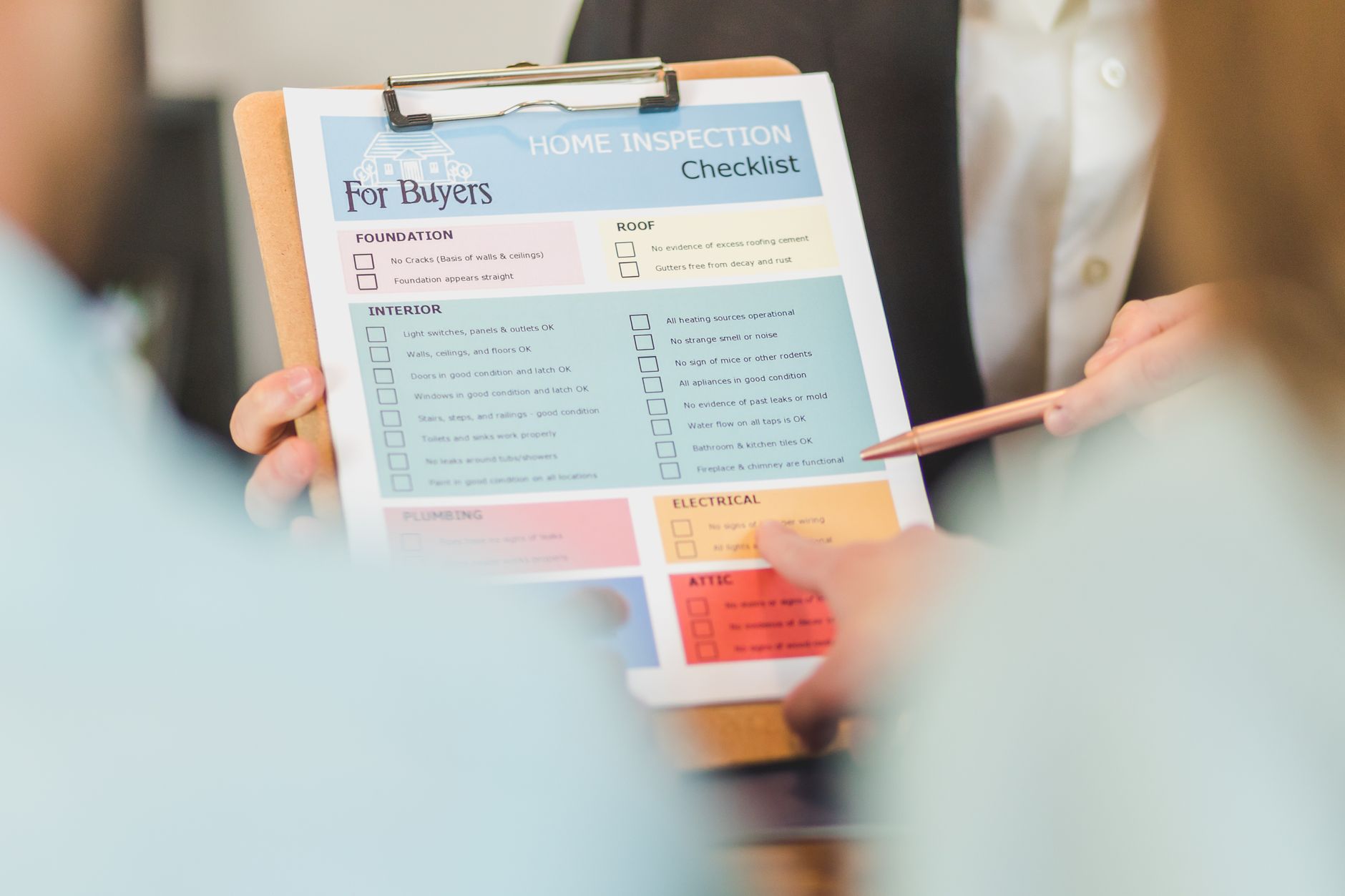
- Drain check: the crew inspects drains and wall floor junctions in the zone before the first pass.
- Robot pass: the robot scrubs or sweeps only the released zone, and the log records start and stop times.
What should the drain check look for before a sweep?
The drain check is short, but it has to happen every time, not only when someone remembers. Look for these conditions before the robot's first pass in a released zone.
- Covers that are seated, undamaged and not lifted, since a loose cover can drop debris into the robot's path.
- Standing water or slow drainage at the grate and at the wall floor junction beside it.
- Shell grit, organic debris or residue packed into the grate.
- Drains within the footprint of any recent positive finding, since the forum practice described above places vector swabbing points near nearby drains and junctions.
- Signs of cart or foot traffic that crossed the drain since the washdown, such as tracking or film.
What should a robot skip without asking?
A skip list works best when it is written before the first night run, not improvised after a near miss. These are the conditions where a robot should refuse a zone, whatever the schedule says.
- Any zone under active washdown, including the spray path and the drain grates it reaches.
- Any zone where standing water remains after release.
- Any drain with a missing, loose or misseated cover.
- Any zone inside an open positive finding area until the sanitation lead clears it.
- Any area with chemical residue that has not been rinsed according to the label.
- Any route that passes open product or exposed food contact surfaces.
Where does a lease fit into a washdown plan?
Service Robot Co. is a full service commercial robot integrator for US businesses. We are OEM neutral, so we pick the robots that fit the work across manufacturers, then finance, deploy, integrate, train and service each unit through a nationwide US engineer network.
For plants that want commercial cleaning robot leasing, our offer is a lease term of three years with one fixed robot lease payment quoted after a site assessment. For a shellfish plant, that assessment is where the drain map, the washdown windows, the release points and the skip list get written down before any robot passes a floor. Those same facts help a sanitation lead answer an auditor and help a service engineer dispatch to the right unit.
Frequently asked questions
Want a robot working for you?
Tell us the job and the site. We will recommend the robot, quote the lease, and keep it serviced.