Key takeaways
- Build the schedule backward from the time the doors open, and size the buffer from a timed dry run.
- Quiet hours cover noise and foot traffic, so set pause triggers for people as well as clock times.
- Compare decibel figures only when the method matches, since maximum, average and operator ear readings differ.
- Most published mall deployments are vendor reported, so use them as leads to verify, not targets to copy.
- Pedestrian detection can keep cleaning going during open hours, but only where your mall rules and tests allow it.
Can a floor robot clean a mall before opening without bothering early shoppers?
Yes, if the schedule is built around the time the doors open and the robot is set to yield to people. The method is to fix the last point the robot stops, protect a buffer you have measured, and hand the floor over before the first shoppers arrive.
Quiet hours are really two rules. One is a clock rule: the robot runs only inside a window that closes before the concourse fills. The other is a people rule: when a person or a cluster sits on the route, the robot pauses or goes around. Most mall operators need both, because early arrivals and staff walking the concourse do not follow the same clock.
How do you build the schedule backward from opening time?
Work in reverse from the opening time. Every minute after the last robot pass is protected time, so it should be planned rather than squeezed into whatever margin is left.
The buffer is the number most often guessed. Measure it with a dry run in the same cleaning mode, timing each zone end to end and then adding the walk through. A long concourse with a slow zone needs more margin than a single hall, and the buffer should only shrink after the logs show the robot finishing early every day.
- Last robot stop, set by the slowest zone's measured run time rather than an average
- Buffer for drying, dust settling and a walk through check
- Staff sweep of the entrance vestibule and any spill the robot flagged
- Doors open with every robot route cleared and docked
Where should pause points and pedestrian rules go?
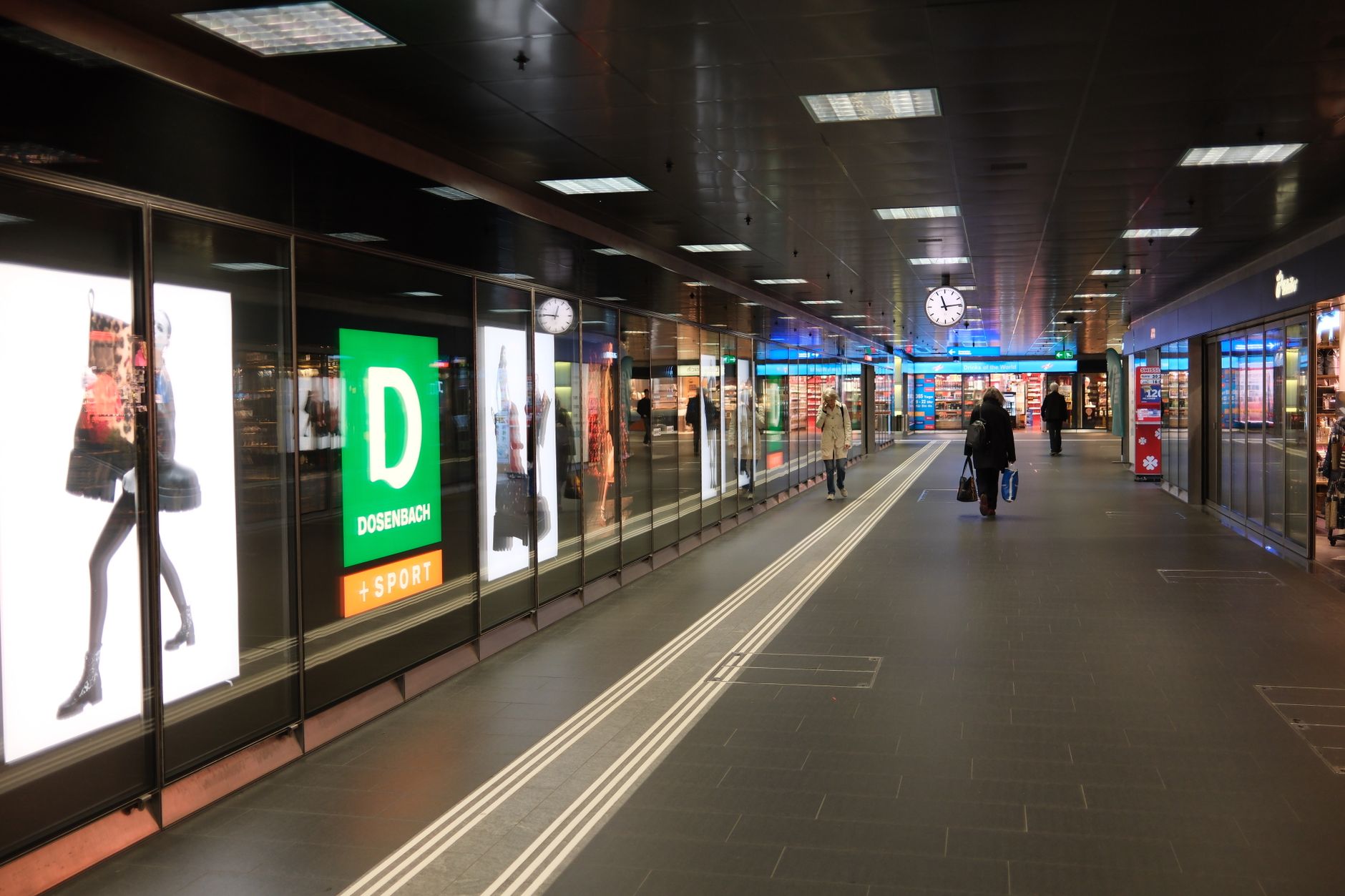
Pause points belong wherever people gather or cross the robot's path: entrances, elevator lobbies, food court seating, kiosk queues, restroom doors and storefronts that open early. Map these as zones with their own rules, not as bare obstacles, so the robot treats a food court as a pause area and not as a hallway.
Pedestrian detection is what lets some robots keep working while people are nearby. CapitaMall Taiyanggong in Beijing deployed two VIGGO SC50 robots that detect and avoid pedestrians so cleaning can continue during opening hours. According to a PR Newswire release carried by Thailand Business News, the robots logged more than 20,000 operating hours and offset a workload equivalent to four full time cleaning positions. That account is vendor reported, so it describes the vendor's result rather than an audited one.
How loud is a floor robot compared with a scrubber?
Noise is the first question mall managers ask, and the published figures are hard to set side by side. A robot scrubber listing from Orionstar gives about 45 dB in dust mopping mode and 55 dB while scrubbing, vendor reported. A Nilfisk SW 750 listing gives 59 dB for a conventional walk behind scrubber. A University of Michigan engineering report measured a Tennant T5 at 68 dBA, and the Windsor Qk32 manual gives an operator ear level of 73 dBA on tile in a typical commercial setting.
These figures do not share one scale. Some report a maximum, some an average, some are unweighted, and some are taken at the operator's ear while others sit at a set distance. The Windsor reading is a nearfield operator measurement, so it should not be placed beside a listing taken from across the room. Ask each vendor for the method and the mode, then run the robot in your own concourse at the hour you intend to use.
- Maximum or average: confirm which one the figure reports
- Weighted dBA or unweighted dB
- Operator ear, set distance or nearfield
- Floor type and the cleaning mode in use
What do the mall deployments actually show?
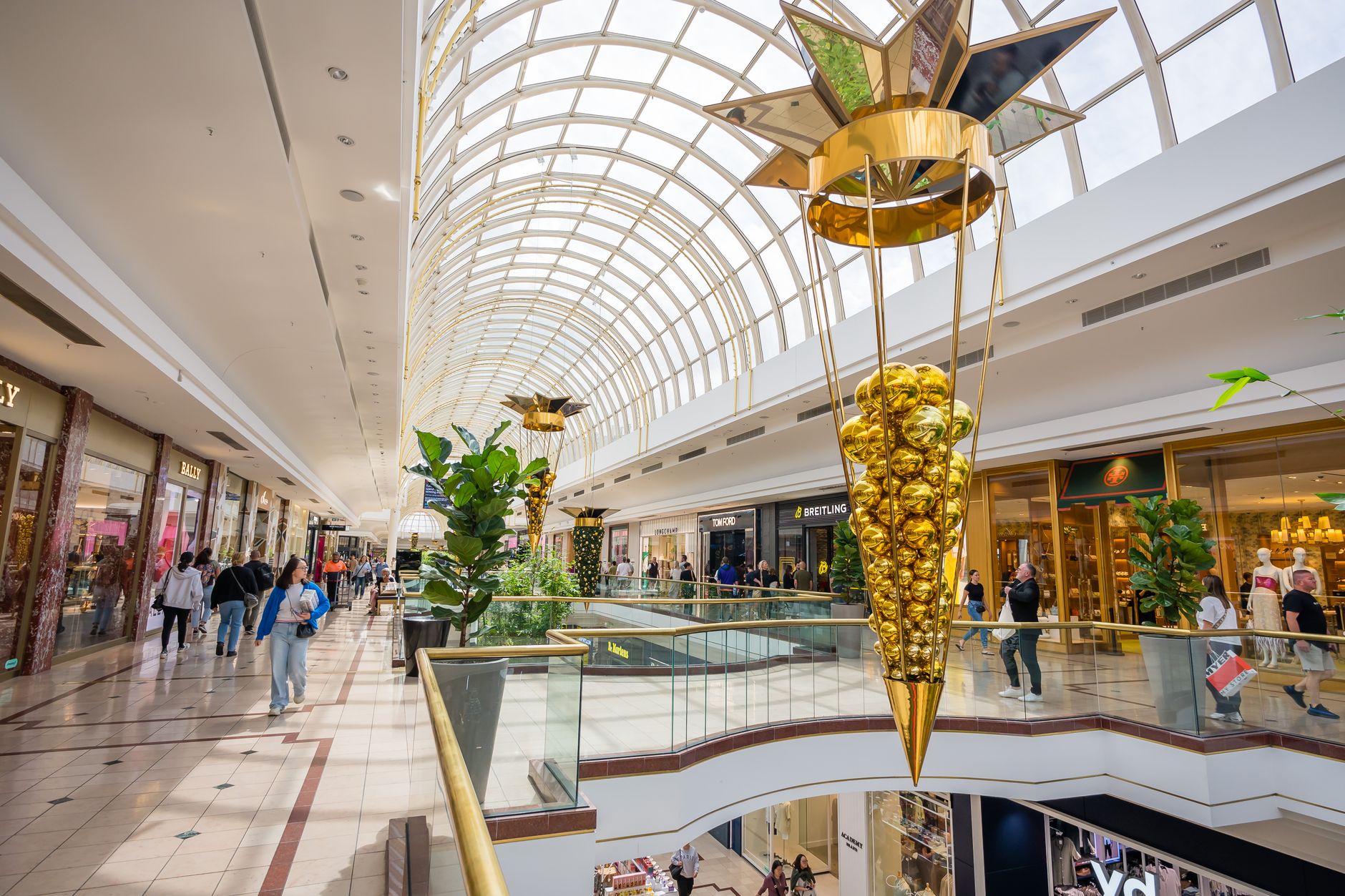
Soeffge, a shopping centre in Bremen, chose the Tennant T16AMR because the need for quiet operation in a busy shopping environment drove the decision, according to Tennant's case study. The case reports positive reception from shoppers and management, though it gives few hard numbers.
Domus, an Ottawa cleaning contractor, made its first robotics deployment with a Tennant Alpine X6 RoVR. Its planning covered mapping, zoning, and running across overnight and early morning shifts, which is the same sequence a mall quiet hours plan needs.
What is missing matters as much. The research found no independent or audited overnight mall case with full cost and uptime data. Several mall and grocery case studies describe overnight only cleaning as the way to have floors clean by opening, yet none offers a standard quiet hour timing you could copy. The buffer has to come from your own floor.
How should you test the schedule before a full rollout?
Test one zone first, using the quiet hour window you intend to run. Record the run time, every pause event and anything a shopper or staff member noticed. Compare the result with the buffer from your dry run, and widen the window only when pauses and finish times are predictable.
This is the work Service Robot Co. does for mall operators. We are a full service commercial robot integrator and we are OEM neutral: we pick the right robots across manufacturers, then lease, deploy, integrate, train and service every unit through a nationwide US engineer network. We begin with a site assessment and mapping. Our lease runs three years, with one fixed payment quoted after that assessment.
Keep a shift log that records each pause and its reason. After a couple of weeks the log shows whether the buffer and the pause zones match how the mall really behaves, and that is the evidence to change the schedule on.
Frequently asked questions
Want a robot working for you?
Tell us the job and the site. We will recommend the robot, quote the lease, and keep it serviced.
Sources
- Tennant: Soeffge innovates mall cleaning with robotic technology
- Thailand Business News: VIGGO SC50 CapitaMall Taiyanggong release
- Tennant: Domus Building Cleaning Alpine X6 RoVR case study
- Orionstar robot scrubber listing
- Nilfisk SW 750 floor scrubber drier listing
- University of Michigan engineering project report, Tennant T5 noise test
- Windsor Qk32 manual