Key takeaways
- Harvest nights leave starch dust and mud on concrete before the next truck wave.
- Saguache County reported a 4.7 percent unemployment rate in 2025, yet seasonal spikes still strain crews.
- Map freezer thresholds and dock grades before the first autonomous loop.
- Rental pilots let co-ops test one shed aisle before harvest peaks.
- Service Robot Co. aligns scrubbers, delivery bots, and patrol units under one vendor.
Why run scrubbers on night shift during potato harvest?
Trucks queue before dawn and forklifts never stop during peak shed weeks. Concrete aisles pick up starch film, mud from the yard, and tire marks that make morning inspections look sloppy.
Night-shift autonomous scrubbers recover water and grit while crews sleep, so scale houses open to dry, streak-free floors.
You still need humans for equipment checks, but you stop paying overtime just to mop the same fifty feet between cooler doors.
Compare one overtime mop shift to a scheduled scrubber pass. The robot does not remove supervisors, but it stops the same aisle from being hand-scrubbed three times per week.
What is different about Center-area potato sheds?
Center sits in Saguache County along Highway 112, surrounded by pivot-irrigated potato, grain, and produce operations with on-site coolers and packing barns.
Listings for farms such as Sunhouse Farm describe tens of thousands of square feet of climate-controlled potato storage plus certified scales and shop buildings.
Those layouts mean long straight aisles, heavy forklift traffic, and tight turns at freezer curtains that must be mapped, not guessed.
Wholesale directories list multiple potato cooperatives and coolers along East 2nd and East 3rd streets in Center, which shows how concentrated shed traffic is within a few blocks.
How tight is valley labor during harvest?
The U.S. Bureau of Labor Statistics reported a 4.7 percent average unemployment rate for Saguache County in 2025 through the LAUS program.
Annual averages hide the harvest crunch when field crews, truck drivers, and shed staff overlap for a few weeks.
Automating repeatable scrubbing and interior delivery loops frees supervisors to chase quality issues instead of chasing mops.
Farm labor contractors and co-op loaders often pull from the same small pool of valley residents, so a sick crew on Monday affects both field and shed staffing.
What should you map before the first night route?
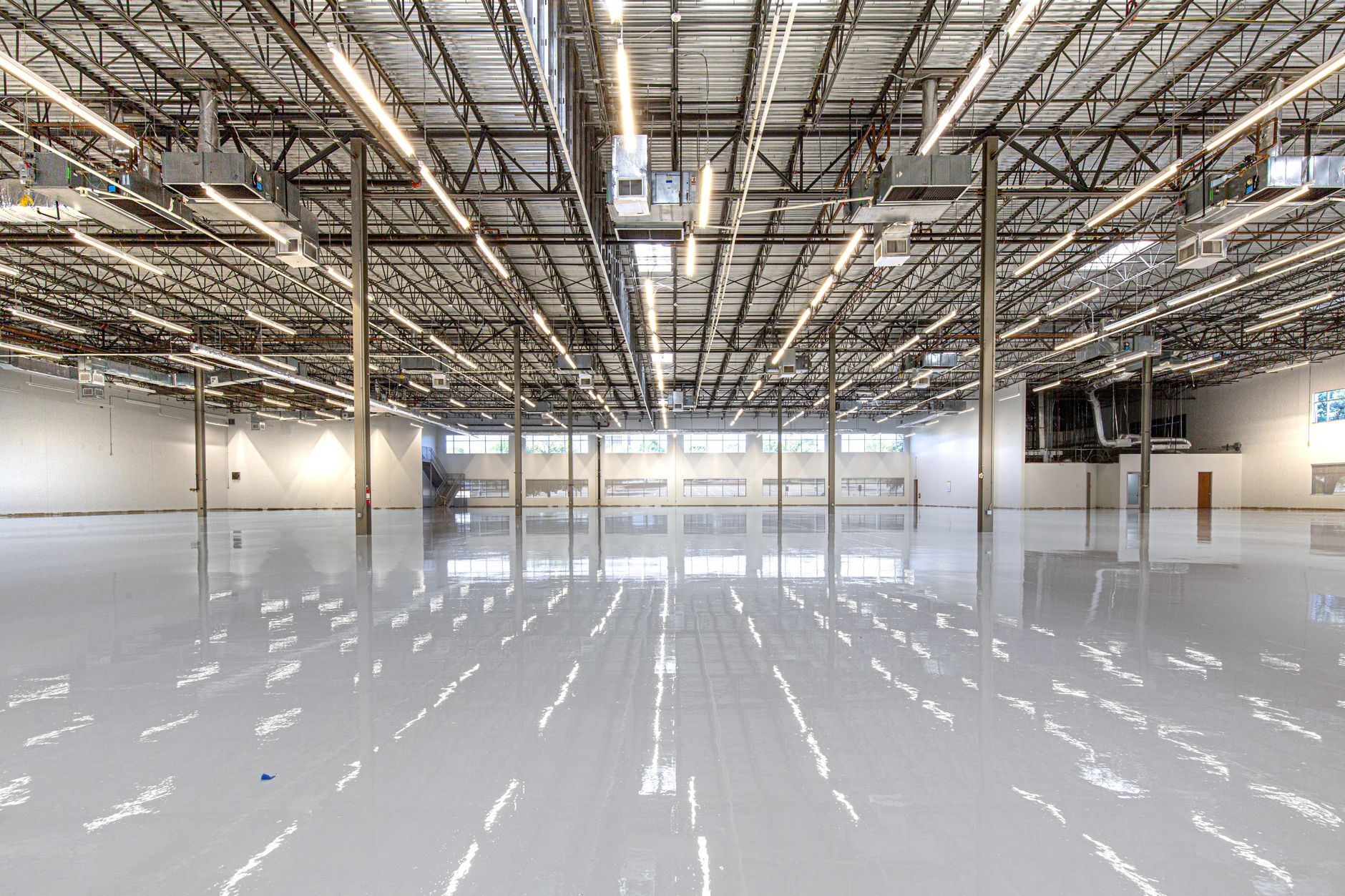
Walk the shed after the busiest receiving day. Mark freezer thresholds, floor drains, and areas where starch paste builds near the washer.
Place chargers on circuits that will not share with blast coolers cycling on. Note any floor coatings that need softer pads.
Define a hard stop line where robots must not enter wash-down rooms during chemical cycles.
Photograph floor joints after the heaviest forklift day. New cracks appear mid-season when bins fill and traffic patterns shift.
- Scale house apron grit
- Cooler curtain gaps
- Charger heat and airflow
- Drain grates and covers
- Truck lane cross traffic
How do mats and sweep paths interact with robots?
Mats at office and scale entries trap the worst mud before it reaches the scrubber path.
A quick sweep or vacuum on mats beats running the scrubber twice on the same aisle.
When mats saturate, even a perfect map leaves haze near cooler doors.
Document who owns the robot schedule versus who owns conveyor sanitation so night crews do not assume the scrubber replaced a required wash step.
Schedule mat vacuuming before the scrubber window so the machine spends runtime on film removal, not gravel chunks from the truck apron.
When should delivery robots join the shed workflow?
Labels, sample bags, and PPE often move between the scale house, lab nook, and supervisor office all night.
A delivery robot handles those repeatable trips while clerks focus on grading paperwork and truck manifests.
Keep routes short and indoors during freeze nights so batteries stay predictable.
If your lab sits more than two hundred feet from the scale, interior delivery savings add up fast during all-night receiving windows.
What about yards and fuel islands?
Patrol robots can loop fuel stops and equipment yards when security staff cover multiple sites along Highway 112.
Scrubbers stay on hard surfaces inside; patrol units handle camera coverage where lighting is uneven.
Document which alerts go to on-call managers versus contracted guard response.
Document who owns the robot schedule versus who owns conveyor sanitation so night crews do not assume the scrubber replaced a required wash step.
Align patrol loops with yard lighting upgrades so cameras are not staring into glare from sodium fixtures above fuel pumps.
Is rental the right entry for a single harvest?
Many growers rent scrubbers from late August through November, then return units when sheds go quiet.
Rental bundles maintenance and remote triage when a machine faults on a Sunday receiving night.
Service Robot Co. can convert a successful pilot into a lease with the same mapped routes.
Document who owns the robot schedule versus who owns conveyor sanitation so night crews do not assume the scrubber replaced a required wash step.
Align return dates with your last scheduled receiving night so you are not paying for a parked unit in December.
How do you score a two-week pilot?
Track slip near-misses, QA rejections tied to floor debris, and overtime hours spent on aisle cleanup.
Compare scrubber runtime to planned minutes. Shortfalls usually mean mat neglect or a new pallet pattern blocking turns.
Review results with food-safety leads if your customer audits floor hygiene between loads.
Document who owns the robot schedule versus who owns conveyor sanitation so night crews do not assume the scrubber replaced a required wash step.
Invite your food-safety lead to walk the aisle after the first automated night to confirm recovery water meets your customer checklist.
What stays manual during harvest?
Robots do not grade potatoes, fix conveyor belts, or sign truck bills of lading.
Write a one-page split so night staff know which tasks always need a person on the floor.
That clarity keeps automation from becoming an excuse to skip drain inspections.
Document who owns the robot schedule versus who owns conveyor sanitation so night crews do not assume the scrubber replaced a required wash step.
How do cooperatives roll out robots across multiple sheds?
Monte Vista Cooperative and other valley suppliers run fertilizer and crop inputs from sites near Center, which means some growers share staff across multiple addresses.
Start with the busiest receiving shed, then clone the map to secondary coolers only after the first site hits stable runtime for two weeks.
Shared playbooks for pads, detergents, and charger checks keep quality consistent when machines move between buildings.