Key takeaways
- Split a campus into named zones before choosing any mowing method.
- Robotic mowers suit broad open turf with clear boundaries.
- Crews keep islands, edges, bed borders and entry sightlines, which clients judge every week.
- Vendor capacity and noise claims need a test on your own site before they guide a lease.
- One leased unit on one open zone is a practical way to start.
Which parts of a campus should a robot mow?
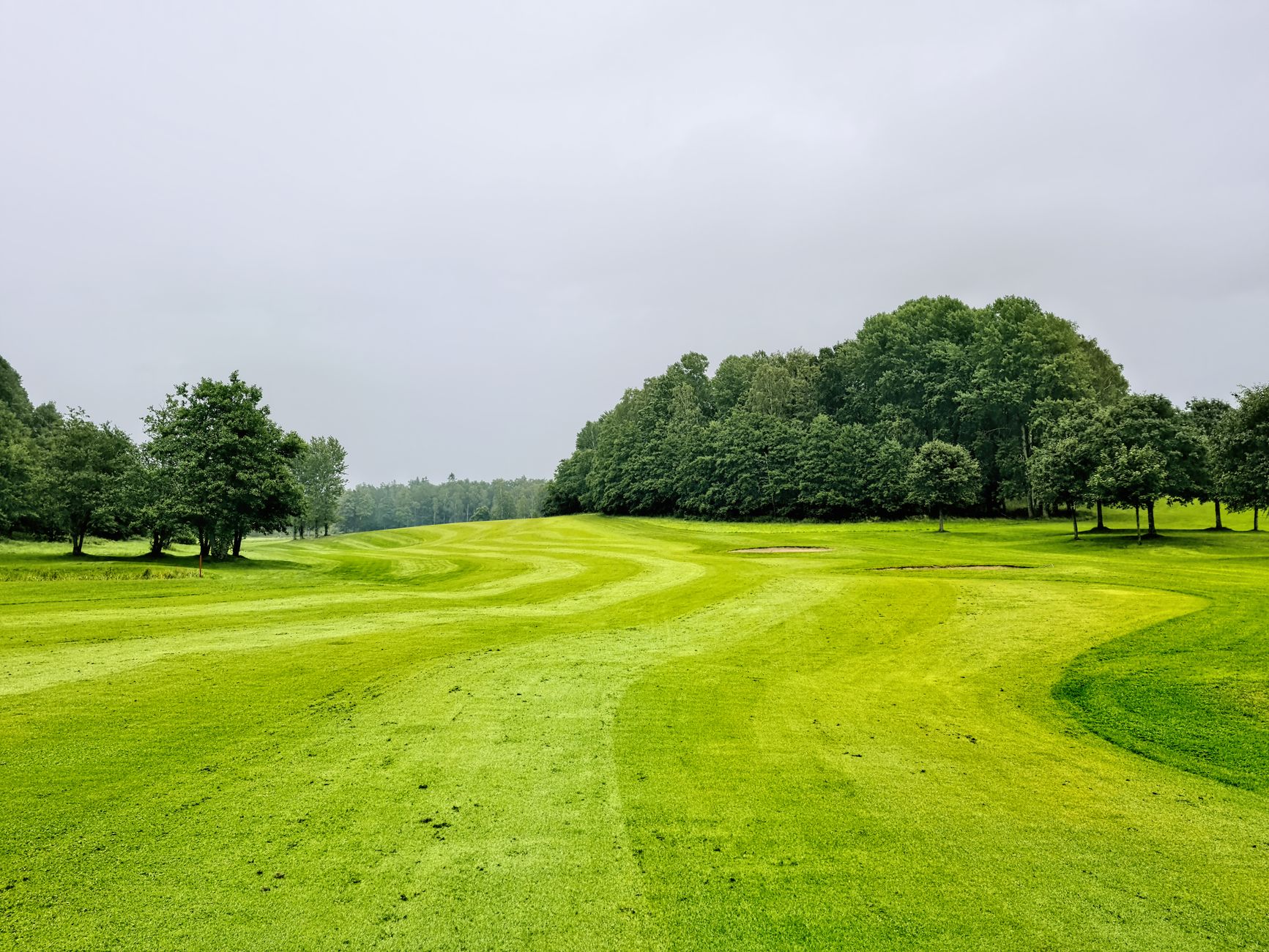
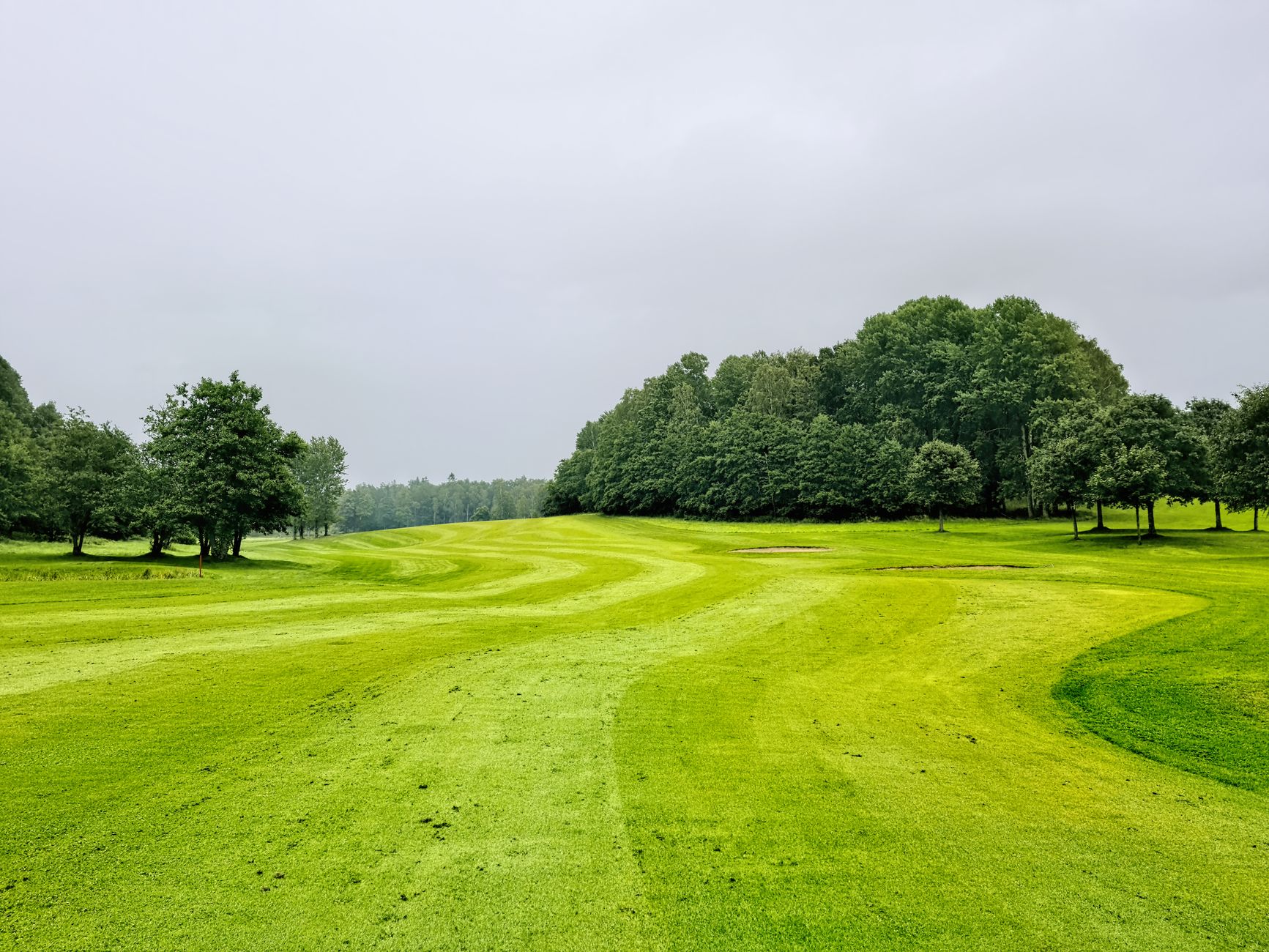
A single mowing method rarely fits an office campus. The broad lawn in front of the main building can take a robotic mower's regular passes. The islands, walkway edges and planting beds that clients see every week still need a crew. The working split is easy to describe and takes care to draw: robots take the open turf, and people keep the detail.
Zoning decides whether the split holds. Before anyone agrees a crew schedule or a lease, divide the site into named zones, mark which ones a robot can run unattended, and list what the crew still does in each. A campus cut this way can be inspected and priced one zone at a time.
What zones does a typical office campus contain?
Most office campuses hold four or five kinds of ground. Broad lawn between buildings is the easiest. Islands around entries, flagpoles and parking ends are smaller and full of corners. Walkway edges and drive margins need clean, straight lines. Planting beds hold shrubs and mulch that a mower should never touch.
Each kind asks for a different tool and a different visit. Treating them as one mowing job is how a robot ends up working around a bed it should have been kept away from, and how a crew ends up edging ground a robot could have covered in one overnight run.
How do you draw the zone boundaries?
Walk the property with the grounds lead and an up to date site map. Mark every bed, tree ring, slope and hard edge. Anything a mower could strike or scalp goes on the exclusion list, and any area with steep grade or heavy shade goes to the crew for now.
Then measure each open zone. Compare its acreage with the capacity of the mower you are considering, and leave headroom for turns and blocked passes. Capacity figures on vendor pages are marketing text, so confirm them on your own ground before you commit.
Where have robotic mowers reached campus lawns?
Mower makers now aim at this ground directly. According to Landscape & Amenity, Husqvarna unveiled its Automower 540 EPOS in October 2025 for smaller commercial areas, and the launch coverage pitches it for office parks, hotels and university campuses. That is a launch claim, not a field result.
Local news has also reported robotic mowers cutting grass on the University of Tulsa campus, according to a newson6 story. The report confirms the machines were working a campus lawn. It does not measure crew hours saved or how the cut compared with crew work.
Noise is the argument vendors make most often. As of November 2026, an Outdoorica article on the Segway Navimow Terranox says gas mower noise can disrupt office parks, schools and HOAs, and that robotic mowers can keep grass more quietly and consistently. The same vendor text lists the Terranox for 3 to 6 acres, a figure that still needs checking against your own ground.
What does the crew keep on a campus?
Robots handle the broad field. They do not edge a walk, lift a bed border, or trim tight around a sign post. Those jobs stay with the crew, and they are the jobs clients inspect first. Schedule them as a fixed weekly visit, not as leftover time after mowing.
Keep a standing list for each zone: edges along every walk, string trimming at islands, bed clean-up, sweeping clippings from hard surfaces, and a look at entry sightlines. Crew members walking the zone also spot thin patches, wet low spots and displaced sprinkler heads that a route log will not mention.
How should robot passes and crew visits be sequenced?
Run the robot where people are not walking. Early morning or after hours keeps entries clear, and it lets the crew follow with edges and trimming before the building opens. The first thing a visitor sees then reflects the crew's detail work.
- Clear hoses, toys, pallets and loose items from the open zone before the first run.
- Check that boundary wires or GPS markers and exclusion markers are intact.
- After the robot finishes, edge walks and trim islands and bed borders.
- Sweep clippings off walks and drive margins before the crew leaves.
How do you check cut quality across zones?
The seams between zones carry the most risk. Where a robot pass meets a crew-cut edge, height and stripe direction can differ. Walk each seam weekly, and compare the two sides at the same height and in the same light.
Keep a short record of zone, visit, what was seen and what was corrected. Clients rarely complain about the lawn as a whole. They notice the one corner that looks different, so the log should point to the seams first.
Where does Service Robot Co. fit in a zoned campus plan?
Service Robot Co. is a full-service commercial robot integrator for US businesses. We are OEM-neutral, so we choose the mower for each zone rather than fitting the zone to one catalog. We finance, deploy, integrate, train crews, and service every unit through a nationwide US engineer network, so one partner handles the whole lifecycle.
Our offer is a lease. A three-year lease comes with one fixed robot lease payment quoted after a site assessment. A campus can start with one leased unit on one open zone, then expand once the crew's log shows where the split works.
How much evidence supports campus robot mowing today?
The independent evidence is thin. The sources here are launch coverage, a local news report, a vendor campus page and a vendor article. None measures labor hours, cut quality or uptime across a multi-zone campus over a full season.
Treat every capacity and noise claim as a starting point. Run one zone for several weeks, log passes and crew minutes, and compare the result with what that zone costs to keep today. Let the log, not the brochure, decide how far the robot zone grows.
Frequently asked questions
Want a robot working for you?
Tell us the job and the site. We will recommend the robot, quote the lease, and keep it serviced.