Key takeaways
- The Osaka Police Hospital run was a three-day demonstration, March 16 to 18, 2026, not a commercial deployment.
- A demo proves a robot can complete a route on a given day, not that it runs reliably across a full shift.
- Before trusting any hospital demo, ask for route data, elevator and door handoff records, and downtime logs.
- Score a vendor through a live pilot with written measures and a go or no-go date set in advance.
Was the Osaka run a deployment?
Earthtrek Robotics put its autonomous delivery robot, the AI-MHOS, through a demonstration at Osaka Police Hospital in Tennoji-ku, Osaka, from Monday, March 16 to Wednesday, March 18, 2026. The company announced the run on April 3, 2026, and the Japanese trade publication logi-today reported the same dates. The short answer to the question most US readers will ask is this: it was a demo, not a deployment.
Nothing in the public record we found shows a contract, a lease or a fleet staying on the wards after those three days. The company called the run a pre-verification step ahead of a full-scale verification experiment, and it gave no date for that next stage. A demo can be a real and useful event and still answer only a narrow question.
For a US hospital team, that narrow question is worth naming before the robot arrives. A demo shows that a machine can complete a task under watched, scheduled conditions. It does not show how the machine behaves on a night when a unit is short staffed and one elevator bank is out of service.
What did the trial cover?
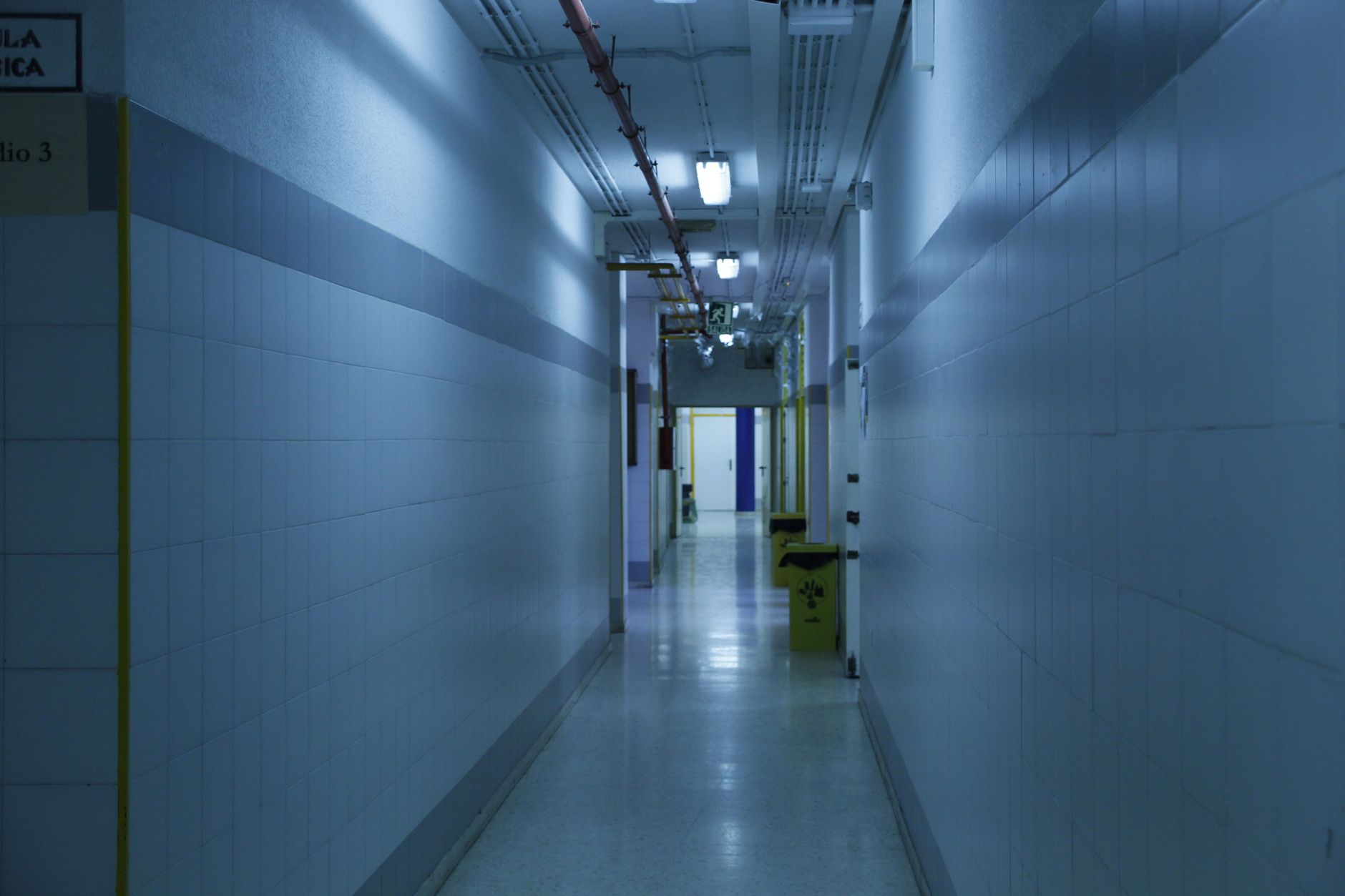
The run covered the 2nd floor and the 8th floor of the Surgical Medical Center, using the C03-J-3D, a three-door unit meant to serve several departments on a single trip. According to the company announcement, the trial sat inside a support program run by the Osaka Chamber of Commerce and Industry.
Earthtrek described three aims: test autonomous driving on complex hospital routes, judge whether the robot is safe on them, and collect operating data such as the robot's memory of internal routes. Those aims are about feasibility and data gathering. A safety judgment drawn from three days is a first reading, not a clearance.
Which specs came with the coverage?
Aggregator pages list a maximum load of 200 kg and up to eight hours of continuous operation, along with cargo such as medicines, specimens, sterilized goods and medical waste. The same pages say the robot works with elevators and automatic doors to move between floors. These are vendor-reported figures from secondary listings, and the company page we checked did not confirm them.
Treat them as claims to test, not facts to file. A load rating says what the machine is built to carry. It says nothing about whether the route, the door timing and the handoff at each floor hold up through a full shift.
What a demo proves and what it cannot
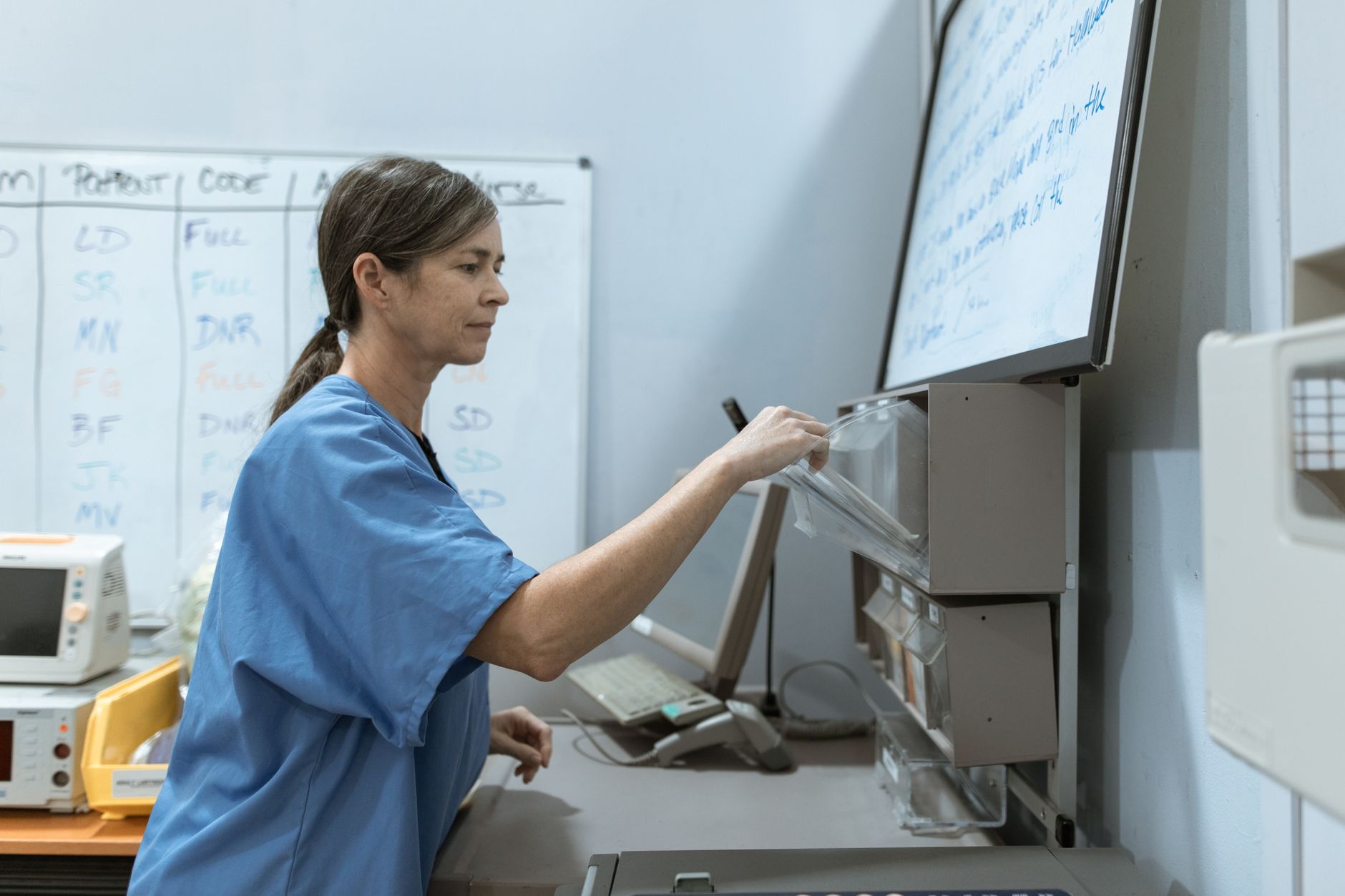
A demo proves feasibility on a particular day. It can show that a route is drivable, that doors and elevators can be integrated in that building, and that staff can watch the robot finish a run. Those are real results, and they are the reason a demo is worth attending.
A demo does not prove reliability across weeks. It does not show how often the robot stops, how long each recovery takes, how a corridor change affects its map, or how often a person has to step in. It also does not show the staff time spent on escorts, supervision and cleaning between loads, which is the figure that decides whether anyone's hours actually come back.
Which measures belong in a live pilot?
A live pilot should be scored on measures a demo cannot produce. Agree on these before the first run, and write down the result that would end the pilot.
Track at least the following, using the robot's logs and your own staff records.
- Uptime counted in hours across full shifts, not in demo minutes
- Elevator and door handoff failures per week, each logged with its cause
- Minutes needed to re-map a route after a corridor or door changes
- Staff interventions per shift and the time each one takes
- Compartment cleaning and transfer records for medication and specimen loads
What bar should US hospital teams set?
Set the criteria before the demo, not after. Name the floors, the routes, the departments and the timed runs you expect, and ask the vendor to perform them in your building with your real elevator bank and door hardware. A loop through an empty lobby tells you little about your second floor at shift change.
Ask for logs, not only video. Request the route data the robot keeps, the fault history from comparable sites, and a clear account of how a failed run is recovered and reported. A vendor that answers those questions plainly has given you something a stage performance cannot.
Where a pilot starts after a demo
A pilot should start small and stay reversible. One unit, one set of routes and a fixed end date with a go or no-go decision let a hospital learn without shutting down service. A phased rollout with no shutdown keeps runners and nurses on their normal paths while the data builds.
This is the work Service Robot Co. does as an OEM-neutral robot integrator. We assess the site and map the routes, then quote one fixed lease payment after that site assessment. We handle go-live support, training and service through our nationwide US engineer network, and our offer is a lease only, so a pilot can start with one leased unit and grow only if the measures hold.
What the Osaka run teaches US buyers
Give Earthtrek credit for running a live hospital route across two floors and publishing the dates. That is more than a slide deck offers. The public record still shows a pre-verification step, not a deployment result, and US buyers should hold every vendor, domestic or overseas, to the same bar.
Frequently asked questions
Want a robot working for you?
Tell us the job and the site. We will recommend the robot, quote the lease, and keep it serviced.
Sources
Service Robot Co. is not affiliated with, sponsored by, or endorsed by the companies mentioned in this article.