Key takeaways
- Snow melt and grit at clinic entries outpace manual mopping during winter appointment weeks.
- Mapped scrubbers can run after the last outpatient block while staff restock exam rooms.
- Wet-zone cordons and signage matter when early patients arrive before floors fully dry.
- Monthly rental terms track flu season and summer visitor peaks without capital lock-in.
- One integrator for select, finance, deploy, and service reduces midnight vendor confusion.
Why do clinic entries fail before exam rooms do?
Patients notice waiting room floors. Staff notice them at 6 a.m. when the first boots track snow melt across tile. Mop buckets cannot keep pace when appointments start on the hour and the side door stays open for staff parking.
Autonomous floor scrubbers hold mapped routes on sealed tile and vinyl after the last outpatient block. They recover water while environmental services restocks supplies and resets chairs.
Service Robot Co. selects units across manufacturers, then finances, deploys, trains, and services them through a nationwide engineer network as one integrator.
Infection-control teams focus on touchpoints and waste. Floors still set patient perception when glare shows streaks under LED panels. A scrubber log also documents cycles for accreditation questions about consistent environmental care.
What does La Plata County hiring look like for clinic support roles?
Colorado Department of Labor and Employment data for December 2024 placed La Plata County unemployment at 4.0 percent on a labor force of 31,233.
Tourism Economics reporting for Durango shows visitors spent 328 million dollars in 2022, supporting 2,550 direct jobs plus 691 indirect and induced jobs for 3,241 total visitor-linked jobs.
Clinics compete for the same workers as hotels, restaurants, and tribal enterprise sites. Environmental services hours are often the first cut when nursing and front desk roles stay unfilled.
Southern Ute enterprise employment near Ignacio adds another large payroll anchor in the same county, which keeps hospitality and healthcare competing for overnight workers.
Where should the first scrubber route run?
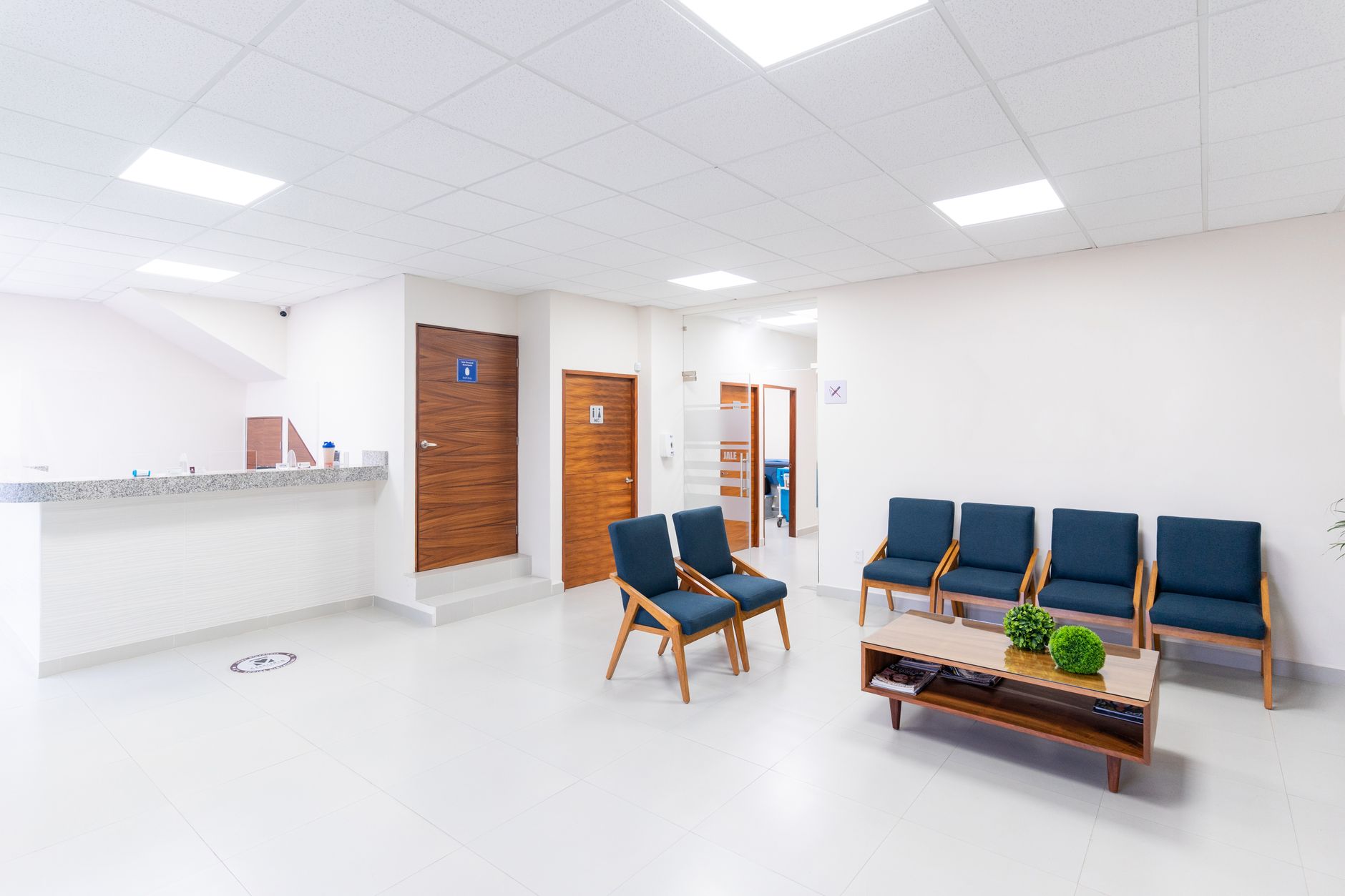
Pilot the main corridor from registration through the waiting area to the restroom hall. It is the highest-traffic hard-floor panel and the easiest to cordon after evening closure.
Keep procedure rooms and back-office carpet transitions for phase two. Map only sealed surfaces the machine is rated to clean.
If you share a building with retail tenants, schedule mapping during a week both sides are open so you learn pause points for cross traffic.
Coordinate with volunteer or infusion schedules if your clinic hosts evening programs. A route that works on Tuesday may need a pause window on Thursday when furniture layout changes.
- Mark automatic door thresholds that confuse lidar
- List floor drains near beverage stations
- Note wheelchair paths that cannot be blocked even briefly
- Photograph mat stacks that move after storms
How do you keep patients safe around wet floors?
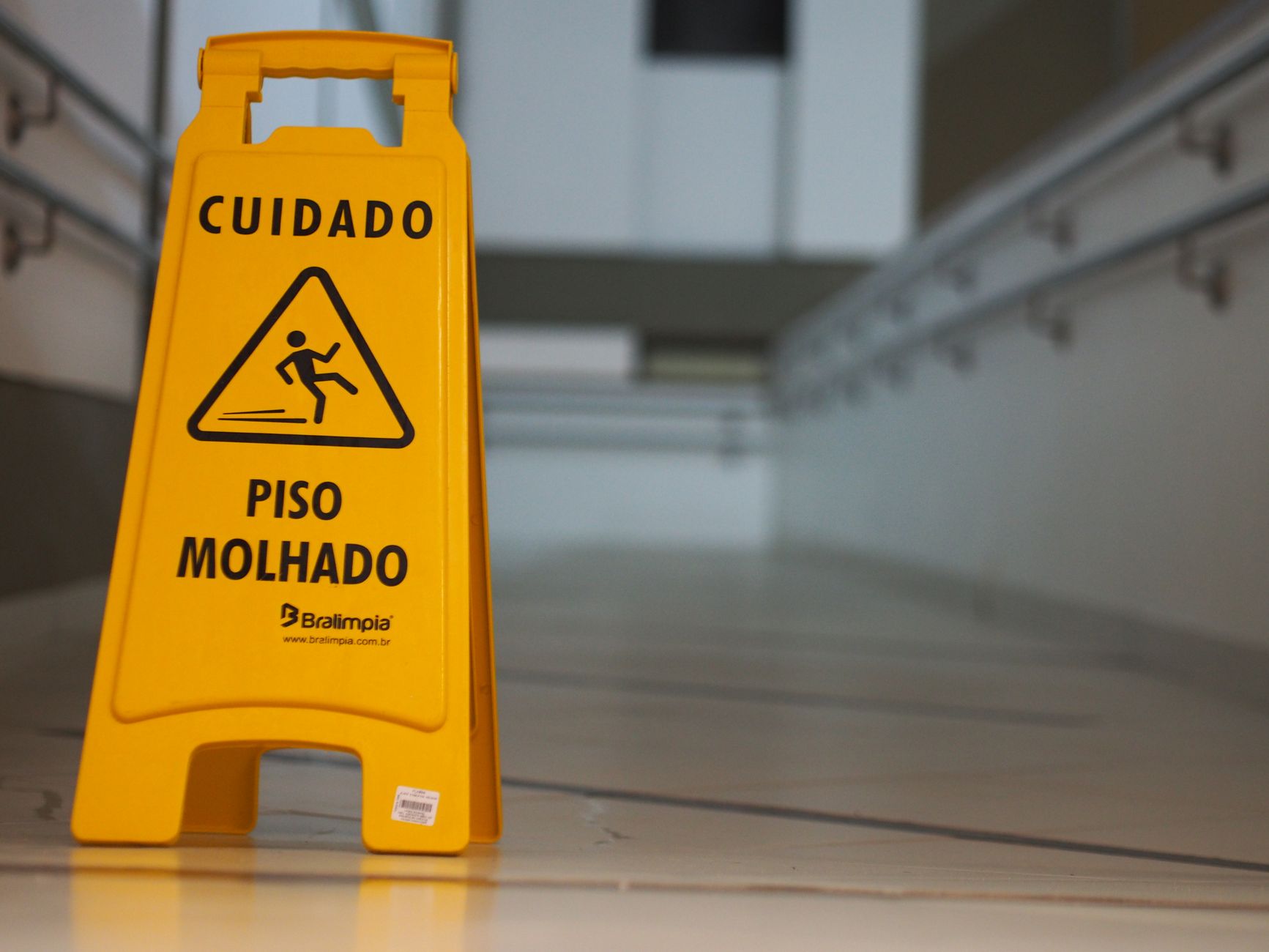
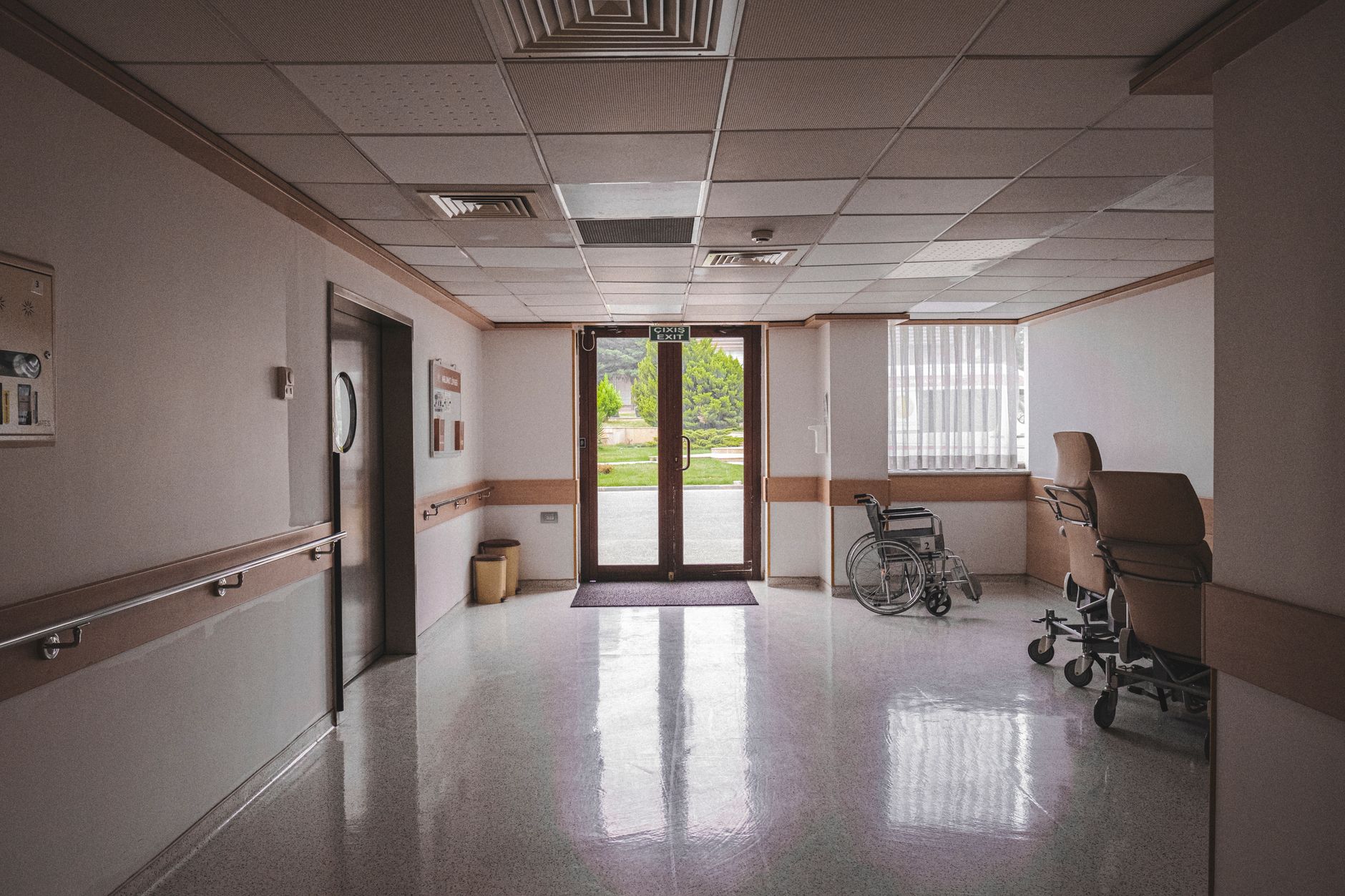
Post wet-floor signage on every approach, including staff entrances used for supply carts. Keep one radio channel for pausing the scrubber when a late procedure runs long.
Dry time depends on finish type and recovery settings. Run a slip check at the patient entry before you unlock for the first morning appointments.
Train front desk staff to redirect walkers when a hallway is still damp. A paused route beats a rushed reopen.
How do rental terms track seasonal patient volume?
Flu season and summer visitor peaks increase foot traffic without adding permanent porter payroll. Monthly rental or lease programs let you add scrub nights during those windows.
Tie contract reviews to your appointment analytics, not only the fiscal calendar.
Bundle pad shipments and remote triage with the vendor that mapped the clinic so weekend faults do not stall Monday openings.
Shoulder months after summer tourism still bring part-time residents back for follow-up visits, so a single annual capital purchase often misaligns with real foot traffic.
What training do environmental services leads need?
Leads should pause and resume routes without deleting maps. They should recognize tank alerts and know when to call remote support instead of forcing a finish.
Run one supervised close where the scrubber follows behind chair reset in the cleared half of the waiting area.
Store charging inside heated space. Mountain nights can freeze water lines in vestibules left too close to exterior doors.
What should a four-week pilot measure?
Compare porter hours on the pilot corridor to the same month last year. Track slip near-misses and patient comments about floor stickiness separately from satisfaction surveys.
Log run times, pad changes, and detergent use. Forecast cost if you add back-office hallways next.
End with a written decision to rent, lease, expand, or stop before the next holiday travel surge.
Share results with facilities committees using photos of entry tile before and after mapped cycles, not only hour counts, so leaders see the patient-facing change.
When do delivery robots belong in the same clinic?
Scrubbers solve hard-floor film. Delivery robots fit when linens, lab specimens, or supplies move on fixed indoor loops between clinic wings. Sequence projects so scrubber wet-zone discipline is proven before carts share hallways with patients.
Patrol units rarely belong inside outpatient buildings but can cover parking structures or equipment yards if those areas stay unstaffed at night.