Key takeaways
- A floor robot fits a hardware aisle only when the narrowest passable width on its route clears the manufacturer's figure.
- Listings for one model can conflict, so get the aisle number from the maker in writing.
- Split the store into zones a robot can finish in a single run, and map every blocked spot.
- Anchor the run to the morning restock window and log every skipped zone.
- Service Robot Co. leases the robot on a three year lease, with one fixed payment quoted after a site assessment.
Can a compact floor robot work between hardware store bin rows after close?
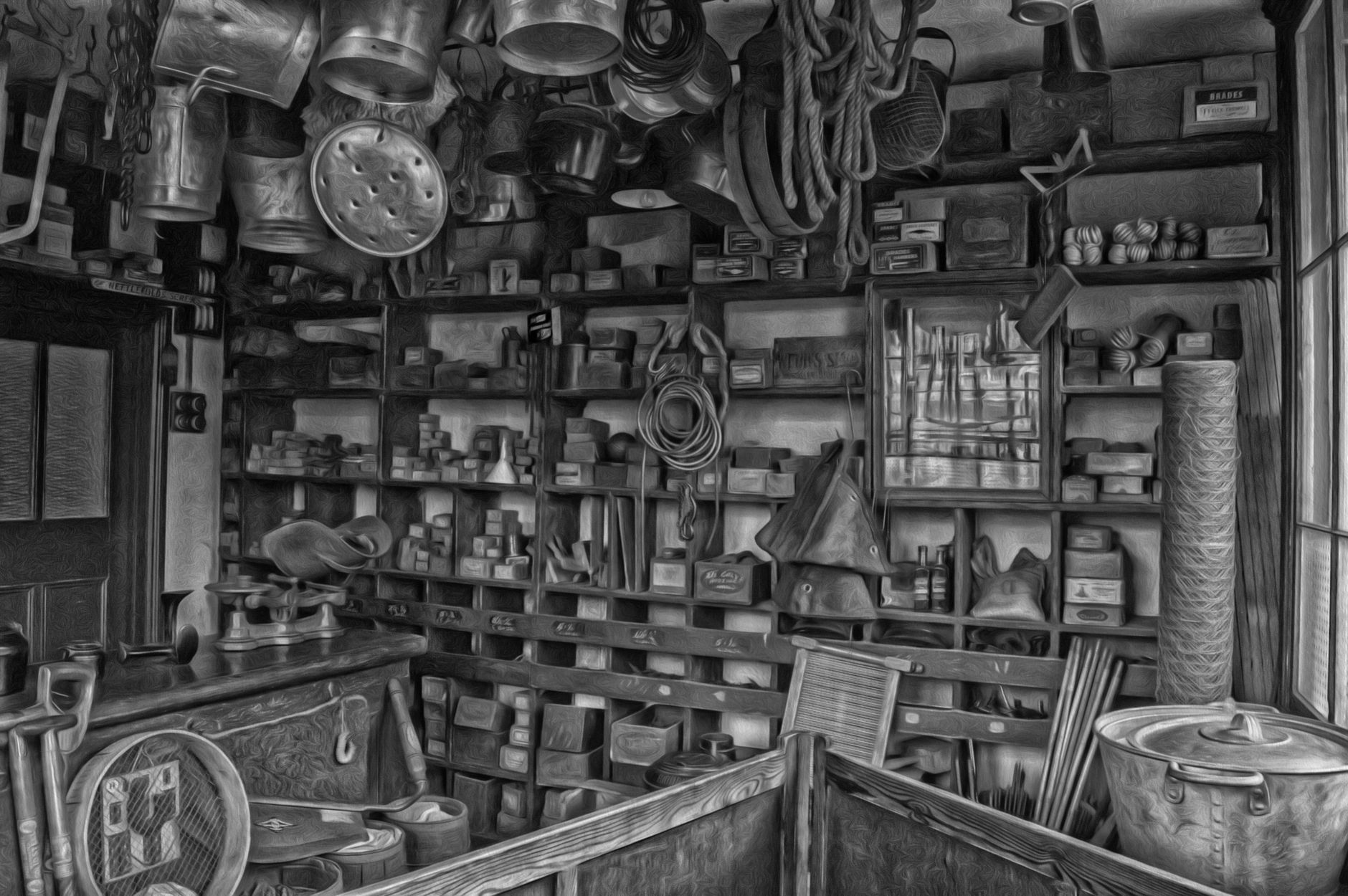
Yes, in many stores, once two checks pass. The robot has to fit the narrowest aisle on its route, and the route has to be mapped around the fixtures that stand in it. Bin rows sit close together, fastener displays jut into lanes, and the checkout lane has a counter and a rail to clear.
The clock matters as much as the width. The run has to finish before the morning restock crew starts moving pallets and carts, so the window is set by your opening routine rather than by the machine. Answer the width question first, then the map, then the schedule.
How common are floor robots in commercial service work?
Floor cleaning is the main application within professional service robots. According to the International Federation of Robotics, professional cleaning robots ranked as the third largest professional service robot category, grew 34 percent, and sold more than 25,000 units in 2024. The IFR sample covered 294 service robot suppliers, and the IFR cautions that its figures are not projected to the whole industry.
For 2025, the IFR reports that global professional service robot shipments rose 24 percent to almost 250,000 units. Transport robots ranked ahead of cleaning robots in that release. Sample makeup shifts from year to year, so read these figures as direction, not as a yardstick for one store manager's floor.
What aisle width does the robot need, and where do listings disagree?
Start with the minimum passable width on the manufacturer's spec sheet, then measure the narrowest point on the route, not the typical aisle. An overhanging display, a pallet parked at an end cap or a rolled rack can shrink a lane that looked generous on the floor plan. Vendor listings checked in November 2026 give these figures, and each one is vendor reported:
That conflict is the reason to get the figure in writing from the maker before any fit decision. The gap may come from a model version or from how the width was measured, and a web page cannot tell the store which one applies to its unit. Tennant has also launched a small format robotic scrubber aimed at grocery retail, which points to smaller machines being built for tight retail floors.
- Kärcher KIRA B 100 R: autonomous minimum aisle width of 33.8 inches, about 860 mm.
- Naviarobotics Scrubber 50 and Scrubber 60: minimum aisle width of 35.4 inches, about 900 mm.
- Avidbots KAS: minimum aisle width of 41 inches, or 1.055 m, per a retailer listing.
- Gausium Phantas: minimum passable width of 600 mm, or 550 mm in an OTA enabled configuration. A Naviarobotics product page lists the same model at 20.5 inches, which conflicts with the Gausium figure.
How should the store be divided into zones?
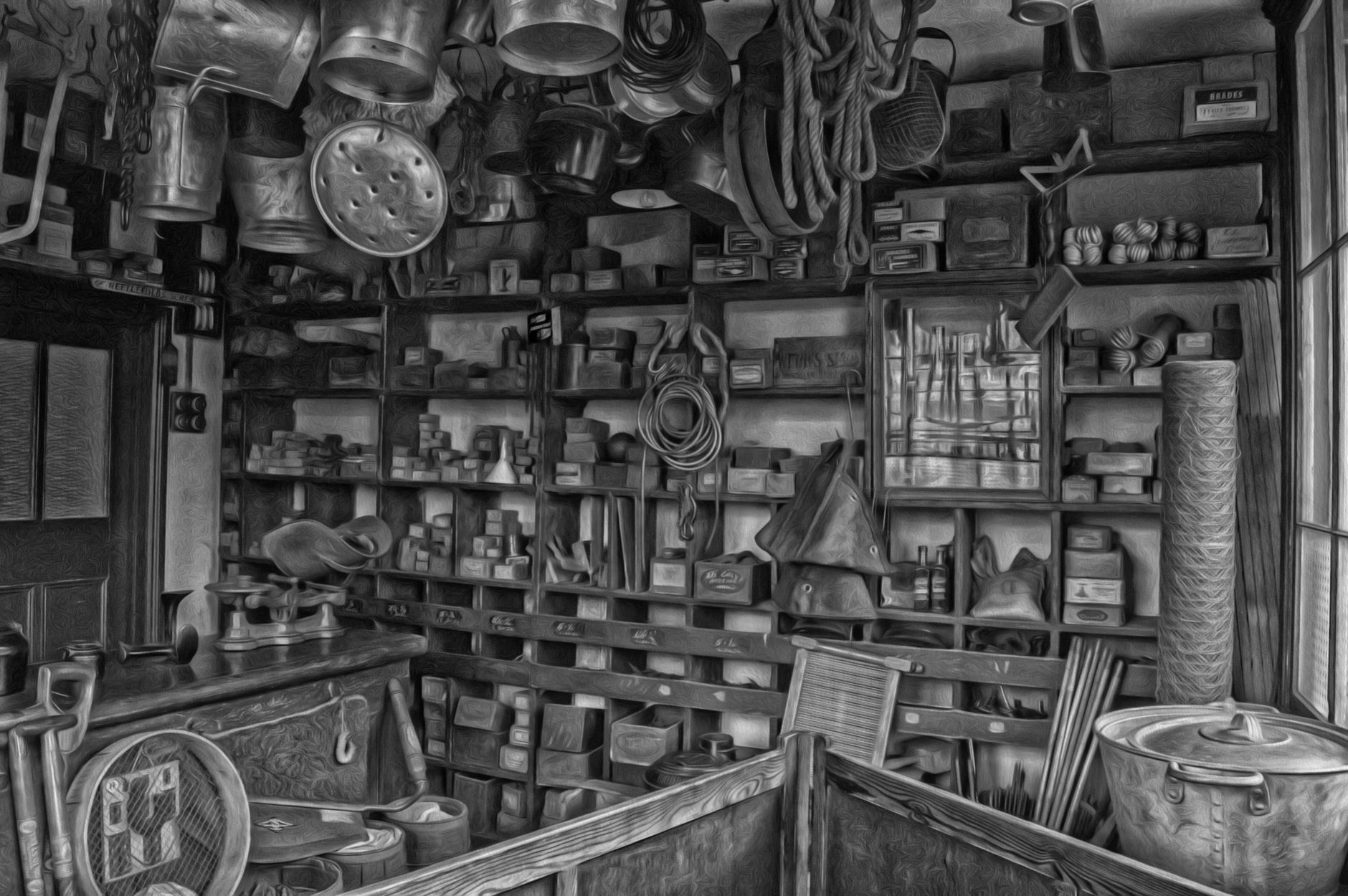
Split the floor into zones the robot can finish in a single run. A workable first cut follows the store itself: bin rows as one zone, fastener displays and their end caps as a second, the checkout lane as a third, and the entry and stockroom door as a fourth. Mark where open bins, ladders, cords and staging carts sit overnight, because those are the spots where a route stalls.
Zone size is a tradeoff. A larger machine covers more floor per pass but may not enter the narrow lanes at all. A compact unit fits the lanes but works slowly across open floor, so the entry and checkout lane may need a separate pass or a different machine. Keep the map current. A display moved for a seasonal promotion can close a route that ran cleanly the week before.
When should the overnight run start and stop?
Anchor the schedule to the restock window, not to the robot. Work backward from the first restock movement, keep the staging areas and the dock path clear, and set the run so each zone finishes before those areas are needed. If closing runs late, start with the zones farthest from the exit so the lanes nearest the door stay open for the closing crew.
Write a stop rule before the first run. When the robot reaches a blocked zone, it should skip it and log the blockage, not wait for someone to clear it. Read those logs each week. A blockage that repeats means the zone, the schedule or the staging layout needs to change.
What should a site walk check before the first run?
Walk the route with the restock lead before anything is switched on. The people who move stock every morning know which lanes always end up blocked, and a walk alone will miss that.
- Narrowest passable width on each route, measured with fixtures in their normal positions.
- Floor items that must be cleared before every run, such as cords, loose boxes and pallets.
- Thresholds and surface changes at the entry and the stockroom door.
- Who on the restock team gets the schedule and the stop rule, and who to call when a zone is skipped.
What should the first week show?
Track three things: whether each zone finished before restock, how many zones were skipped and why, and whether any aisle needed a manual pass. Those three measures show whether the fit holds in daily use.
If every zone finishes but dust stays on the fastener displays, the coverage needs adjusting, not the timing. The log is the record that makes that call possible.
Where does Service Robot Co. fit in this plan?
Service Robot Co. is a full service commercial robot integrator for US businesses. We are OEM neutral, so we select the robot across manufacturers for the aisles and floor in question, then lease, deploy, integrate, train and service it through a nationwide US engineer network. One vendor covers the whole lifecycle.
Our offer is a lease on a three year term, with one fixed payment quoted after a site assessment. That assessment is where the aisle measurements, zone maps and run schedule in this article get built together, so the store sees the terms and the fit before anything is installed.
Frequently asked questions
Want a robot working for you?
Tell us the job and the site. We will recommend the robot, quote the lease, and keep it serviced.
Sources
- IFR, Service robots see global growth boom
- IFR, Global sales of professional service robots surge 24 percent
- Kärcher KIRA B 100 R autonomous cleaning equipment page
- Naviarobotics Scrubber 60 product page
- Naviarobotics Scrubber 50 product page
- Cleaning Parts Direct, Avidbots KAS listing
- Food Logistics, Tennant launches small format robotic scrubber for grocery retail