Key takeaways
- Community solar passed 10.1 GWdc cumulative in the U.S. by late 2025, so more small sites sit near homes and schools.
- Mobile patrol fills gaps between fence lines and fixed cameras when panel rows and access roads change.
- Vegetation, wildlife, and mud season demand slower routes and tuned motion zones, not wider blind spots.
- Cellular or private LTE backhaul plus recorded clips shorten alarm verification before you dispatch a person.
- A vendor-neutral pilot on one array loop proves traction and comms before you cover every inverter pad.
Why do community solar sites need patrol beyond a fence?
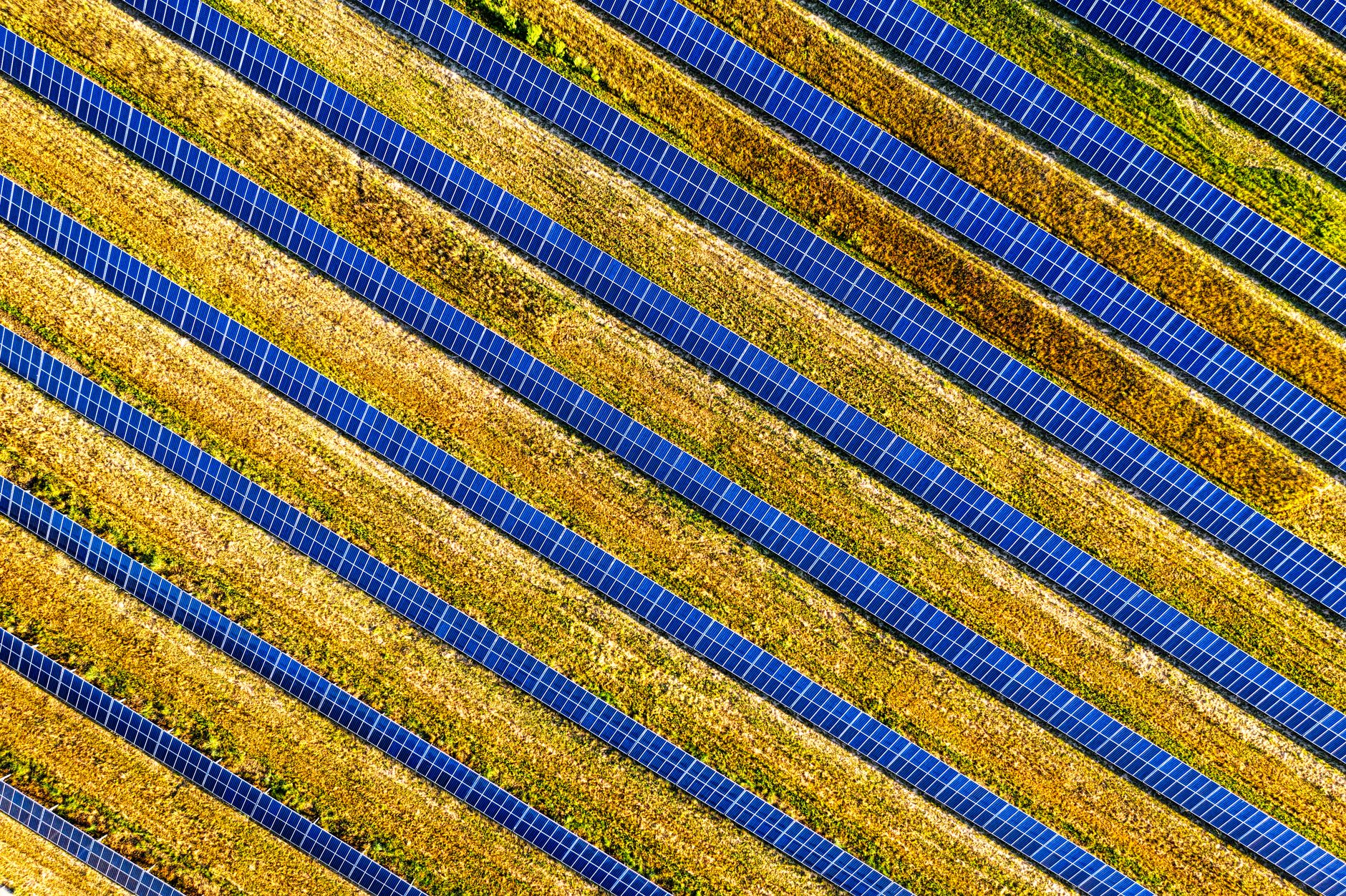
Community solar arrays are smaller than utility-scale deserts, but they sit closer to houses, schools, and retail strips. Fencing and a handful of pole cameras cover the obvious edges. They rarely see every inverter pad, combiner box, and wire run when brush grows in or a subcontractor parks across the access road.
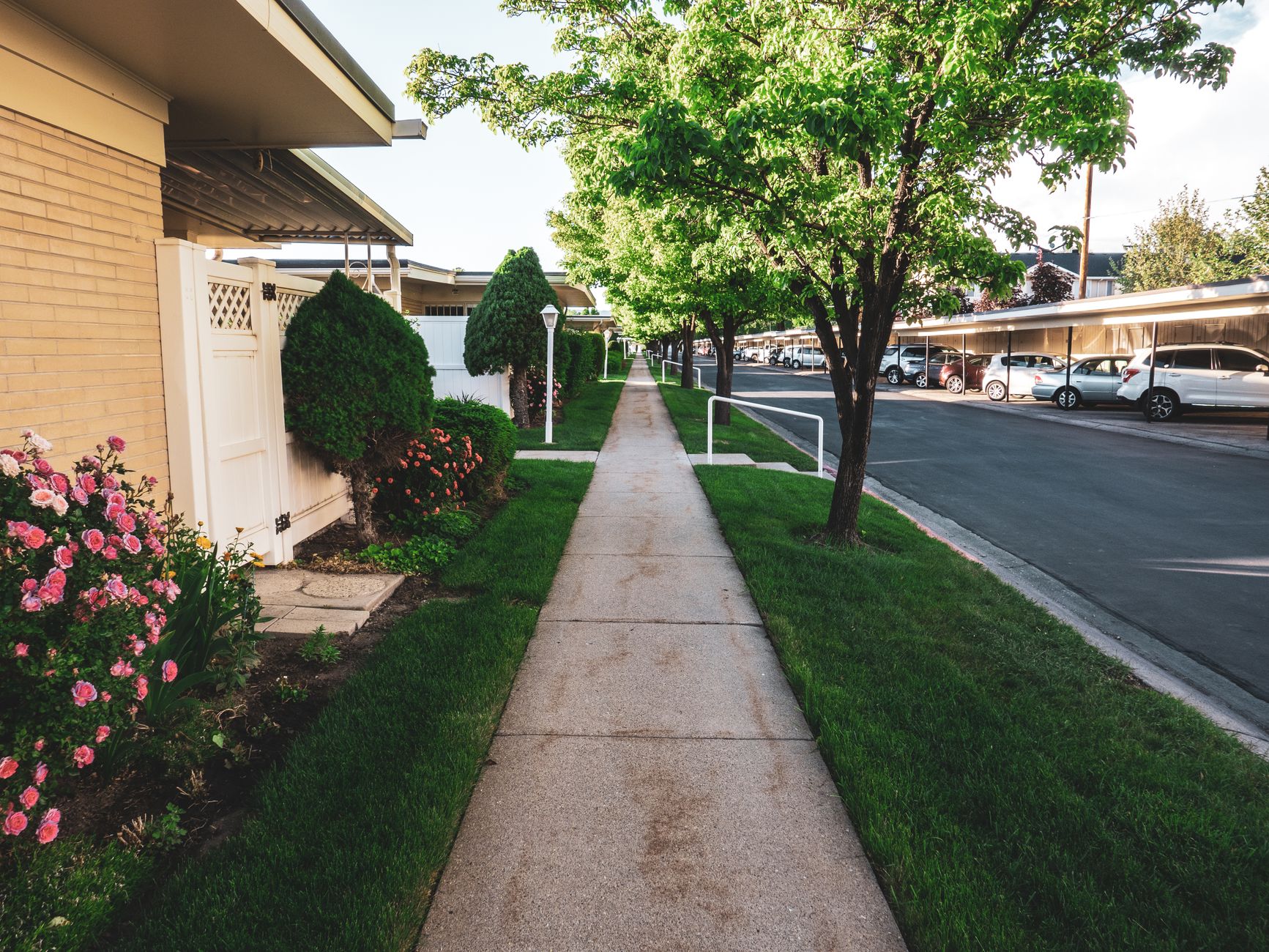
According to SEIA and Wood Mackenzie figures in the 2025 Solar Market Insight year in review, cumulative U.S. community solar reached 10.1 GWdc by the end of 2025 after 1,435 MWdc was installed that year. More distributed sites mean more neighbors who notice noise, glare, and late-night headlights on your gravel lane.
Autonomous patrol robots carry cameras, lights, and two-way audio on a repeatable loop through those rows. They supplement guards and remote monitoring. They do not replace insurance, police, or a human who can open a gate and read a meter.
How is distributed solar security different from a remote equipment yard?
A five-megawatt community array may share a field with drainage ditches, a bike path, and a line of trees that shed leaves onto panels every October. Theft targets copper, tools, and small electronics left in a job box, not only modules.
Vandalism and curiosity visits rise when a site is visible from a sidewalk. Fixed cameras aimed at the gate miss someone cutting fence fabric fifty meters back where the row bends.
Patrol units earn their keep on the long sides of the array where panel tilt creates shifting shadows that confuse naive motion zones. A mapped route names each inverter skid so logs show the same junction box every hour.
Can robots navigate panel rows and gravel access roads?
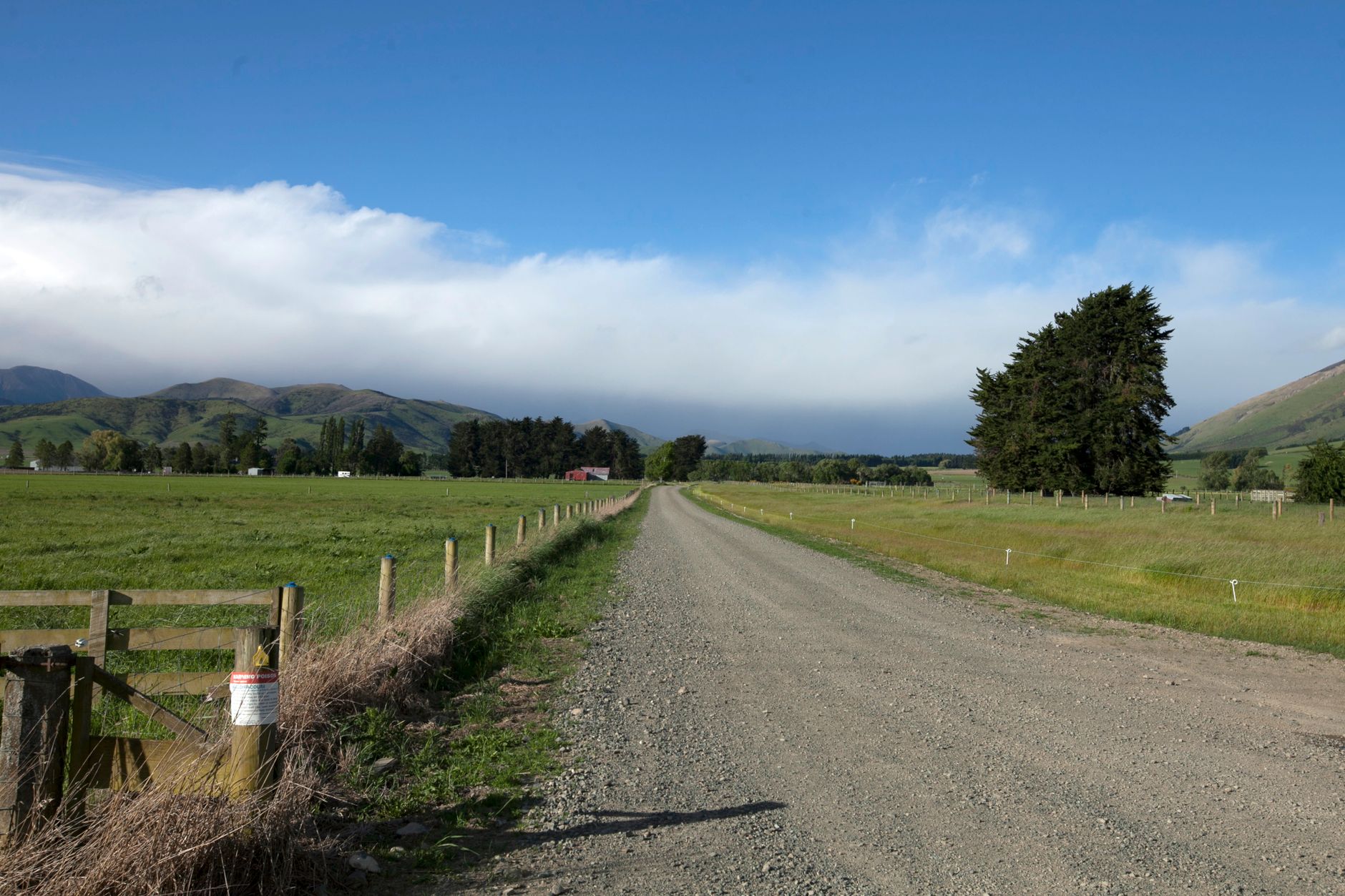
Row spacing on community projects often follows landowner constraints, not a textbook aisle width. Gravel grades soften after rain. A wheeled patrol robot needs ramp traction testing on your actual roads, not a showroom tile.
Ground clearance matters where mowers leave clippings and where ruts collect water. Slow the patrol at named checkpoints long enough for a sharp frame, not a blur at walking speed.
Dynamic no-go zones around open trenches, guy wires, and the last few feet before a wetland buffer keep the unit on the documented loop when construction crews move staging piles overnight.
- Main gate and subscriber signage
- Inverter and combiner skid row
- Fence line behind the back row
- Equipment pad and transformer if present
- Parking pull-off used by O and M crews
What do vegetation and wildlife do to patrol routes?
Tall grass between rows can trip wide motion fields. Schedule mowing with patrol logs so you know whether motion was a deer or a crew that forgot to sign in.
Ground-nesting birds and small mammals cross the same paths technicians use at dawn. Seasonal holds in your SOP beat muting every alert for three weeks each spring.
Fall leaf cover changes LiDAR and camera contrast. Re-walk the route after the first hard frost when panels are clean but the ground is slick.

How should weather shape night patrol?
Lightning, ice, and standing water after a storm should trigger a hold in your playbook. Community sites near schools face extra scrutiny when a robot is the only moving object on the field.
Wind moves security tape and temporary fencing. Log gust events with alerts so you tune zones instead of blaming the hardware.
Snow berms from plowing can narrow the lane without anyone updating the map. Yard staff should remap after major O and M visits.
What communications work on a field without fiber to every pole?
Many community arrays backhaul on cellular or private LTE before anyone pulls fiber to the last inverter. Test upload bandwidth at night when the robot streams clips, not only during a sunny site walk.
Dead zones behind a berm or metal shed need a relay or a adjusted route. Wi-Fi alone rarely covers a five-acre loop without repeaters on structures you may not own.
Human verification still wins disputes. A timestamped clip plus gate log beats a pixel change when a neighbor calls about flashlights.
How do you cut false alarms without going blind?
Pair motion with dwell at named stops. Hold at the combiner long enough to see whether a tarp flapped or a person crouched.
Thermal can help on inverter pads but confuses on warm gravel after a hot day. Adjust expectations by season.
Document every alert action in the same system the robot uses. Asset owners and insurers ask for patterns across months, not one dramatic night.
What escalation rules fit a suburban-edge array?
First response is verify, not chase. Open the clip, check the access log, call the listed O and M vendor if a familiar truck is staging late.
Two-way audio works for recorded warnings at the fence. It is not a substitute for police when someone is cutting copper.
Write who gets SMS, who drives in, and when county dispatch receives a plate plus direction of travel. Community solar hosts often lack a 24-hour guard booth.
What does a pilot month prove?
Run one loop on the array with the longest fence line or the worst mud season history. Track completed laps, charge cycles, false alarms, and exported clips.
Security patrol robot rental monthly or lease paths with maintenance included let you learn gravel and comms without capital on day one. Convert after the loop is boringly reliable.
Try-before-you-buy pilots fail when nobody reviews alerts. Assign a human owner even if the robot is alone on the field.
Where does Service Robot Co. fit?
Service Robot Co. acts as a vendor-neutral integrator: select patrol hardware, finance it, map the site, train O and M partners, and dispatch field help through a nationwide network of regional service engineers when a wheel fails mid-season.
A free site assessment should walk the array at dusk and after the first mow of spring. Note glare off panels, drainage cuts, and gate cable runs no as-built shows.
One partner one number matters when the developer, the subscriber manager, and the landowner each ask different questions the week a state incentive deadline fills every access road.