Key takeaways
- Dealer and rental store yards rank among the top theft targets for heavy equipment during holiday weekends.
- Changing row layouts need mapped patrol loops, not one static camera aimed at yesterday's aisle.
- Outdoor patrol hardware must handle gravel, salt, and rain without treating the yard like an office carpet.
- Tag and plate reads at the gate pair with robot video to verify alarms before you wake the manager.
- A vendor-neutral integrator can pilot one loop with maintenance included before you cover every row.
Why are rental depots harder to secure than a warehouse?
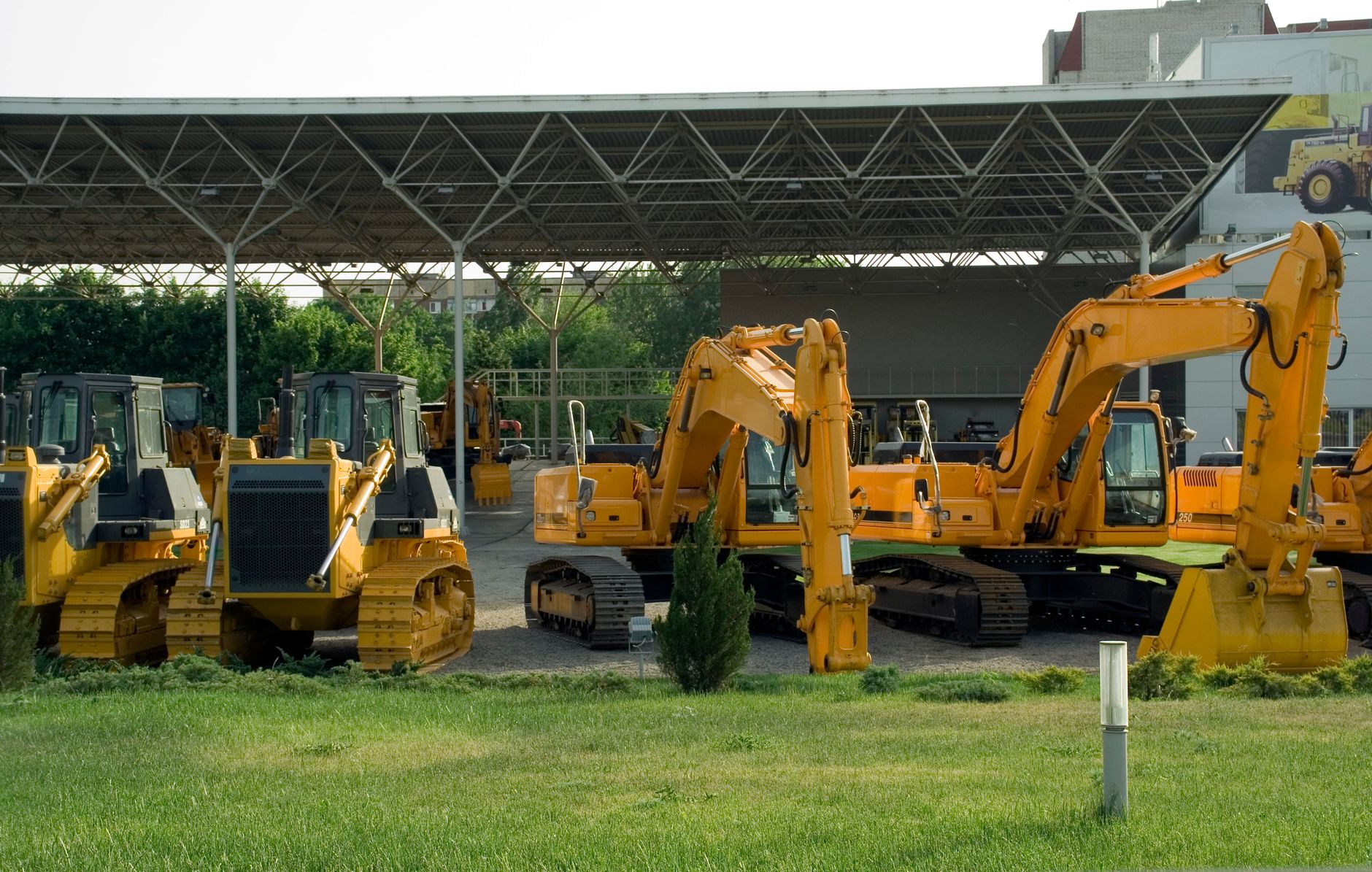
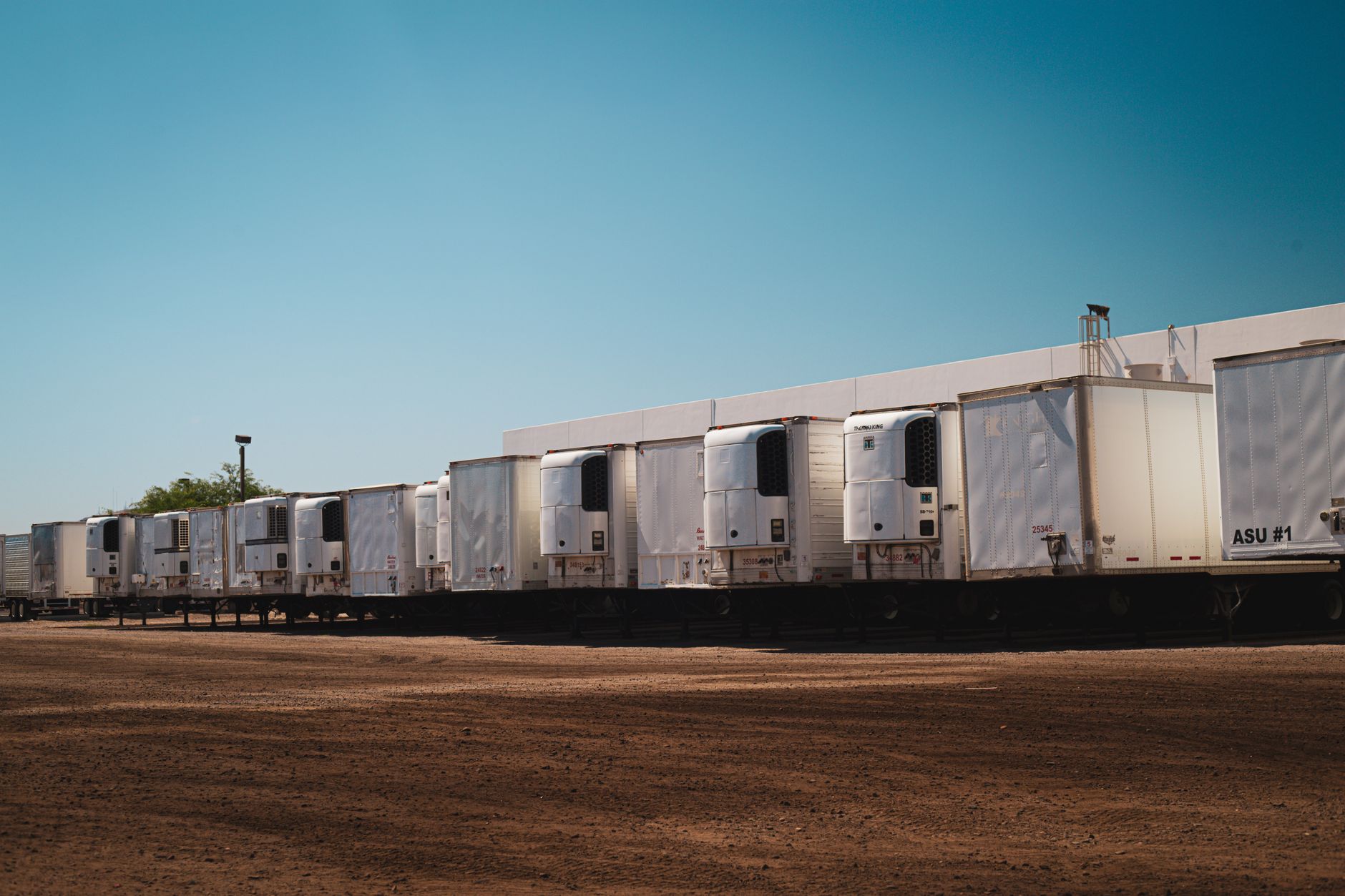
An equipment rental depot is an outdoor inventory floor that reshapes itself every morning. Skid steers move rows, generators sit on new pads, and trailers stage near the gate for dawn pickups. Fixed cameras aimed at last week's layout miss the blind spot behind tonight's light tower stack.
National Equipment Register holiday trend reporting for 2025 notes that dealer and rental store locations are among the most common targets for machine thefts, followed by jobsites. That pattern matches what yard managers see after long weekends when gates stay closed but foot traffic still finds a way in.
Autonomous patrol robots carry cameras, lights, and two-way audio on a repeatable loop. They are not a substitute for insurance, police, or a live guard. They give you timestamped eyes between human tours when the lot is quiet and the inventory mix has changed.
What should an after-hours patrol route cover?
Start at the gate and checkout lane where plates and rental tags should match your system. Sweep the lift row where keys left in a box invite trouble. Include the generator pad, the trailer tongue line, and the tool cage door that everyone swears they locked.
Name each stop as a checkpoint with enough dwell time for a full look around a machine, not a drive-by blur. Patrol robots earn trust when the same serial placard and wheel chock show up in logs night after night. Random wandering looks good in a demo and weak when you pull clips for law enforcement.
Mark geofences around open trenches, wash pits, and the last few feet before a drop-off at the berm. Dynamic no-go zones matter when a customer returns a unit after hours and parks it in a lane you cleared yesterday.
- Main gate, keypad, and exit lane
- Skid steer and compact loader row
- Trailer staging and tongue-lock line
- Generator and light tower pad
- Tool and attachment cage
- Fuel or propane skid if on site
How does changing inventory break camera-only security?
Rental utilization charts change faster than IT can repoint a fixed camera. A boom lift returned at dusk can block the view that watched your compact track line all week. Mobile patrol fills the gap because the route visits the row, not a lens that never moved.
Tag recognition and plate reads at low speed work best when lighting is even and the robot approaches head-on. Pair on-robot video with your gate log so an alert shows both the clip and the contract record. Alarm verification should answer whether motion is a windblown tarp or someone coupling a trailer they did not rent.
Analysis of 2025 FBI NIBRS reporting compiled in industry reviews counted 17,403 thefts of heavy construction or industrial equipment with about 336 million dollars in reported value. Each incident averaged near nineteen thousand dollars in reported loss. Those figures explain why one verified clip at the gate can be worth more than a dozen ignored motion texts.
Can patrol robots survive gravel yards and winter salt?
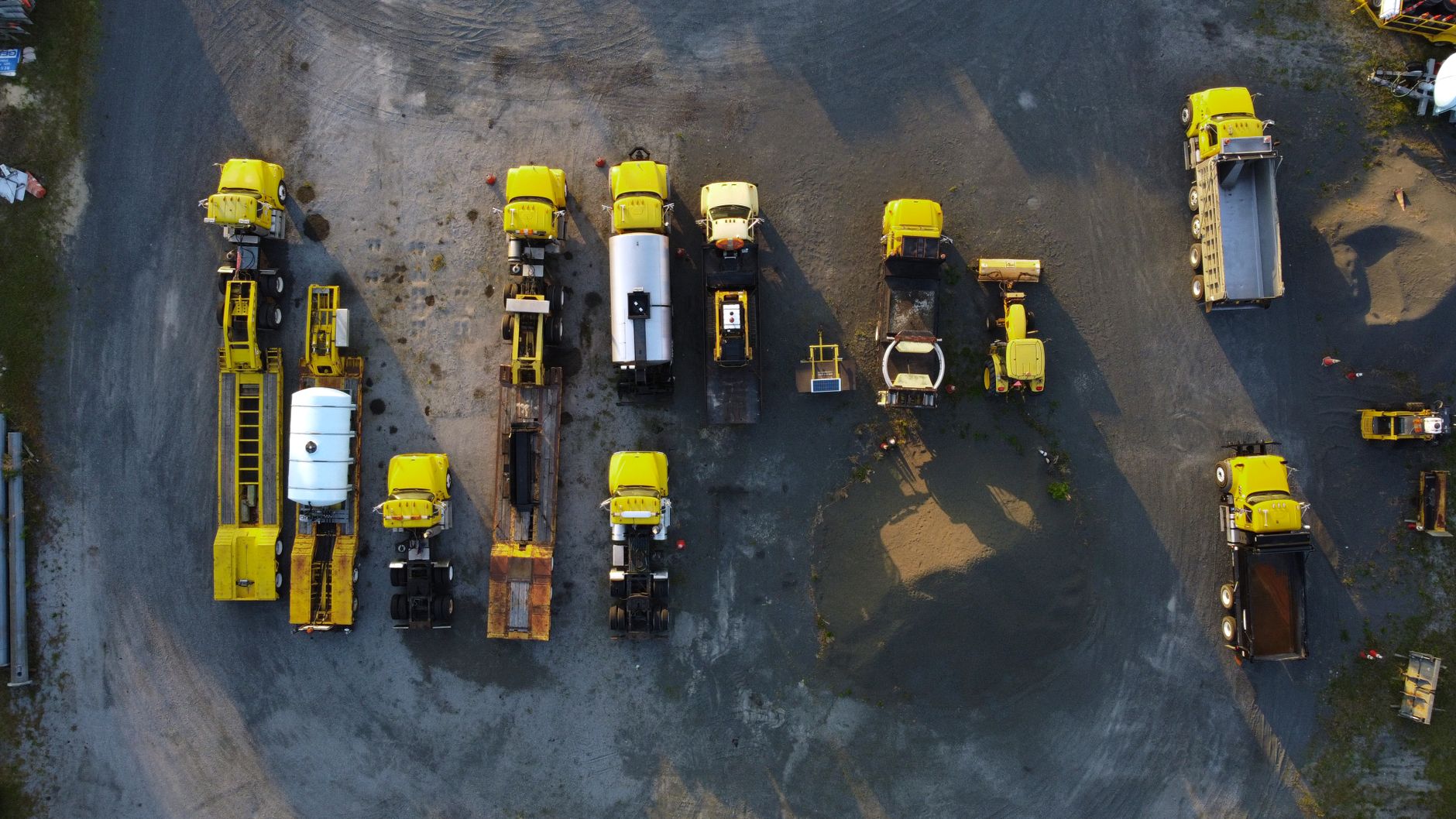
Outdoor rental yards mix packed gravel, oil spots, and ice near the wash bay. Ingress protection and tread compound matter more here than in a finished warehouse. Ramp traction testing on your actual lanes beats a spec sheet from a carpeted showroom.
Salt from customer trucks and municipal plows attacks connectors if seals are weak. Plan maintenance included in a security patrol robot rental or lease so wheel bearings and camera housings get serviced before spring mud season. Spare tires or loaner units keep the loop running when a puncture would otherwise silence the yard for a week.
Wind pushes debris into corners where trespassers crouch. Tune motion zones away from flapping shrink wrap on idle units so your team still answers the alert that matters.
How do patrol robots tie into gates and access control?
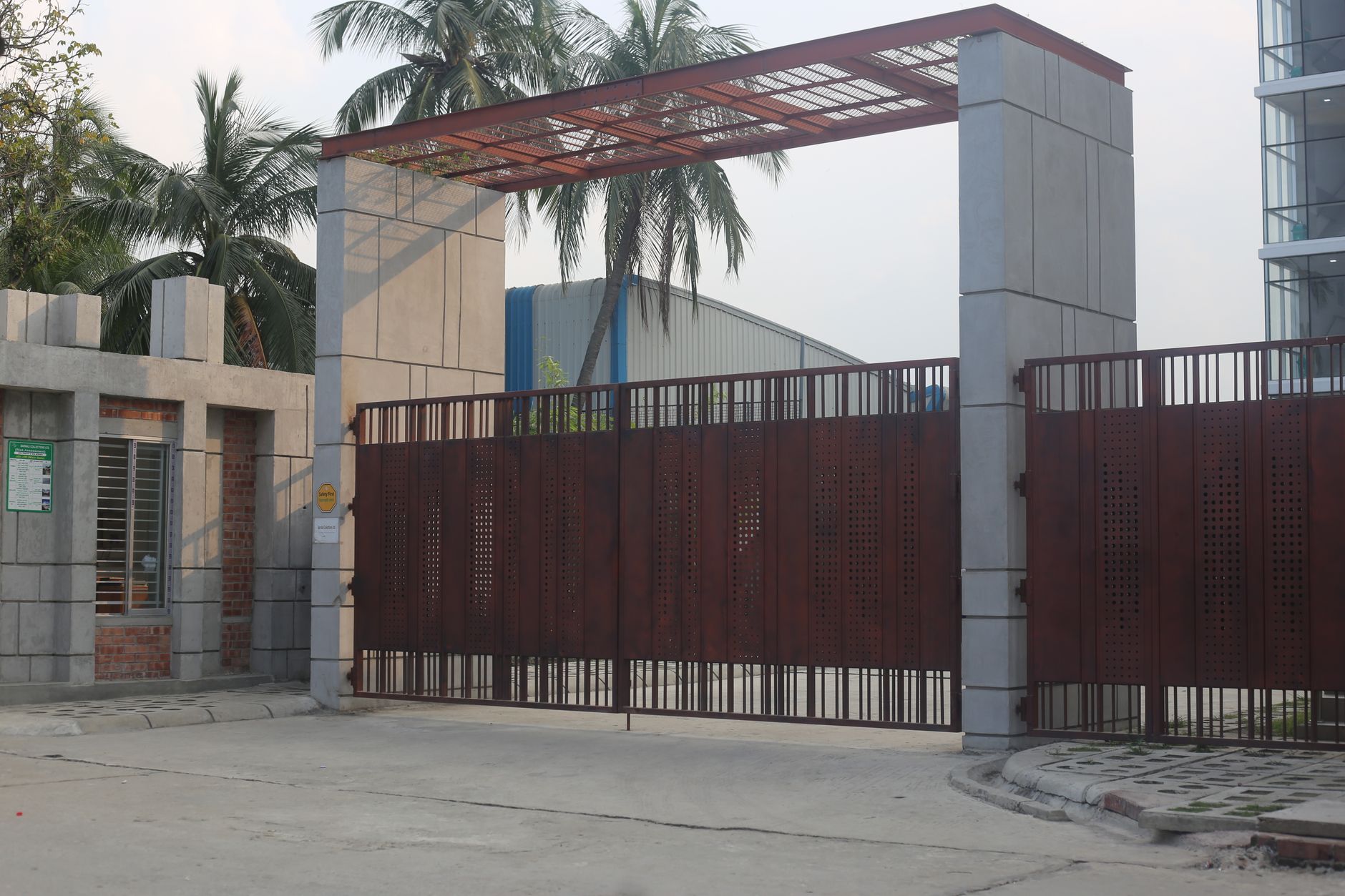
Integration starts with a simple rule: the robot documents what the gate allowed. If your access control says no entries after 9 p.m., a person on foot inside the lift row should trigger escalation, not a shrug. APIs vary by gate vendor, so map the handshake in a pilot before you promise real-time arm drops.
Two-way audio works for recorded warnings at the gate, not for debating contract terms with a stranger. Escalation belongs in writing: who gets the SMS, who drives in, and when police get a plate and a clip instead of a hunch.
Human-in-the-loop remote operators can triage from home, but the branch manager still knows which customer pickups are legitimate at 5 a.m. Marine-style comms discipline applies on land: name a phone tree, not only an app.
What is the false-alarm cost on a rental lot?
False alarms train managers to ignore their phones. A flagging banner, a raccoon, or headlights from the highway can look like motion if zones are sloppy. The cost of false alarms in robotic security patrols shows up the night a real theft happens and nobody opens the alert.
Log weather and wind each night so you can tune zones after the first storm. Compare verified human responses to total alerts in the first ninety days. Flat metrics with rising shrink mean the route or camera aim is wrong.
Insurers and auditors ask whether patrols were documented. Timestamped laps beat a sign-in sheet that nobody filled out because the branch was short staffed.
When does a pilot beat buying a fleet for every branch?
Run one loop on the branch with the worst shrink or the longest walk from the office to the back row. Prove charge cycles, gate integration, and clip export before you clone the playbook. Phased deployment fits rental because utilization peaks differ by season and by market.
Holiday weekends remain high risk in NER trend reporting across Memorial Day, Labor Day, and Thanksgiving windows. Staff the pilot so someone reviews alerts when those calendars hit, even if the robot is the only body on the lot.
Try-before-you-buy pilot programs with robot rental monthly terms let you learn row quirks without capital on day one. Convert to lease with maintenance included once the loop is boringly reliable.
Where does Service Robot Co. fit a depot rollout?
Service Robot Co. acts as a vendor-neutral integrator: pick patrol hardware, finance with robot rental monthly or lease paths, map the yard, train night staff, and dispatch field help through a nationwide network of regional service engineers when a wheel or battery fails.
A free site assessment should walk the lot at close and after your busiest return hour. Note gravel grades, lighting gaps, and gate cable runs no diagram shows. Turnkey robot deployment with go live support keeps the unit on the documented loop instead of parked in the service bay after the first freeze.
One partner one number matters when operations, risk, and IT each ask different questions the week before a regional promotion fills every row. Security patrol robot rental with emergency response nationwide is only real if spares and escalation are written, not implied.