Key takeaways
- NER holiday snapshots show multi-million-dollar equipment theft losses when yards sit quiet over long weekends.
- Landscape yards mix trailers, mowers, and fuel that move daily, so mobile patrol beats a fixed camera on yesterday’s row.
- Gravel and mud season demand traction tests and weather pause rules before you widen the route.
- License plates and serial records still matter; robots supply timestamps and wide context for gate and fence events.
- Security patrol robot rental monthly paths let you prove one depot loop before you cover every satellite yard.
Why do landscape yards need patrol beyond a gate camera?
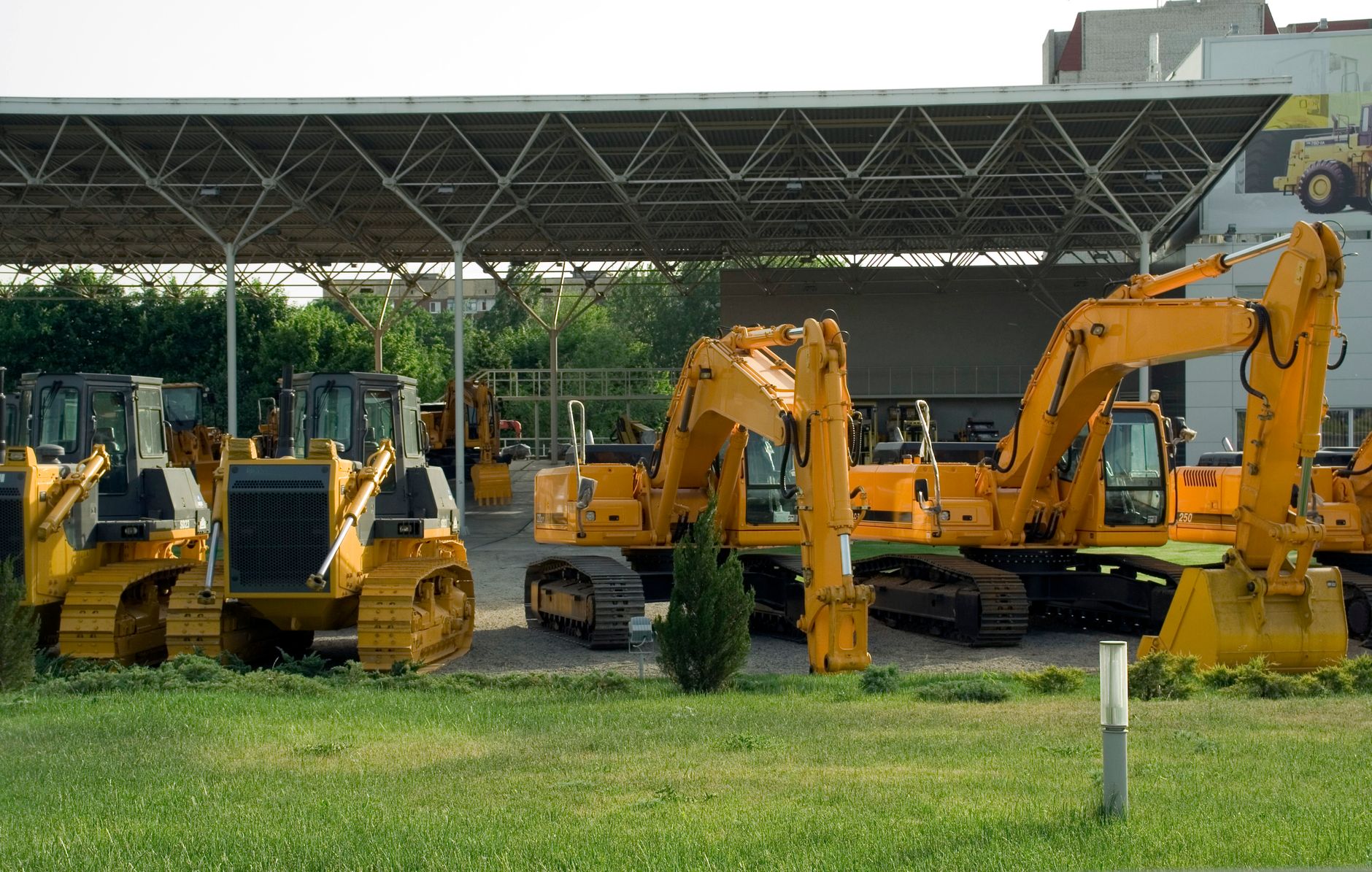
A landscape contractor yard stages loaded trailers, zero-turn mowers, skid steers, and palletized mulch where rigs park differently every night. A camera on the office door sees the entrance, not the back fence where someone cuts mesh after a crew leaves.
National Equipment Register Labor Day 2024 reporting tracked more than 5.8 million dollars in reported theft losses in the holiday window, with skid steers and commercial mowers among common targets. Contractor yards and worksites appear often in those snapshots.
Autonomous patrol robots carry cameras, lights, and two-way audio on a mapped loop through those rows. They supplement guards and remote monitoring. They do not replace police, insurance, or a foreman who knows which trailer should be hooked to which truck.
How is a landscape depot different from a retail lot?
Fuel cans, fertilizer bags, and hand tools sit beside six-figure machines. Thieves want whole trailers, not only a blower in the bed.
The National Association of Landscape Professionals has cited low recovery rates for stolen heavy equipment because serial tracking differs from passenger vehicles. Good yard records and video timelines still shorten the call to law enforcement.
Holiday weekends bring spikes when crews are off but machines stay staged for Monday snow or Monday mow routes. Elevate patrol and human checks those nights even if the robot runs every evening.

Where should checkpoints sit on a contractor yard?

Start at the gate and fuel island. Sweep the trailer row, the mower line, the skid steer pad, and the material stack. Include the shop bay doors and the rear fence.
Name each stop and dwell long enough to read a placard, not a blur at fifteen miles per hour. Dynamic no-go zones around open pits and wash racks keep the unit on the documented path when a dump truck blocks the lane.
Alarm verification should answer whether motion is a tarp, a deer, or someone rolling a mower they did not sign out.
- Gate and keypad entry
- Trailer tongue line
- Commercial mower row
- Skid steer and loader pad
- Mulch and paver stacks
- Rear fence and fuel cage
Can robots handle gravel, mud, and changing vehicle positions?
Spring mud softens lanes after rain. Ramp traction testing on your actual gravel beats any indoor demo.
A rig parked across your usual path overnight should trigger a remap flag, not a silent failure. Log when foremen stage wide loads for early departures.
Winter salt and sand from plow trucks change stopping distance. Adjust speed after the first freeze.
What theft patterns hit landscape yards after close?
Loaded trailers taken as a unit remain a common loss mode. Opportunistic crews also target handheld tools when shop doors are propped.
NER trend materials urge operators not to leave machines on deserted yards over holidays and to walk fence lines for partial cuts. Patrol logs that show the same trailer hitch every hour support those audits.
Fuel theft shows up as missing cans and siphoned tanks. Pair robot checkpoints with a simple inventory sign-out for small assets.
How should license-plate and serial policies fit patrol?
Cameras earn their keep at the gate where plates should match your dispatch board. Hold long enough for a readable frame at night, not only at noon.
Serial numbers belong in your ERP or binder before theft, not after. Export robot clips with gate time when a unknown truck idles at the curb.
Geofence alerts on high-value units complement patrol, but two data sources beat one pixel change when you call the owner at home.
What response times should night staff target?
First response is verify on video within minutes, not chase across town. Open the clip, check the gate log, call the on-call foreman if a familiar crew truck is staging late.
False alarms from wind-blown tarps drop when you tune zones after storms instead of muting the whole yard.
Document every alert action in the same system the robot uses. Insurers ask for patterns across the season.
How do lighting and glare affect mower decks on camera?
Polished decks and wet paint flare under sodium lamps. Patrol units with adjustable fill light handle mixed glare better than a single mount on the shop corner.
Test exposure on a wet row before you sign off on the route. Slow patrol at fuel islands so shutters catch detail without smear.
What does a pilot month prove?
Run one loop on the yard with the worst shrink or the muddiest lane. Track completed laps, false alarms, charge cycles, and exported clips through a holiday weekend.
Security patrol robot rental monthly or lease paths with maintenance included let you learn gravel grades without capital on day one.
Pilots fail when nobody reviews alerts. Assign a human owner even if the robot is alone on the depot.
Where does Service Robot Co. fit?
Service Robot Co. acts as a vendor-neutral integrator: select patrol hardware, finance it, map the yard, train foremen on escalation, and dispatch field help through a nationwide network of regional service engineers when a wheel fails mid-season.
A free site assessment should walk the yard at close on a heavy dispatch day and again after rain. Note glare on decks, drainage cuts, and gate cable runs no blueprint shows.
One partner one number matters when operations, insurance, and IT each ask different questions the week you add a second satellite yard.