Key takeaways
- Marinas and dry-stack yards need moving eyes after staff leave, not just more fixed cameras on the same poles.
- Patrol robots earn their place on long fence lines, ramp lanes, and seasonal rows where blind corners stay dark.
- Weather, salt air, and loose gravel change traction and sensor performance, so routes must be mapped for real surfaces.
- Clear alert rules and on-call handoff matter more than hardware specs when theft windows are short.
- A vendor-neutral integrator can buy or lease the right patrol unit, deploy it, and back it with RoboCare service.
Do marinas really need patrol robots after hours?
Yes, when your risk sits in the gaps between fixed cameras and the next human drive-through. Marinas, dry-stack facilities, and fenced storage yards share long perimeters, deep shadows on ramps, and rows of boats or trailers that hide movement until someone is already inside the fence.
Fixed cameras help, but they stare at the same angle every night. A mobile patrol robot carries cameras, lights, and two-way audio on a repeating route, so you get fresh looks down finger piers, along the back fence, and behind the service building where wiring a new pole is painful.
The National Insurance Crime Bureau reported that about 59,000 recreational vehicles, including watercraft, were stolen in the United States in 2025, and roughly 63 percent of those stolen units were never recovered. Fast discovery and reporting still drive recovery odds, which is exactly what after-hours patrol is meant to improve.
Where do blind spots show up first?
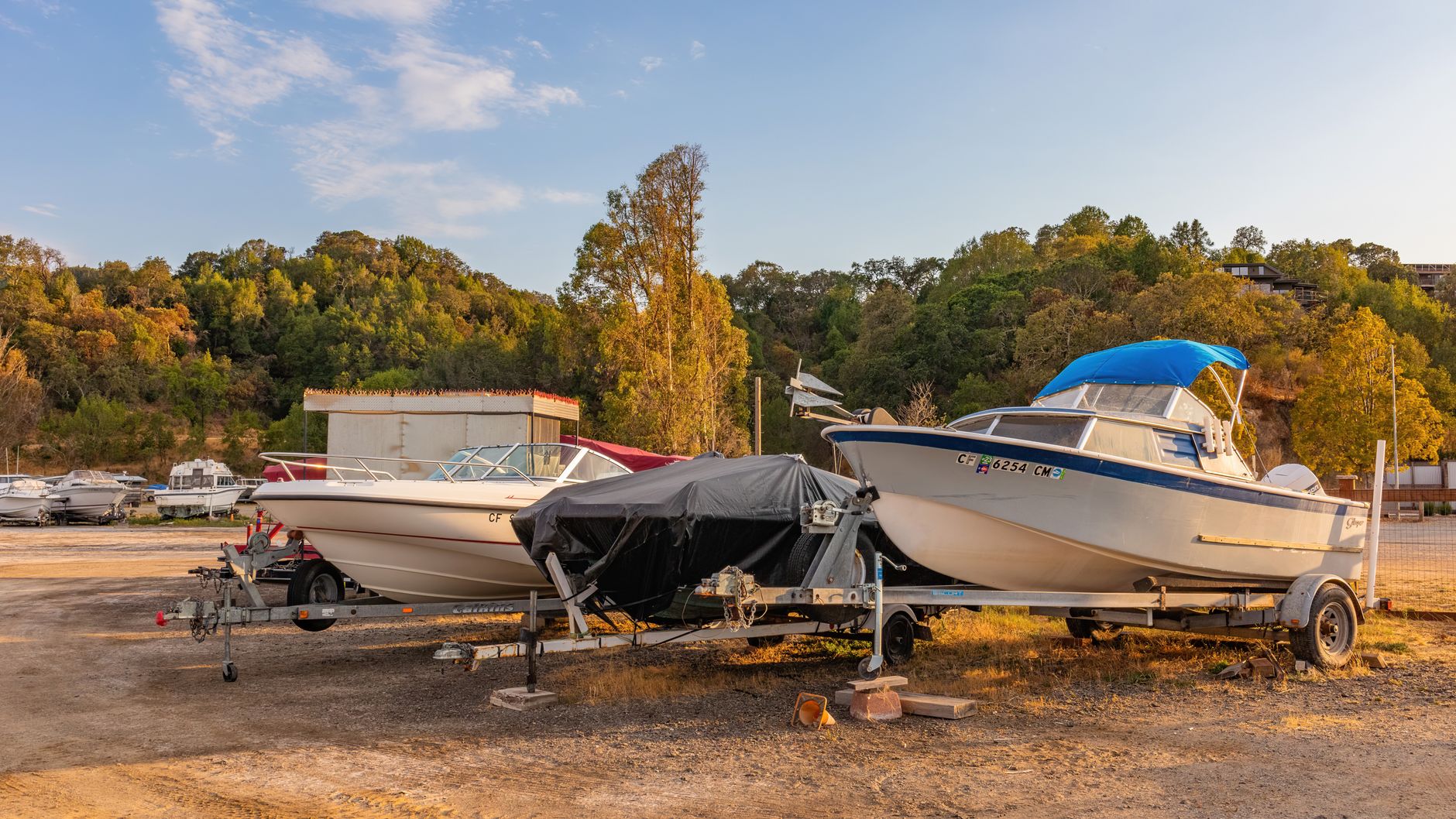
Start with the places your manager already walks with a flashlight: the gate lane after the arm drops, the transition from asphalt to floating docks, the gravel row where winterized boats sit on trailers, and the back corner by the pump-out station.
Dry-stack racks add vertical blind spots. A ground camera may see the aisle mouth but not activity three levels up where outboards and electronics disappear in minutes. A patrol robot cannot climb racks, but it can pause at each bay entrance on a schedule so your monitoring team sees change over time.
Seasonal vacancy makes patterns worse. When half the slips are empty, fewer neighbors notice a prowler, and winter storage concentrates high-value motors in one quiet yard. Police in northern Europe have noted that thefts from boat storage facilities often rise when marinas close for the cold season and fewer people are on site.
What should a patrol route cover?
Think in loops, not random wandering. A solid first loop hits the main gate, the office frontage, each pier throat, the fuel dock, the trailer yard, and the maintenance shop doors. Add a second slower loop through interior rows if you store boats on land.
Mark pause points where a human guard would stop and listen: keypad entries, keypad exits, dumpster pads, and shared bathhouse doors. The robot should dwell long enough for a remote operator or on-call manager to open a live view without rushing.
Keep humans in the escalation path. The robot's job is to detect, document, and deter. Your playbook should say who gets the alert, who can speak through the robot, and when you call local law enforcement. Documenting time-stamped video along the route also helps when you report a theft quickly, which insurers and police both care about.
- Gate and keypad approaches at open and close times
- Each pier throat and the fuel dock perimeter
- Dry-stack aisle entrances on a fixed dwell schedule
- Trailer rows and the maintenance shop overhead doors
How do weather and waterfront conditions affect robots?
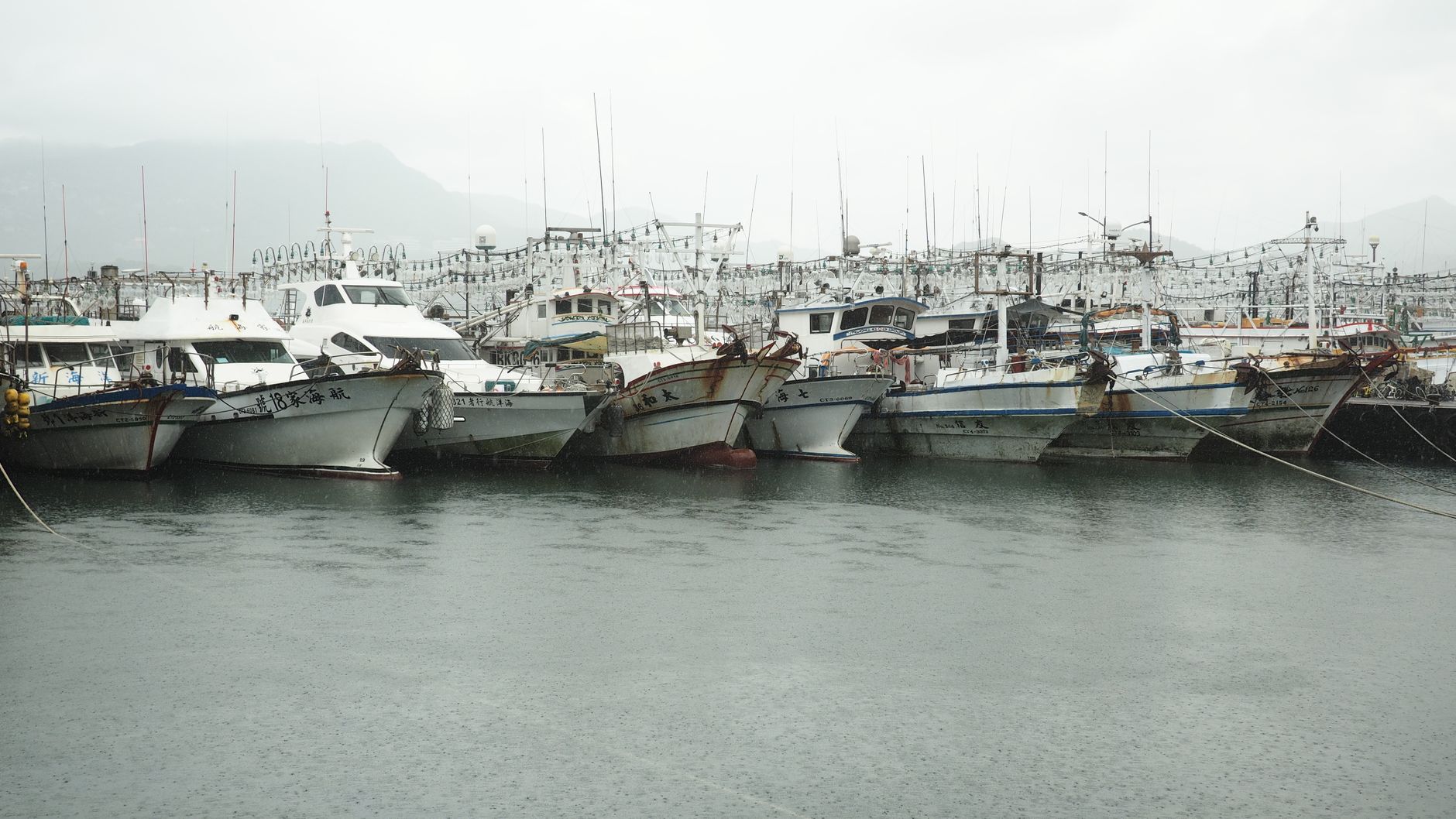
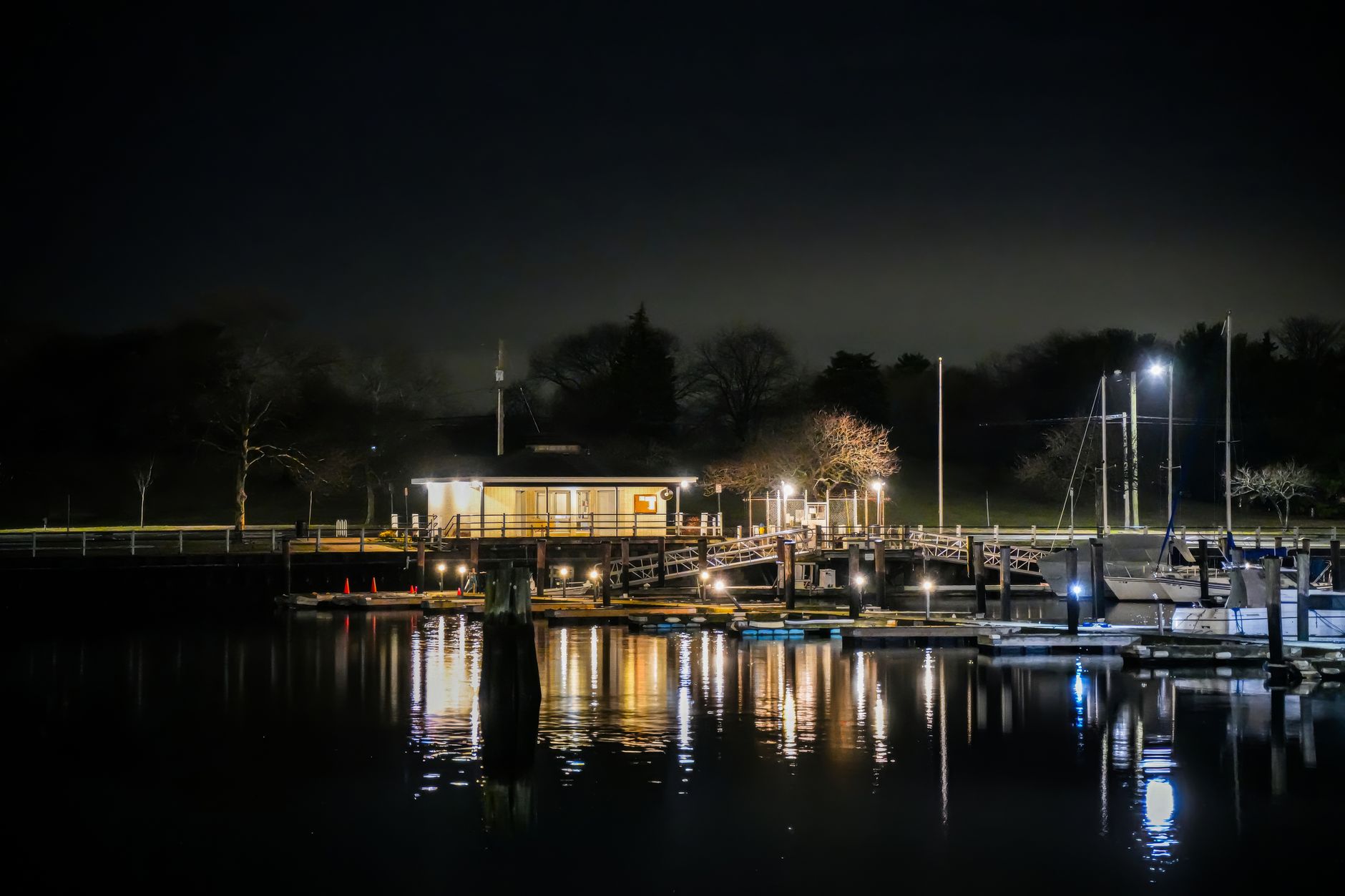
Salt air, morning fog, and summer storms are normal at waterfront sites. Wheels and drivetrains need surfaces that match your site: sealed asphalt, broom-finished concrete, and compacted gravel behave very differently after rain.
Wind matters on exposed piers. A light patrol unit may need slower speed settings or rerouted segments on high-wind nights so it stays stable and keeps cameras steady. Map those constraints during site assessment instead of discovering them during the first nor'easter.
Lighting is part of the environment. Sodium lamps, LED retrofits, and dark sky policies change what cameras see. Program patrol times after your yard lights switch to night mode so training reflects real contrast, not a midday demo.
How do patrol robots compare with guards and cameras alone?
Cameras record. Guards interpret. A patrol robot bridges the two at a lower cost than a 24-hour guard post for many mid-sized yards, but it does not replace a person for every scenario.
Guards still win for hands-on confrontations, unlocking gates for emergency crews, and irregular tasks. Robots win on predictable, repetitive perimeter mileage at 2 a.m. when a guard would be driving the same loop half asleep.
Many operators blend layers: existing cameras, improved lighting, a patrol robot on the long loops, and a contracted guard on busy holiday weekends. The ordering depends on where you have already invested and where theft actually happened in the past two seasons.
What does deployment look like on a real yard?
Site assessment starts with a walk alongside your dockmaster or yard manager. You mark charger location, Wi-Fi or cellular dead zones, speed limits near pedestrians, and no-go zones such as wooden docks rated for foot traffic only.
Mapping usually takes a few shifts. The integrator runs teach routes, tests dwell points, and tunes alerts so swaying flags or rippling water do not spam your inbox. Training covers how staff pause a route when a late customer is still rigging at the slip.
Service Robot Co. stays vendor neutral on hardware, then handles financing as a buy or lease, installation, staff training, and RoboCare service through regional engineers. One partner carries the lifecycle so you are not juggling a robot OEM, a separate alarm company, and a local IT shop for the same yard.
What should you ask before you buy or lease?
Ask how alerts reach your team: mobile app, central station, or VMS integration. Ask what video retention you get and whether clips export easily for police reports.
Ask about battery swap versus autonomous charging, and how many loops a shift covers on your actual acreage. Ask how the unit behaves on wet ramps and whether firmware updates ship overnight.
Ask who services the robot locally and how fast you get a loaner if a drive wheel fails on a holiday weekend. Patrol coverage is only credible if the machine is up often enough that thieves learn the route is real.
When is the investment clearly worth it?
The math gets simple when you already pay for guard drive-bys that miss the back fence, or when insurance has asked for better after-hours documentation. It also lands when you store customer boats worth six figures in one quiet row.
If theft has been limited to opportunistic cooler grabs, a robot may be overkill. If motors, electronics, or trailers walk out of the same unmonitored corner twice in a season, mobile patrol usually pays for itself faster than another pole camera that still cannot turn the corner.
Run a pilot on one loop through the highest-risk segment. Measure alert quality for two weeks, review false triggers, and confirm your on-call team will actually answer night notifications before you expand routes across the whole property.