Key takeaways
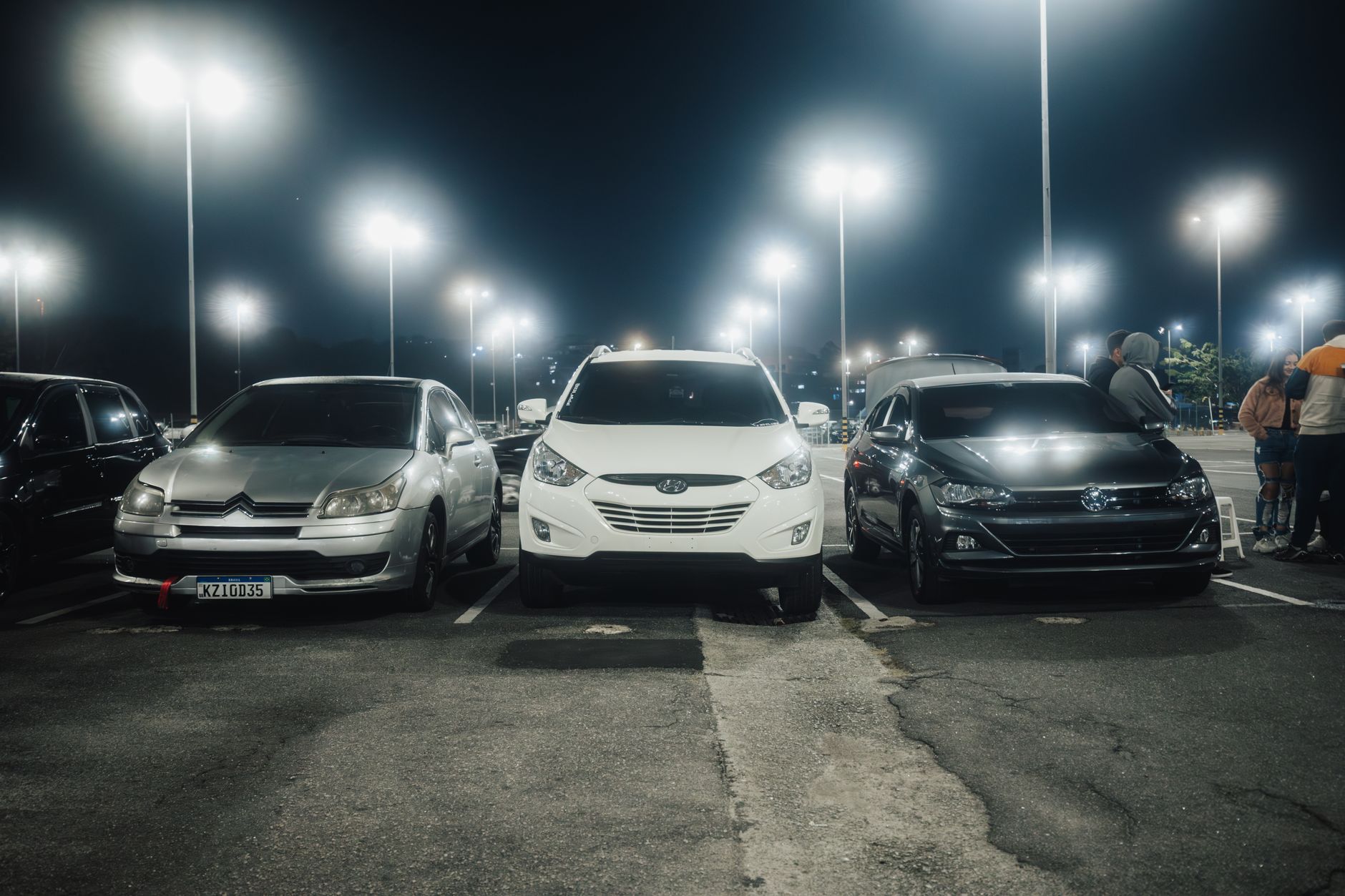
- FBI NIBRS data ranks parking lots third among motor vehicle theft locations from 2021 through 2023, which matters when guests leave cars for three hour runs.
- EntTelligence counted about 820 million U.S. admissions in 2024, so even a small share of late exits creates repeatable patrol windows worth mapping.
- Peak motor vehicle theft reports cluster from 4 p.m. to 7:59 p.m. in the FBI 2019 to 2023 special report, overlapping dinner shows and first exits.
- A security patrol robot rental or month to month pilot lets you test one lot loop before you staff a second overnight guard.
- Escalation rules should treat vehicle idling at exits differently from foot traffic after credits roll.
Should a multiplex add patrol robots to its parking lot?
Yes, when your risk sits outside the lobby. Movie theaters concentrate people for two hours, then release them in a five minute wave that floods aisles, crosswalks, and dimly lit rows. Meanwhile cars sit unattended in a lot that is often poorly lit at the edges.
The FBI's 2019 to 2023 motor vehicle theft special report shows parking and drop lots ranked third among location types for those incidents nationwide from 2021 through 2023, behind residences and public roads. BJS NIBRS estimates also put motor vehicle theft at 3.31 incidents per 1,000 persons in 2023, up from 2.97 in 2022.
An autonomous patrol robot is mobile eyes on a fixed loop. It does not replace a manager with a radio or local law enforcement. It gives you steady coverage between the last show and the time cleaning crews lock up, when a single guard walking the perimeter misses half the lot.
What changes in the lot during closing and late screenings?
Theater operations split into three noisy phases: the pre show rush, the quiet middle, and the synchronized exit. Patrol planning has to follow that clock, not a generic eight hour security shift.
EntTelligence reported that 90.7 percent of 2025 moviegoers attended during a film's first 30 days of release, with 35.6 percent going in the first three days. That means predictable surges on opening weekends when lot traffic and distracted pedestrians both spike.
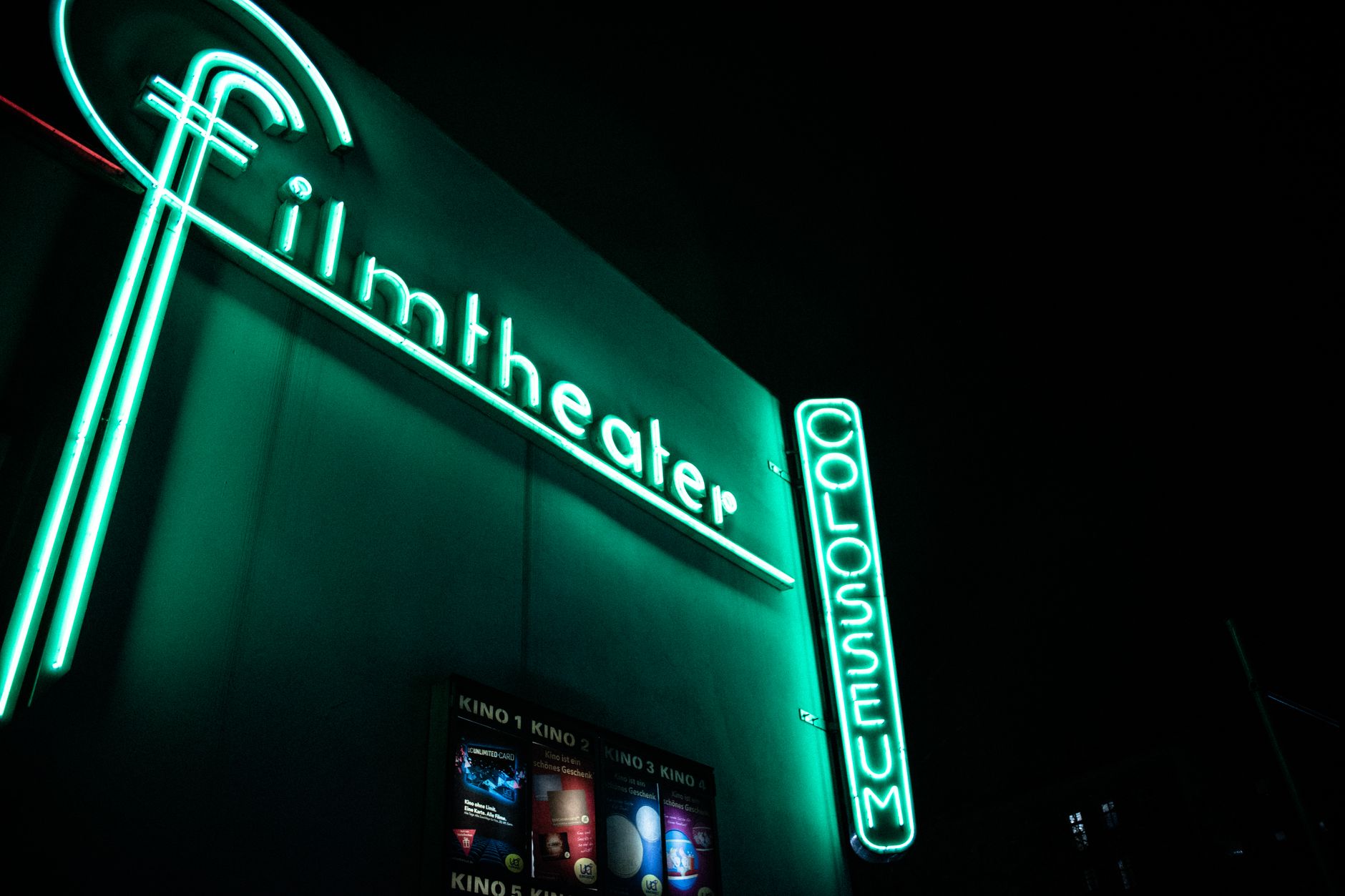
After the final credits, ushers propping doors open create light spill that helps cameras near the entrance but deepens shadows mid lot. Cleaning staff arrive with vans and carts, which look like unauthorized vehicles if your alert rules are sloppy.
How do pedestrian surges after credits affect robot routes?
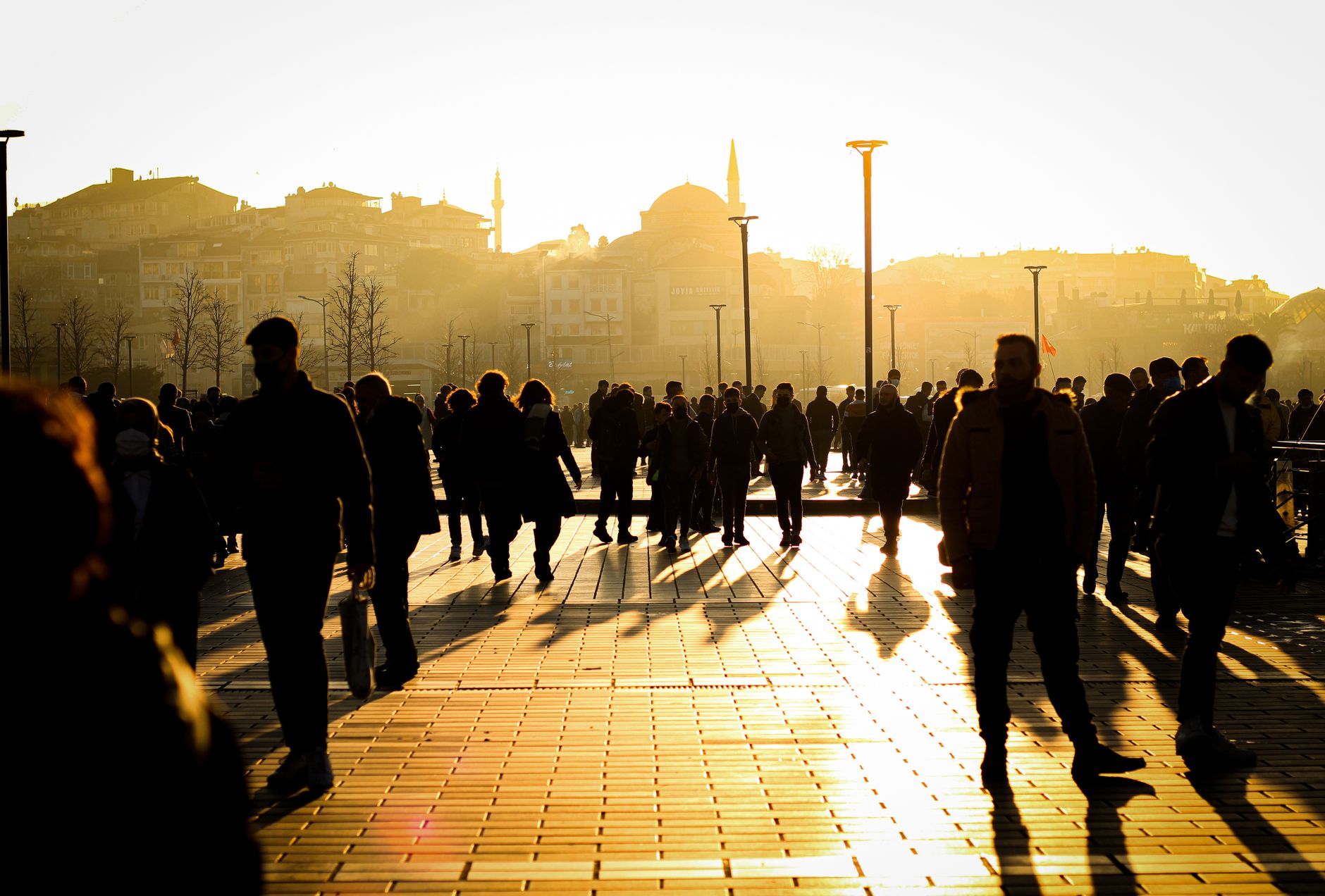
Pedestrians are the hard part. Cars are large and slow in a lot. People cut diagonally across lanes, stop for photos, and cluster at rideshare pickup points that shift night to night.
Program slow speed segments near lobby doors and mark authorized zones where ushers stand. Without that, every group leaving a PG 13 comedy becomes a false alarm.
NATO's 2024 exhibition report noted that 76 percent of Americans aged 12 to 74 saw at least one theatrical movie that year. You do not need every guest to trigger an alert. You need the robot to hold a lane open and record when someone enters a vehicle row without a ticket scan on the way out.
What privacy expectations apply when cameras pass parked cars?
Guests expect privacy inside their cars even in a public lot. Your policy should say what video is stored, for how long, and who can pull a clip after an incident.
Mask license plates in clips shared outside the security office unless law enforcement requests full footage. That single habit reduces complaints when patrons see a robot gliding past their windshield.
Train managers on what the robot cannot do. It should not scan interiors through tinted glass as a gimmick. Focus on perimeter motion, door propping, and vehicle loitering without a corresponding show exit.
How should lighting and weather shape outdoor patrol plans?
Rain lowers traction and smears dome lenses. Heat waves can trigger thermal false positives on hot hoods. Wind moves trash that looks like a crawling intruder until you tune filters seasonally.
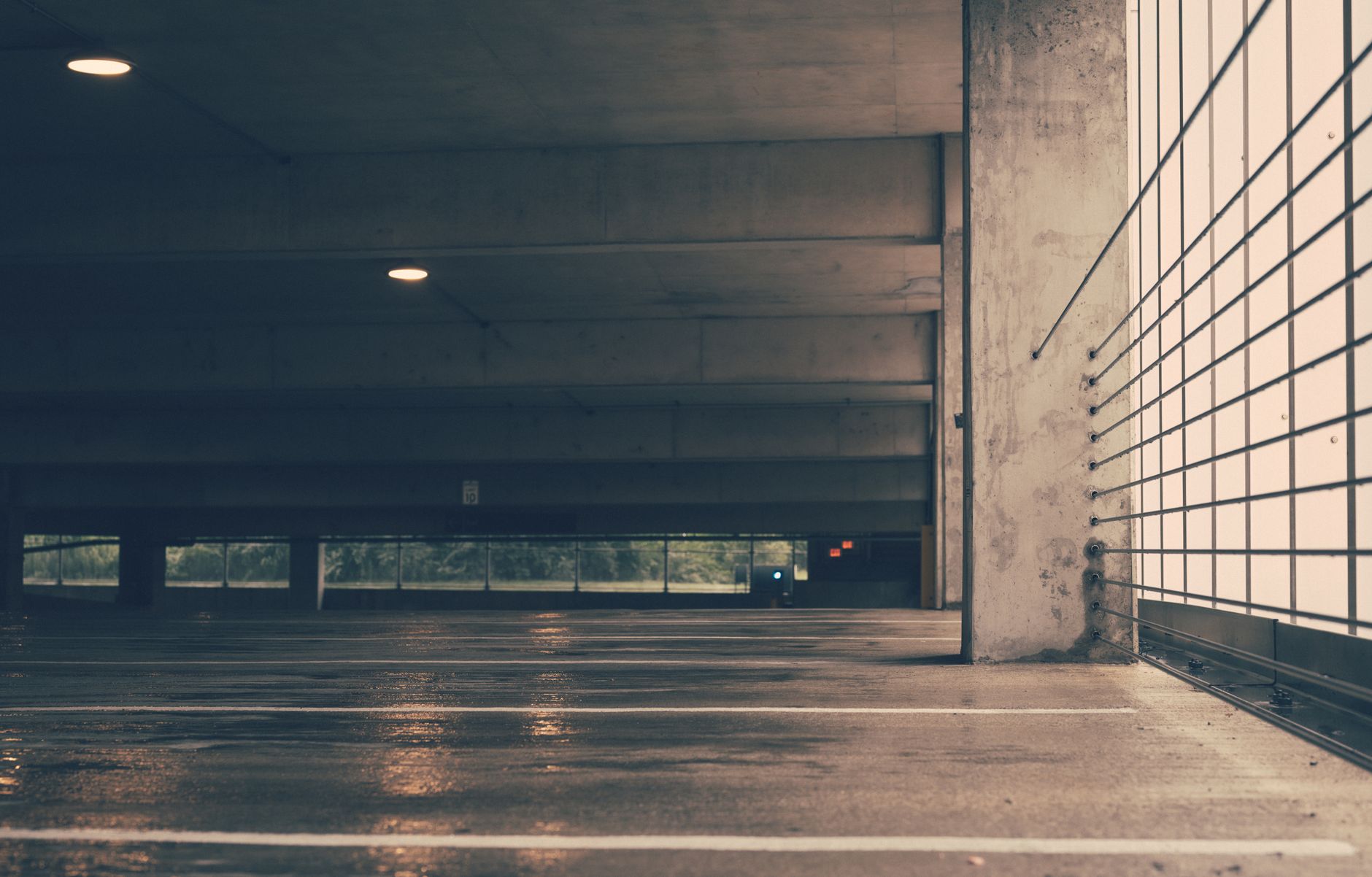
Audit photometric levels at pole bases and back rows, not just under the marquee. A robot's onboard lights help, but they also reflect off wet pavement and confuse exposure settings on the first stormy Friday.
Snow and ice add slip risk for any wheeled unit. Route maps should avoid grades you would not ask a human guard to jog in a blizzard, or you spend more time recovering the robot than patrolling.
How do theater managers coordinate robots with staff radios?
Give the general manager one escalation chart on a laminated sheet. Tier one is wildlife or trash. Tier two is a person in a vehicle row after house lights are up. Tier three is forced entry at a back door.
Ushers should know the robot's call sign and nightly start time. Projectionists and cleaning leads need the same note so nobody assumes a slow moving shape is a prank.
Run a ten minute drill in daylight before the first overnight patrol. Walk the loop with the robot recording while concession staff throw realistic distractions: rolling trash bins, delivery carts, and a parked vendor van that is actually authorized.
When does a patrol robot beat a parked guard SUV?
A guard in an SUV covers one vantage point. A patrol robot repeats a loop every few minutes and carries cameras at pedestrian height, which catches low profile activity between cars.
Labor math still matters. BJS reported property crime at 2,015.2 offenses per 100,000 persons in 2023, and motor vehicle theft was the property category that increased while burglary and larceny fell. Lots attached to entertainment venues see a slice of that risk in break ins and stolen catalytic converters.
Many operators start with a security patrol robot rental on a month to month term for summer blockbusters, then convert to lease or purchase if false alarm rates stay manageable. Service Robot Co. can structure that pilot, map the lot, integrate alerts to your existing radio channel, and maintain the unit through a nationwide network of regional service engineers.
- Pilot one loop covering the highest ticket window and the darkest row.
- Log false alarms by cause for two weeks before expanding coverage.
- Pair the robot with improved pole lighting rather than treating either as a solo fix.
What should emergency calls and law enforcement handoff look like?
The robot's job ends at verified video, location, and time. Your manager decides whether to call 911, walk out with a flashlight, or dismiss a raccoon.
Pre write scripts for common theater incidents: fights spilling into the lot, car break ins in progress, and medical events during a heat wave queue outside.
If your property sits in a mall pad, coordinate with the landlord's central station so two monitoring centers do not page the same police unit for one robot clip.
Frequently asked questions
Sources
- FBI, Motor Vehicle Theft 2019 to 2023 (NIBRS)
- FBI Crime Data Explorer, Motor Vehicle Theft Special Report PDF
- BJS, Crime Known to Law Enforcement 2023
- BJS, NCVS and NIBRS Complementary Picture 2023
- Deadline, 2025 moviegoer attendance (EntTelligence)
- Variety, NATO theatrical moviegoing report 2024
- Variety, 2024 domestic box office admissions