Key takeaways
- Feeding America reports its network provided 5.9 billion meals in fiscal year 2025 across hundreds of food banks and tens of thousands of partners.
- Mobile patrol fills gaps between fixed cameras when pallet rows and trailer doors shift with each delivery wave.
- Cold docks and volunteer Saturdays need slower checkpoints, not one motion field across the whole apron.
- Timestamped clips plus gate logs shorten alarm verification before you wake a lean night crew.
- Security patrol robot rental monthly paths let you prove gravel and ramp traction before you cover every bay.
Why do food bank campuses need patrol beyond dock cameras?
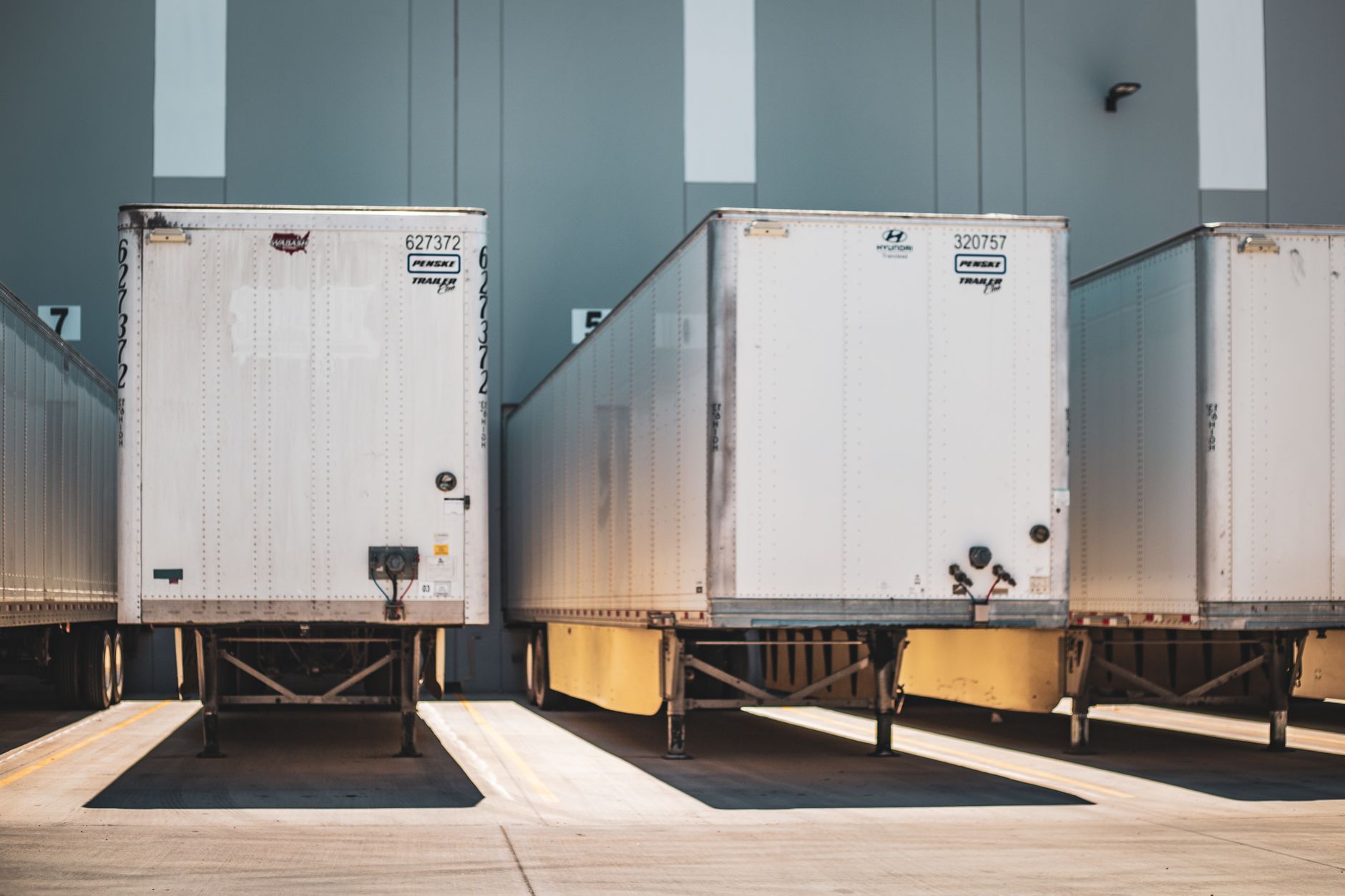
A regional food bank campus mixes refrigerated docks, dry storage aisles, and volunteer pickup lanes on one fenced site. Pallets move hourly when retail donations arrive and agency partners queue for will-call. A camera at the guard shack sees the gate, not the back row where someone walks between trailers after close.
According to Feeding America annual reporting, the network provided 5.9 billion meals in fiscal year 2025 while rescuing billions of pounds of food. That scale means high-value product on the ground even when the mission is charitable.
Autonomous patrol robots carry cameras, lights, and two-way audio on a mapped loop through those rows. They supplement guards and remote monitoring. They do not replace police, insurance, or a human who can open a cooler door for an auditor.
How is a food bank yard different from a standard warehouse?
Volunteer shifts spike on Saturdays while forklifts still stage mixed loads for rural agencies. Donation traffic brings unfamiliar faces near the dock, so your patrol plan must separate authorized volunteer parking from sealed trailer lines.
Feeding America research cited more than 50 million people receiving charitable food assistance at least once in 2023 across the broader sector. Demand surveys in 2025 still show many food banks reporting steady or rising need. Busy yards attract curiosity and opportunistic theft, not only organized crews.
Patrol units earn trust when logs show the same seal number and row marker at named stops night after night. Re-map after a major layout change when dry storage expands into overflow tents.

Where should checkpoints sit on a regional campus?
Start at the gate and visitor check-in. Sweep the refrigerated dock apron and the dry storage roll-up doors. Include the volunteer waiting area, the forklift charging corner, and the fence line behind stacked pallets.
Name each stop and dwell long enough for a sharp frame, not a blur at walking speed. Alarm verification should answer whether motion is a tarp, a raccoon, or someone rolling a pallet jack they did not sign out.
Dynamic no-go zones around open pits, propane cages, and the last few feet before a rail spur keep the unit on the documented loop when a donor truck blocks a lane overnight.
- Main gate and donor check-in
- Refrigerated dock and seal line
- Dry storage high-bay doors
- Volunteer pickup canopy
- Forklift and pallet jack cage
- Rear fence and overflow yard
Can patrol robots handle cold aprons and uneven pavement?
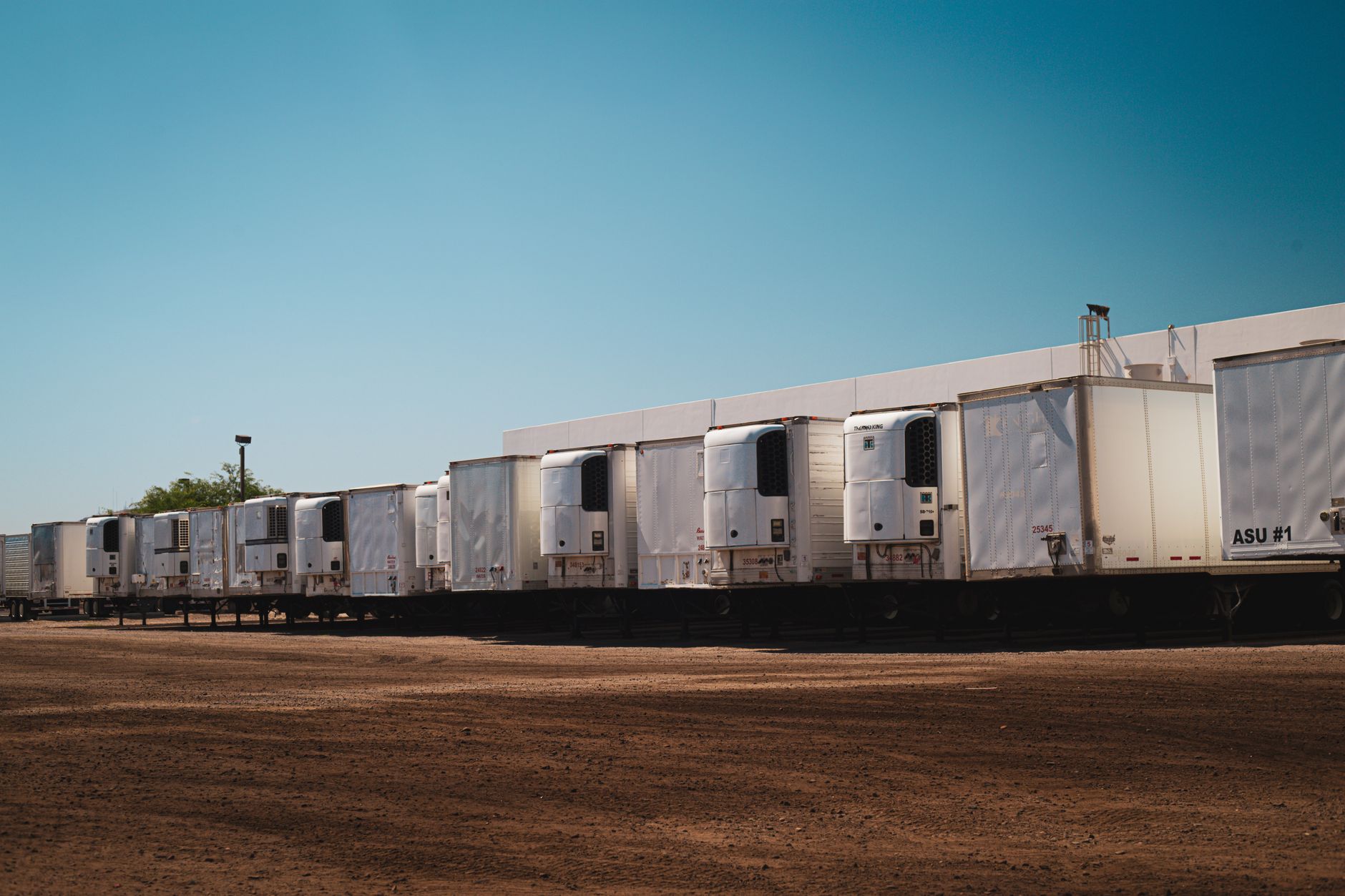
Condensation and salt near cooler doors change traction and camera contrast. Ramp traction testing on your actual apron beats any indoor demo tile.
Winter ice on sloped drives can pause patrol under thresholds you define in writing. Log weather with alerts so you tune zones after the first freeze instead of muting every text.
Ground clearance matters where broken pallet debris collects near the trash compactor. Slow the route after heavy donation days when wood chips litter the lane.
What theft and loss patterns hit food banks after hours?
Thieves target pallets of high-resale product, catalytic-adjacent metals on yard equipment, and anything that loads fast on a box truck. Internal loss still shows up as mis-scanned outbound pallets when nobody walks the cooler row at 2 a.m.
Patrol footage that timestamps the same sealed trailer every hour makes it harder to claim nobody checked the fence line before a shortage call.
Rental fraud is less common than retail lots, but mislabeled agency pickups still need gate logs paired with robot checkpoints.
How do volunteer traffic and events change night patrol?
A Saturday pack-a-thon leaves chairs, cones, and temporary fencing that can trip naive motion fields. Schedule patrol holds after major events, not only after theft calls.
Two-way audio works for recorded warnings at the fence. It is not a substitute for police when someone is hooking a trailer they did not schedule.
Integration starts by logging gate events next to robot checkpoints. If access control shows no entries after 10 p.m., a person in the dry storage row deserves escalation.
What communications work when fiber stops at the office?
Many campuses backhaul on cellular before anyone pulls fiber to the last cooler bank. Test upload bandwidth at night when the robot streams clips, not only during a sunny site walk.
Metal siding and tall rack rows create dead zones. Adjust the route or add a relay before you blame the modem in the guard shack.
Human verification still wins disputes. A timestamped clip plus donor log beats a pixel change when a partner calls about flashlights behind the building.
How should staff handle evidence after an alert?
First response is verify, not chase. Open the clip, check the gate log, call the listed driver if a familiar agency truck is staging late.
Document every alert action in the same system the robot uses. Auditors and insurers ask for patterns across months, not one dramatic night.
Train staff to capture direction of travel, plate if visible, and which bay the motion touched. That packet shortens the call to county dispatch.
What does a pilot month prove on one campus loop?
Run one loop on the yard with the longest fence line or the busiest cooler bank. Track completed laps, charge cycles, false alarms, and exported clips.
Security patrol robot rental monthly or lease paths with maintenance included let you learn apron grades without capital on day one. Convert after the loop is boringly reliable.
Try-before-you-buy pilots fail when nobody reviews alerts. Assign a human owner even if the robot is alone on the campus.
Where does Service Robot Co. fit?
Service Robot Co. acts as a vendor-neutral integrator: select patrol hardware, finance it, map the campus, train night staff and volunteer coordinators on alert etiquette, and dispatch field help through a nationwide network of regional service engineers when a wheel fails mid-season.
A free site assessment should walk the campus at close and after your busiest distribution Saturday. Note glare zones, cooler thresholds, and gate cable runs no as-built shows.
One partner one number matters when operations, risk, and IT each ask different questions the week a statewide promotion fills every dock door.