Key takeaways
- Patrol robots handle trespass, theft, and tampering alerts, not PHMSA-driven equipment inspections.
- Remote compressor yards need stored routes, LTE or satellite backhaul, and clear comms-loss behavior.
- Thermal and motion cues only work when escalation tiers name who responds at night.
- Month-to-month security patrol robot rental lets operators pilot one station before fleet rollout.
Why put patrol robots at remote compressor stations?
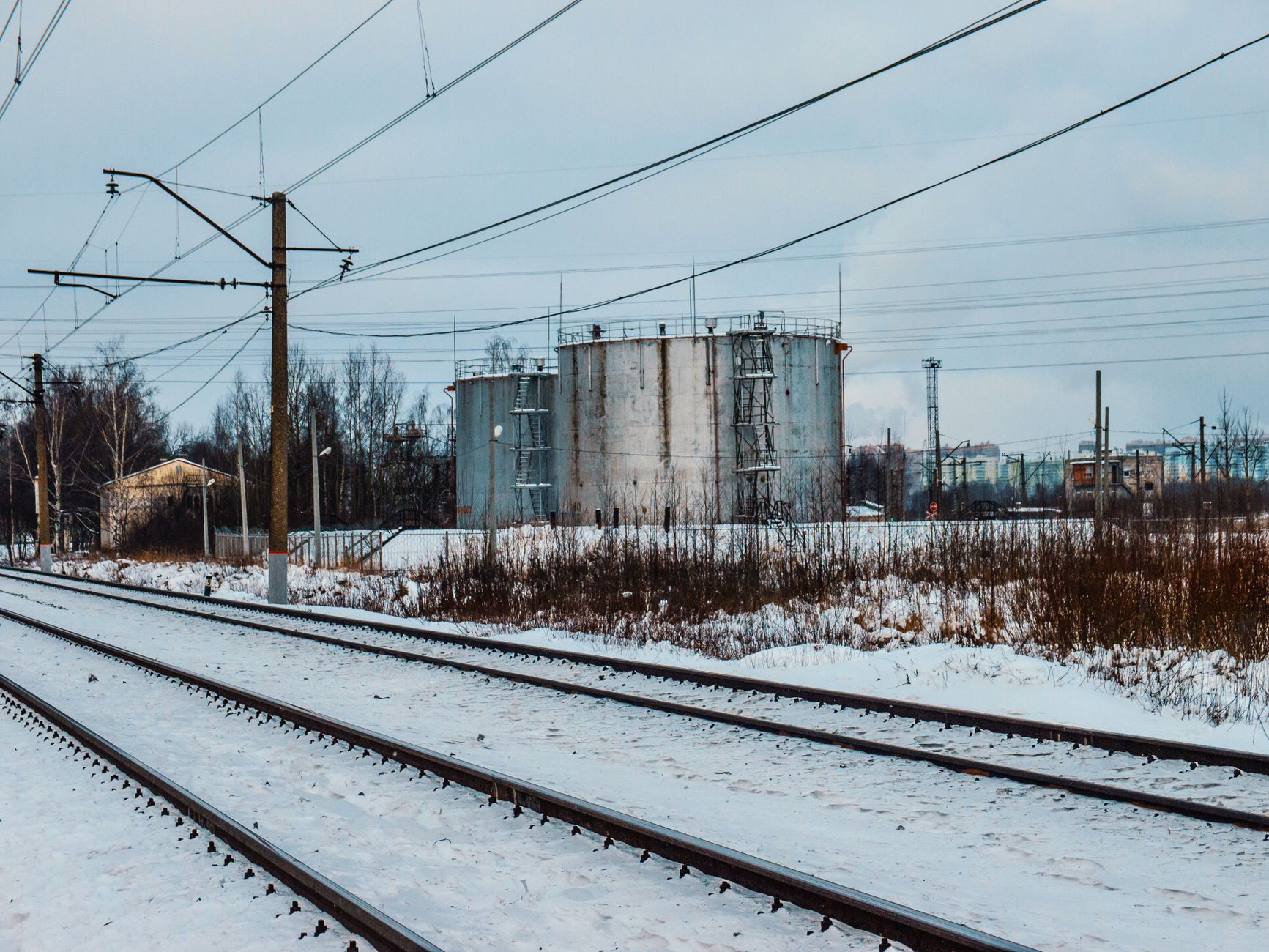
Pipeline compressor stations sit miles from the nearest town, often with a gate, a small building, and expensive parts in a cabinet. Guard tours that run twice a night still leave long gaps, and flying a contractor to every alarm gets expensive fast. Autonomous security patrol robot rental adds repeatable perimeter rounds and live video when motion hits a fuel skid or valve enclosure.
This is security coverage, not regulated inspection. PHMSA and TSA guidance pushes operators to protect facilities from vandalism and unauthorized entry and to watch SCADA for abnormal operations. A patrol unit does not replace inline inspection, thickness monitoring, or the integrity programs your compliance team owns.
According to the International Federation of Robotics, global shipments of professional service robots increased 24 percent to almost 250,000 units in 2025. More of that volume is outdoor patrol hardware aimed at industrial sites that never had enough night staff to begin with.
What security problems show up at isolated compressor yards?
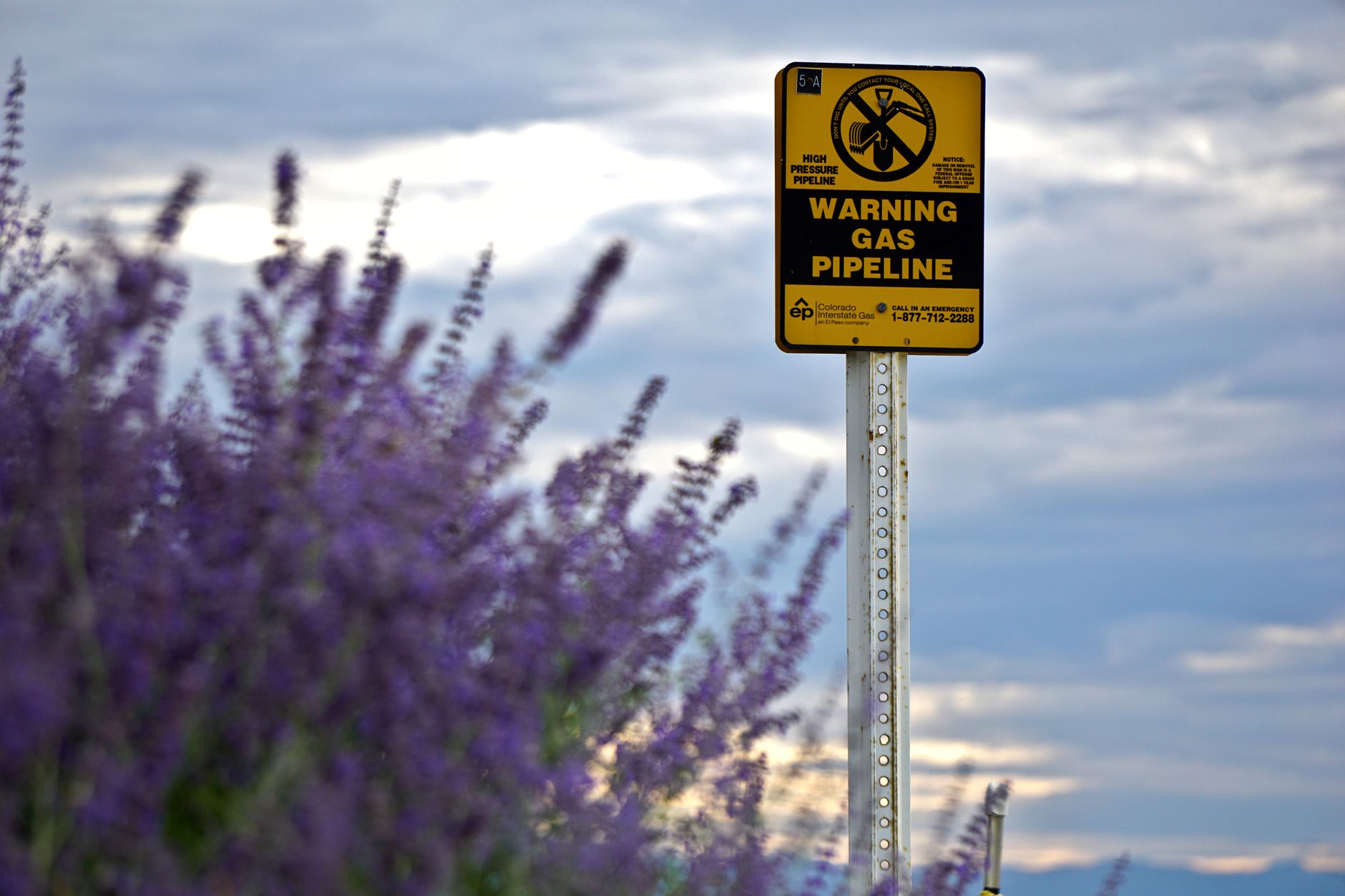
Theft and tampering hit gates, communications boxes, and spare parts long before someone touches a mainline valve. PHMSA's safeguarding advisory reminds operators that hazardous liquid stations must be protected from vandalism and unauthorized entry under 49 CFR 195.436, and gas facilities must keep valves protected from tampering under 49 CFR 192.179.
Real incidents follow the same pattern. In Wayne County, West Virginia, a Cabot Oil and Gas employee reported cut locks, pulled gates, and about six thousand dollars in missing parts from two remote compressor stations in one week, according to the Herald-Dispatch police report.
Trespass also creates safety exposure when curious visitors enter a fenced yard without understanding blowdown or ignition risks. Patrol robots extend eyes and audio warnings before a human responder is on the road.
How is security patrol different from regulated inspection?
Integrity teams schedule ILI, cathodic protection surveys, and equipment walks tied to operator qualification rules. Those tasks produce records for auditors and engineers. A mobile patrol robot produces security events: motion at the fence, a door ajar, a warm engine that should be cold.
Keep scopes separate in writing. Security staff or a monitoring center owns patrol alerts. Integrity engineers do not inherit robot footage as a substitute for a coded inspection. Mixing the two in one runbook creates audit confusion and unsafe shortcuts.
If a patrol camera sees obvious damage, the correct action is to notify operations and security, not to label the sighting as an inspection finding.
Where should perimeter routes run?
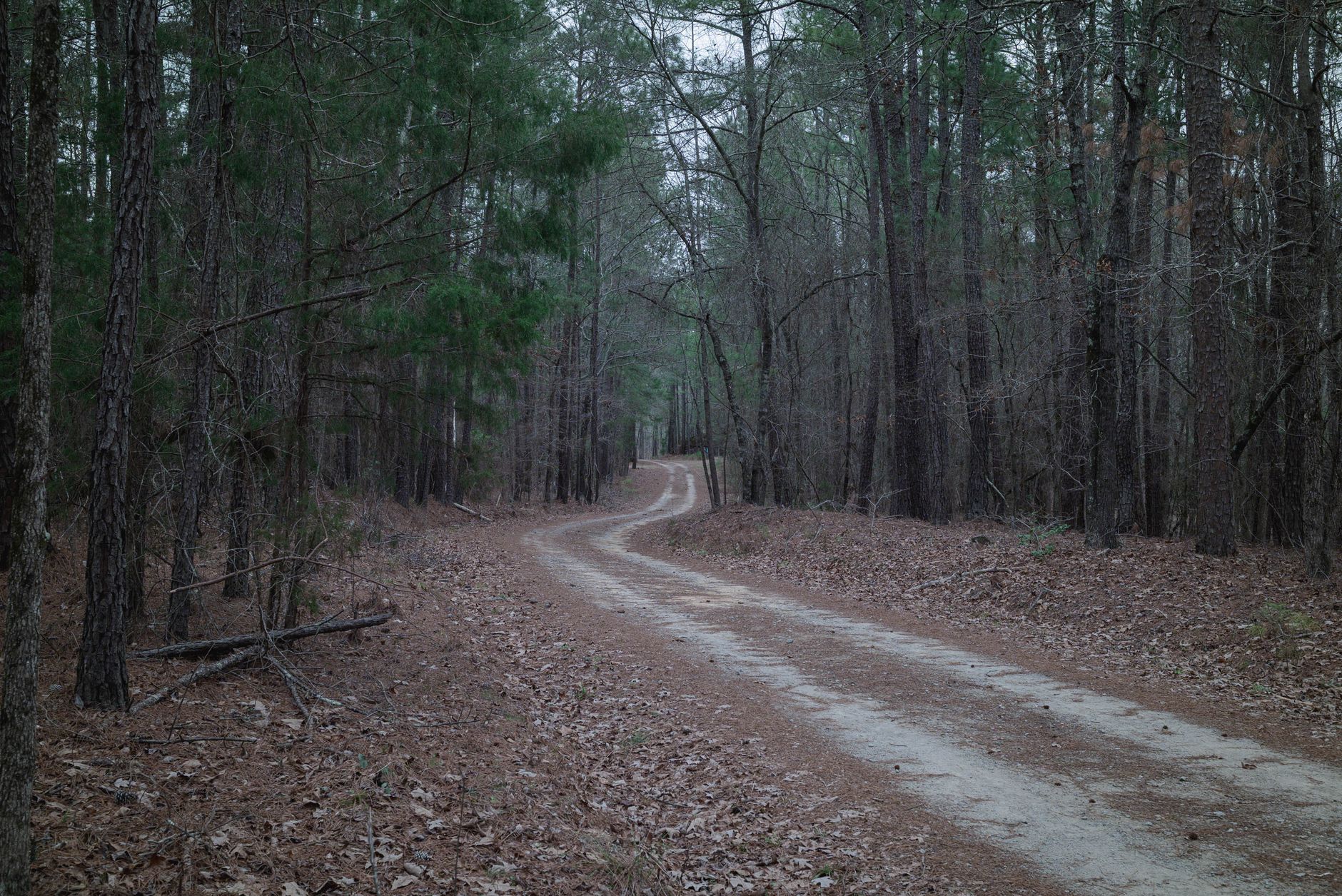
Map the station in daylight with operations and security together. Typical checkpoints include the entrance gate, the compressor building approach, chemical and lube storage, the communications hut, and the far fence line where county road meets right of way.
Stay outside classified or high-noise zones unless the unit is rated for them. Use pause points for panoramic scans instead of driving through gravel berms or mud that can trap a wheeled platform.
Update geofences when construction adds temporary laydown areas or when seasonal flooding closes a low section of access road.
- Gate and lock hardware sight line
- Building doors and removable panels
- Communications and power enclosures
- Fuel or lube totes if present on site
- Remote fence corners away from the office camera
What connectivity do remote stations need?
Many compressor yards lose LTE in cuts or behind metal buildings. Satellite or private microwave backhaul may already serve SCADA, and patrol alerts should ride a path that does not share one fragile link with control traffic.
Define degraded mode before go-live. When backhaul drops, the robot should stop safely, hold position, and retry on schedule while logging locally. Operators need a rule for when silence means comms loss rather than all clear.
Store maps and escalation scripts on the unit so a short outage does not erase the night's plan.
How do weather and terrain affect outdoor patrol units?
Summer heat, winter ice, and spring mud all show up at mountain and prairie stations. Wheeled patrol platforms need validated grades, tread cleaning, and lens washing schedules when dust sticks after convoy traffic.
Wind-driven debris can trigger false motion near fence lines. Tune detection zones after the first storm week instead of accepting alert fatigue.
Battery range drops in cold. Plan swap or charge windows so the robot is not mid-route when temperatures fall after sunset.
How should remote intervention and escalation work?
Tier one can be a spoken warning through the robot when a person enters a geofenced valve area after hours. Tier two pushes clip, GPS, and gate camera stills to a control center operator. Tier three contacts county law enforcement when a human confirms intrusion or tampering.
PHMSA's advisory suggests motion sensing cameras at remote facilities to alert control centers of tampering. Patrol robots add movement between fixed poles, which matters when the fence line is long and camera count is thin.
Document who can drive the robot remotely, who can only view feeds, and who approves law enforcement calls so shift handoffs stay consistent.
Where does Service Robot Co. fit a pilot?
Service Robot Co. selects vendor-neutral patrol hardware, maps routes with your security lead, integrates alerts into existing VMS or SOC tools where APIs allow, and trains field staff on comms-loss behavior. Financing and nationwide service sit in one contract so a remote station is not orphaned when a part fails on a Sunday.
Start with one station that already generates frequent false fence alarms or repeated theft reports. Run a sixty-night pilot with weekly tuning before you copy routes to sister stations on the same pipeline system.
Robot as a service or month-to-month lease keeps capital off the balance sheet while you prove alert quality and response times.