Key takeaways
- RV lots need mobile eyes between fixed cameras because tow bars, awnings, and long rows create blind spots a single pole cam cannot see.
- License-plate capture policies should be written before go-live so customers know how video is stored and who can access it.
- False alarms from wind, tarps, and wildlife are normal until you tune motion zones season by season.
- Outdoor-rated drivetrains and sealed electronics matter more than indoor office specs on gravel lanes.
- Month to month security patrol robot rental lets you prove uptime through one summer season before you fence the whole yard.
Why do RV storage lots struggle with traditional security?
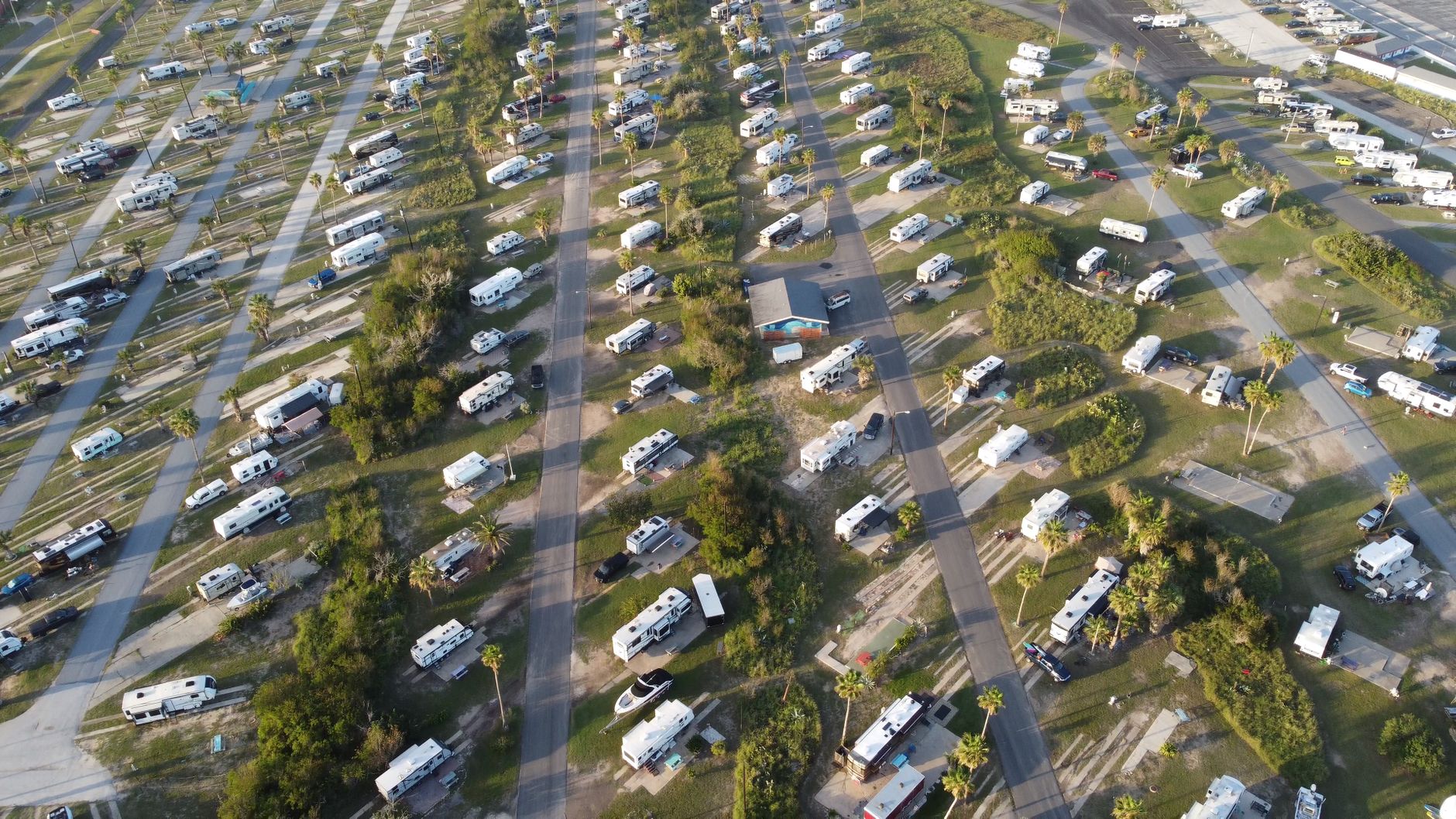
A camper storage yard is a long outdoor warehouse of high-value vehicles spaced inches apart. Rows can run hundreds of feet with no roof, so rain, dust, and summer heat beat on everything including your security gear.
Fixed cameras excel at gates and office doors. They struggle mid-row where a fifth-wheel awning blocks the lens or a tow bar sticks into the lane. A guard driving a golf cart helps, but labor cost and inconsistent timing leave gaps on wide sites. Periodic guard tours also miss the quiet Tuesday when a thief learns the schedule.
A patrol robot repeats a route you map along gravel lanes, pausing at corners where break-ins often start. It is not a guard replacement. It is a mobile camera and optional two-way audio that shows up on the same nights you program, every time.
What routes make sense on narrow lanes?
Map one-way loops that never require squeezing between extended awnings and neighbor mirrors. Set the robot width buffer wider than you think. A Class A with slides partially out can shrink a lane overnight if an owner forgets to retract.
Use slow speed modes near propane lockers and fuel cans. The goal is observation, not racing to the far fence. Mark no-go zones around septic cleanout ports and power pedestals where a bumper scrape creates liability.
Split routes by season. Snowbird storage peaks winter occupancy in Sun Belt yards, while summer sites in the Mountain West see more weekend traffic when owners pull rigs for trips. Adjust patrol density when human activity rises.
How should license plates and privacy be handled?
Customers store personal belongings inside coaches. Your posted rules should state that patrol video may capture plate numbers and open hatches when doors are left unsecured.
Blur or mask plates in customer-facing clips if your attorney recommends it, while keeping full resolution in the security archive for police requests. Document retention days in the rental contract, not only in IT policy.
Disable live public feeds. Owners get nervous when they imagine strangers watching their rig on the internet. Keep access limited to your manager console and named responders.
If you offer owners optional access to clips of their own row, authenticate them per unit number and never expose neighboring rigs in the same download.
How do tow bars and hitch gear change clearance planning?
A stored truck with a hitch extender can stick two feet farther into the lane than the painted line suggests. Walk rows after a busy move-in weekend before you lock autonomous paths.
Flag protruding bike racks and cargo boxes in the property management system so patrol pauses or reroutes when a new violation appears. Photos from the robot help enforcement letters stay factual.
Leave extra stopping distance near propane cages. A sudden stop on gravel can skid a light platform into a bumper even at low speed.
What causes false alarms in outdoor storage yards?

Wind moves RV covers, flags, and hanging hoses. Raccoons and cats cut across warm engine bays. Plastic bags snag on fence wire and flap for hours.
Tune detection boxes low on the ground for human height, not tarp height. Review alert clips weekly for the first month and redraw zones when a neighbor installs a new floodlight that changes shadows.
Thermal sensors help on cold nights when a person stands between coaches, but they also ping warm generator housings that cooled slowly. Baseline heat maps each season.
How do weather and lighting affect hardware choices?

Specify IP ratings and operating temperature bands for desert afternoons and mountain frosts. Lidar windows need regular wipe-down when dust storms coat the lot.
Add supplemental LED on the mast for rows without pole lighting. Glare from bare bulbs on white fiberglass can wash out plates, so angle lights to skim across surfaces instead of pointing straight at coaches.
Plan charging in a covered maintenance bay when possible. Batteries degrade faster when units bake on asphalt all day between short night routes.
When should a human guard respond instead of the robot?
Any confirmed person after hours, any cut lock, or any open compartment door should trigger human verification. The robot holds a safe distance and streams video while a guard or police unit drives in.
Do not use the robot to confront someone breaking into a tow vehicle. Silent observation plus dispatch is the safer default unless counsel approves limited audio announcements.
During major storms, pause patrol when flying debris could damage the unit. A cracked dome lidar is useless for the rest of the season.
What should owners expect from integrator deployment?
A site walk at night reveals dead cellular spots behind tall fifth-wheels. Mesh radios on the office roof often beat repeating guest Wi-Fi across gravel.
Train staff to power down the robot when a lane is closed for sewer work or regrading. Geofence updates should take minutes, not a service ticket measured in weeks.
Maintenance-included rental contracts matter when tire tread wears on sharp rock lanes. Keep a spare wheel kit on site if your nearest integrator depot is hours away.
Integrators should document escalation contacts in the same runbook as your gate code list. Night staff should not hunt for a phone number when an alert fires at 2 a.m.
How can Service Robot Co. help pilot one storage row?
Service Robot Co. is a vendor-neutral integrator. We compare outdoor patrol platforms against your lane width, slope, and network map, then finance, deploy, and service the winner nationwide.
Security patrol robot rental on a month to month term lets you cover one high-theft row and the front gate through a full season before you expand. We include route mapping, staff training, and escalation playbook setup in the pilot.
Bring your camera vendor and insurance broker into kickoff. The robot should appear on the same incident log as fixed cameras, not as a side experiment.
How do you measure success after ninety days?
Track time-to-view for alerts on rows without pole cameras. If the robot cuts that gap from minutes to seconds, your staff feels it immediately.
Count false alarms per week and per weather event. A downward trend proves tuning work without demanding impossible zero alerts.
Survey tenants on perceived safety. Many RV owners choose lots partly on security reputation, even when they rarely visit midweek.
Compare theft reports before and after patrol on the same calendar months year over year. Seasonality in RV travel can otherwise hide real gains.
What questions belong in a storage-lot patrol RFP?
Ask vendors to demo on your actual gravel grade after rain, not on paved parking at their office. Request video samples from dusk when headlights glare off fiberglass.
Require integration notes for your existing VMS and gate controller. A robot that cannot export clips to the same case file as pole cameras creates double work for managers.
Define loaner terms when a charging port fails during a holiday weekend when lots are full. Empty rows are rare when every pad is rented.
Ask whether firmware updates can roll out without taking the whole storage yard offline for a full night.
- Minimum lane width and turning radius tested on site
- Operating temperature range for your climate
- Edge storage minutes when LTE drops
- False alarm tuning support in first ninety days
- Spare unit or hot-swap battery policy