Key takeaways
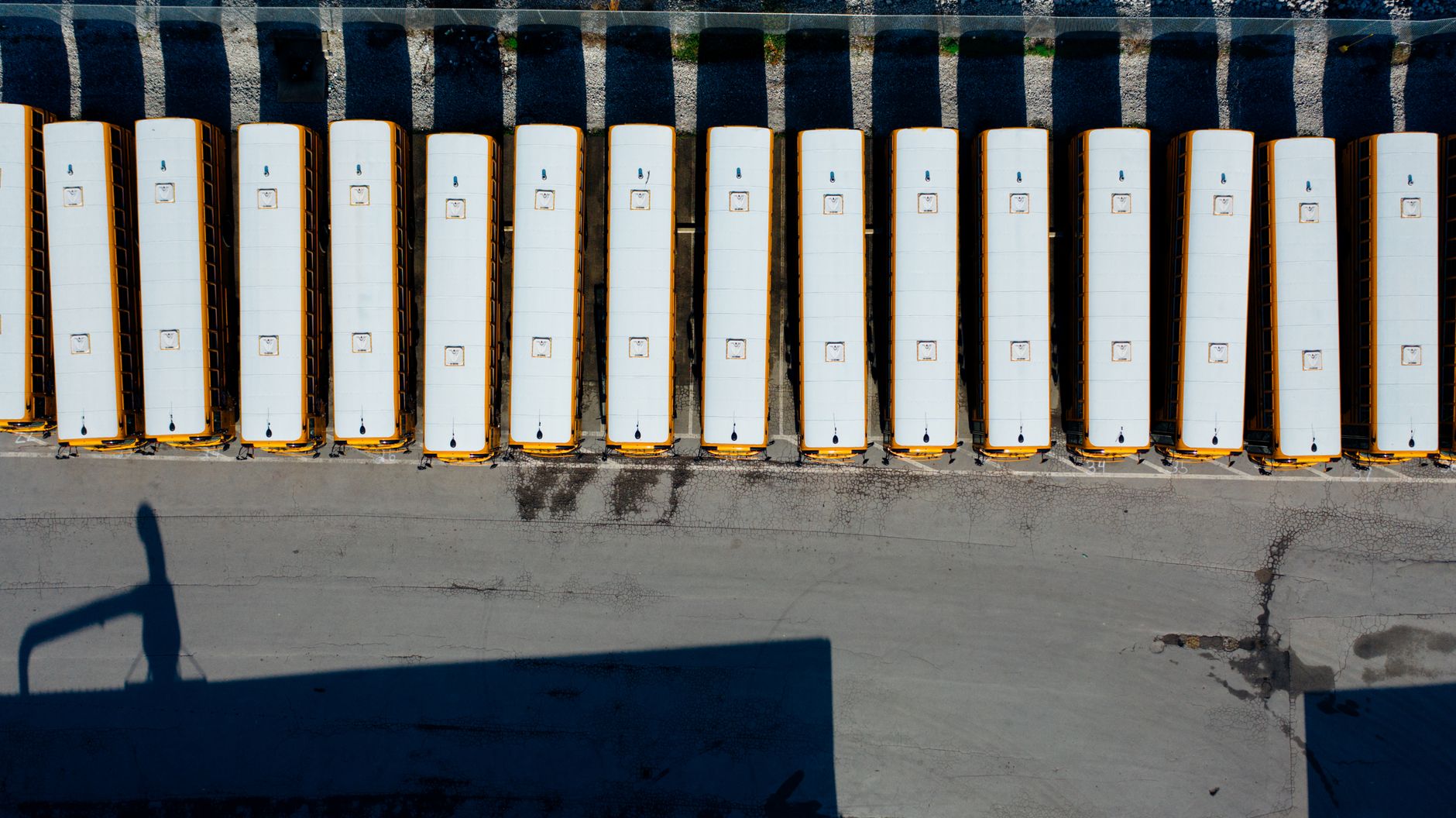
- Bus yards mix high-value parked fleets, fuel islands, and maintenance bays that fixed cameras often fail to cover end to end.
- Illinois districts reported catalytic converter thefts hitting 30 of 38 buses and 21 of 24 buses in 2025 despite fences and cameras.
- Patrol robots add mobile laps, thermal cues for fire risk, and logged routes between midnight and the first dispatcher arrival.
- Child privacy rules require signage, masked routes away from neighboring homes, and strict retention on uneventful laps.
- Written escalation tiers keep morning dispatch traffic safe when a robot flags an open gate or loitering before buses roll.
Why do school bus yards need patrol beyond a fence and cameras?
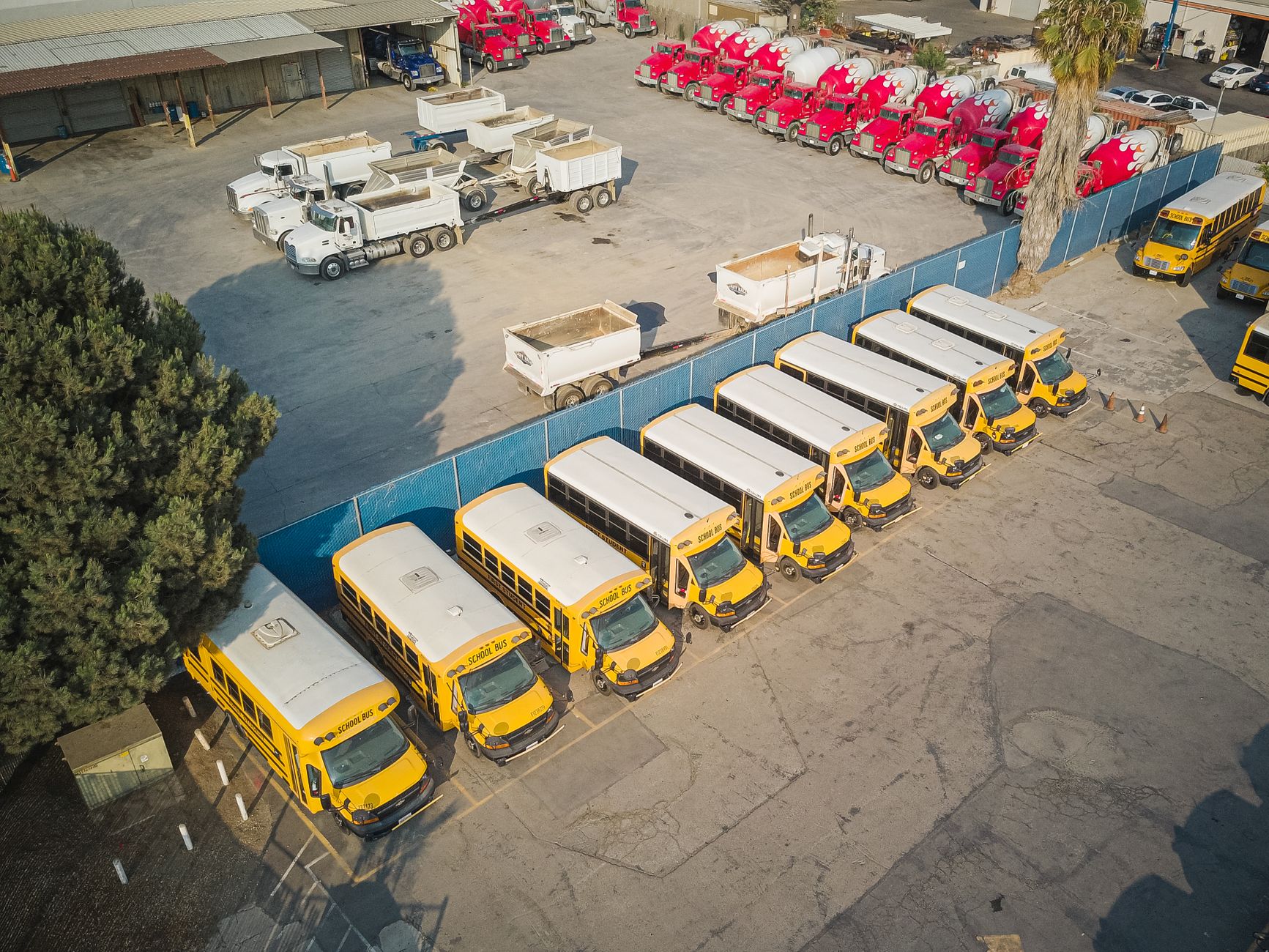
A transportation yard is a small industrial site tucked behind a district office or on a county road edge. Dozens of buses sit in rows, diesel tanks feed morning pre-trip checks, and maintenance bays hold tools and parts. After the last driver parks, the yard is quiet but not empty of risk.
Patrol robots for school transportation yards add moving eyes between static cameras. They record gate lines, fuel islands, and the back fence where teens or thieves test weak points. They are not a substitute for a human guard on every shift, but they keep a steady lap when budgets cannot staff overnight security seven days a week.
If your yard only has a pole camera at the entrance, you still have blind alleys behind buses where vandalism or a small fire can start unseen.
What gets targeted in bus yards after hours?
Catalytic converter theft has hit school fleets hard in 2025. CBS Chicago reported that Troy Community Consolidated School District 30-C in Plainfield found catalytic converters stolen from 30 of 38 buses in February 2025, pushing the district to e-learning while repairs were scheduled. Shaw Local reported that Bourbonnais School District 53 lost converters on 21 of 24 buses in spring 2025 even with barbed wire, lights, and cameras.
Those incidents show that fencing and recording devices alone did not stop organized crews with power tools. Michigan City Area Schools in Indiana also canceled in-person classes in August 2025 after fleet vandalism including converter theft, according to regional news coverage.
Glass breaks, graffiti, and fuel tampering still appear on smaller scales. Any loss that grounds buses on a school morning becomes a district-wide crisis within hours.
Where should autonomous patrol routes run?

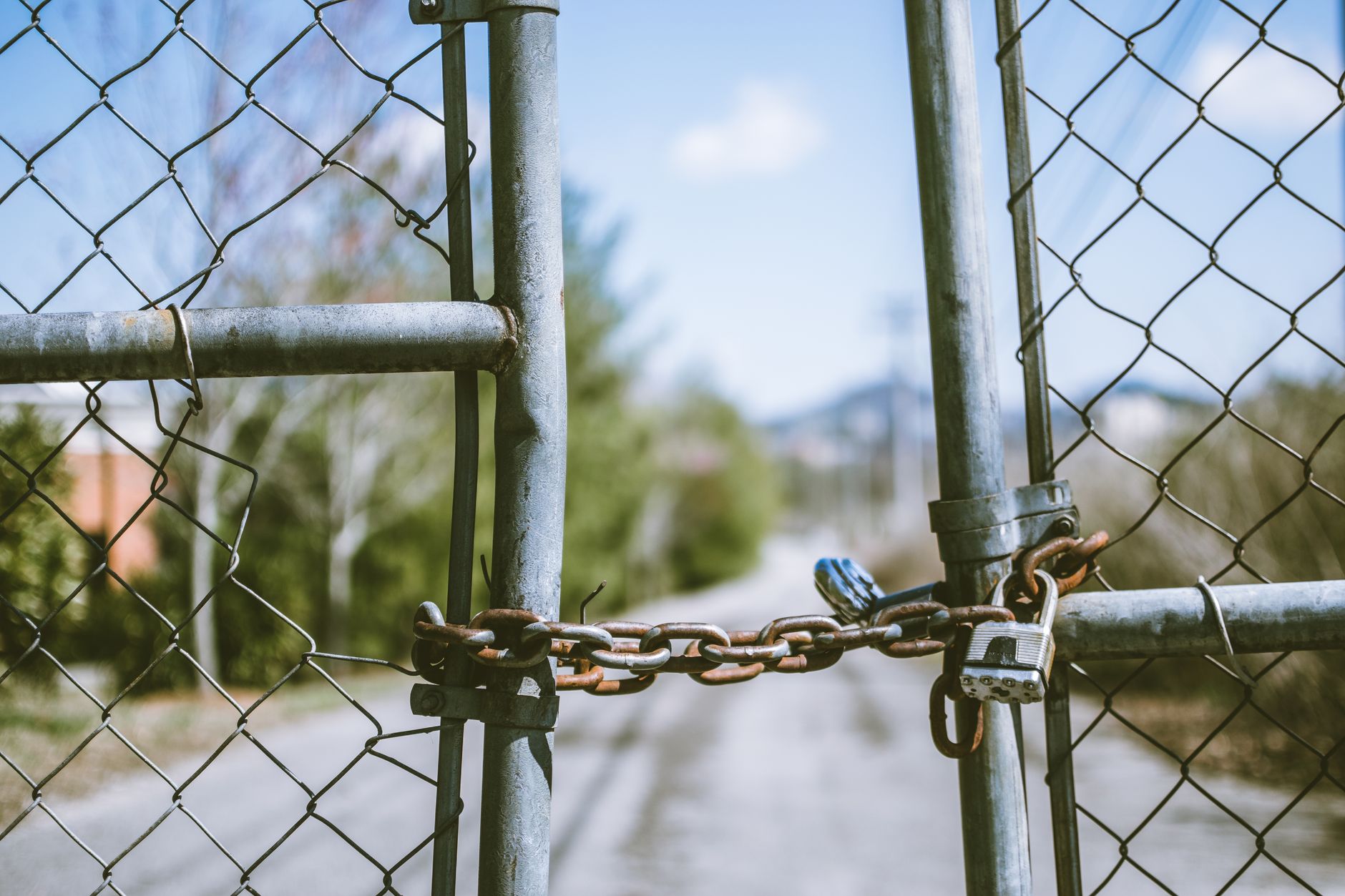
Start at the main vehicle gate and the pedestrian door to the dispatch office. Log a photo when chains and barriers should be set for the night.
Run a slow leg down each bus row with overlap so no gap sits unwatched for a full cycle. Pause at fuel islands and DEF tanks where sparks or leaks matter.
Include the maintenance shop overhead doors and the parts cage. Finish at the rear fence and any drainage easement where prior break-ins cut wire.
Keep the robot off active bus lanes during the 5 a.m. pre-trip window unless you run a reduced-speed mode with flashing beacons.
How do you protect child privacy on a school site?
Yards border neighborhoods and sometimes practice fields still used for evening events. Post clear signage that mobile video supports safety and that audio is for assistance only.
Mask or avoid routine recording of residential windows along the fence line. Rotate patrol paths when a long-term sports camp uses adjacent fields so you are not storing hours of youth activity by accident.
Retention should be short on uneventful laps and longer only when an incident flag is raised, matching school board policy and state student privacy guidance your counsel already follows.
What changes during morning dispatch traffic?
Between 4:30 and 7 a.m., drivers arrive in waves, air brakes hiss, and pre-trip inspections spread across the lot. A patrol robot in full autonomous mode can conflict with that dance.
Switch to escort or park mode before the first driver badge-in. Publish a simple map at dispatch showing robot lanes versus free-move zones for buses pulling forward.
If a robot flags an open gate during this window, tier-two escalation should ping the transportation director before buses start moving, not after half the fleet is on the road.
Can robots help with fire and vandalism detection?
Thermal sensors on a patrol unit can flag abnormal heat near a fuel island, a shop office, or a bus engine bay left open. That is early signal, not a certified fire panel replacement.
Vandalism often shows as repeated door pulls, broken glass audio, or a person with a cart between rows. Tune rules so a single raccoon does not page the superintendent, but two passes by the same unknown vehicle do.
The Illinois State Board of Education told Shaw Local in 2025 that districts may consider cameras, fencing, security personnel, and other law enforcement recommended measures to deter theft. Mobile patrol logs become part of that evidence trail when you meet with police after an incident.
How should escalation policies read on paper?
Tier one covers wildlife, windblown debris, or a driver who forgot a lunch bag on a bus step. Log and continue.
Tier two covers loitering, fence cuts, or fuel island access after curfew. Transportation night staff or a contracted guard should view live video within two minutes.
Tier three covers active theft tools, assault indicators, or fire signatures. Call police, hold buses if morning roll has not started, and keep the robot at a lighted standoff point.
Review every flagged clip weekly for the first month so sensitivity matches season and local prank patterns.
Where does Service Robot Co. fit district procurement?
Service Robot Co. acts as a vendor-neutral integrator for outdoor patrol hardware, financing or robot rental monthly paths, route mapping with your transportation director, and nationwide field service.
We test cellular failover at the far fence, train dispatch on speaker use, and align retention settings with your board policy before the first overnight lap.
Pilot one yard during summer break when routes are simple, then expand to a second lot after you have lap times and false alarm rates in writing.