Key takeaways
- Outdoor building supply yards mix high-value staged stock, blind corners, and active forklift traffic, so fixed cameras alone often miss perimeter gaps.
- FBI-derived 2025 data tied 36,830 building-material thefts to about $185.4 million in reported losses, with recovery near 7%.
- Monitored construction break-ins rose about 50% from 2024 to 2025 in a large U.S. sample, with more than 40% on weekends.
- Patrol robots add mobile thermal and visual checks on a repeatable route, then escalate only when rules flag people, vehicles, or open gates.
- Vendor-neutral integrators map routes, tune dust and pavement limits, and keep one service number across deployment and repair.
Why do wholesale yards need patrol coverage beyond cameras?
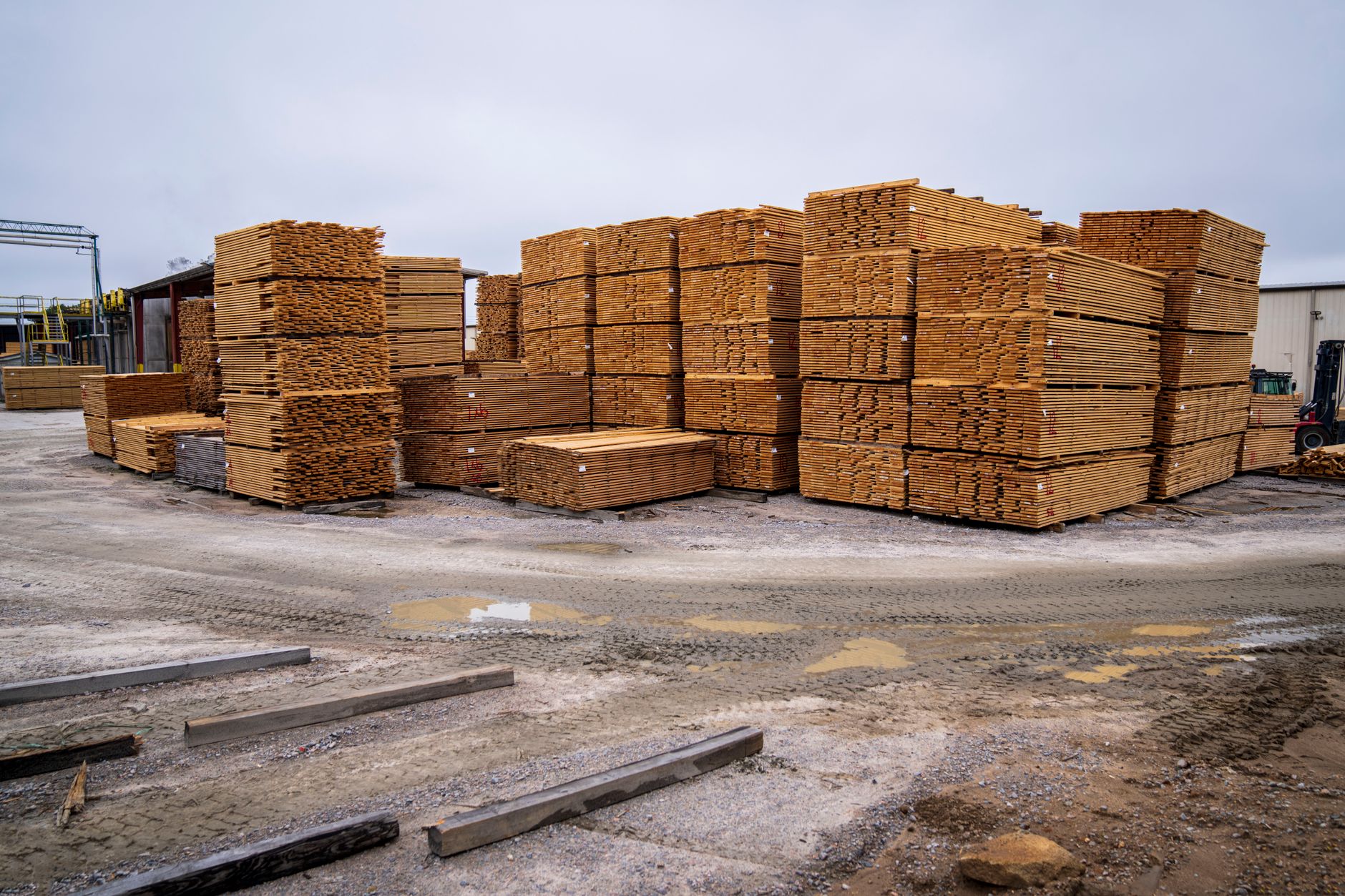
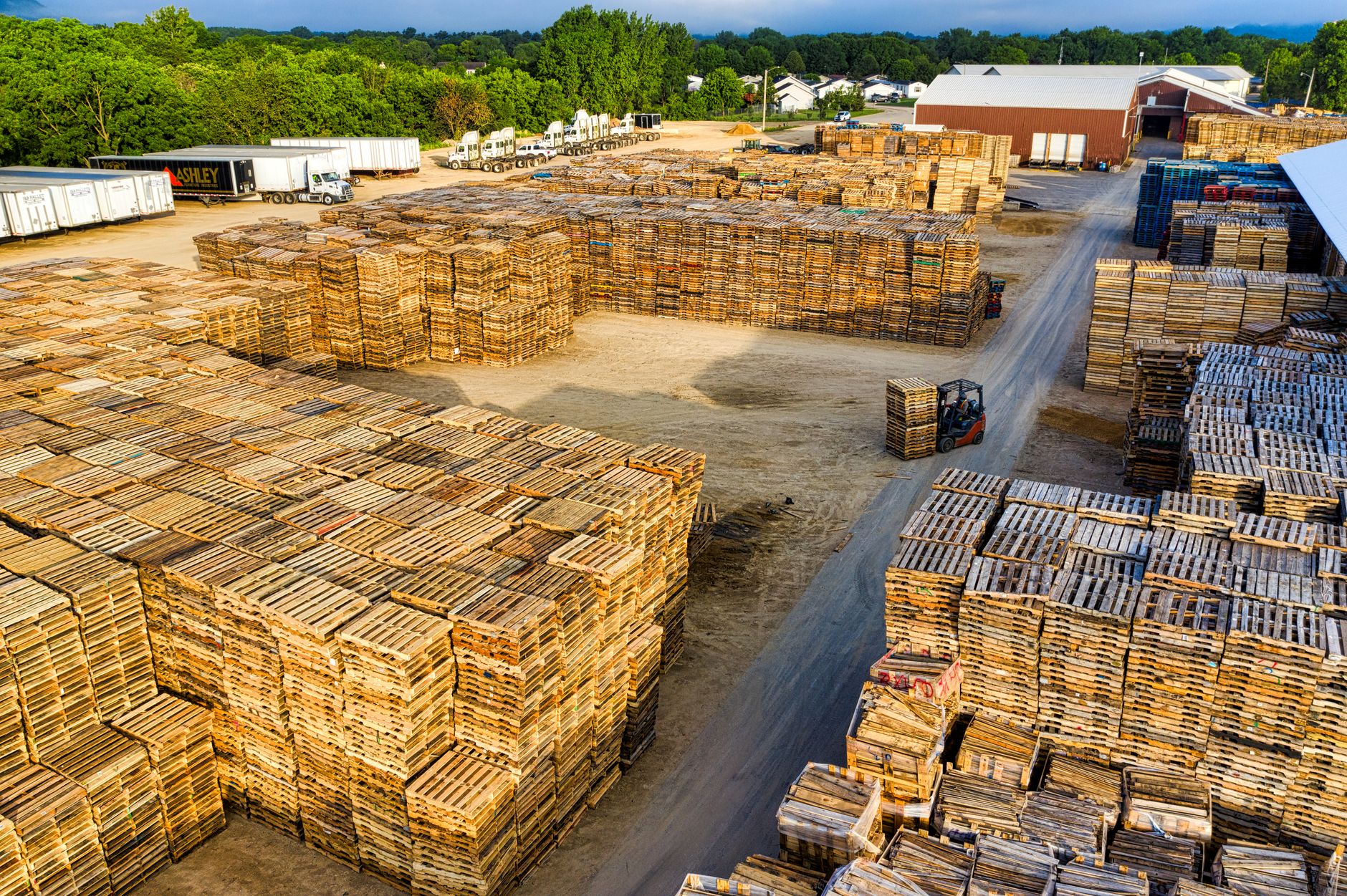
Wholesale building markets keep expensive stock outside: lumber packs, roofing squares, steel panels, and contractor will-call lanes that stay busy until late afternoon. Perimeter fencing, padlocks, and pole cameras help, but they rarely cover every rack row, trailer slot, or gap between sheds.
After the last counter sale, yards still face theft risk, vandalism, and fire hazards from improperly stored materials. A patrol that moves through the lot on a fixed schedule catches open gates, cut fence lines, and unauthorized pickups faster than a static view that never pans.
Patrol robots for wholesale building markets are not a replacement for guards on high-alert nights. They extend consistent rounds when labor is thin, weather is harsh, or multiple branches share one security desk.
What makes outdoor lumber and building supply lots hard to secure?
Dust from concrete block, drywall, and saw cuts coats lenses and reflectors. Uneven pavement, gravel aprons, and expansion joints beat up small wheels if the route is not mapped with real floor data.
Long materials overhang racks and create blind intersections where a forklift and a patrol unit could meet without warning. Contractor pickup lanes mix customer trucks, employee lifts, and staged orders, so any autonomous unit needs strict speed caps and dynamic no-go zones during business hours.
Fenced inventory areas often have secondary gates for rail or flatbed deliveries. Those gates get propped open during the day and forgotten at night, which is a common entry point for after-hours theft.
- Dust and glare reduce usable camera range unless routes include pause points for lens checks.
- Long rack rows need overlapping patrol legs so no aisle sits unwatched for a full cycle.
- Active yards require time-of-day rules that keep robots on dock paths when forklifts are running.
How serious is building material theft right now?
National crime reporting shows building materials remain a top stolen property class at commercial sites. An EngiMarket analysis of FBI National Incident-Based Reporting System data for 2025 counted 36,830 thefts of building materials with about $185.4 million in reported losses and an average of about $5,036 per incident.
Only about 6.7% of those building-material incidents saw recovery in the same dataset, which means prevention and fast detection matter more than hoping police recover staged lumber or decking.
Construction and laydown areas tell a sharper year-over-year story. TrueLook and Noonlight reported 2,639 confirmed break-ins on monitored active commercial construction sites in 2025, up from fewer than 1,750 in 2024, a jump of about 50%. More than 40% of those incidents landed on Saturdays and Sundays when sites sit empty.
Local yard thefts follow the same pattern: police in Cohasset, Massachusetts arrested a man in 2024 after security video showed a pickup entering a lumber yard and composite decking valued at about $7,000 leaving on a trailer. The case started with yard video, not a passerby call.
Where should patrol routes run in a typical yard?
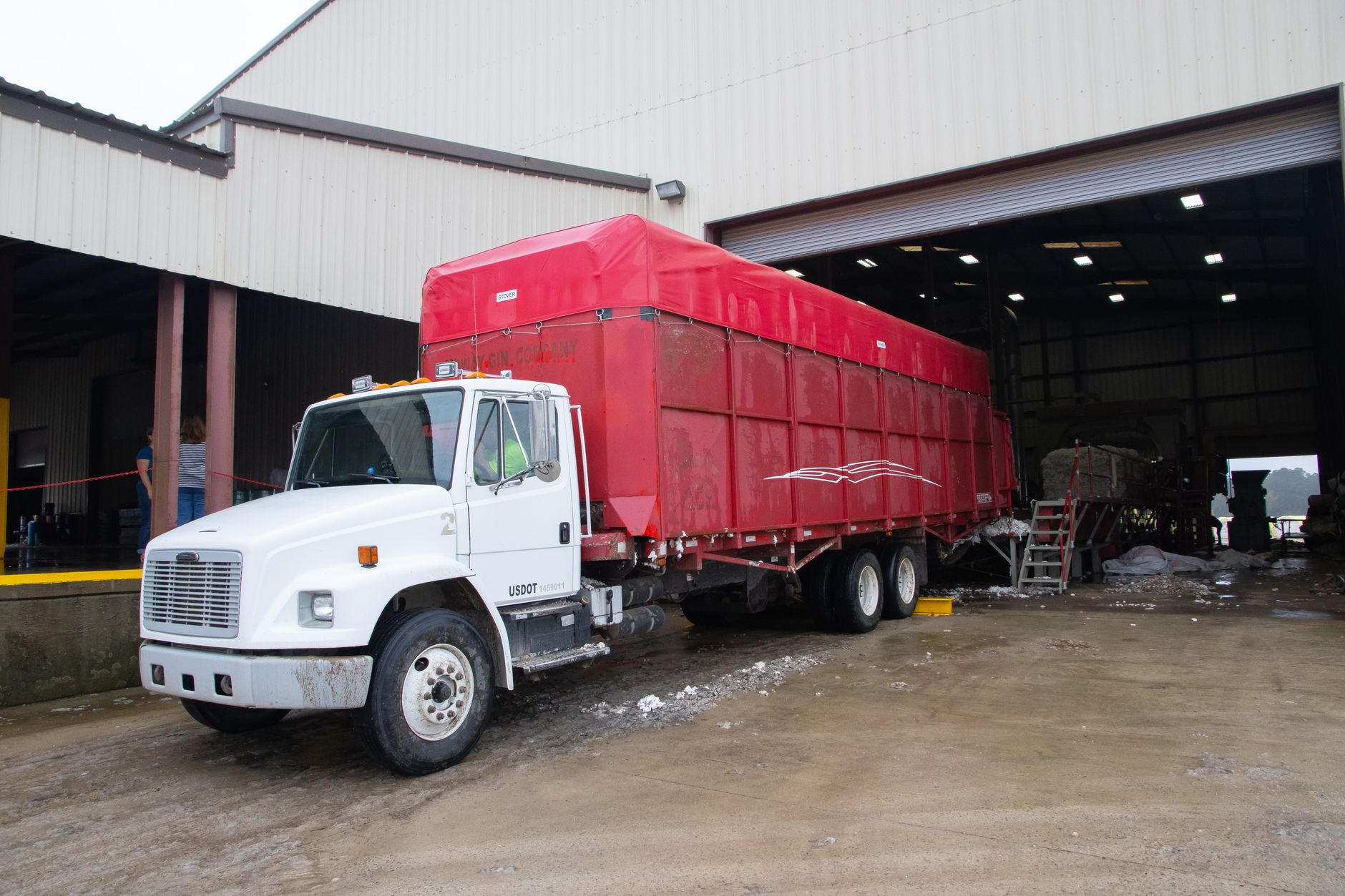
Start with contractor will-call lanes and the cage that holds high-shrink items. These zones see the most foot traffic by day and the most tailgate risk at night.
Schedule legs along outdoor rack rows, especially roofing and lumber stacks that are easy to load quickly. Add a slow pass by flatbed staging and rail spurs where seals break without anyone inside the office knowing.
Include rear alleys between storage sheds and the fence line. Perimeter gaps often appear where additions were built years apart.
Finish each cycle at the main gate and scale house so operators get a timestamped photo when chains and barriers are supposed to be set.
How should escalation work when a robot flags something?
Define escalation tiers before the first night run. Tier one might be a silent log for a raccoon or plastic wrap blowing across a lane. Tier two triggers live video to the monitoring desk when a person or unregistered vehicle enters after curfew.
Tier three should call local police or a contracted guard service when the robot sees forced fence, open bay doors, or a forklift moving with no employee badge match on site. Pair each tier with a maximum response clock so night staff know when to stop watching and start dialing.
False alarms waste money. Tune rules for wind-driven debris, irrigation mist, and headlight wash from the highway. Review every flagged clip weekly for the first month so sensitivity matches the season.
What operating rules keep robots safe around forklifts and customers?
Run patrols on reduced speed whenever the yard is open. Publish a simple map at the dispatcher desk showing robot lanes versus forklift free-move zones.
Use geofenced stops near active loading pits and panel saws. If a shift runs past sunset, hand off with a checklist: gates, scales, robot route mode, and who owns the pager.
Train drivers to treat the patrol unit like any other industrial truck: horn zones, eye contact at blind corners, and no blocking the charging dock.
How does a full-service integrator fit a multi-branch building supply group?
Yards differ by climate, pavement, and local theft patterns. A vendor-neutral integrator such as Service Robot Co. scores each site, picks hardware that fits the dust and grade limits, and handles financing, install, training, and nationwide field service under one contract.
That model matters when you pilot one branch, then clone routes to five more without renegotiating spare parts or software logins. Monthly rental or lease structures can keep capital off the balance sheet while you prove fewer shrink claims and faster gate checks.
If you want a patrol robot rental with maintenance included, scope the pilot around one high-shrink outdoor row first. Measure alarm-to-human-response time for thirty nights before you widen the fence loop.
What should buyers ask before signing a patrol pilot?
Ask for pavement grade limits, IP ratings for outdoor electronics, and how the unit behaves in rain on sealed asphalt versus loose gravel.
Request sample escalation logs from a site with similar SKU mix, not a polished demo on a clean warehouse floor.
Confirm who services batteries, brushes, and sensors after a dust storm, and whether loaner units ship within twenty-four hours.
Clarify data retention for video used in insurance or police reports, especially if corporate IT requires on-prem storage.