Key takeaways
- Gates turn informal shortcuts into controlled crossings.
- Wire gate state to the same holds forklifts already respect.
- Swing gates beat tape when night shift ignores cones.
- Test with a live pedestrian drill, not only empty bays.
- Service Robot Co. can align fleet rules with gate contacts.
Why do apron crossings need gates?
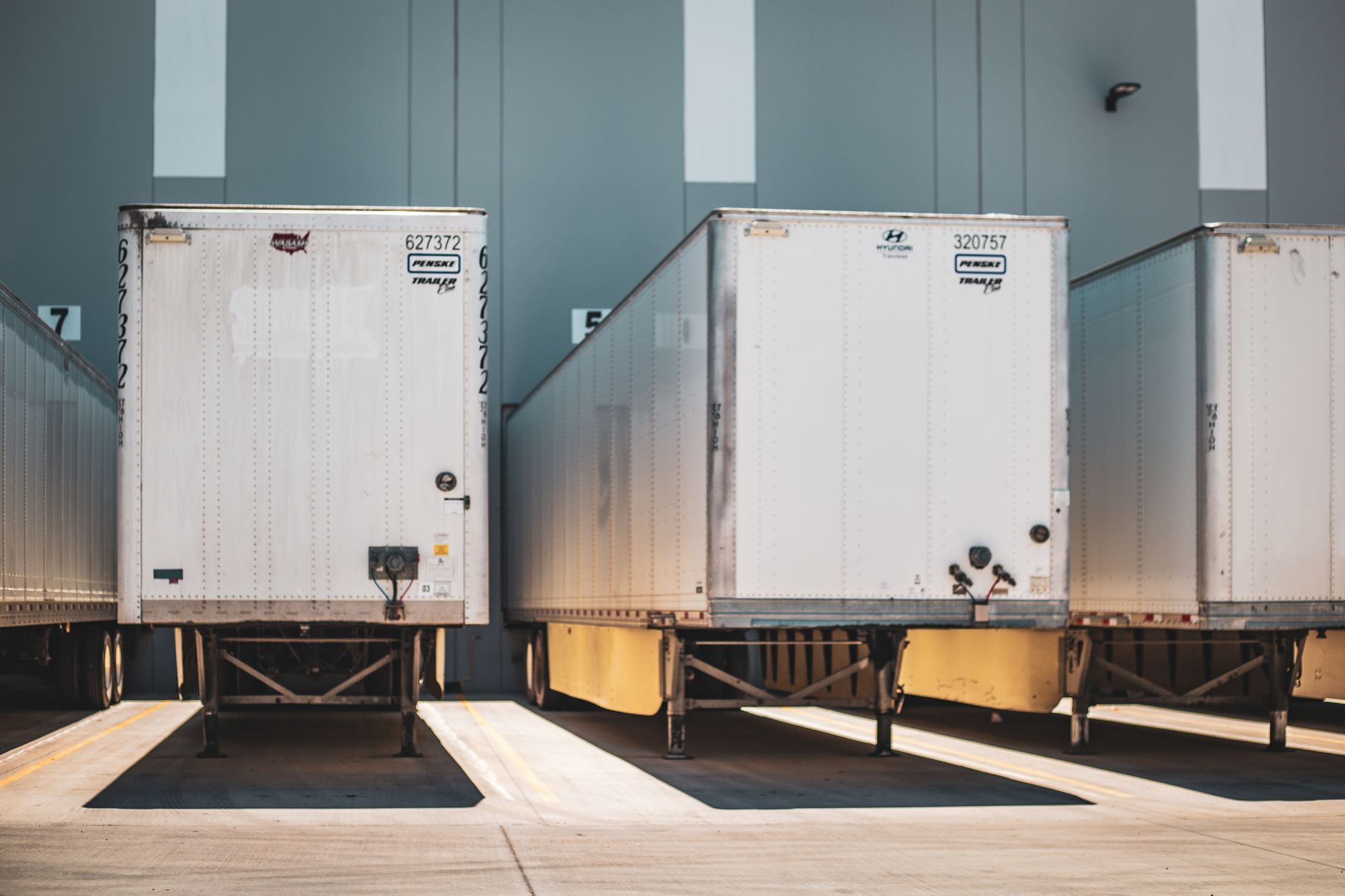
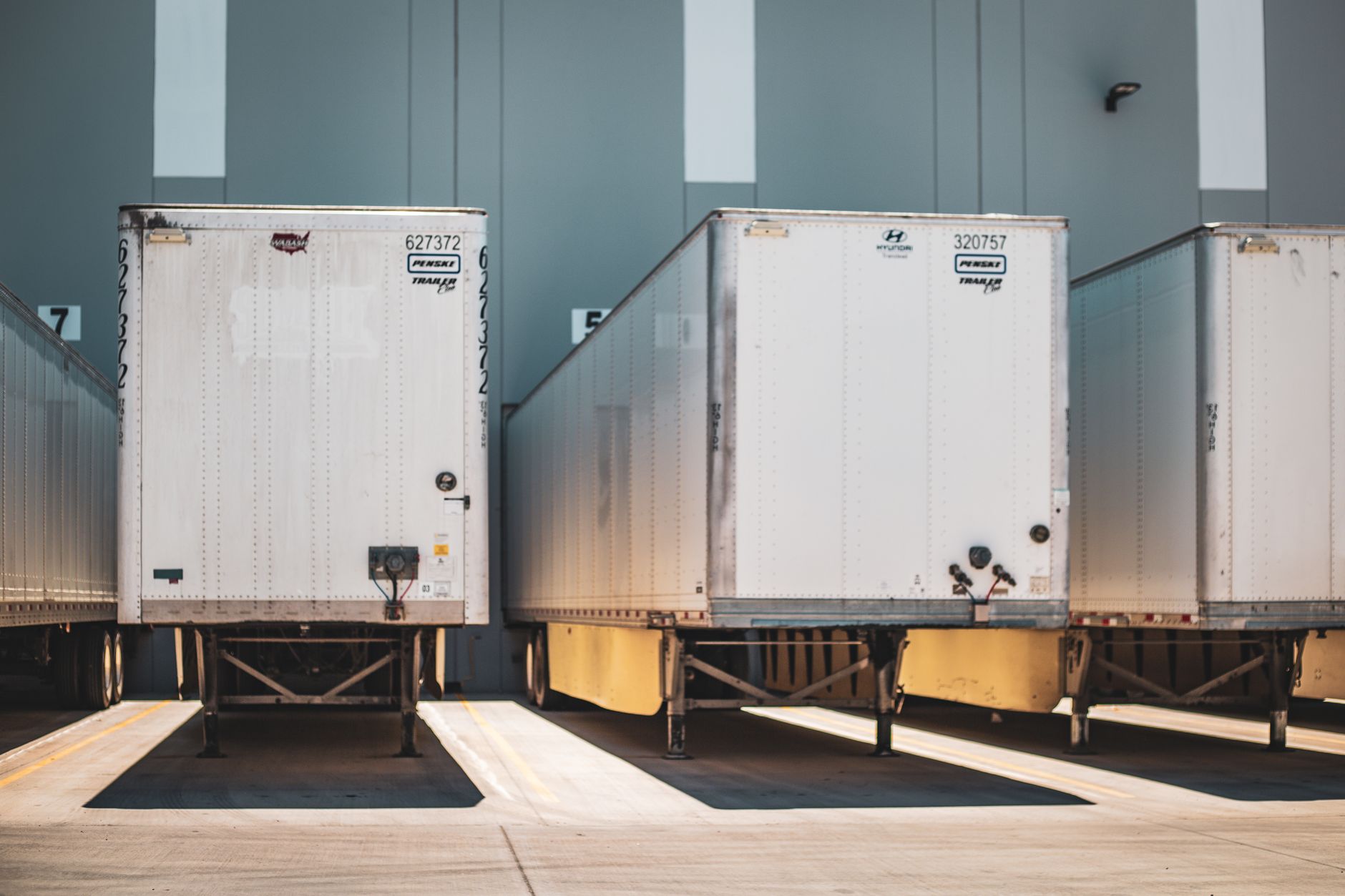
Pedestrians cut through dock aprons because it is the shortest path to break rooms and parking. AMRs and forklifts both lose when someone steps into an active bay without looking.
A gate forces a pause and a visible decision point. It complements geofences rather than replacing them.
OSHA severe injury summaries show forklifts remain a leading source of serious warehouse incidents, with about nine severe forklift-related injuries reported per week nationwide across 2015 through 2024 according to the agency. Gates reduce surprise foot traffic during those peaks.
OSHA data for 2022 and 2023 recorded 1,190 forklift-related severe injuries reported to the agency, with transportation and warehousing accounting for 285 cases in that total according to the same report.
What types of gates fit dock aprons?
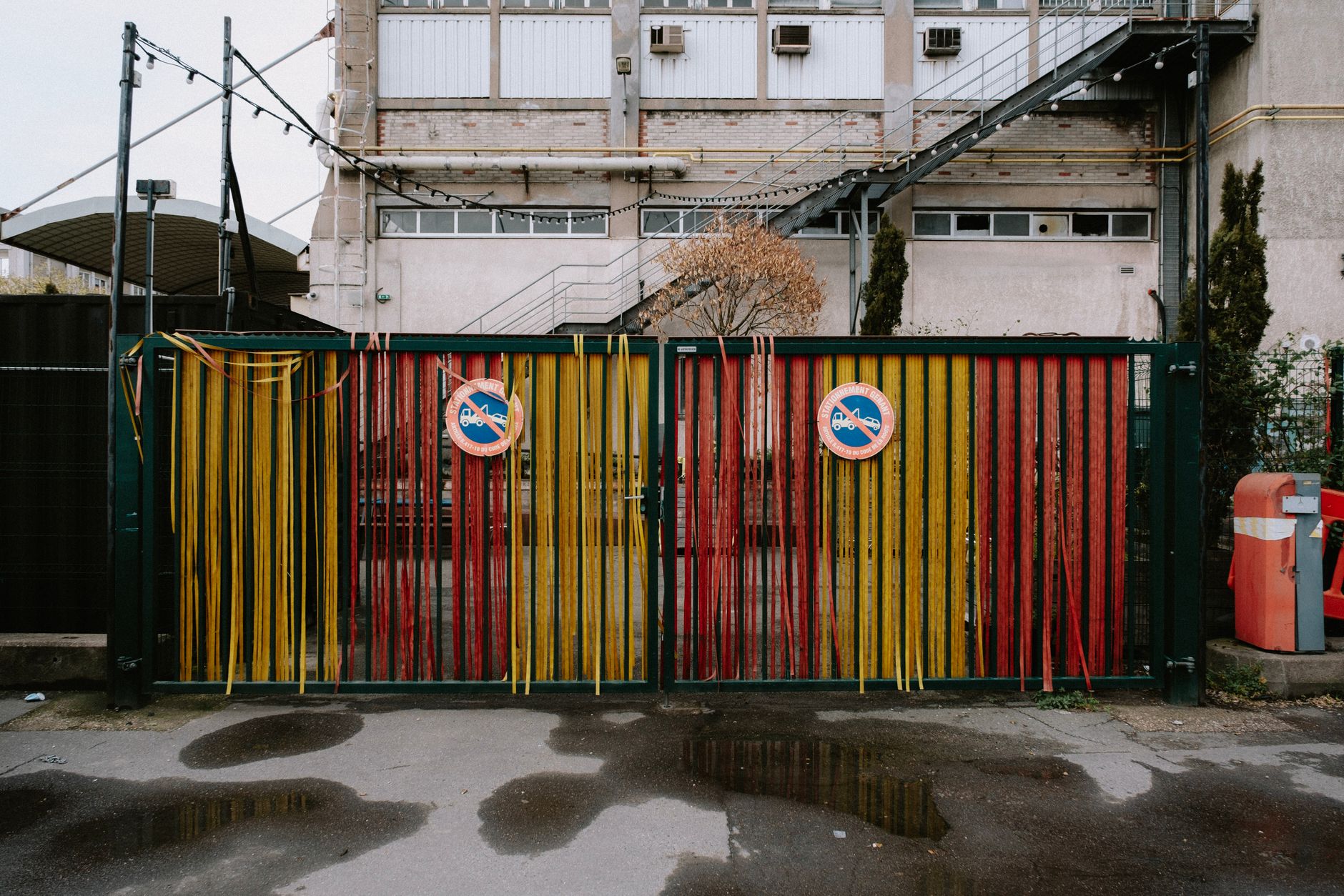
Swing gates with self-closing hinges work for wide crossings. Retractable belt barriers help narrow pinch points between racks and dock plates.
Overhead clearance matters for lifts and tall loads. Measure mast height before you order hardware.
Outdoor aprons may need galvanized hardware and heated contacts if ice builds on latches.
How should gates tie into AMR holds?
Treat an open gate like a door contact. When the gate is not latched, publish GATE_OPEN to the same middleware topic that drives dock holds.
AMRs should stop before the gate plane, not after a pedestrian is already in the lane. Set the hold polygon a meter short of the latch.
When the gate latches closed, debounce for one second before clearing holds so a bouncing latch does not flicker missions.
- Gate latched equals hold clear
- Gate open equals AMR stop
- Supervisor override logged
- Debounce one second on latch
Who installs and owns the gates?
Facilities owns hardware and paint. IT or integration maps contacts. Safety signs off on pedestrian routing.
Receiving leads decide when gates stay locked open during active unloading. That override should require a supervisor badge.
Service Robot Co. can join the working session that aligns vendor-neutral fleet software with gate inputs so you are not debugging alone.
Keep a spare latch kit on site. A broken latch during peak receiving tempts staff to prop the gate.
How do horns and gates work together?
Horns announce lift movement. Gates enforce pedestrian discipline. Together they reduce the chance someone walks through mid-back.
Train staff that an open gate during an active horn pattern is a reportable near miss even if no lift is visible yet.
If horns trigger holds, verify gates latch before holds clear automatically.
Paint gate posts high visibility yellow and stripe the apron edge so pedestrians see the crossing before they shortcut.
Align gate training with spotter hand signals if both controls exist on the same bay.
What training do pedestrians need?
Post a simple rule at each gate: latch behind you, never prop open during receiving.
Night shift needs the same laminated card as days. Prop doors are a culture problem gates cannot fix alone.
Run a monthly drill where a supervisor attempts an unlatched crossing during a simulated hold.
Photograph propped gates during audits and review with shift leads weekly until the habit stops.
Add gate status to the dock dashboard next to DOCK_ACTIVE so receivers see conflicts at a glance.
How do you test gates on day one?
Walk every crossing with maintenance to confirm contacts read open and closed reliably.
Run an AMR loop while a volunteer opens the gate mid-mission. The cart should stop before the plane.
Log latency from gate open to hold active. Anything over one second needs wiring review.
Repeat the gate-open drill after every maintenance swap of contacts or hinges.

When should you remove or relocate a gate?
If near-miss reports drop for two months and hold logs show zero GATE_OPEN events during peaks, consider relocating the gate closer to the true shortcut.
Layout changes that move break rooms may create a new cut-through. Re-walk pedestrian paths after every slotting project.
Nationwide service engineers can validate contacts after environmental wear without waiting for a single local vendor.