
Key takeaways
- A floor robot can take the repeated sweep and wet scrub passes on pool deck and locker room tile between sessions, if the route is mapped.
- Public evidence for robots working on deck drains and grout is thin, so treat drains as a hand task until a pilot proves otherwise.
- The pool robots in public listings are built for the water and the pool floor, not for the deck.
- Slip risk comes from splashes, condensation and wet feet, so run timing matters as much as coverage.
- Pilot one zone, log every miss, and get a written service plan before any lease.
Can a floor robot take pool deck tile between sessions?
Partly, and the part that works is the repetitive work. A floor robot can take the sweeping and wet scrubbing passes on pool deck and locker room tile between swim sessions, the runs that otherwise pull a crew member away from every other task on deck. On a mapped route with clear lanes, that is a realistic job for a commercial scrubber.
What it cannot yet be is a full replacement for a crew. I found no independent study of a robot working on pool deck drains, grout or locker room tile, and no published result from a live aquatic center. Read every drain or grout claim as a question to test on your own floors, not a finding you can budget against.
Why is wet pool tile a harder floor than dry tile?
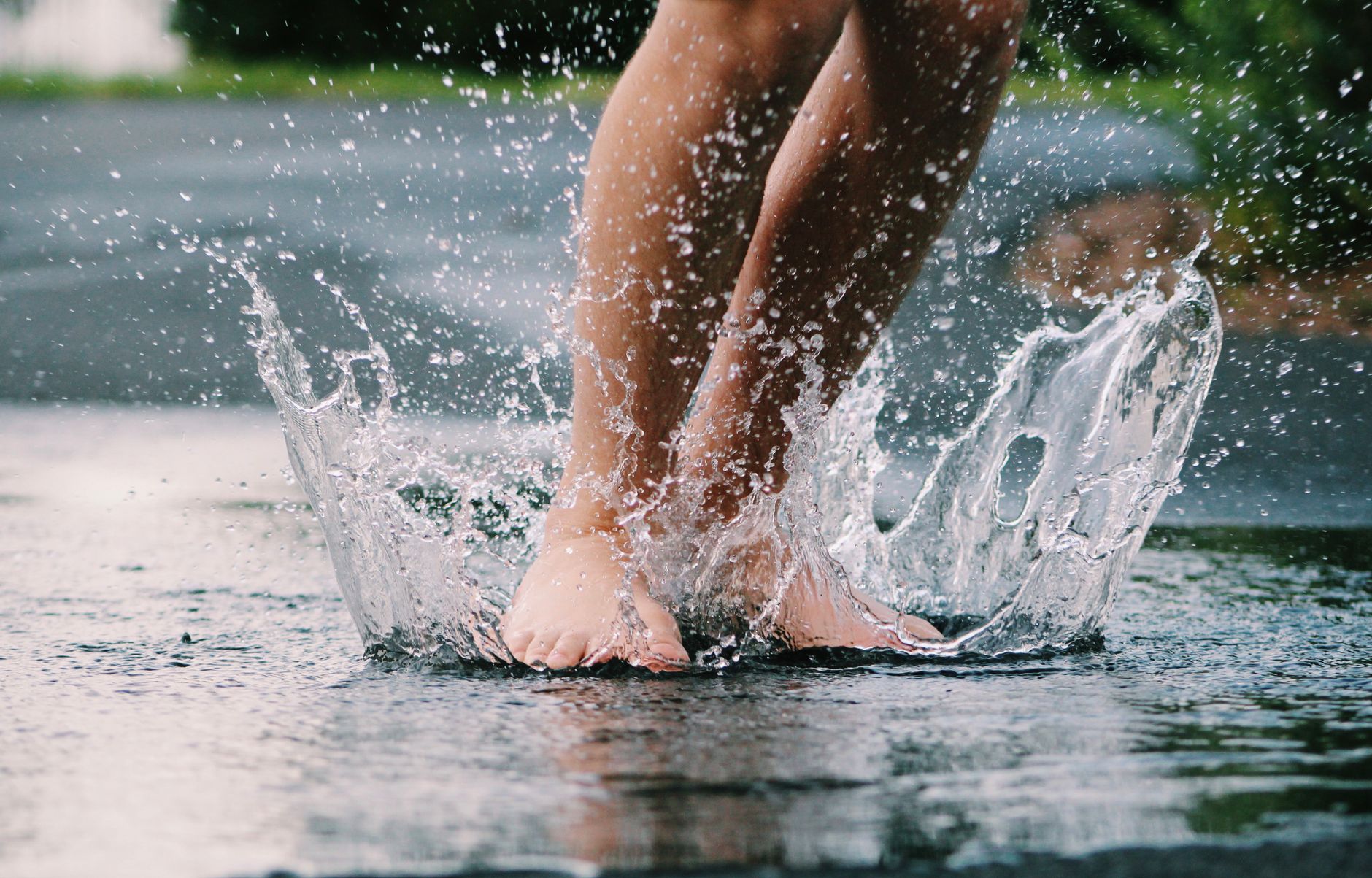
Wet footing is the hazard the whole plan is built around. An Oregon public health fact sheet lists splashes, poolside condensation and wet feet among the causes of slippery surfaces, and notes that footwear not made for pool decks, or walking barefoot, raises slip risk. A robot can shorten the time water sits on tile. It cannot change what swimmers and staff bring onto the deck.
The federal numbers are old. A 1976 CPSC release reported about 56,000 emergency room visits for pool, slide and diving board injuries that year, and it did not break out slips. Vendor sites quote newer injury totals, but I could not link them to a verifiable federal table, so this article leaves them out.
Which robots are on the market for wet pool areas?
Public listings for pool and wet area robots fall into two groups. The first is built for the water and the pool floor. The second is built for large hard floors. As of November 2026, these are the points I could confirm from public sources:
- Beatbot says its DrainPulse Module lets a robot service multiple underwater pool drains in one session, with app data stored per pool. This is an undated vendor claim about underwater drains, not deck drains.
- Weda B600 is marketed for Olympic pools and aquatic centers. Its listing states it has no drain capability.
- Tennant X6 ROVR is an autonomous floor scrubber launched in April 2025 and described for large commercial and light industrial spaces, according to press coverage.
- Gausium Scrubber 50 sweeps, scrubs and dries in one pass, with up to four hours of runtime per charge, according to a vendor listing.
Where do drains fit in a robot routine?
Drains are the weakest part of the evidence. The one drain claim I found, from Beatbot, concerns underwater pool drains. Nothing I checked describes a robot clearing a deck floor drain, a grate clogged with hair, or the standing water around a drain edge. Plan on staff handling grates by hand until a pilot shows otherwise.
Ask the vendor for a test on your exact grate type and debris load before any lease. Include the worst day you expect, such as the morning after a meet, when hair and grit are heaviest. Record what the robot leaves at each drain, not just whether the run finished.
What still needs hands on the locker room floor?
Locker rooms bring a separate mix of wet work. Staff still need to cover the places a scrubber cannot reach or cannot be trusted to finish. The practical list is short:
No source I found measured locker room tile, grout or drain performance for any of these models, so this list is a starting point for a pilot, not a finding.
- Clear grates and hair at deck and locker room drains before each robot run.
- Wipe shower thresholds, bench legs, locker bases and corners the scrubber cannot reach.
- Spot dry standing water at tile edges and grout lines, where a pass can leave a film.
- Respond to any slip, spill or guest complaint on the spot, then log it.
- Check the floor edge after each run for missed strips and mark them for the next pass.
Timing robot passes in the gap between sessions

Timing matters more than speed. The best window is the gap after the last swimmers leave the water and before the next session brings wet feet back onto the deck. Run the robot after standing water has been pulled toward the drains by hand, so the scrubber is not chasing puddles.
Before each run, clear the route. Move chairs, lane lines, mats and loose equipment, and check that no cords or carts sit in the path. Keep guests and staff off the route while the unit runs, and set signage at every entry.
Logging is the other half. Keep a simple sheet per run with start time, zone covered, drains checked by hand, missed spots and any stops. After two weeks, the sheet will show whether the robot earns the gap it takes.
How should a lease and service plan cover wet zones?
Service Robot Co. is a vendor neutral robot integrator, so we choose the unit for the floor instead of pushing one brand. We lease the robot on a three year lease through financing, with one fixed lease payment quoted after a site assessment. Before a quote, we map the wet zones, drain locations and routes, and we note where hand work stays.
The service side matters as much as the unit. Under RoboCare, our robot maintenance service plan covers integration, training and service, with on site dispatch and remote triage, backed by regional service engineers in every state we service. Ask any integrator for a written response time for a wet zone unit that goes down during a meet, and ask who answers at 6 a.m. when the deck has standing water.
Start with one zone, usually the open deck or the main locker room corridor, and run the pilot long enough to see a full week of sessions. Make the lease decision only after the logs and the drain tests show the robot is doing its share.
Frequently asked questions
Want a robot working for you?
Tell us the job and the site. We will recommend the robot, quote the lease, and keep it serviced.
Sources
- Beatbot blog: DrainPulse Module for pool drain cleaning (vendor claim, undated)
- Pool Bots: tile pool robot buyer guide (checked November 2026)
- DirectIndustry: Weda B600 listing (vendor listing, undated)
- Google Patents: US11759079B2 wet floor sensing scrubbing robot
- Spaces4Learning: Tennant X6 ROVR launch coverage, April 2025
- Hospitality Hub: Gausium Scrubber 50 listing (vendor reported, undated)
- Oregon Health Authority: pool slip resistance fact sheet
- CPSC: 1976 news release on swimming pool safety