Key takeaways
- USGA course-care guidance ranks practice tees among the hardest areas to keep healthy because divot wear outpaces fairway stress.
- Marker rotation and rope moves still need humans, but tee surround mowing can run on mapped autonomous passes on a set schedule.
- Systematic use rotation spreads foot traffic, yet mowing cadence must keep pace or collars thin before seed catches up.
- Lightweight GPS-mapped units fit tight tee corridors better than sending a fairway reel through pinch points every day.
- Service Robot Co. can finance, map, train, and service tee and fairway units under one OEM-neutral program.
Why do practice mornings disappear before the first lesson tee time?
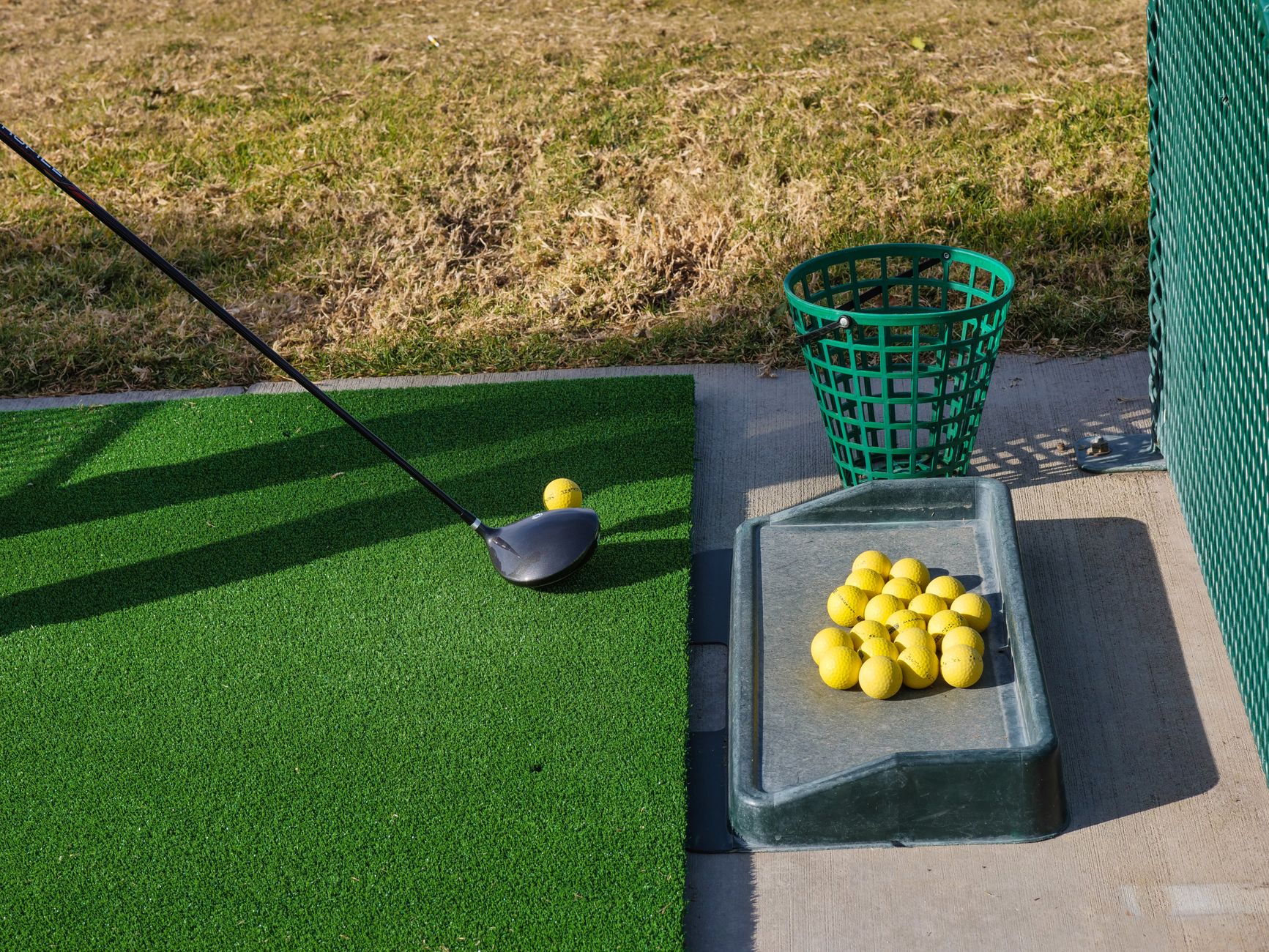
If your crew reaches the practice complex at dawn, the first hour often vanishes into divot fill, tee marker moves, and debris blow-off before a single surround gets a clean cut. According to USGA Green Section guidance, practice tees can be among the most challenging areas on a property to maintain because intensive use and constant divoting demand more labor and inputs than many fairway blocks.
Mowing still matters on those surrounds. Thin collars around a beaten hitting strip photograph badly on social media and signal neglect to members even when the fairways look fine. The fix is not to skip divot work. It is to stop tying your best mower operators to repeat passes they could schedule instead of babysit.
How is practice tee wear different from regular tee boxes?
Course tees see every group once per round. A busy practice tee can see hundreds of swings aimed at the same few yards of turf. USGA writers note that golfer habits and use patterns have an outsized impact on turf quality, which is why education and rotation programs matter as much as fertilizer.
Practice areas also mix goals. You may host clinics, junior programs, and casual warm-ups on the same strip that league players pound before weekend rounds. Pinch points near range dividers, ball washers, and shade trees concentrate wear in spots a fairway mower never touches cleanly.
Superintendents quoted in Golf Course Industry coverage have long treated tee complexes as high-visibility zones that deserve systematic programs, including daily marker placement and divot repair routines. Practice tees simply compress that workload into fewer acres with more events per hour.
What does a rotation schedule actually buy you?
USGA recommendations stress systematic use rotation, often with permanent markers that show staff how far to move ropes or dividers each week. That spreads divot damage and gives seed a recovery window on the section you close.
Rotation does not pause growth on the strips you keep open. Surrounds and approaches still need height control so mowers do not scalp when they finally enter a rested block. When mornings are spent only on rotation logistics, surrounds fall behind and you play catch-up before a tournament or member guest day.
A mapped mowing program holds the open strips on cadence while humans handle the rotation math. Geofences keep units out of closed recovery zones and away from range targets without asking an operator to memorize a new pattern every Monday.
- Close and rest one segment while mapped mowing covers only the active hitting surface and collars.
- Align autonomous runs with irrigation windows so fresh divot mix is not tracked before it sets.
- Log which tee face is live in the fleet app so night crews do not mow a closed block by habit.
Can lightweight GPS-mapped mowing fit tight practice corridors?

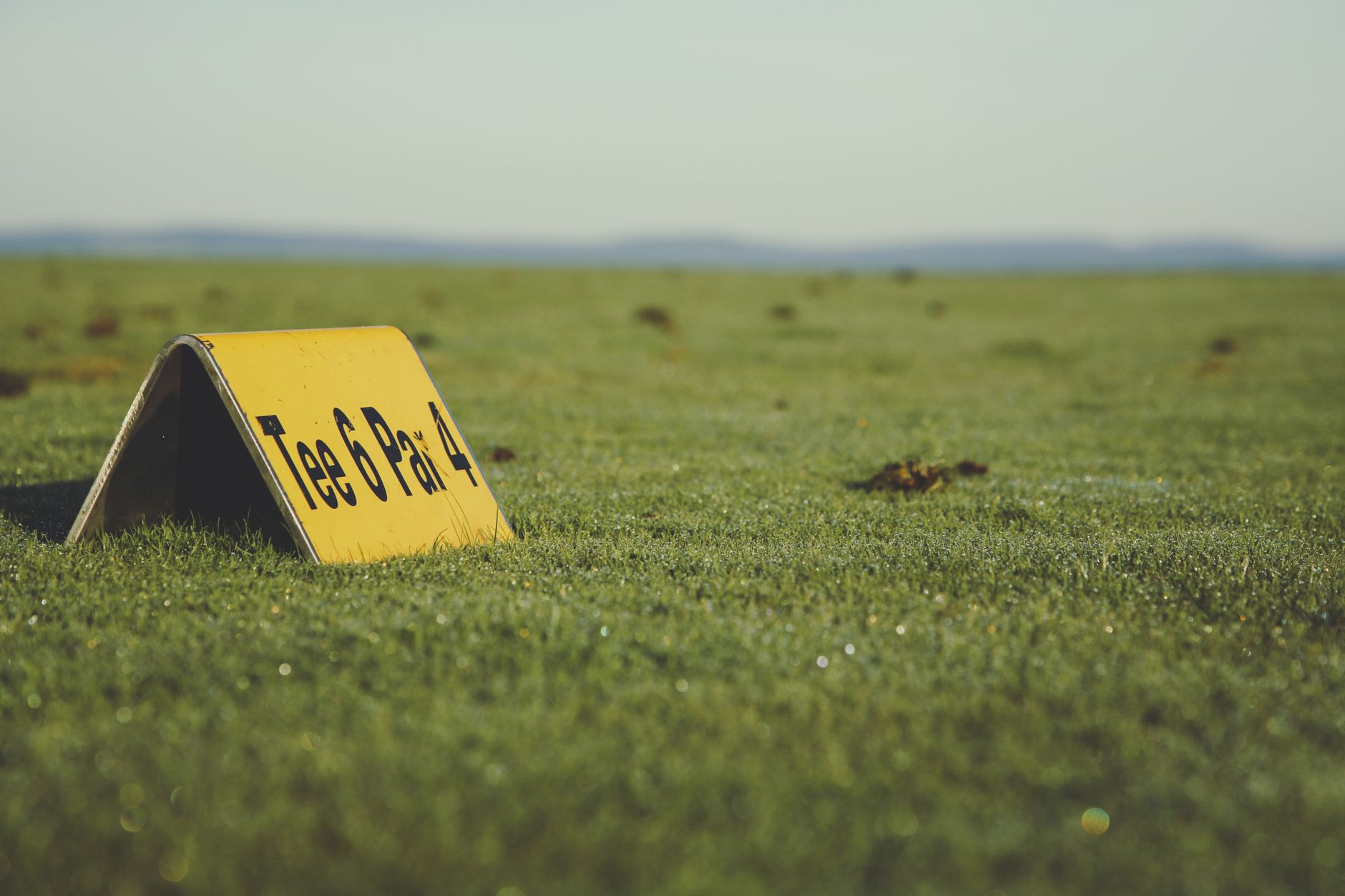
Fairway reels are built for width and speed on open ground. Practice complexes reward smaller footprints that turn inside cart paths, net lines, and teaching stations. GPS-mapped fairway and tee surround units follow taught paths, hold cutting height, and rerun only the strips you flag after a busy Saturday.
Mapping should include no-go zones for ball pickers, teaching pros, and temporary mats. GCMOnline notes that landscape pinch points and narrow access routes amplify wear on tee complexes, which is the same geometry that makes manual mowing tedious.
Autonomous mowing does not repair divots or move markers. It returns predictable striping on surrounds so your crew finishes divot work knowing the visual standard is already set for member photos.
How should divot crews and mowing programs share the clock?
Split the morning into two lanes. Humans start with marker rotation, divot fill, and trash on the active tee. A scheduled autonomous pass follows on surrounds once foot traffic shifts to breakfast or the first tee.
On heavy clinic days, flip the order. Run a light surround cut before peak traffic, then let divot staff work the hitting surface while the unit waits in a mapped hold area. The goal is to stop supervisors from choosing between divots and collars when both need attention before 8 a.m.
USGA guidance also reminds teams that practice tees need unique fertility and irrigation attention compared with course tees. Freeing mower hours does not replace those agronomic calls. It protects them from being delayed because someone was still riding surrounds at 9 a.m.

Where do monthly programs beat buying another surround mower?
A dedicated surround mower for practice alone is hard to justify on the capital sheet, especially at facilities that already own fairway iron. Monthly programs through a vendor-neutral integrator spread cost, bundle remote diagnostics, and let you pilot one season before committing.
Service Robot Co. selects units across manufacturers, finances buy or lease paths, maps the practice complex, trains staff, and services fleets nationwide. RoboCare keeps uptime predictable when a spring clinic week would otherwise force overtime.
If maps need a tweak after you widen a teaching station, the integrator updates software instead of you shopping for different iron. That agility matters on practice ground that changes more often than hole corridors.
What should you verify before signing a practice tee mowing program?
Walk every tee face with the integrator and mark mats, nets, picker lanes, and recovery zones. Confirm cutting heights match your cultivar and season, and spell out who updates maps when you add a short-game academy pad.
Review member communication for autonomous runs near lessons. Quiet hours and local noise rules still apply even when the unit is smaller than a fairway reel.
Align the contract with your rotation calendar. If USGA-style weekly markers drive closure timing, the mowing schedule should reference that document, not a generic fairway chart borrowed from the back nine.