Key takeaways
- Bowling concourses and arcades share wide hard-floor plates that are easy to map before guests arrive.
- All American Fun Park in Albany, Georgia reports about 212,000 square feet vacuumed in two months after a late January 2025 start.
- The operator credits the robot with replacing roughly 60 manual floor hours each month so staff can reset games and kitchens.
- Pre-open scheduling keeps autonomous units off lane approaches during league nights and birthday parties.
- Pin decks, gutters, and food zones still need human detail work after the robot finishes its routes.
Why do bowling centers struggle with floors before the doors open?
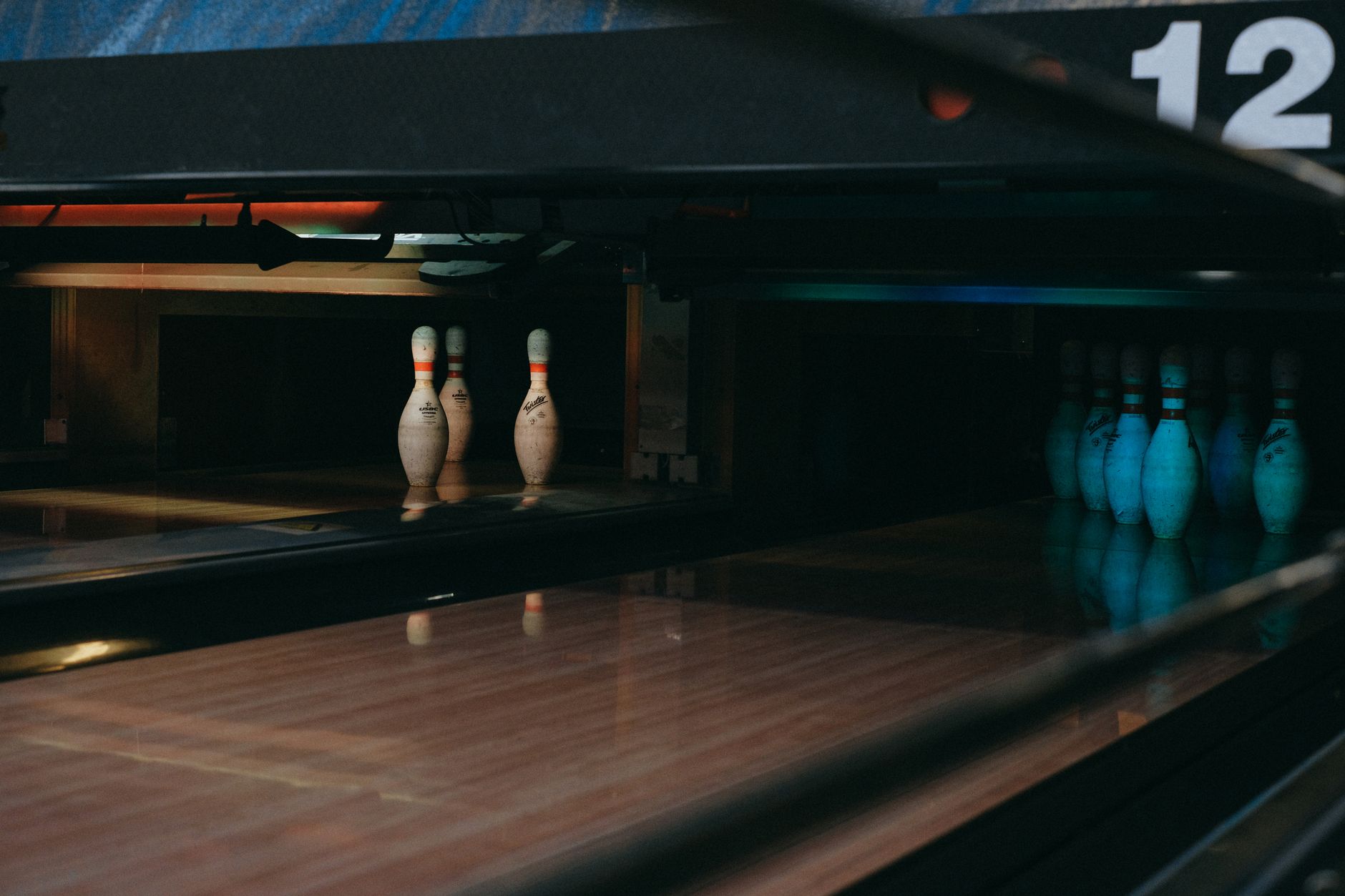
A bowling center is two businesses stacked together. The concourse carries soda spills, rental shoes, and birthday party traffic, while the arcade next door adds crumbs, ticket dust, and constant footfalls on polished concrete. Most sites run lean morning crews that must reset lanes, check pinsetters, and prep kitchens before the first league secretary walks in.
Traditional wide-area vacuuming steals the same hours your team needs for lane oil checks and prize counter restocks. That is why operators search for pre-open robot vacuuming: finish the open floor plates while humans handle tasks no machine should touch.
According to an RV-Tech customer story published in May 2025, All American Fun Park in Albany, Georgia faced exactly that pattern across bowling and arcade zones that each span about 3,000 square feet.
What did All American Fun Park change in early 2025?
The park added a ZACO X1000 commercial vacuum through local partner Cobotics by Bishop Clean Care, with daily runs starting at the end of January 2025, per the same RV-Tech testimonial.
Leadership mapped two indoor routes, one through the bowling floor and one through the arcade, and locked them into morning hours before guests arrived. The goal was not to impress visitors with a robot on the lanes; it was to hand back time to staff who still wipe tables, restock prizes, and walk safety checks.
Within two months the unit logged 19,750 square meters cleaned, about 212,000 square feet, across those repeat pre-open passes. Owner Jessie told RV-Tech she would recommend the unit to other operators, calling it the best employee on the team.
How should you map routes around lanes and game rows?
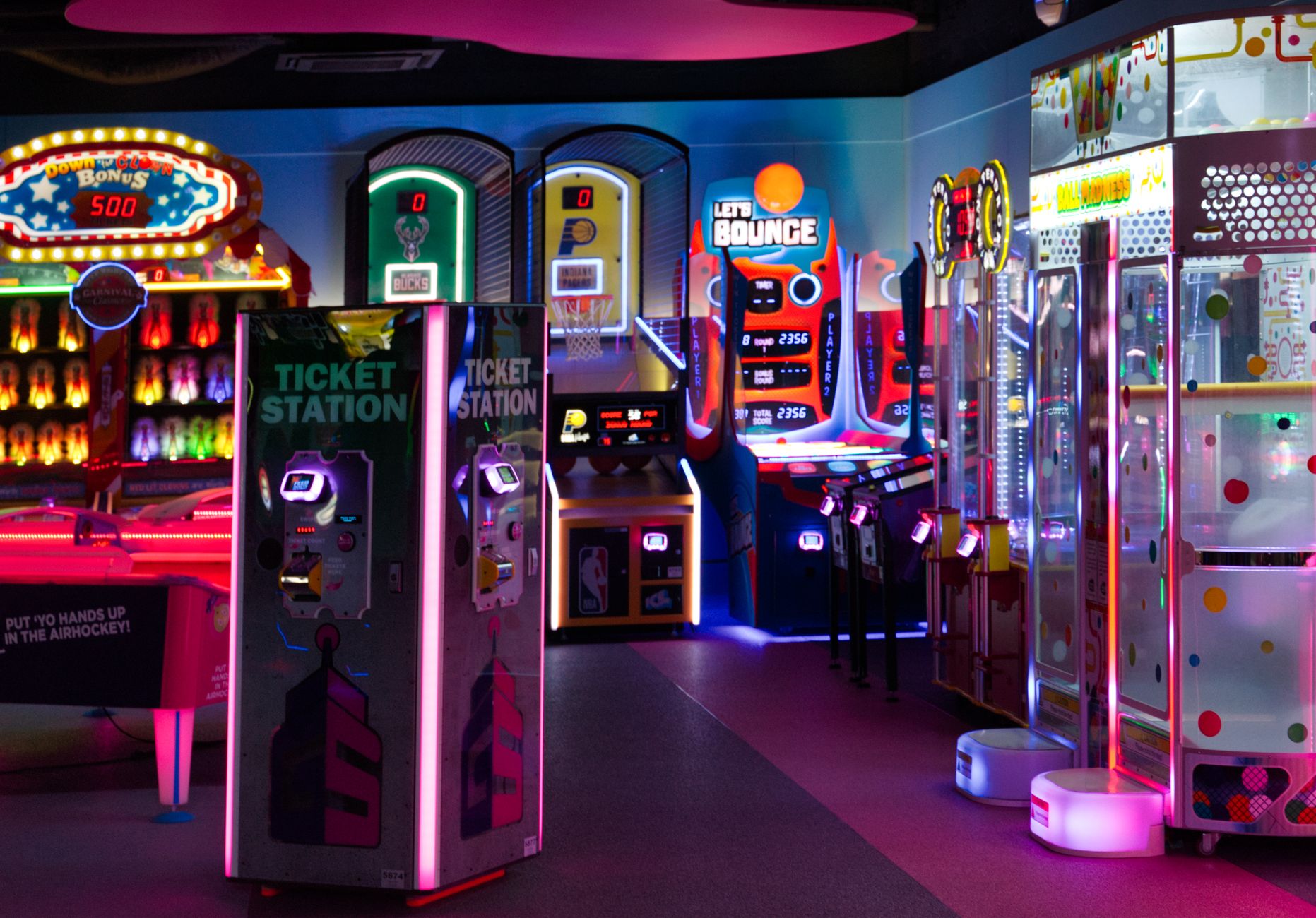
Start with the geometry bowling already gives you. Concourses are long rectangles with predictable pinch points at ball returns and shoe counters. Mark stay-out zones at lane approaches, pin decks, and party tables before you teach the robot its first loop.
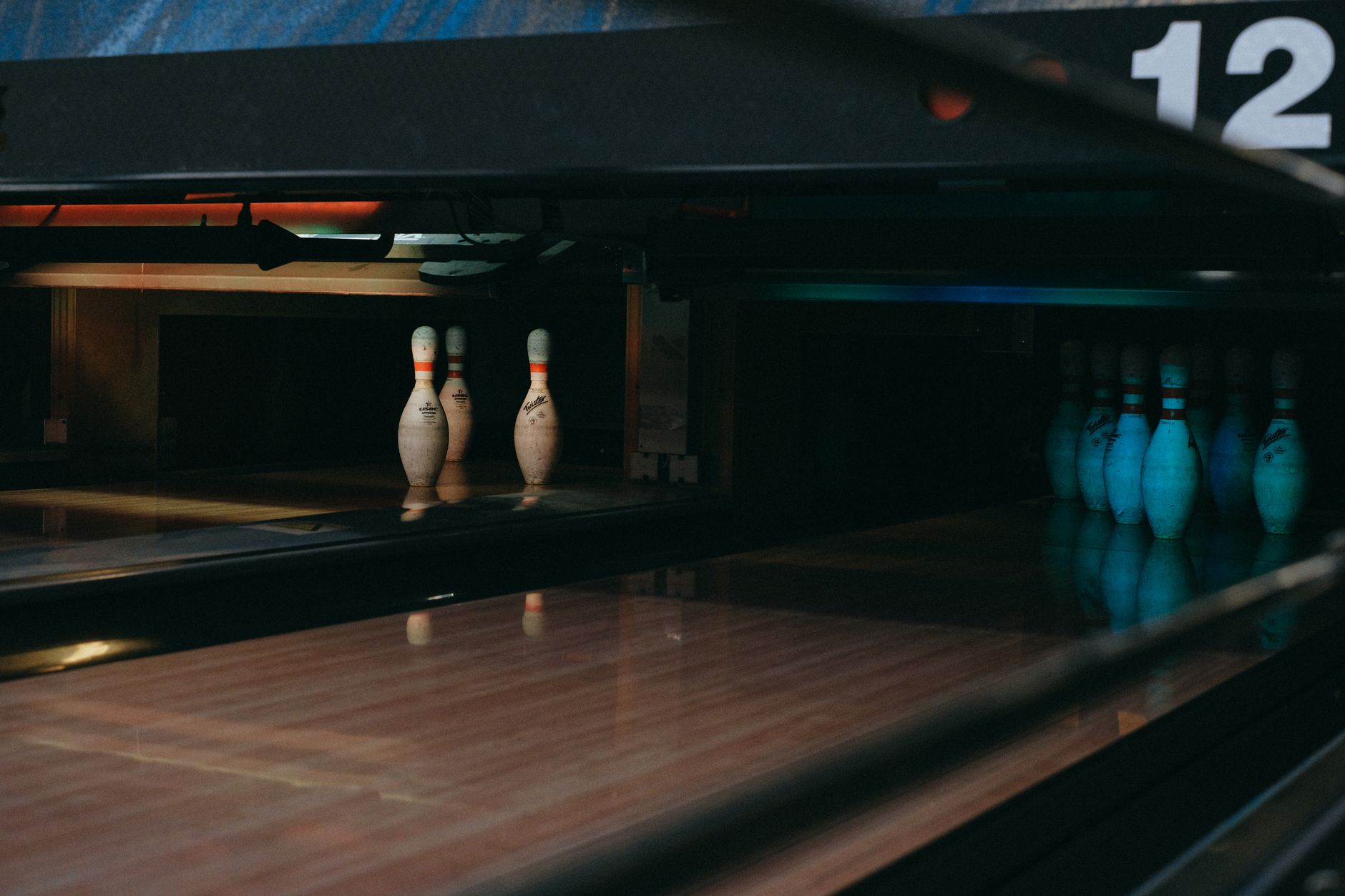
Arcades add cord islands and prize machines that change layout weekly. Photograph the floor during a quiet Tuesday, not a Saturday birthday rush, so your map matches the slowest day you automate.
Keep charging stations on maintenance corridors or back hallways so technicians can reach them without crossing active lanes during league setup. A route that finishes near the kitchen lets staff overlap robot retrieval with food prep checks.
- Tape stay-out buffers at lane approaches and gutters
- Schedule mapping walks when prize islands match your weekday layout
- Place home bases on paths crews already use at dawn
- Log who approves map edits after tournaments or remodels
When should the robot run if you host leagues and parties?
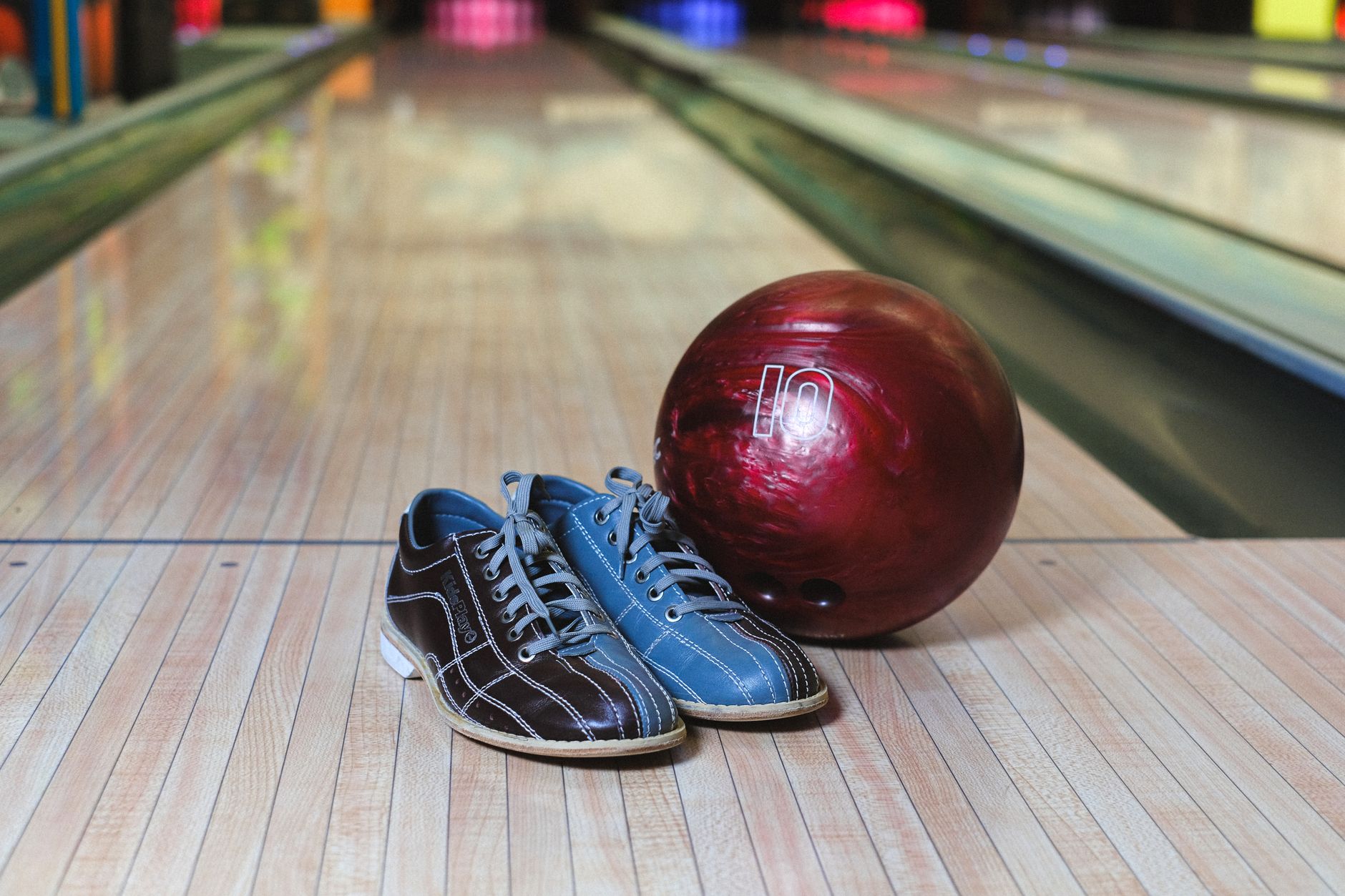
Pre-open vacuuming works when your calendar has a dependable quiet window. Family entertainment centers that open at noon still have a morning block; sites with midnight bowling need a second planning pass for daytime naps between shifts.
All American Fun Park runs the X1000 in morning hours ahead of opening, according to RV-Tech, which keeps the unit off the concourse while parties queue at the desk. Copy that discipline before you chase overnight scrubbing that collides with lane maintenance.
If you host corporate buyouts, treat those nights like map edits. A robot that learned a Tuesday loop may need a temporary exclusion zone when portable stages cover half the concourse.
What work stays with your crew after automation?
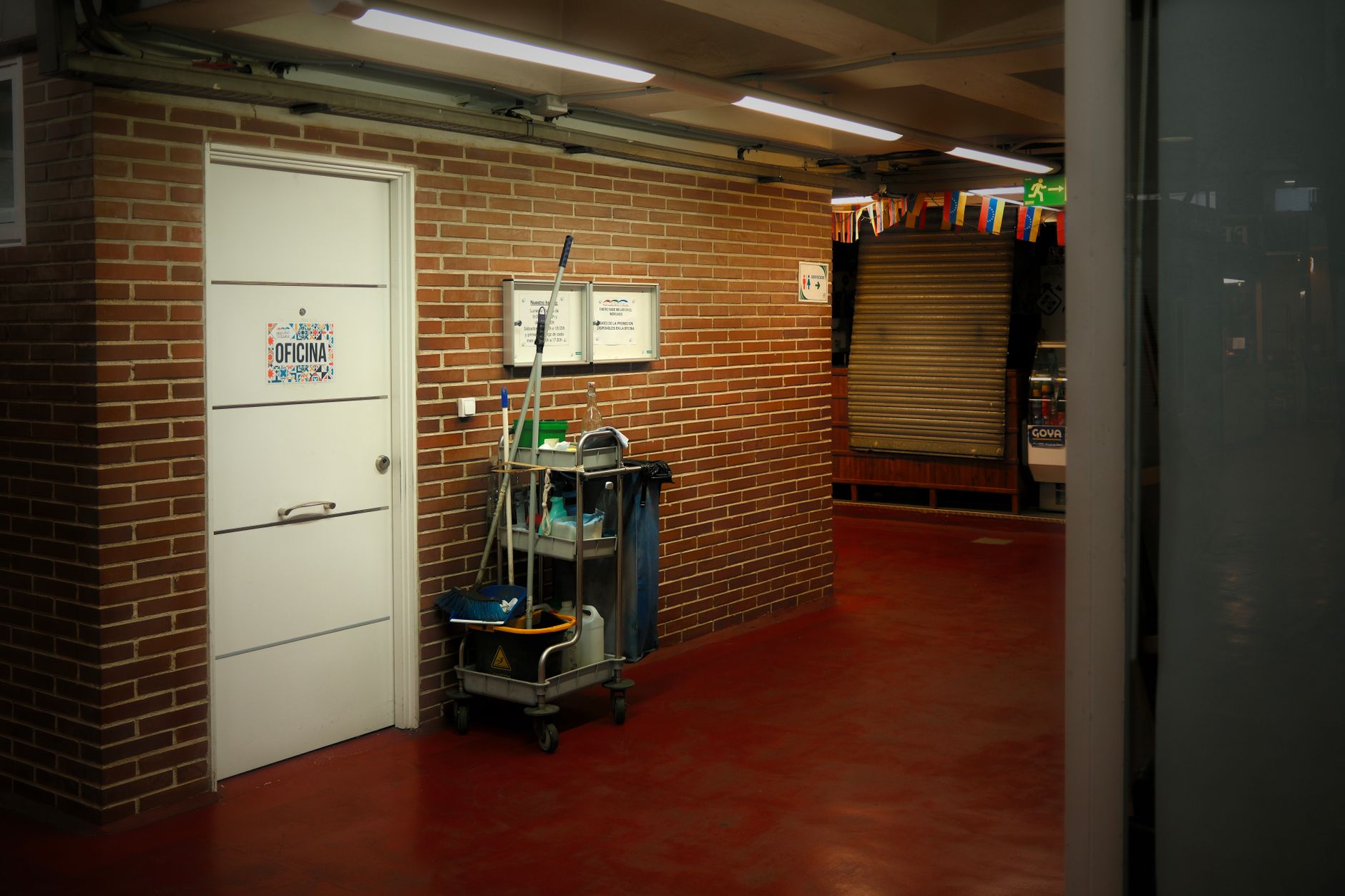
Autonomous vacuums excel on wide hard surfaces. They do not sanitize shoe racks, wipe ball polish off returns, or pull gum from arcade grates. The RV-Tech story notes that staff shifted toward detailed and labor-intensive tasks once the X1000 handled large-area passes.
Plan a ten-minute human walk after each robot cycle. Checkapproaches for streaks, confirm spill mats at snack bars, and verify arcade cords stayed inside stay-out tape. Those minutes are cheaper than a guest photo of a missed soda trail.
Kitchens, restrooms, and party rooms still need your checklist. Automation should shrink repetitive pushing, not erase your quality standard.
What numbers should you track in the first quarter?
Measure square feet covered per week, not just whether the floor looks fine at open. All American Fun Park documented about 212,000 square feet in two months, which proves the routes ran on schedule instead of sitting in a closet.
Track manual hours your opener spends on wide vacuuming before and after go-live. The same testimonial attributes roughly 60 monthly hours returned to the team, which you can compare against your own time study.
Note guest comments about dust near prize counters and stickiness at ball returns. Flat guest feedback with rising robot hours tells you to adjust maps, not blame the machine.
Where does an integrator fit a bowling or arcade rollout?
Service Robot Co. walks the concourse and arcade with your opener, marks stay-out zones, and matches autonomous vacuums or scrubbers to the floors you actually run each morning. We finance units through buy or lease programs, deploy maps, train staff on start-of-shift routines, and back the fleet with RoboCare service from regional engineers.
A free site assessment is the right time to argue about charger placement, not after a birthday party covers your home path. Bring league schedules, fire lane widths, and photos of cord layouts so the first map survives real operations.
Bowling centers that treat pre-open vacuuming as crew relief, not a guest attraction, see the fastest payback in hours returned to resets and food prep.
What should you ask vendors before you buy or lease?
Ask how the unit handles transitions from concourse tile to arcade carpet without leaving debris lines. Ask whether remote support can replay last night route if a prize machine moved six inches.
Ask for references from other family entertainment centers, not only grocery chains. Bowling traffic patterns differ, and you want proof someone mapped around ball returns successfully.
Ask who updates firmware when your pinsetter vendor changes lane approach mats. Integrators who document those touchpoints save you from surprise reboots on opening day.