Key takeaways
- Walk the mapped course before the first unit leaves its station, every morning the robots run.
- Six checks cover the walk: debris, flags and tee markers, sprinkler heads, aeration plugs, wet low spots, and equipment left on the course.
- Every item ends as cleared, marked for a reroute, or held, and every finding goes in the log.
- Sensors help, but they do not replace the walk, and no source we reviewed sets hold criteria.
- The crew lead on the walk can stop a pass on the spot for listed hazards, and the superintendent decides when it resumes.
What should the morning walk check before a fairway robot rolls?
Before the first autonomous pass of the day, a superintendent or crew lead walks the mapped fairways and checks six things: debris, flags and tee markers, sprinkler heads, aeration plugs, wet low spots, and equipment left on the course. Each item ends in one of three states: cleared, marked for a reroute, or held. The walk is logged every morning, including mornings when nothing turns up.
Onboard cameras and sensors do not replace that walk. Toro's product page for its GeoLink autonomous fairway mower, checked in November 2026, describes manual and autonomous operation. A trade report describes machine vision on the same mower, but that claim is vendor reported and untested by us. Neither source says the unit handles every item on this list unaided.
A word on sourcing. We found no golf specific checklist from a governing body or university extension service, and no published hold criteria or thresholds for aeration plugs or wet spots. What follows is a structure built from the turf and vendor material we could check, plus field logic. Set the triggers in writing before the season starts.
How much debris should the walk clear before the first pass?
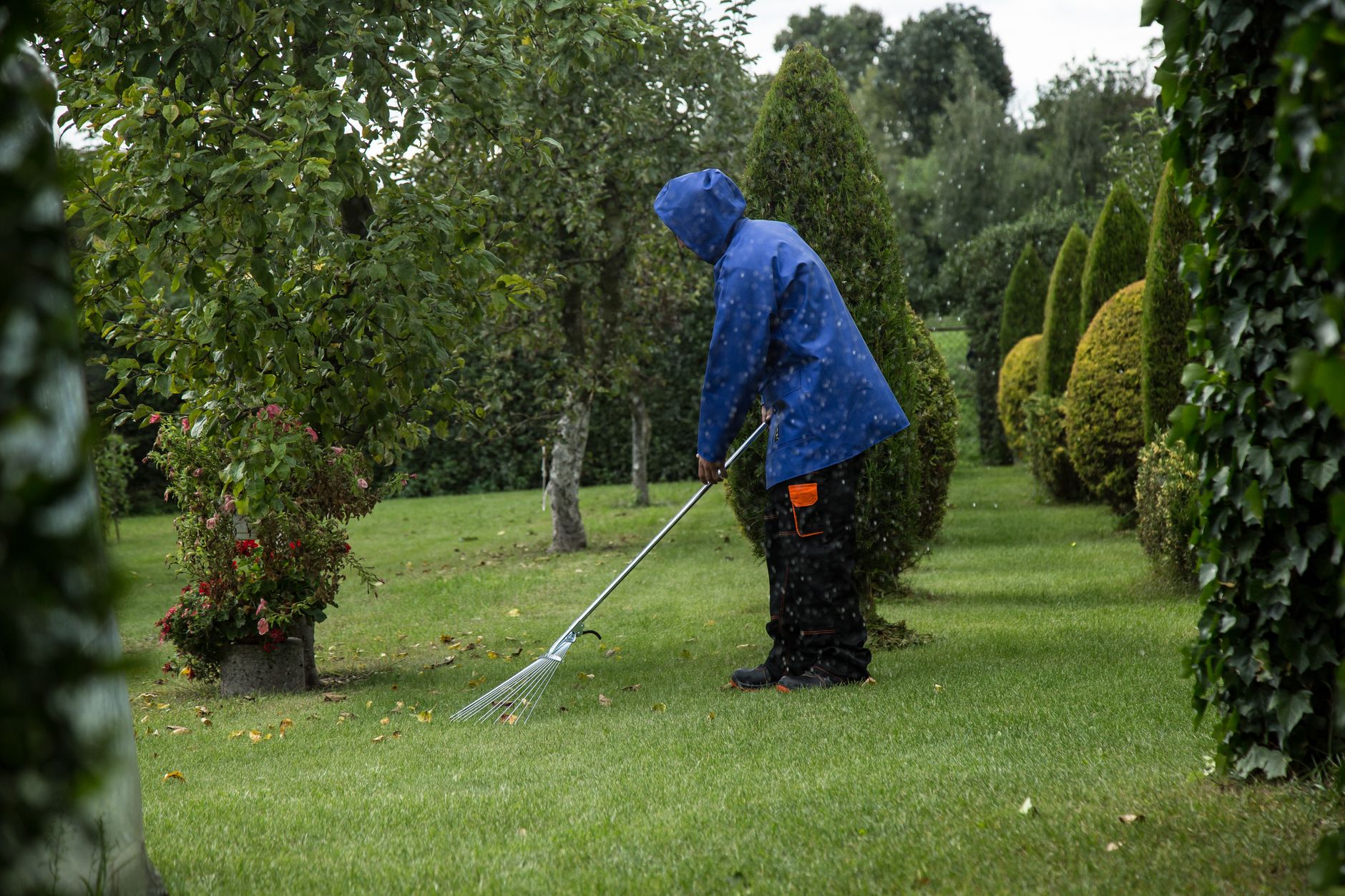
A turf safety article we reviewed recommends a thorough mower inspection before each day's work, plus walking the area to pick up rocks, sticks and similar debris, because a mower can throw them. Walk the fairway corridors and the rough lines where wind and clippings collect. Check cart path edges, bunker lips and the strips where crews stage material.
Pick up anything that is not a fixed course feature: branches, stones, bottle caps, broken tees, pin sheets, pieces of hose. Debris too heavy to lift or too widespread to clear in the window goes on the log as a marked area, and the pass routes around it instead of running blind.
How should flags, tee markers and keep out zones be handled?
We found no source that says how a mower treats flagsticks or tee markers as physical objects. A patent uses flagstick location as a reference for approach angles, which is not the same as an avoidance rule. Until your vendor confirms in writing what the unit does with each object, the crew moves flags and markers out of the mapped path or flags them, and the lead logs which ones moved.
Keep out zones belong in setup, not in the morning. According to a club report on Presidio Golf Club's robotic greens mower, which we reviewed in summary form, the mower stops when blocked by something like a golf ball and does not enter preprogrammed keep out zones such as bunkers. That is a greens unit at one club, so treat it as a question to ask your vendor, not as a spec. A Carnegie Mellon University golf mowing project describes sensing and avoiding small obstacles such as golf balls, which is a research aim rather than proof of field performance. A vendor note adds that properties with multiple zones need more setup time up front, so map zones before the walk begins and let the walk verify them.
Where do sprinkler heads and buried hardware need a close look?
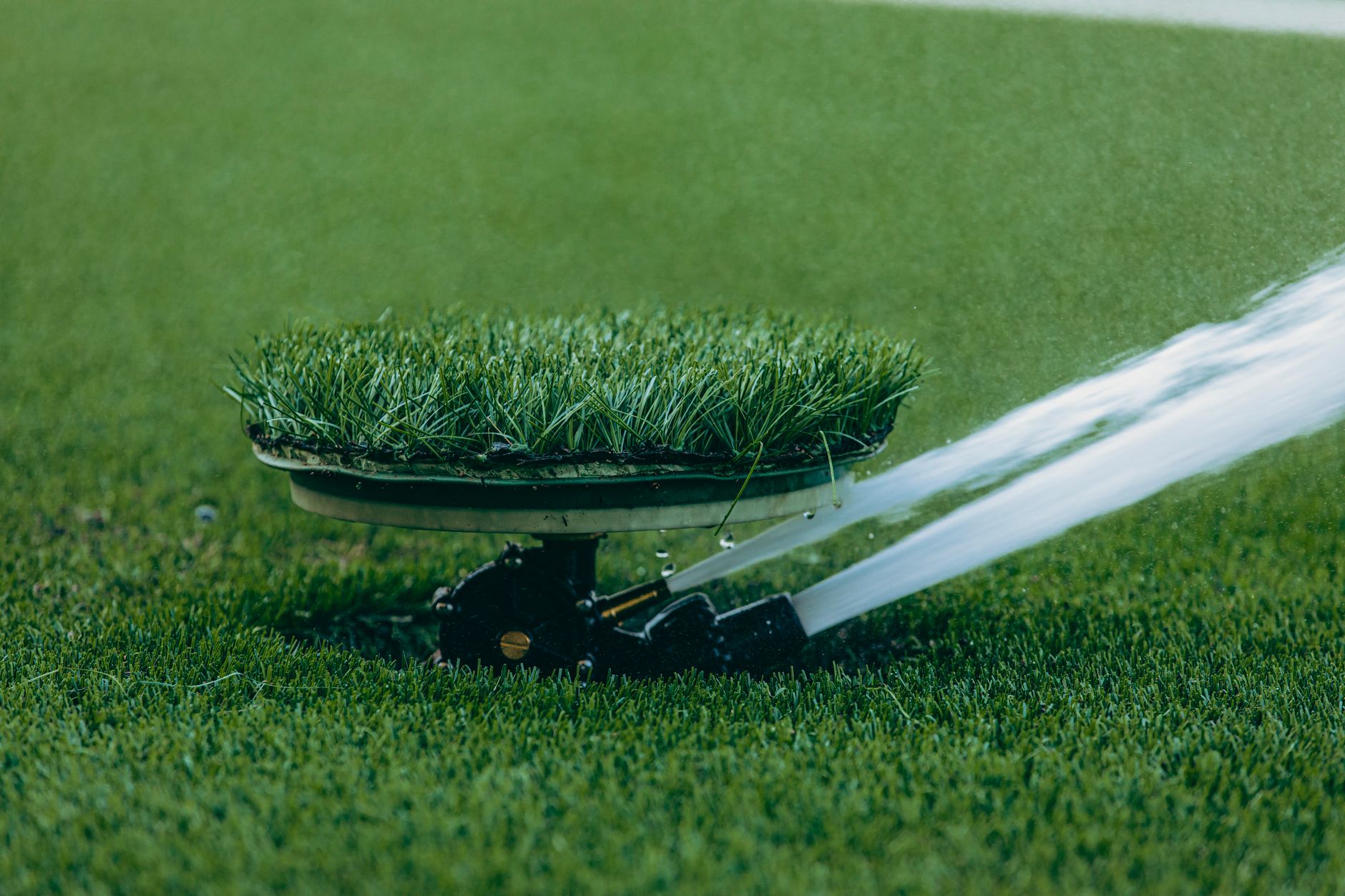
A Canadian patent summary states that if a mower drives over a sprinkler line, the deck may be destroyed, and that these small objects are often at least partly covered by grass. A glance at the turf will miss them. Include a probe with a foot or a rod along the head lines during the walk.
Home irrigation guidance we reviewed notes that sprinkler heads are often damaged by lawn equipment or severe weather, and that they can clog with dirt or debris. On the walk, look for heads that stand raised, lean, crack, or sit low in a divot, and check for heads struck recently that were never repaired. A struck head goes on the log with its zone number and a photo, and the repair crew gets the job, not the mower.
What do aeration plugs and wet low spots change about the pass?
Aeration plugs left on the surface are a debris question with a turf quality cost. Decide with the superintendent in advance whether plugs are picked up, worked into the turf by the crew, or left with the area marked for a hold. The log should record the approximate extent, the zone, and the decision. We found no verified figure for plug density, so the trigger is a rule your team writes, not a number we can give you.
Wet low spots need a different test. Walk the low areas after rain or heavy irrigation, and treat standing water or a footprint that sinks deeply as a reroute or a hold. Crossing saturated turf can leave ruts that show later in the cut. We did not find a published threshold for wet turf, so set the rule with your superintendent and confirm the unit's traction guidance with the vendor.
What equipment left on the course should stop a pass?
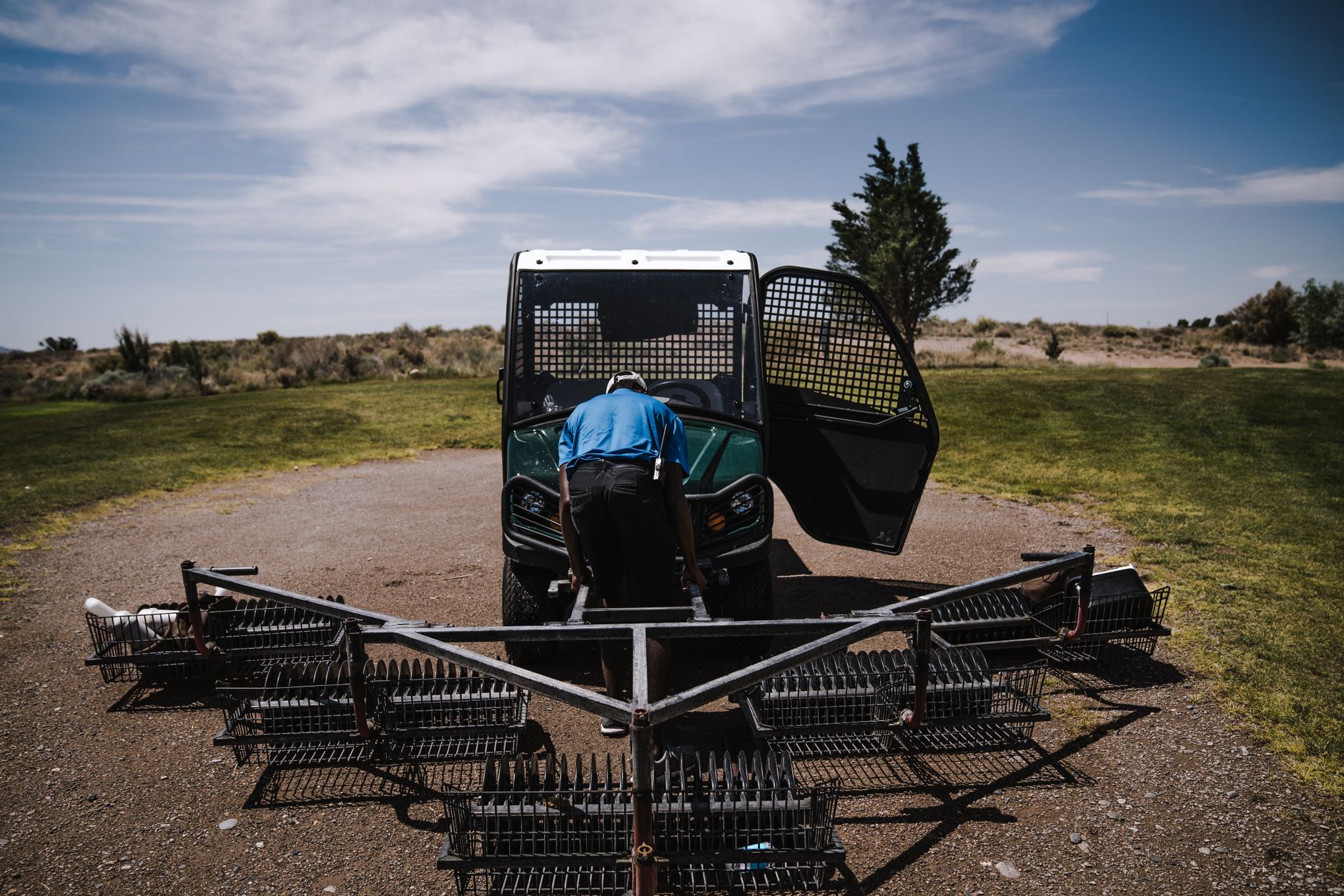
Carts, rakes, bridge boards, pin sheets, spray hoses, buckets and tool trays are easy to leave behind after a shift and easy to miss on a quick look. Anything that is not a fixed course feature gets cleared before the unit starts. If it cannot be moved in time, the zone holds.
Vehicles are a separate case. A utility vehicle or sprayer parked on the course is a hold for that zone until the operator moves it, and the lead records the operator name in the log so the cause can be addressed the next day.
What should the morning log record?
Keep the log short enough to fill out before the first tee. A paper form or a shared sheet works, and a photo of any hold takes only a few seconds. The generic riding mower inspection form that a university environmental health and safety office publishes is a useful model for layout, although it is not golf specific.
- Date, start time, and the name of the person who walked the course
- Each of the six items marked cleared, marked for reroute, or held, by hole or zone
- A photo for every hold and every struck sprinkler head
- The decision, the name of the person who made it, and the time the pass started or was delayed
- Any equipment or vehicle that was moved, with the operator's name when known
When should a pass be held, and who makes the call?
No source we reviewed sets hold criteria or names who authorizes one, so treat what follows as a structure to adopt and adjust in writing. Hold a zone when the walk finds a physical hazard to the unit or to play: a struck or raised sprinkler head, an object in the path that cannot be moved in time, or standing water on a low spot. Clear and run when the item can be removed inside the walk.
The crew lead on the walk stops a pass on the spot for any listed hazard, because that person is on the course and can see it. The superintendent decides when a held zone resumes or when the pass is rerouted. Calls to the vendor concern unit behavior, not the morning decision, and they belong in the log.
Service Robot Co. is OEM neutral, so the walk you write does not depend on which manufacturer's mower you run. We select the units, lease them on a three year lease with one fixed payment quoted after a site assessment, deploy and integrate them, train crews on routines like this one, and service each unit under RoboCare, backed by regional service engineers in every state we service.
Frequently asked questions
Want a robot working for you?
Tell us the job and the site. We will recommend the robot, quote the lease, and keep it serviced.
Sources
- Toro GeoLink Autonomous Fairway Mower Series product page
- Canadian patent 3186035 summary (CIPO)
- Liberty Home Guard, inspecting your lawn sprinkler
- Turf Magazine, mowing safety
- Fullerton university EHS lawnmower pre-trip inspection form
- GolfPass, robotic greens mower at Presidio Golf Club
- Carnegie Mellon Robotics Institute, golf course mowing project
- Landscaper Magazine, Husqvarna-related article