Key takeaways
- Quadruped robots eliminate the need for humans to enter dangerous and confined under-floor spaces for inspections.
- These dog-like robots can navigate uneven terrain, stairs, and obstacles that stop wheeled or tracked robots.
- Equipped with sensors like thermal cameras, 3D LiDAR, and gas detectors, they provide more detailed and consistent data than human inspectors.
- Using a robot-as-a-service model allows companies to deploy this technology without a large upfront capital investment.
- Automated inspections reduce downtime, improve safety, and provide a faster return on investment through early issue detection.
Why Use a Robot for Crawl Space and Under-Floor Inspections?
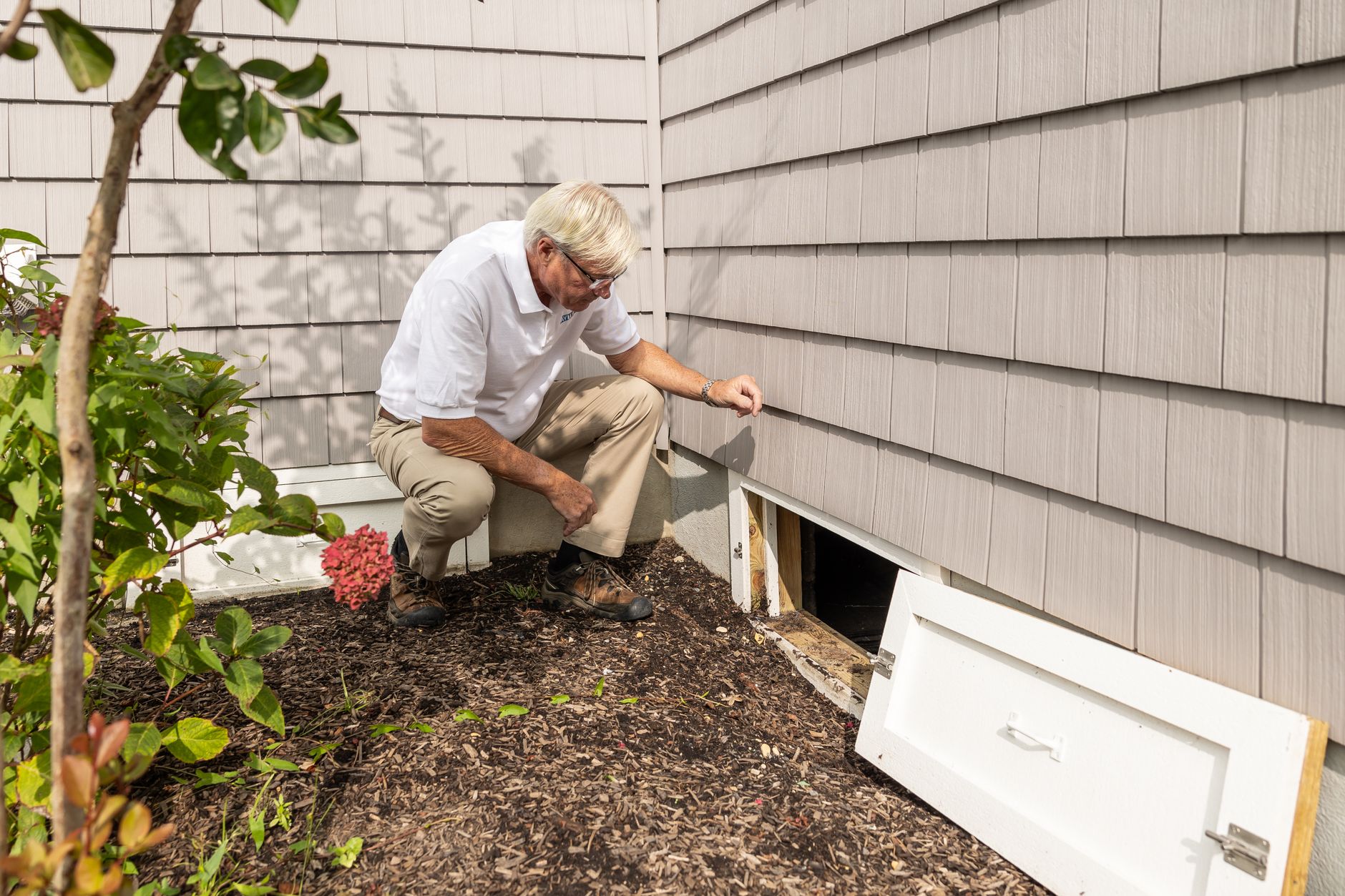
Inspecting the tight, dark spaces under buildings and industrial machinery is a classic example of a task that is dull, dirty, and dangerous. For humans, these environments present significant risks, from exposure to mold, asbestos, and pests to the dangers of improper wiring or structural collapse. These inspections are physically demanding, time-consuming, and prone to human error and inconsistency.
Dog-like quadruped robots fundamentally change this equation. These agile, four-legged machines can enter and navigate complex, unstructured environments that are inaccessible or hazardous for people. Unlike wheeled or tracked robots, they can traverse stairs, step over pipes, and maintain balance on uneven ground, making them ideal for the unpredictable terrain found in crawl spaces and beneath large equipment.
By sending in a robot, facility managers and building contractors can remove their personnel from harm's way entirely. The robot gathers high-quality, repeatable data using an array of sensors, providing a far more detailed and accurate assessment than a human inspector could achieve alone in such challenging conditions. This enhances safety, improves data quality, and allows skilled technicians to focus on analysis and repair rather than hazardous data collection.
What Dangers Do Human Inspectors Face?
The list of hazards in crawl spaces and under-floor areas is extensive. According to OSHA, many of these locations qualify as permit-required confined spaces, which have limited means of entry and are not designed for continuous occupancy. This classification alone mandates strict safety protocols due to potential atmospheric and physical dangers.
Atmospheric hazards are a primary concern. Poor ventilation can lead to oxygen-deficient atmospheres, while the presence of sewer lines or chemical seepage can introduce toxic or flammable gases. Beyond the air itself, these spaces often contain biological and chemical threats.
Common environmental hazards include:
These physical and environmental risks make manual inspections a high-liability activity. Sending a robot eliminates this direct human exposure, ensuring compliance with safety standards and protecting employee health.
- Mold and fungi, which can cause allergic reactions and respiratory problems.
- Asbestos from older insulation materials, which is a known carcinogen.
- Waste from rodents and other pests, which can carry diseases like Hantavirus.
- Improper or damaged electrical wiring, posing a risk of shock in potentially damp conditions.
- Standing water or sewage, creating electrical hazards and exposure to pathogens.
- Structural issues like rotted supports, which could lead to collapse.
What Can Quadruped Robots See and Detect?
Modern quadruped robots are not just mobile platforms; they are sophisticated data-gathering tools. Their true value comes from the advanced sensor payloads they can carry into these difficult-to-reach areas. This allows for a multi-faceted inspection to be completed in a single autonomous patrol.
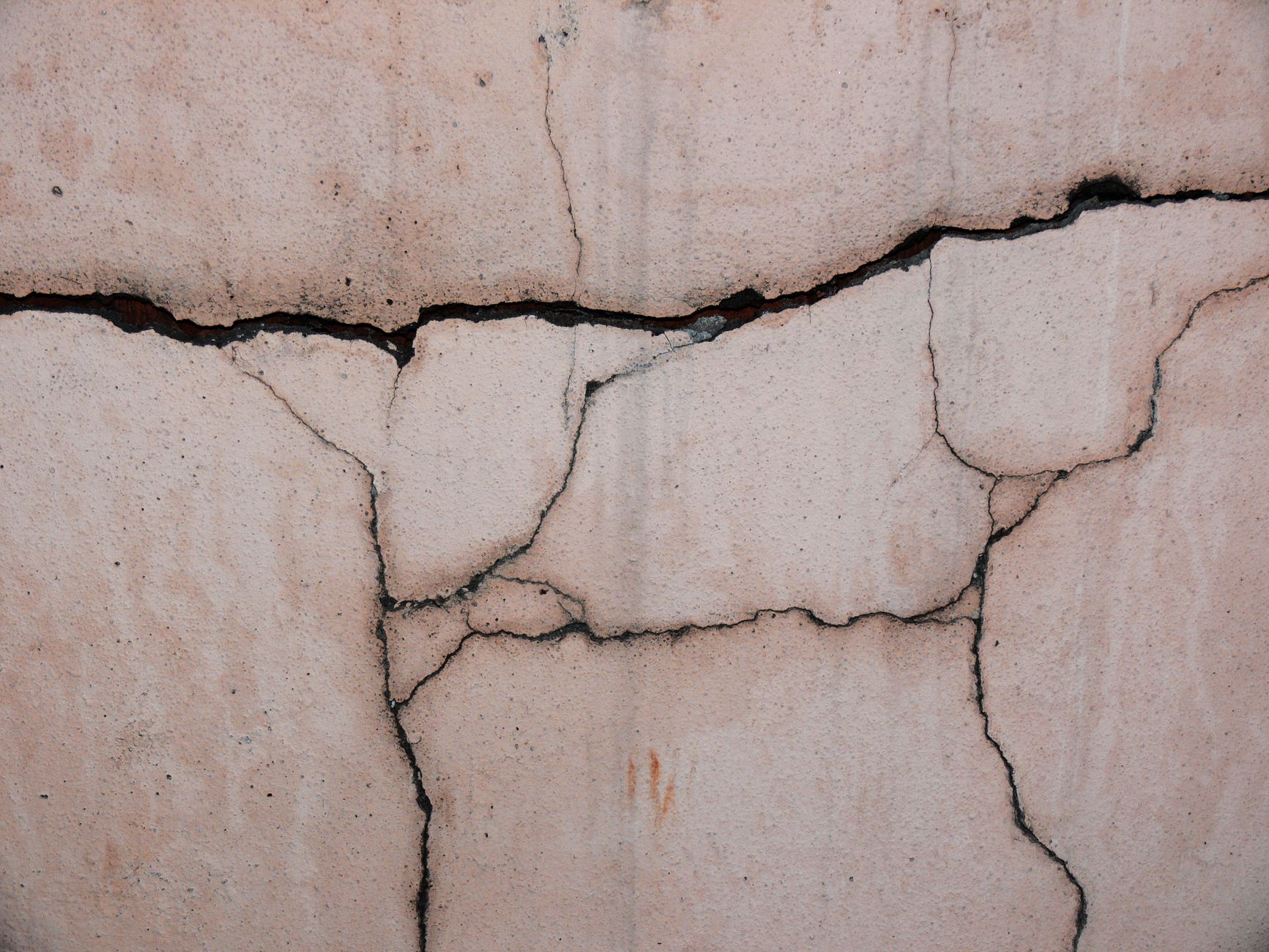
A typical inspection payload can combine several sensors to build a complete picture of the environment's condition. High-definition and thermal imaging cameras are standard. The visual cameras can spot cracks, leaks, and pest infestations, while thermal cameras identify water intrusion, heat loss, or overheating mechanical components long before they fail.
Three-dimensional laser scanning, or LiDAR, creates precise digital models of a space. This allows for millimeter-accurate measurements of structural sag, foundation cracks, or pipe corrosion. By comparing scans from different dates, facility managers can track the progression of an issue over time with complete objectivity.
Other specialized sensors can include:
This combination of sensors delivers data that is far more comprehensive and consistent than what a human inspector, working in the dark with a flashlight, can provide.
- Acoustic imagers to detect pressurized gas or air leaks.
- Gas detectors for methane, carbon monoxide, or other harmful chemicals.
- Vibration sensors to monitor the health of pumps and motors under industrial equipment.
How Does a Robotic Inspection Work in Practice?
Deploying a quadruped for an under-floor inspection begins with a simple route plan. An operator can either tele-operate the robot on its first patrol or define autonomous waypoints on a map of the facility. During this initial run, the robot's onboard sensors map the environment, allowing it to navigate independently on all future missions.
Once programmed, the robot can execute its inspection route autonomously, even in complete darkness. It can be scheduled to run patrols at any frequency, from daily to annually, ensuring consistent monitoring without disrupting operations. The robot's four-legged design gives it superior mobility over wheeled alternatives, which struggle with the debris, stairs, and uneven ground common in these spaces.
During its patrol, the robot collects and time-stamps data from all its sensors, linking it to specific locations on the map. This information is transmitted wirelessly to a central dashboard where facility managers can review it in real-time or analyze it later. If the robot detects an anomaly, such as a temperature spike or a gas reading above a set threshold, it can send an immediate alert to maintenance teams. This transforms maintenance from a reactive or scheduled process to a predictive one, catching small problems before they become costly failures.
One Partner for Your Entire Robotics Journey
Adopting new technology like quadruped robots can seem complex, involving hardware selection, software integration, staff training, and ongoing maintenance. This is where a vendor-neutral, full-service integrator becomes essential. At Service Robot Co., we manage the entire lifecycle of your robotics program, providing a single point of contact for US businesses nationwide.
Our process begins with understanding your specific inspection needs. Because we are OEM-neutral, we are not tied to a single manufacturer. We select the right quadruped platform and sensor payload from across the market to solve your unique challenge. We then handle deployment, including site mapping and integration with your existing facility management systems.
But our partnership does not end at deployment. Service Robot Co. provides comprehensive training for your staff to ensure they are confident in operating and interpreting the data from the robots. Our nationwide network of engineers handles all service and maintenance, with on-site dispatch and remote triage to guarantee zero downtime. We offer everything from outright purchase and leasing to a Robot as a Service (RaaS) monthly subscription, making the technology accessible without significant upfront capital.
What is the Business Case for Robotic Inspection?
The return on investment for quadruped inspections is driven by several factors. The most immediate benefit is the reduction in labor costs and the elimination of safety risks associated with sending humans into confined spaces. This also lowers insurance liability and prevents the costs associated with workplace injuries.
The data quality and consistency from robotic patrols lead to significant operational savings. AI-powered analysis can detect subtle changes over time that a human inspector might miss, enabling predictive maintenance. According to one report, manufacturers using quadruped patrols have seen a 15–30% reduction in unplanned downtime by catching equipment issues early.
For building contractors, offering robotic crawl space inspections provides a clear market differentiator. It demonstrates a commitment to safety and technology while delivering a more thorough and documentable report to clients. This enhanced accuracy reduces the risk of overlooking costly issues like foundation damage or widespread mold, which could lead to future disputes.
The Robot as a Service (RaaS) model further improves the business case by converting a large capital expenditure into a predictable monthly operating expense. This subscription often includes all maintenance, support, and technology upgrades, making it easier for businesses of any size to adopt automation.