Key takeaways
- Members notice wet stone entries before they notice a new menu item.
- Arapahoe County reported a 3.9 percent unemployment rate in 2025, yet facilities roles stay competitive.
- Quiet-hour maps keep scrubbers away from valet peaks and spa appointments.
- Delivery robots cut back-of-house walks for linens, samples, and supplies.
- Service Robot Co. offers vendor-neutral rentals with nationwide service support.
Why quiet-hour scrubbing matters in upscale member facilities?
Cherry Hills Village and neighboring Greenwood Village properties host country clubs, tennis centers, and medical suites where appearance is part of the product.
Guests arrive early for tee times, training sessions, and appointments. A wet locker corridor or hazy lobby tile reads as neglect within minutes.
Quiet-hour autonomous scrubbers recover water on hard surfaces after staff finish turnover, so openings stay dry and discreet.
Compare one emergency mop call to a scheduled scrubber pass. The robot does not replace hospitality leaders, but it stops the same foyer from being hand-scrubbed twice before brunch service.
What building types dominate Cherry Hills Village?
The city is primarily residential in Arapahoe County, with the Village Center and Joint Public Safety Facility on East Quincy Avenue anchoring municipal services.
Official directories list Cherry Hills Country Club, Arapahoe Tennis Club, and nearby restaurants that draw steady local traffic.
Low-rise medical and professional offices along Belleview and University corridors add clinic waiting rooms and procedure suites that need nightly floor care.
Cherry Hills Village official notices also remind Denver Water customers about irrigation restrictions during drought years, which can increase dust at entries when lawns go dormant.

How tight is facilities hiring in Arapahoe County?
The U.S. Bureau of Labor Statistics reported a 3.9 percent average unemployment rate for Arapahoe County in 2025 through the LAUS program.
Even with moderate jobless rates, experienced custodial leads and facilities techs are shared across clubs, clinics, and office parks in the south metro.
Automating repeatable scrubbing and interior delivery loops protects member experience without stacking overnight overtime on the same crew.
Facilities directors often borrow staff from sister properties in Greenwood Village or Centennial when tournaments stack on the same weekend.
What should you map before the first quiet-hour route?
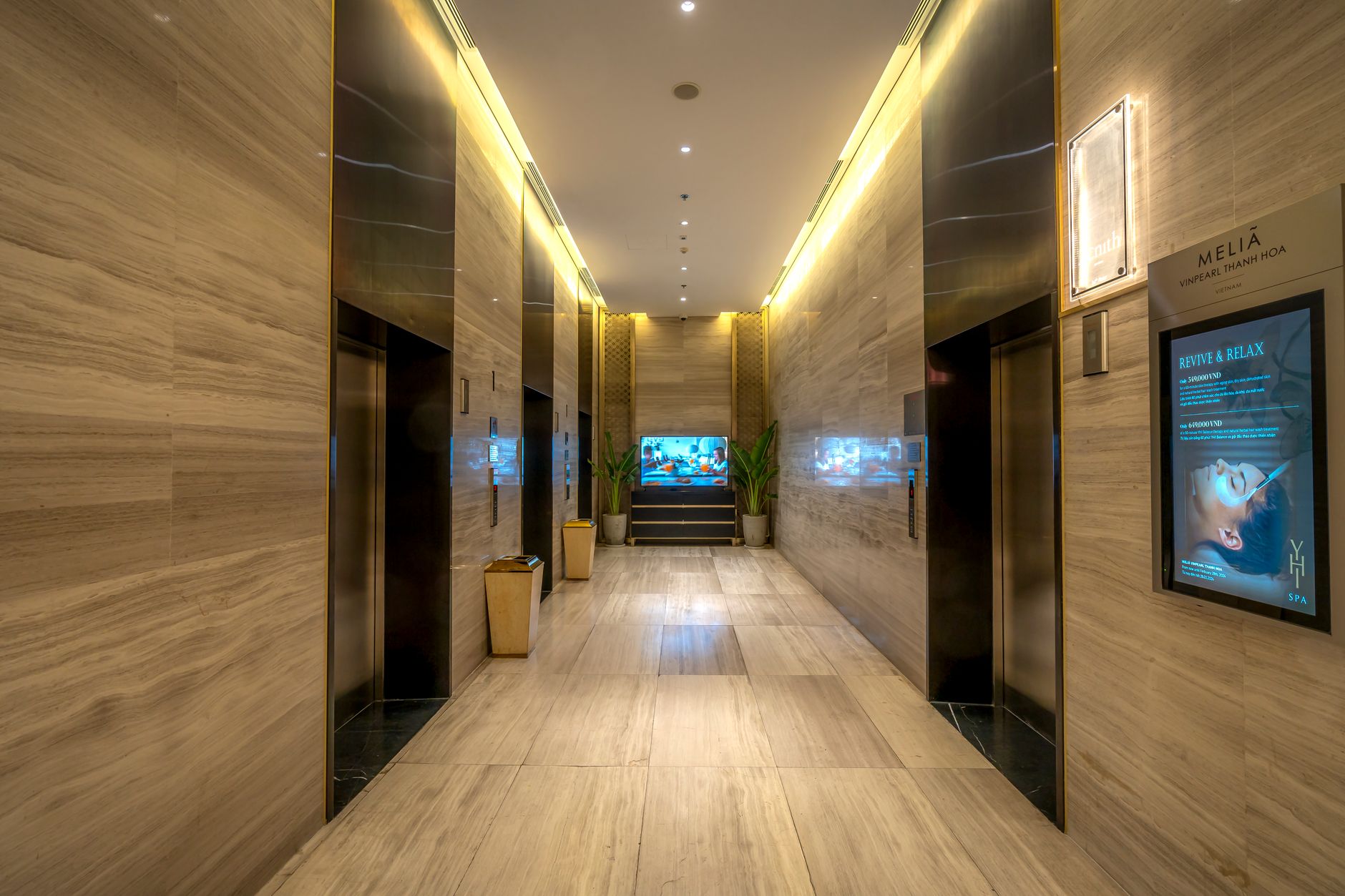
Walk spa entries, pro shops, and clinic waiting areas after the busiest member day. Note marble thresholds, elevator gaps, and piano or seating zones that cannot move.
Place chargers in heated back-of-house space with dedicated circuits, away from valet exhaust and open dock doors.
Define hard quiet windows so scrubbers never run during live music events or early meditation classes.
Invite the spa director to walk the route after week one. They will spot furniture moves and cord covers maps miss on day one.
- Locker corridor turns
- Spa tile transitions
- Valet lane mats
- Clinic ramp grades
- Charger heat and airflow
When do delivery robots help club and clinic staff?
Linens, retail bags, lab specimens, and catering trays move between kitchens, pro shops, and offices all day.
Delivery robots handle fixed interior loops while hosts and nurses stay with members and patients.
Keep routes short and elevator-friendly so doors are not held open during cold mornings.
Share patrol clip retention rules with legal counsel so archived video meets member privacy expectations.
Can patrol robots support parking and gatehouses?
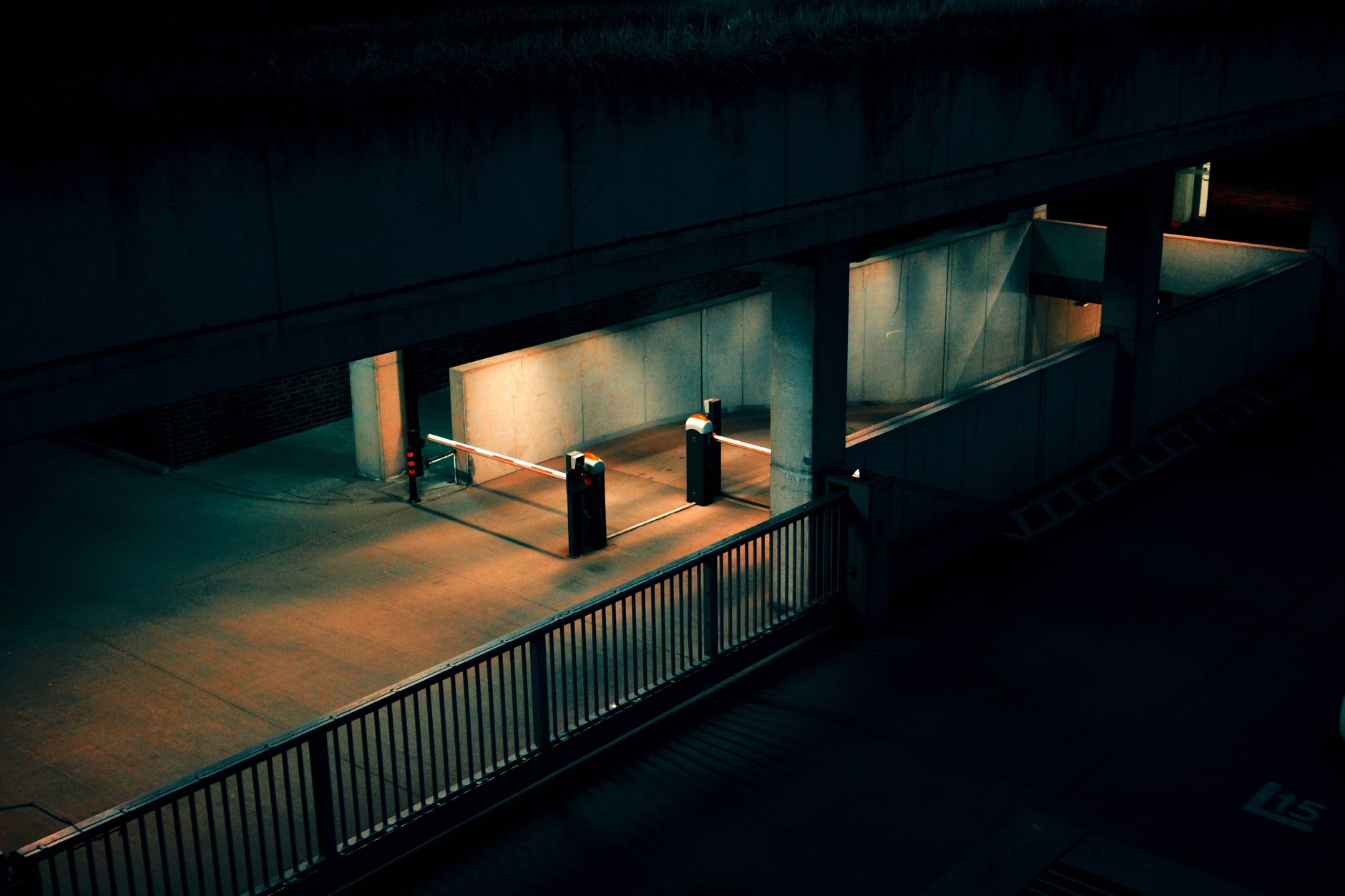
Tight parking structures and gated drives are hard to cover when one security officer rotates between club and medical sites.
Patrol units run scheduled camera loops while scrubbers stay on interior hard surfaces.
Document which alerts page on-call managers versus contracted guard response.
Align robot start times with HVAC setbacks so condensation on stone does not mimic poor scrubbing results.
Is rental the right entry before a tournament weekend?
Many properties rent scrubbers for spring and fall event seasons, then return units when calendars slow.
Rental bundles maintenance and remote triage when a machine faults before a member-guest day.
Service Robot Co. can convert pilots into leases with the same mapped quiet-hour windows.
Document who resets elevators after power blips so scrubbers are not released onto floors with misaligned doors.
How do you measure a thirty-day pilot?
Track member comments about floors, slip near-misses, and overtime on corridor mopping.
Compare scrubber runtime to planned minutes. Gaps usually mean mat neglect or a new event layout blocking turns.
Walk the route with the club manager or clinic administrator after the first automated week.
What stays human-only?
Robots do not host members, perform treatments, or handle clinical procedures.
Write a one-page split so staff know which tasks always need a person on site.
That clarity keeps automation from becoming an excuse to skip post-storm entry checks.