Key takeaways
- Quiet hours are negotiated with security and cage, not only housekeeping.
- Tile aisles need different timing than carpeted hotel wings.
- Guest complaints are a leading metric, not only labor hours saved.
- Start with one pit or one tower before you scrub the whole floor.
- Service Robot Co. maps vendor-neutral scrubbers to your quiet calendar.
Why is quiet-hour scrubbing harder on casino floors?
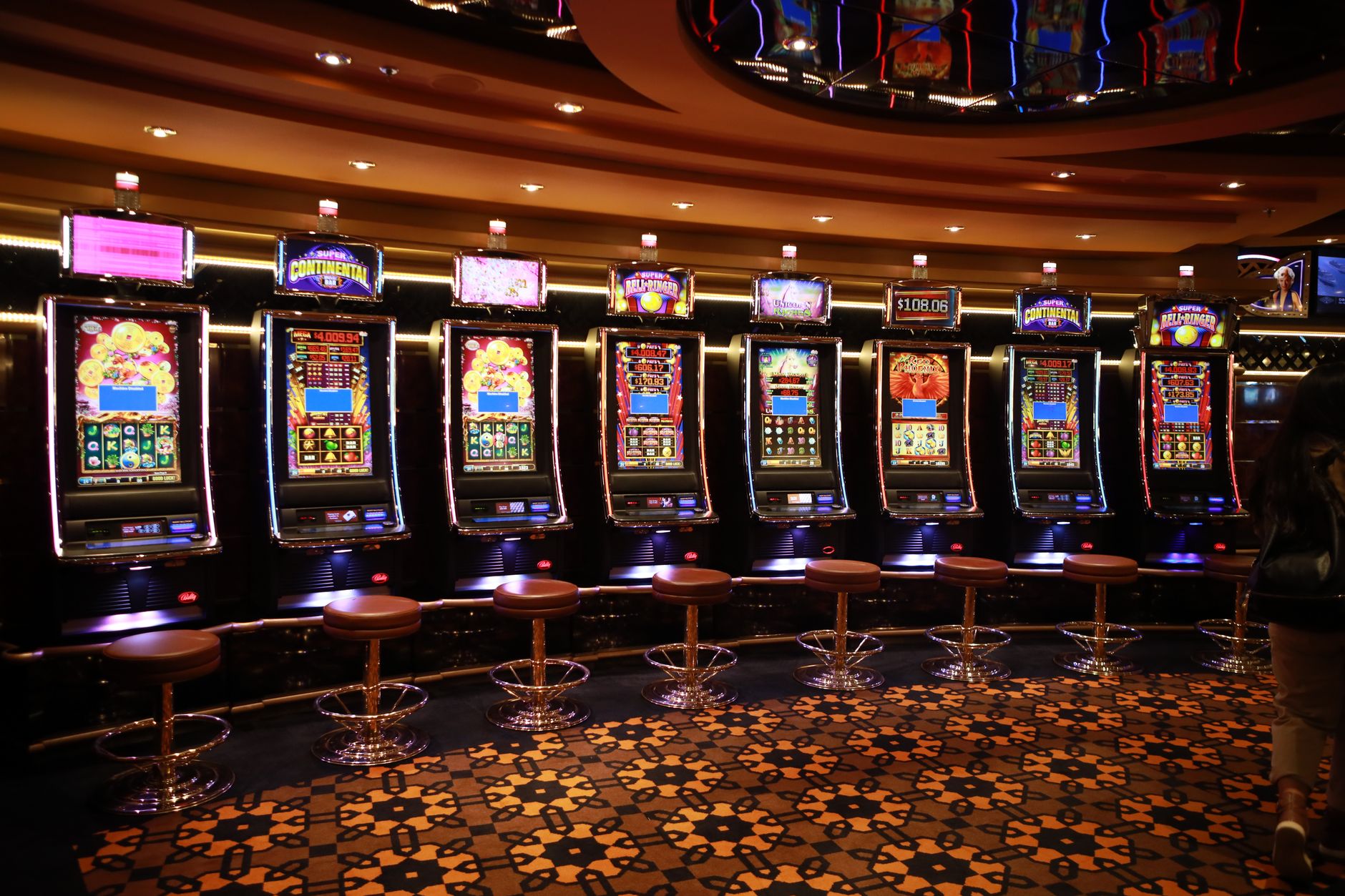
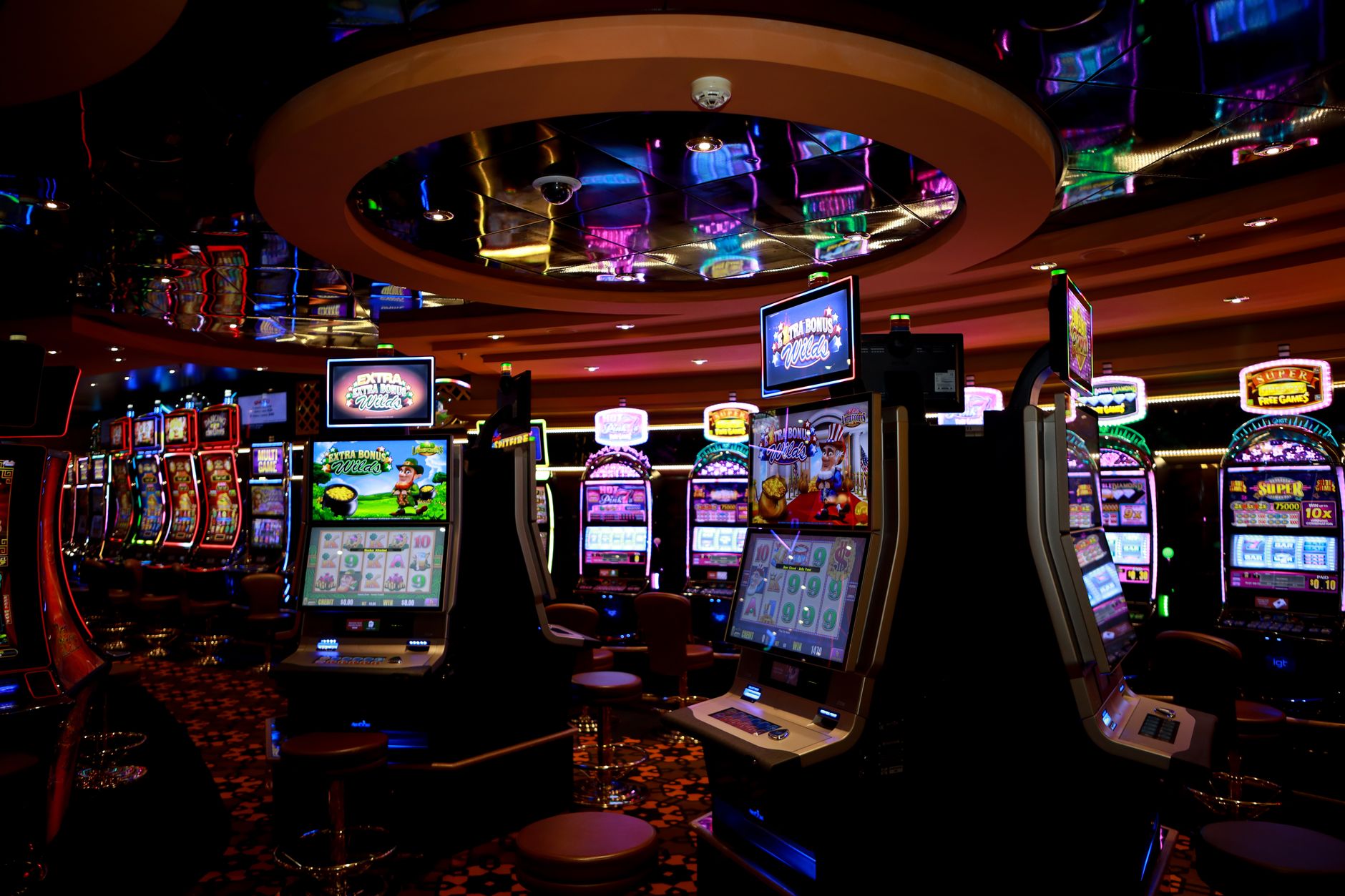
Casino floors never truly close. Play waves move hour by hour, and what feels quiet at 3 a.m. can surge when a bus arrives.
Autonomous scrubbers need predictable windows where guests are sparse and security can cordon short aisles. Without that calendar, machines either run too early and annoy players or too late and miss the soil window.
Housekeeping labor on gaming floors is expensive and hard to retain. Quiet-hour automation targets tile and hard surface aisles while humans focus on restrooms, slots touchpoints, and guest requests.
OSHA severe injury summaries continue to list slips and falls among common serious warehouse and public-area incidents nationally, which is a reminder that wet floor signage and cordon discipline matter as much as the machine.
Who owns the quiet-hour calendar?
Facilities proposes windows. Security approves cordons. Cage and table games leads veto times that conflict with fills or tournaments.
Publish the calendar on the same channel pit bosses already read. PDF email alone will not reach graveyard shift.
Name one owner who can extend a window when a promotion runs long. Extensions should post to the fleet dashboard, not only a radio call.
How do you pick the first routes?
Start with back-of-house tile corridors and low-denom pit aisles before you scrub high-limit areas.
Map charger placement in service corridors away from guest sightlines. Long runs to distant chargers waste quiet minutes.
Mark cage and count room buffers as no-go zones unless security escorts the machine.
- Back corridors first
- Chargers in service halls
- Cage buffers mapped
- High-limit pits last
What coordination does security need?

Security posts cones or retractable barriers at aisle mouths during scrub windows. Guests should see a reason to walk around, not a mysterious robot.
Cameras on the scrubber are not a substitute for surveillance staff. Patrol paths and scrub paths should not cross unpredictably.
Incident reviews should tag scrub windows separately from AMR delivery holds if both exist on the property.
Run joint walkthroughs with surveillance so camera angles still cover cordoned aisles.
How do you measure success?
Track guest complaints about noise, wet floors, and blocked paths during pilot weeks. A drop in complaints matters as much as labor saved.
Log scrubber delay minutes caused by security holds or cordon overrides. Spikes should correlate with known events, not random noise.
Compare soil readings or visual audit scores on tile before and after quiet hours if your QA team already walks floors.
Survey pit bosses after the first week. Their informal peaks often differ from WMS timestamps.
Share complaint trends with marketing before expanding routes near player clubs.
What about beverage spills and coin dust?
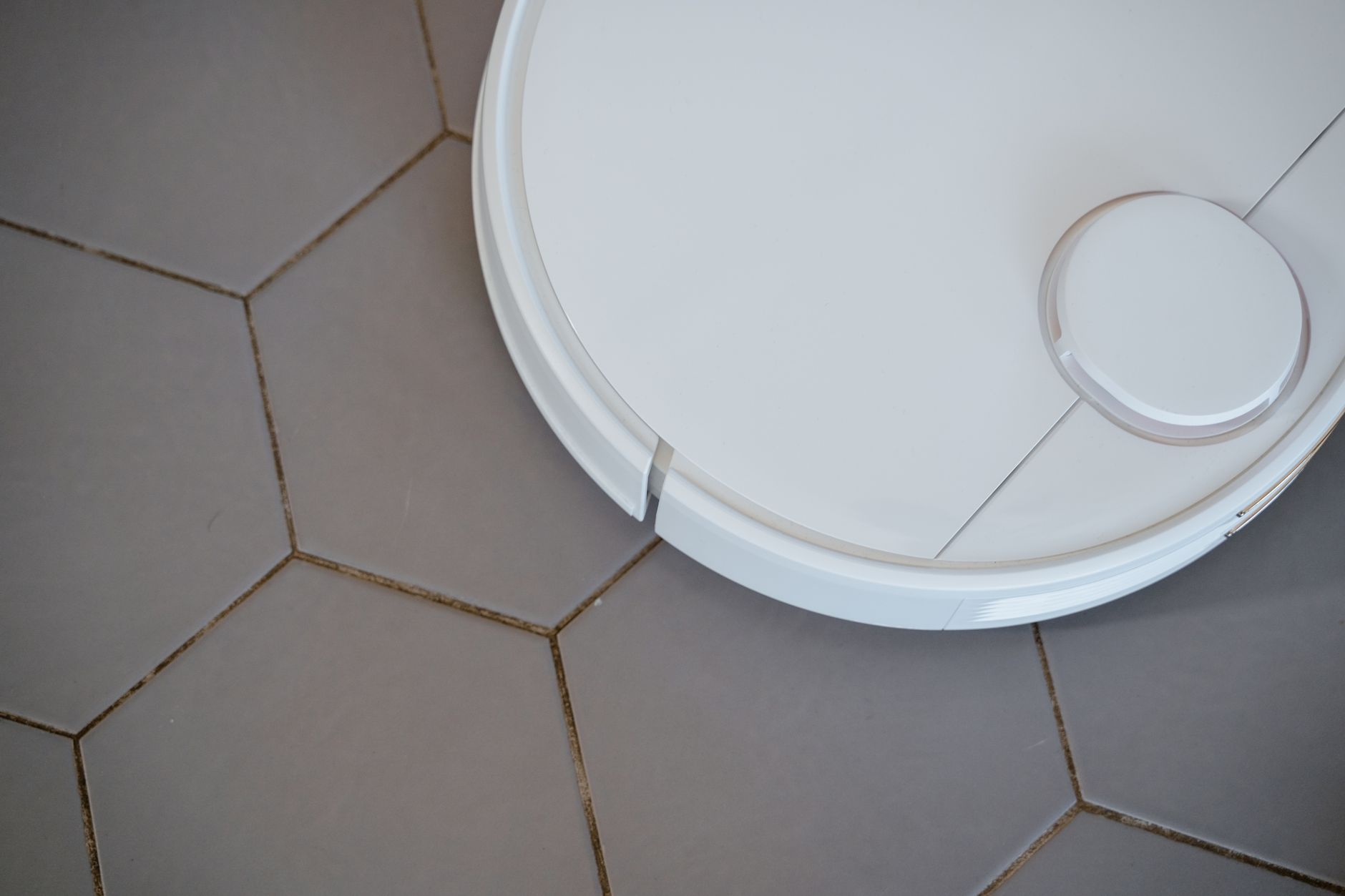
Casino soils are abrasive. Programs that skip pre-sweeping see faster brush wear.
Schedule a quick manual sweep or vacuum pass on high-coin aisles before the scrubber enters. The robot should not ingest loose coins or broken glass.
Use detergent settings matched to tile spec from the manufacturer bulletin, not guesswork from a hotel program.
Keep a coin pickup kit on the scrubber route cart so porters clear hazards before the machine enters.
Review brush wear monthly on coin-heavy aisles and adjust pre-sweep frequency.
Can quiet hours overlap with deliveries?
Back-of-house delivery robots and scrubbers can conflict in the same corridor. Stagger windows so only one automation mode owns a lane at a time.
If beverage carts still run during scrub windows, pause scrub missions until carts clear rather than squeezing past.
Warehouse-style AMRs feeding central stores should use separate highways from guest pit aisles whenever possible.
Publish a lane calendar that shows scrub, delivery, and patrol windows in one view to avoid triple-booking.
When should you expand routes?
Expand only after two clean guest-complaint weeks and stable hold logs on pilot aisles.
Add high-limit pits last because guest sensitivity and camera attention are highest there.
Service Robot Co. can tune vendor-neutral fleet rules and provide nationwide service when you add a second property with different pit geometry.
Document every floor change from a slot move or pit redesign. Quiet hours that fit last month's layout may block new player paths.
Retest cordon placement after major tournaments when temporary barriers change foot flow.