Key takeaways
- Sort open turf by drainage and firmness before the first robot starts.
- Robots can take dry, level lawns early, provided their rain sensors stay active.
- Saturated, sloped or rutting properties stay with the crew until the soil can bear weight.
- Give every held lawn a return date so a rain day does not become a missed renewal.
What should move first after a rain day?
After a rain day, the first job is not restarting the whole route sheet. It is sorting every open lawn by how it will hold a machine that morning. Turf that drained and firmed up goes to the robots. Saturated turf waits for the crew.
That split keeps a missed visit from becoming next week's backlog. A robot runs where the ground carries it and sits idle where it does not. If the order is set early, the crew can often reach the wet properties later in the same day.
The sections below walk through how to make that call property by property, and where a robot fleet fits into the reorder.
Why does a rain day spill into the next week?
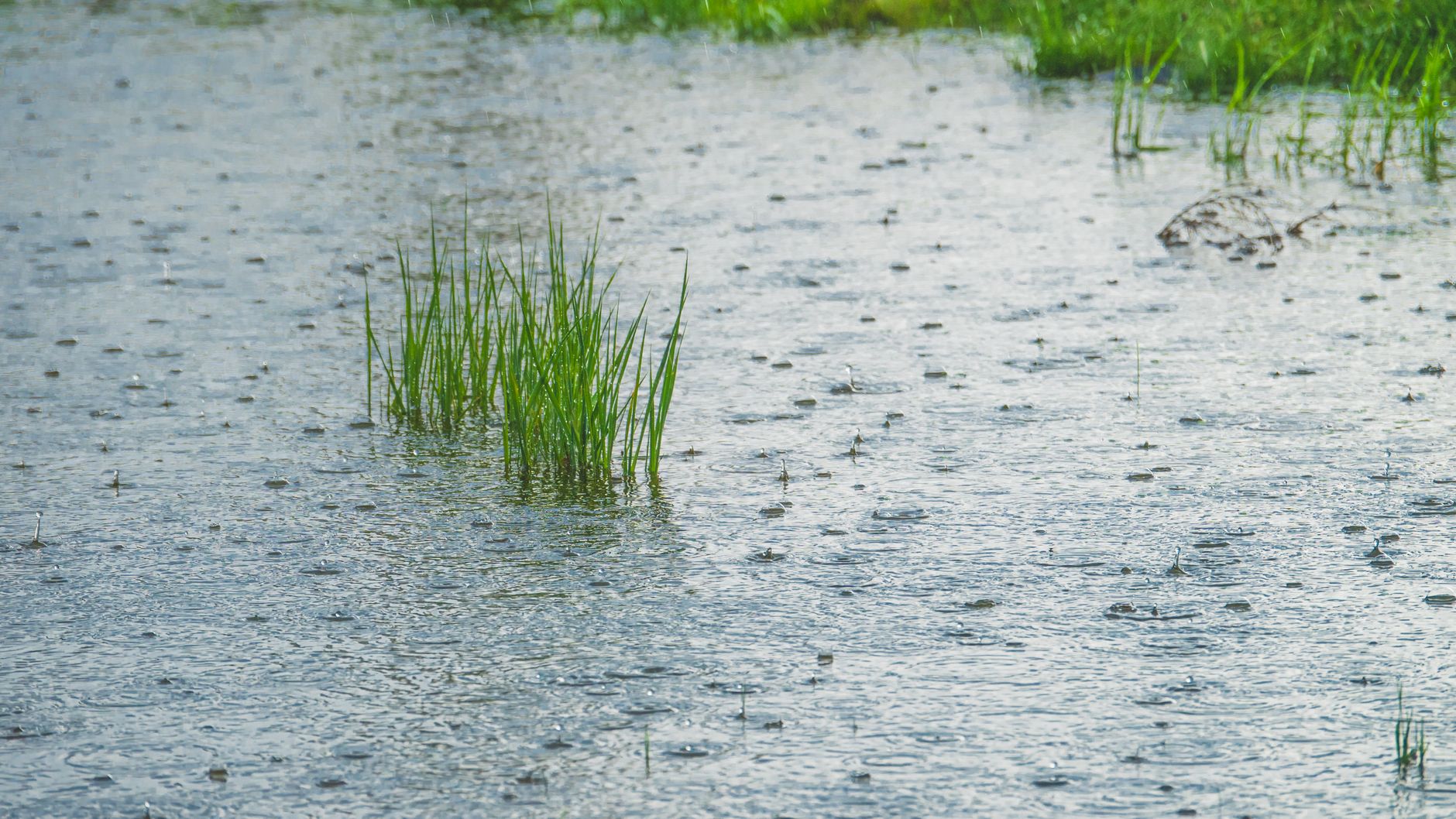
A wet lawn is not simply a lawn you skip. Husqvarna's how-to guide says wet grass does not cut cleanly, can clog a deck, and can cause wheel slip on slopes. That is vendor-reported, but it matches what crews see on a soaked morning.
Robots add their own pause logic. Rain sensors are now the common safeguard. A Robomow brand guide, checked in November 2026, says modern mowers from several brands, including Husqvarna NERA, Segway Navimow and Worx Landroid, include rain sensors that pause runs automatically. Robomow's FAQ explains what its own mowers do when it rains.
So a rain day can leave a mixed fleet with stopped robots and a crew with its own backlog. The reorder has to cover both, or one side quietly absorbs the other's work.
Which open turf can a robot take first?
Start with lawns where the ground is firm and drained. Dew is another matter from standing water. Mammotion's guide says light dew is generally fine for robots, while saturated grass is not, and that is also vendor-reported.
Check the sensor before you trust the schedule. Sensitivity is usually adjustable in the app. Disabling the sensor is possible, but brand guides advise against regular use, so do not switch it off just to clear a backlog.
- Level or gently sloped turf that drained within the morning
- Open lawns with clear edges and no standing water along the mower's path
- Properties where the rain sensor is still active at its usual sensitivity
- Lawns mapped and cut before, with no recent boundary alerts
Which properties still need the crew by hand?
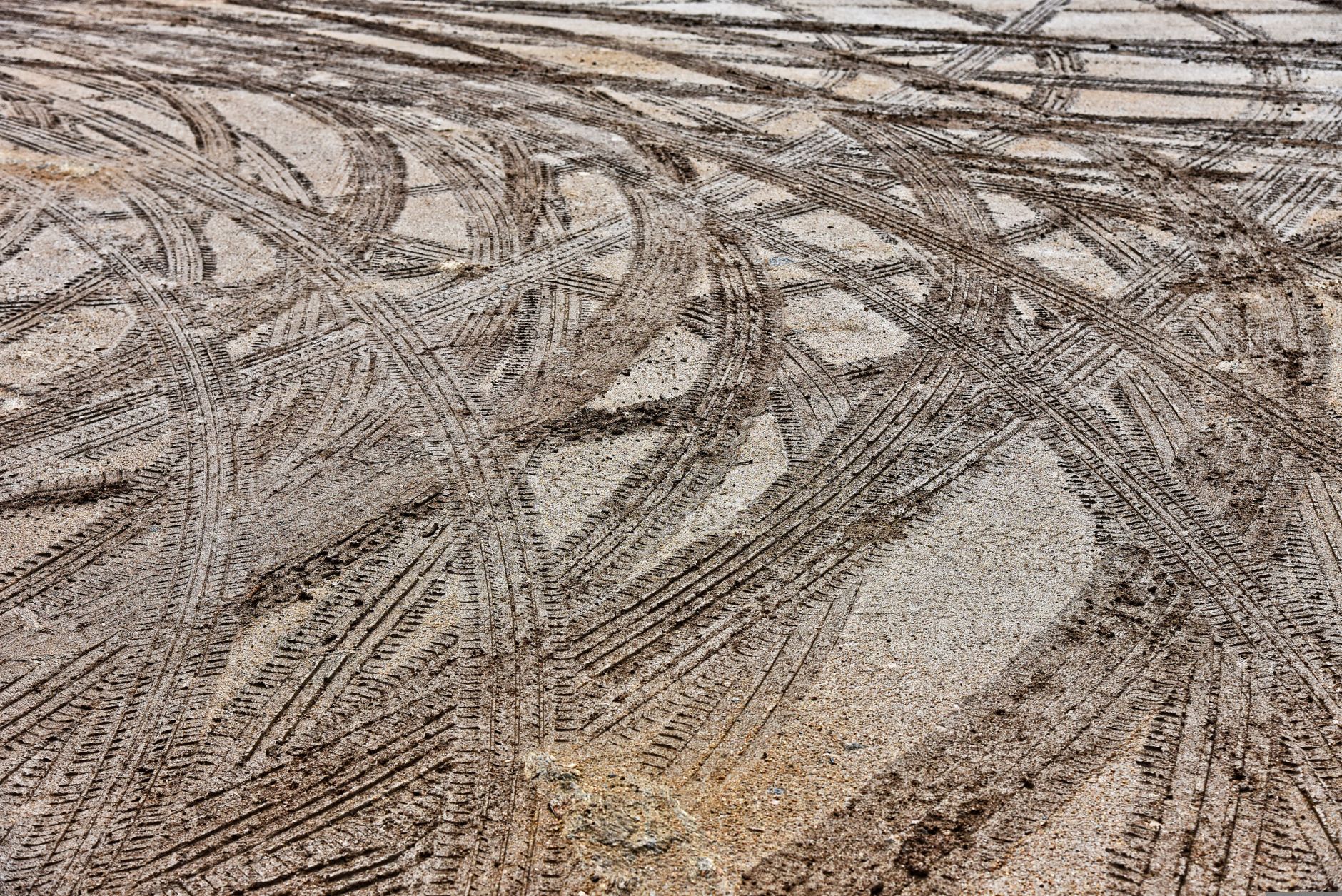
Anything saturated, steep or rutted stays with the crew. Wet, soft soil takes ruts from heavy or rolling units, and a robot is still a machine rolling across that ground. A University of Wisconsin page on soil compaction concerns farm fields rather than lawns, so use it by analogy only. Its core point still carries over: let the soil bear the load before you put weight on it.
Slopes need their own check. Wheel slip is the risk Husqvarna names, so a sloped lawn that still looks wet after rain belongs with a crew. Hand work also covers the edges and corners a robot is not set up to finish.
The trade-off runs both ways. A robot that pauses on a lawn it could have cut loses hours. A crew sent onto soft turf can leave ruts that cost more to repair than the day saved. Choose the error you can recover from, and log the call.
How do you rebuild the week's order?
Run a short soil and surface check at the start of the day, then sort the route sheet into three groups: robot first, crew first, and held. Robots take the dry flat turf early so they finish before conditions change. Crews take the wet or sloped properties once the soil is firm enough to walk on.
Keep the held group visible. A held lawn should carry a return date, not a vague promise of a visit at some point. A held lawn without a date is how a rain day turns into a missed renewal.
Trim, edge and cleanup follow the robot pass on the lawns it took. Sequence crew hours so detail work lands behind the machine, not in front of it, and the lawn looks finished on the same visit.
What should clients hear after a rain delay?
Clients care about the cut date and the finish, not your route math. Tell each affected client which lawn is held, the date it returns, and whether the robot or the crew is handling it. Keep the message short and specific.
Avoid promising exact hours. Rain makes timing uncertain, and a clear return window earns more trust than a precise time you then miss.

How do you keep a wet week from sliding into the next?
Count the crew hours left after the robot-first lawns are assigned, then place held lawns into those open slots before anything gets stacked onto the next day. A reorder that only moves work forward is a backlog in disguise.
Turn the day's notes into the next bid's assumptions. Which lawns held, how long they waited, and which sensor pauses cost time all belong in the record. Over a season, those notes show which properties drain fastest and which need crew time built in.
Where does a robot fleet fit the reorder?
Service Robot Co. (servicerobotco.com) is an OEM-neutral integrator. We pick the mower that fits each property rather than whatever one brand sells, and we lease robots through financing on a 3-year lease. The client receives one fixed lease payment, quoted after a site assessment, and the sensor settings, boundary maps and held-lawn rules get written down before the first pass.
After deployment, RoboCare™ covers service on every unit, backed by regional service engineers in every state we service. When a robot stops on a wet lawn, the call goes to one team, not six separate vendors.
Frequently asked questions
Want a robot working for you?
Tell us the job and the site. We will recommend the robot, quote the lease, and keep it serviced.
Sources
- Robomow: Robotic mowers with rain sensors (brand guide, checked November 2026)
- Robomow FAQ: What does Robomow do if it rains?
- Robomow FAQ: What is Robomow's rain sensor and how does it work?
- Husqvarna: Can you mow wet grass?
- Mammotion: Can robot lawn mowers cut wet grass?
- University of Wisconsin IPCM: Guidelines for soil compaction management during a wet harvest season