Key takeaways
- Boot traffic brings mud and organic dust that mop cycles struggle to clear before opening.
- Mapped scrubbers can run after close while a short crew restocks and counts inventory.
- Monthly rental terms align with calving, haying, and hunting traffic swings.
- Pilots should log pad wear, water use, and slip complaints before expanding routes.
- One integrator for select, finance, deploy, and service beats juggling OEM contracts.
Why do ranch supply aisles get dirty faster than big-box retail?
Customers arrive in trucks and trailers with mud on tires and boots. Hay bales shed dust every time someone pulls twine. Feed bags tear and leave fines in the aisle. A mop bucket cannot keep pace when traffic runs from dawn until the last loader leaves the lot.
Autonomous floor scrubbers are built for sealed concrete and industrial tile where grit gets ground into the finish. They hold a mapped path after close while staff restock, cycle counts, and prep the next morning pickup queue.
Service Robot Co. selects units across manufacturers, then finances, deploys, trains, and services them through a nationwide engineer network so store managers deal with one partner instead of separate rental, integration, and repair vendors.
What makes rural mountain retail hiring different?
NWCCOG economic reporting for 2024 describes Jackson County, Colorado as one of the few counties in its region where tourism is not the dominant employer. Public administration and retail each account for about 21 percent of jobs, with agriculture, forestry, fishing, and hunting near 14 percent.
That mix means the same small crew that runs the counter may also cover receiving, yard help, and closing cleanup. Unemployment in the county was reported at 2.8 percent in July 2024, which sounds healthy until you try to add dedicated overnight porter hours without stealing from daytime sales.
When headcount is fixed, automation should take repeatable floor cycles off the schedule, not add another gadget someone must babysit all night.
Where should the first scrubber route run?
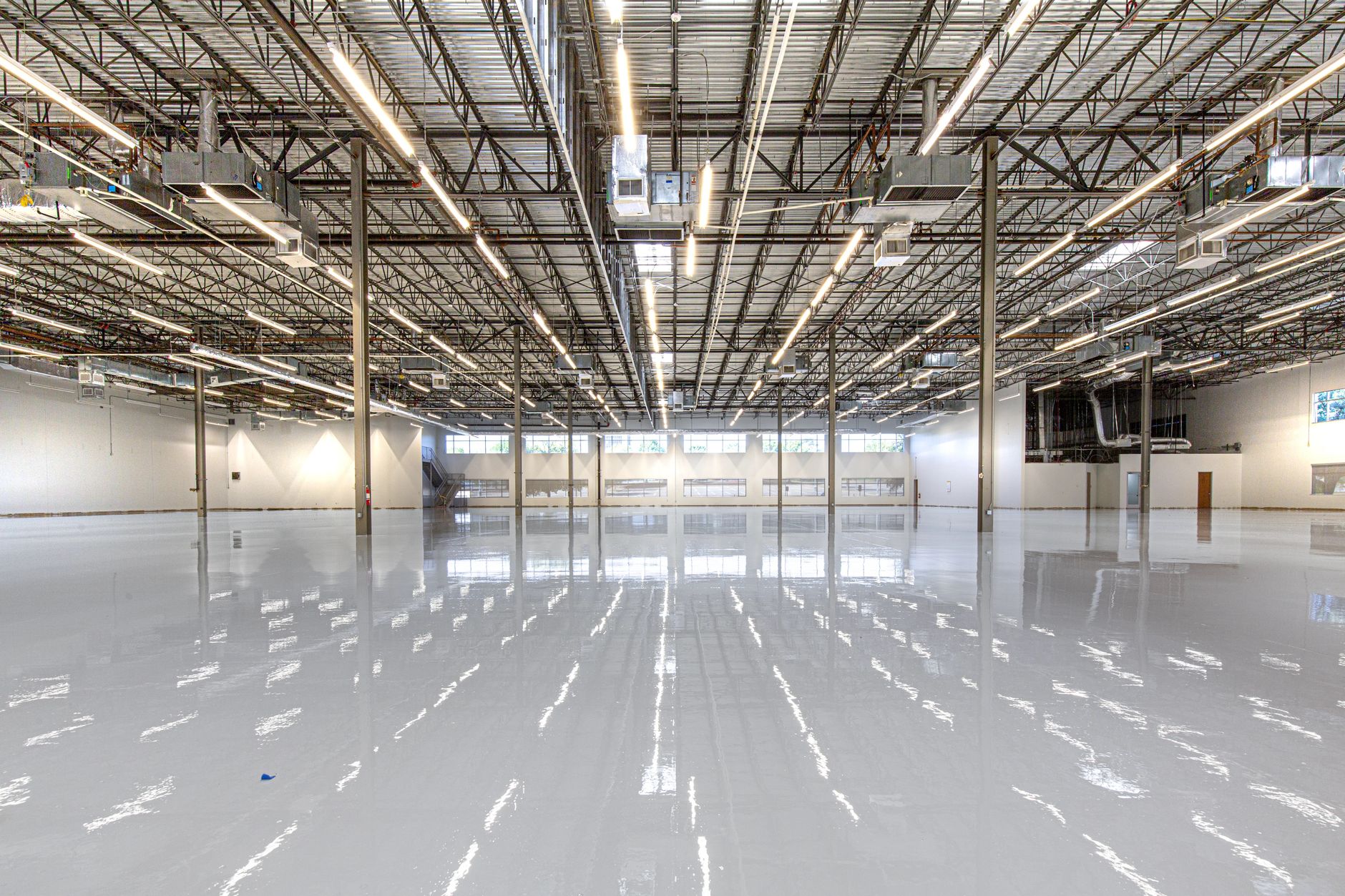
Start with the main aisle loop customers use from entry to counter and back to feed storage. It is usually the widest hard-floor panel and the highest complaint zone when dust shows under fluorescent lights.
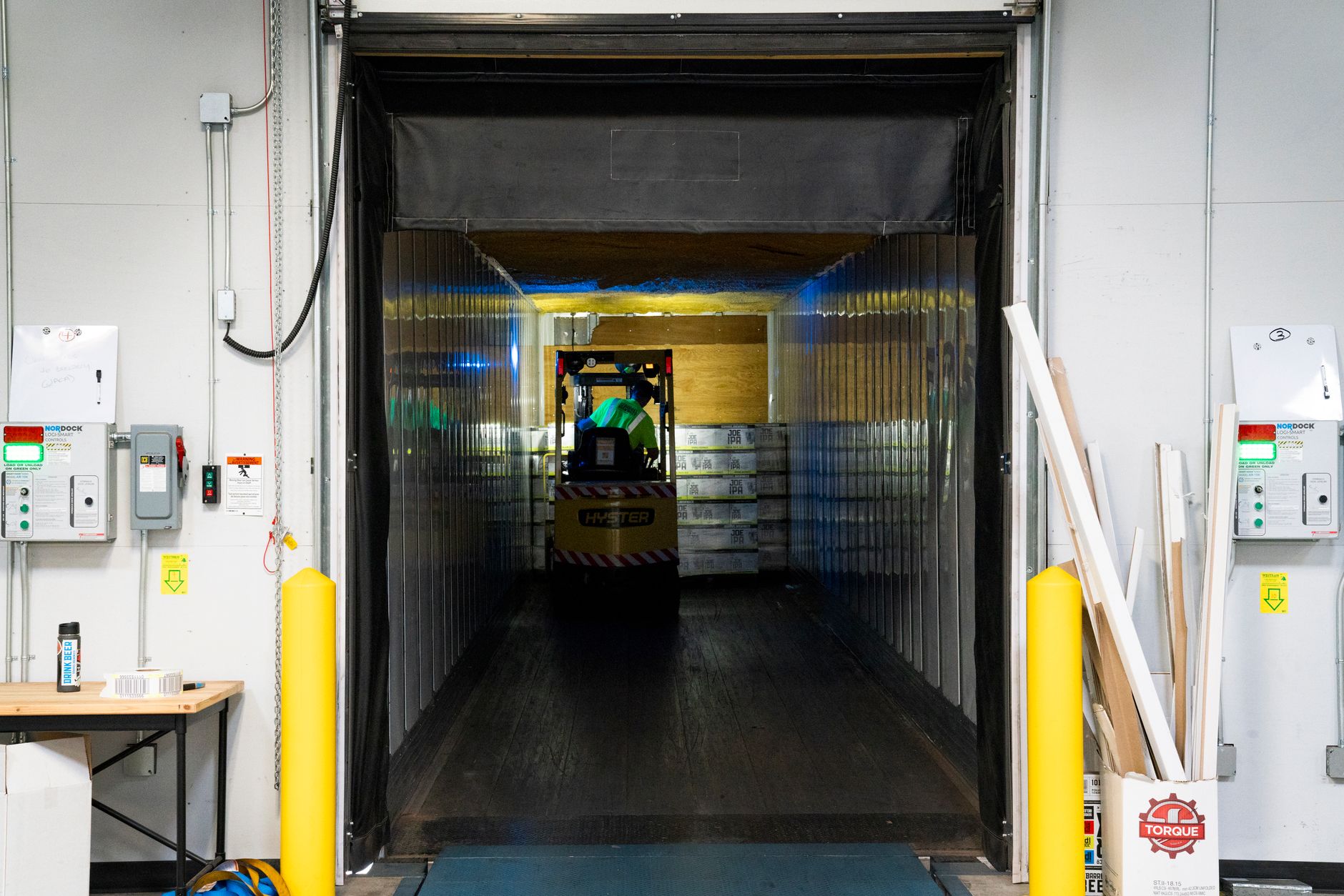
Keep receiving docks and pallet staging for a second phase. Forklift traffic and loose pallet debris need dry pickup before a scrubber should enter.
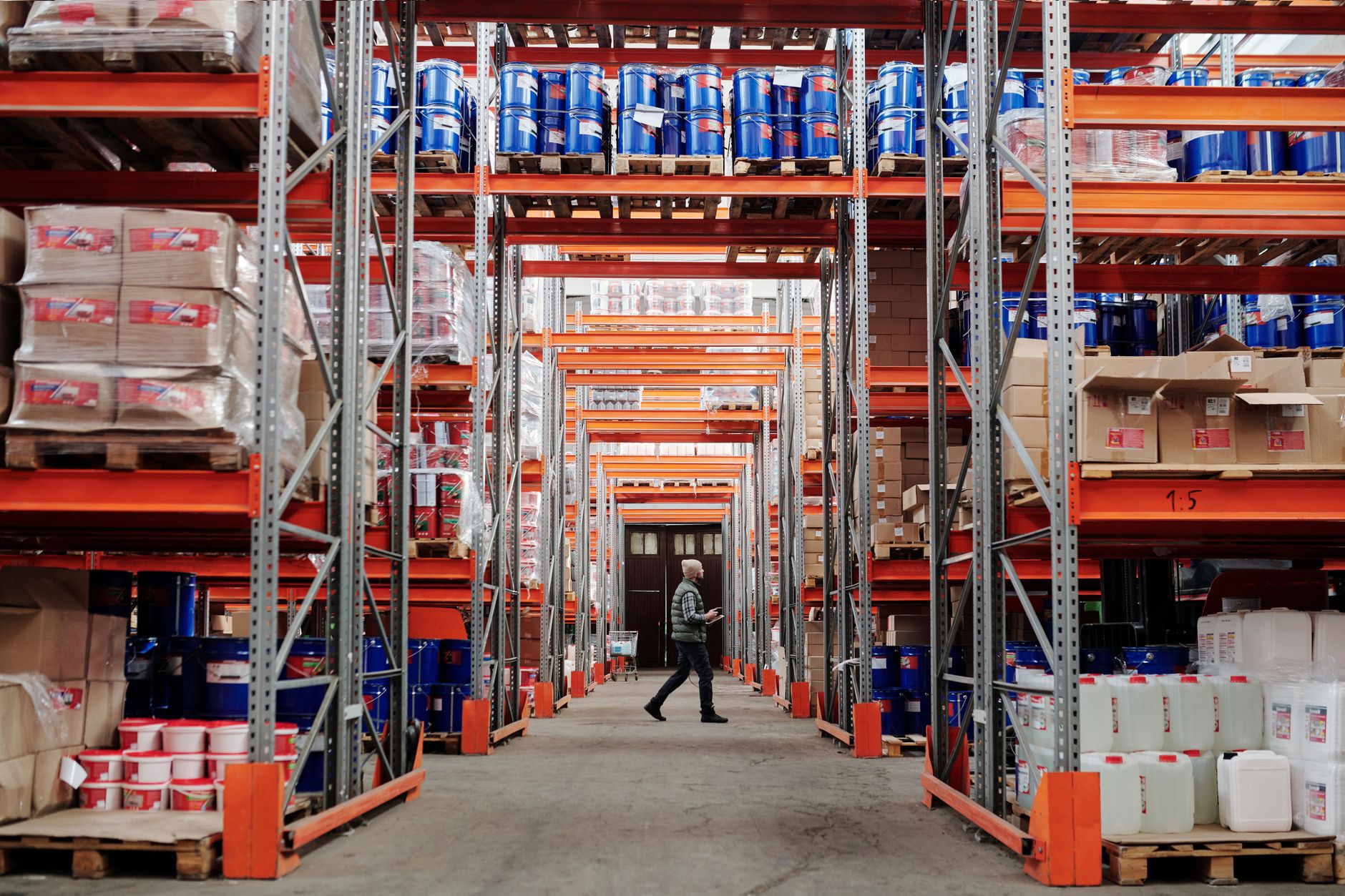
If you have a small warehouse bay behind the retail floor, map it separately. AMRs or tug carts may later handle repetitive pallet moves, but scrubbers solve the customer-facing film first.
- Mark forklift crossings that must stay open during receiving hours
- Note floor drains and grate covers that affect brush pressure
- List seasonal displays that move every quarter
- Identify entries where snow melt pools in spring

How do seasonal calendars change rental versus purchase?
Calving, haying, and hunting seasons spike foot traffic and mud load without adding permanent payroll. Monthly rental or lease programs let you ramp scrubber coverage during those weeks and scale back in quieter months.
Purchase makes sense when you run consistent seven-day traffic and can keep utilization high year round. Many North Park operators sit between those extremes, which is why pilots and short-term contracts matter.
Bundle service with the contract so pad shipments, detergent specs, and remote triage stay with the same vendor that mapped the store.
What training do closing leads need?
Closing leads should know how to pause a route when a late customer or vendor crosses the map. They should recognize low-water and recovery-tank alerts without calling three different help desks.
Run one supervised close where the scrubber follows behind restock carts in the cleared half of the aisle. Write who moves wet-floor signs and how long the front entry stays closed.
Keep charging and fill stations inside heated back-room space. Mountain nights can drop fast, and batteries left in an unheated vestibule shorten run time on the nights you need them most.
What should a four-week pilot prove?

Compare porter hours on the pilot aisle to the same month last year. Track guest comments about dust or slip risk separately from general service scores.
Log scrubber run times, pad changes, and detergent use. Those numbers forecast operating cost if you add the warehouse bay or a second store.
End with a written decision to rent, lease, expand, or stop. Ambiguity sends crews back to mop buckets when the next muddy weekend hits.
When do patrol or delivery robots help the same store?
Scrubbers address hard-floor film. Patrol units matter if you fence feed storage or equipment yards that stay unstaffed after dark. Delivery robots fit if you run a mapped indoor loop for parts to a workshop or clinic wing attached to the store.
Sequence projects. Prove scrubber reliability and wet-zone discipline before you add AMRs crossing the same entries. Each layer needs an owner on the ops chart and one integrator contact for faults.