Key takeaways
- BLS annual data put Weld County unemployment at 4.4 percent in 2024 per FRED series LAUCN081230000000003A.
- The Town of Raymer reported a population of 110 in the 2020 census according to the Raymer, Colorado Wikipedia article.
- Mapped after-hours scrub routes protect shop aisles before the next morning rush.
- A one-aisle pilot proves pad wear before you widen routes into stockrooms.
- Month to month commercial robot rental terms align scrub spend with harvest weeks.
Who needs shop scrubbing when harvest traffic peaks around Raymer?
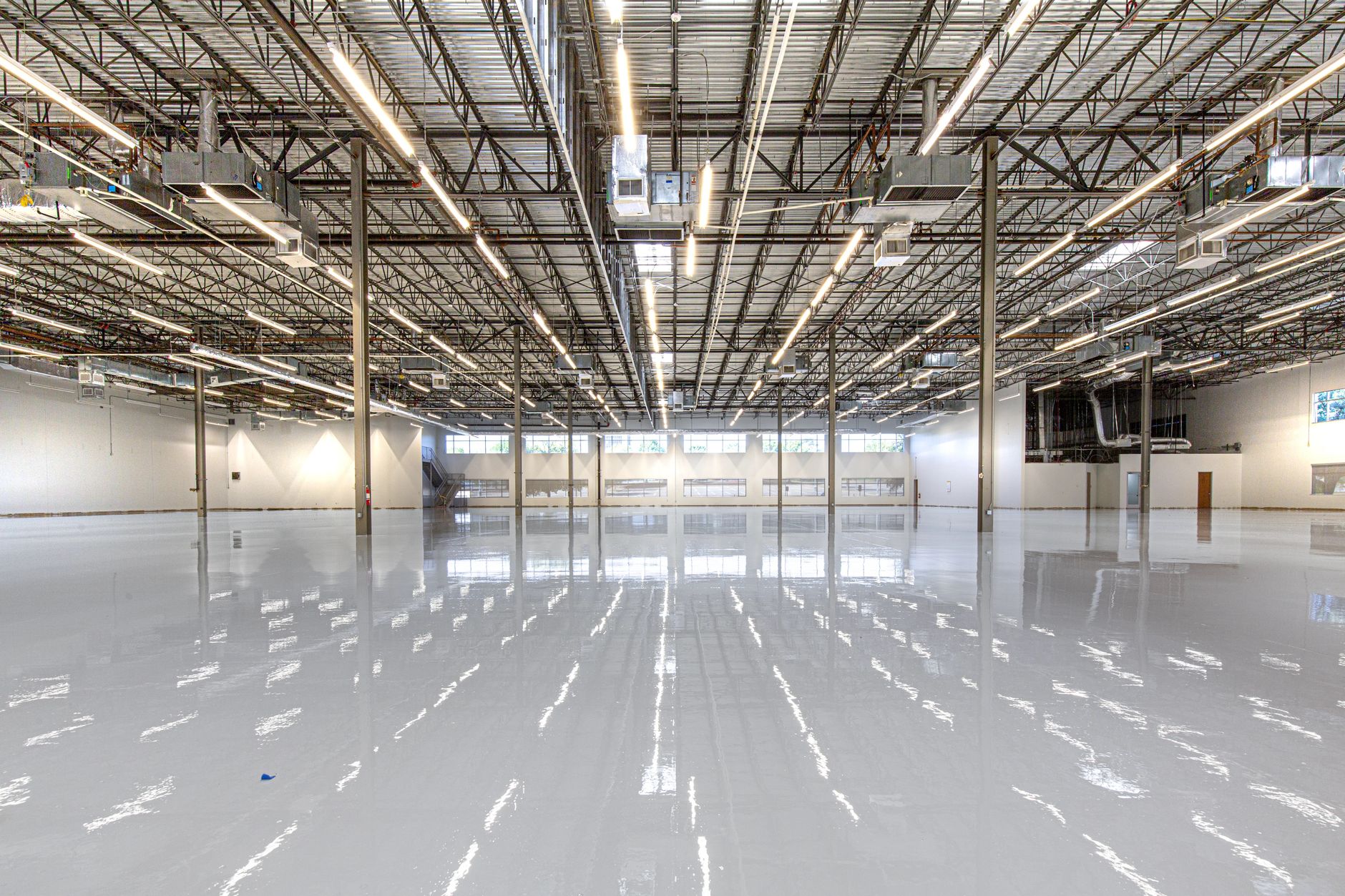
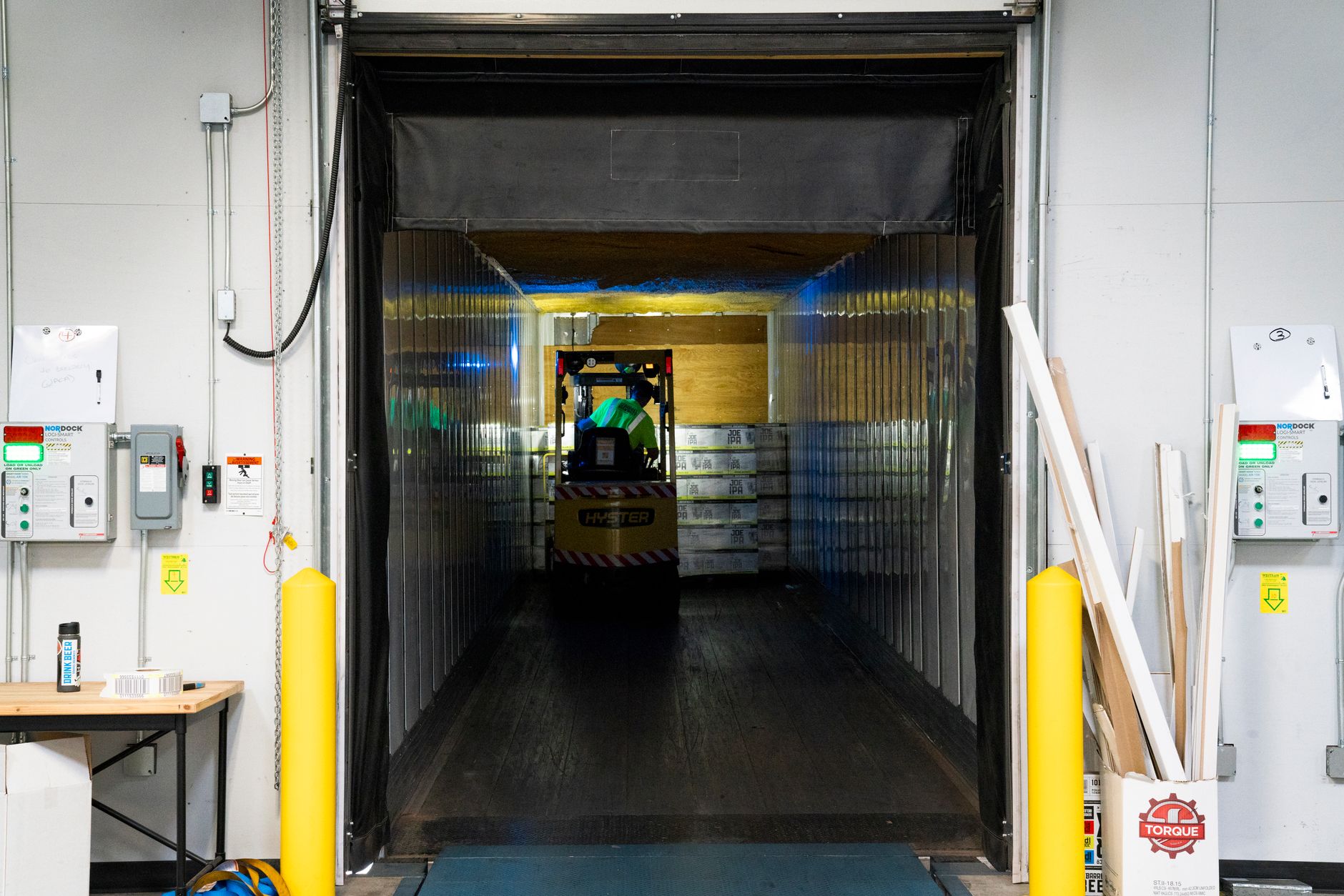
Ranch supply and feed floors around Raymer see boot traffic spike when harvest freight and field work stack on the same week. Grit loads faster than a calendar mop pass can clear.
BLS annual data published through FRED put Weld County unemployment at 4.4 percent in 2024 for series LAUCN081230000000003A. Tight county hiring makes an extra overnight porter hard to add for a short peak.
Autonomous floor scrubbers run mapped loops after you close the counter. Service Robot Co. selects OEM-neutral units, finances them on monthly robot rental or lease terms, maps the aisle, trains a lead, and services through a nationwide engineer network.
Why does a small town labor pool change floor care choices?
The Town of Raymer reported a population of 110 in the 2020 census according to the Raymer, Colorado Wikipedia article. Many eastern plains sites share one maintenance contact across office, shop, and yard tasks.
When everyone wears multiple hats, scrubbing lands on whoever is still in the building after close. Commercial cleaning robot rental with maintenance included buys repeatable scrub time instead of another late shift on payroll.
Month to month leases let you match scrub nights to harvest and freight peaks without a permanent porter line.
Where should mapped scrub routes start in a supply shop?
Start at the entry, the first twenty feet inside, and the main aisle forklifts and carts use. Those zones collect the most tracked dust.
Keep chargers on dry concrete away from bag stacks and floor drains. Mark keep-out zones around scales, pallet jacks, and office carpet transitions.
If the shop shares space with a service desk, map slowly so the scrubber never crosses onto carpet or gravel aprons.
- Map the vestibule before back stockrooms
- Run scrubbing after pallets park for the night
- Train one lead to start, pause, and refill tanks
- Pre-sweep when wind loads entries with fine dust
- Book a free site assessment before harvest freight peaks
How do monthly rental terms match plains seasonality?
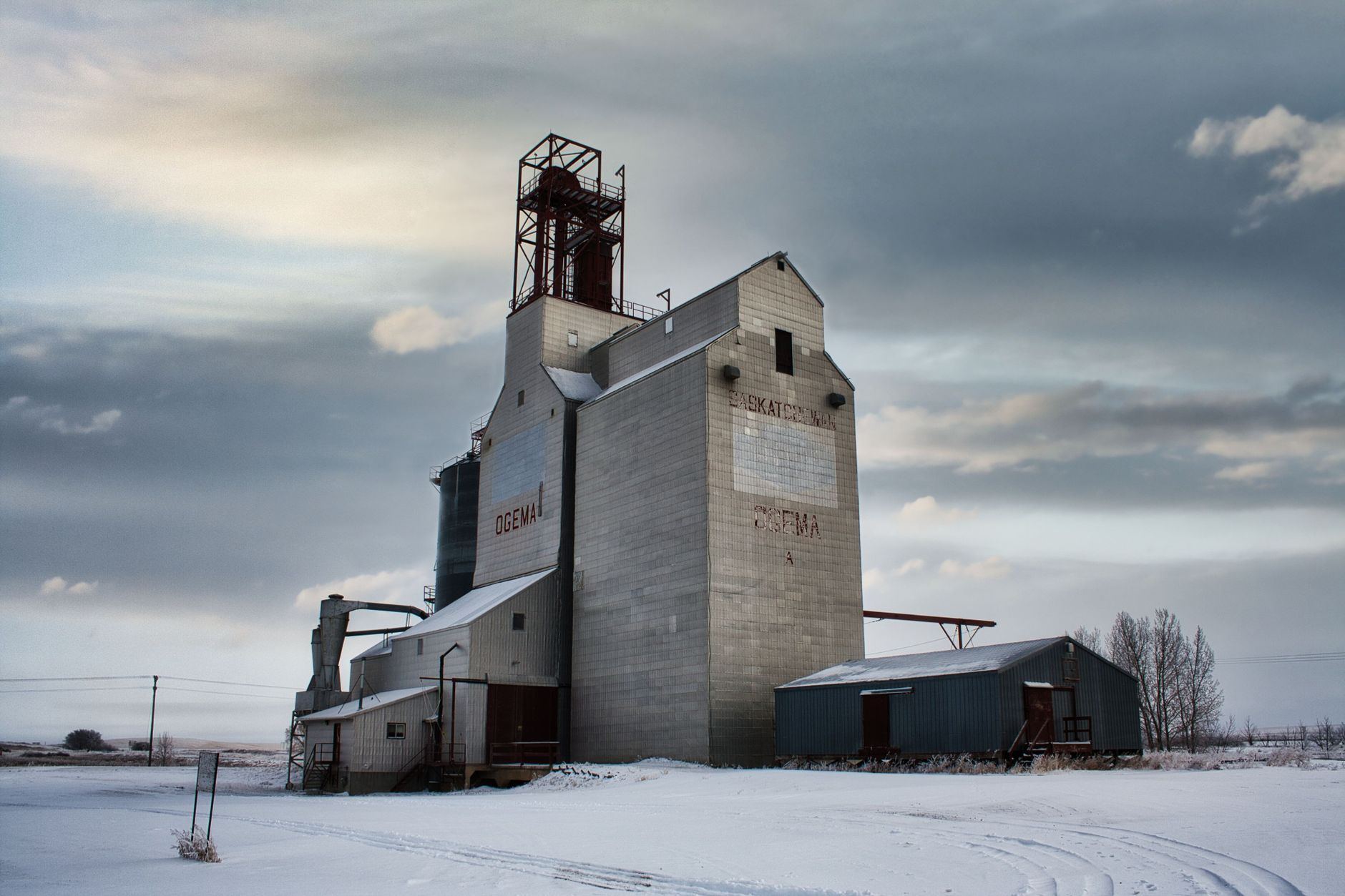
Harvest and freight weeks spike without turning every supplier into a year-round night crew. Monthly payment programs align scrub spend with the weeks boots actually track grit inside.
A vendor neutral integrator can add patrol or delivery units later, but the first win is usually one night shift autonomous scrubber on the main shop loop.
Tie lease reviews to your sales calendar so finance sees cleaning capacity move with revenue, not with a fixed headcount.
What does a one-aisle pilot prove before you expand?
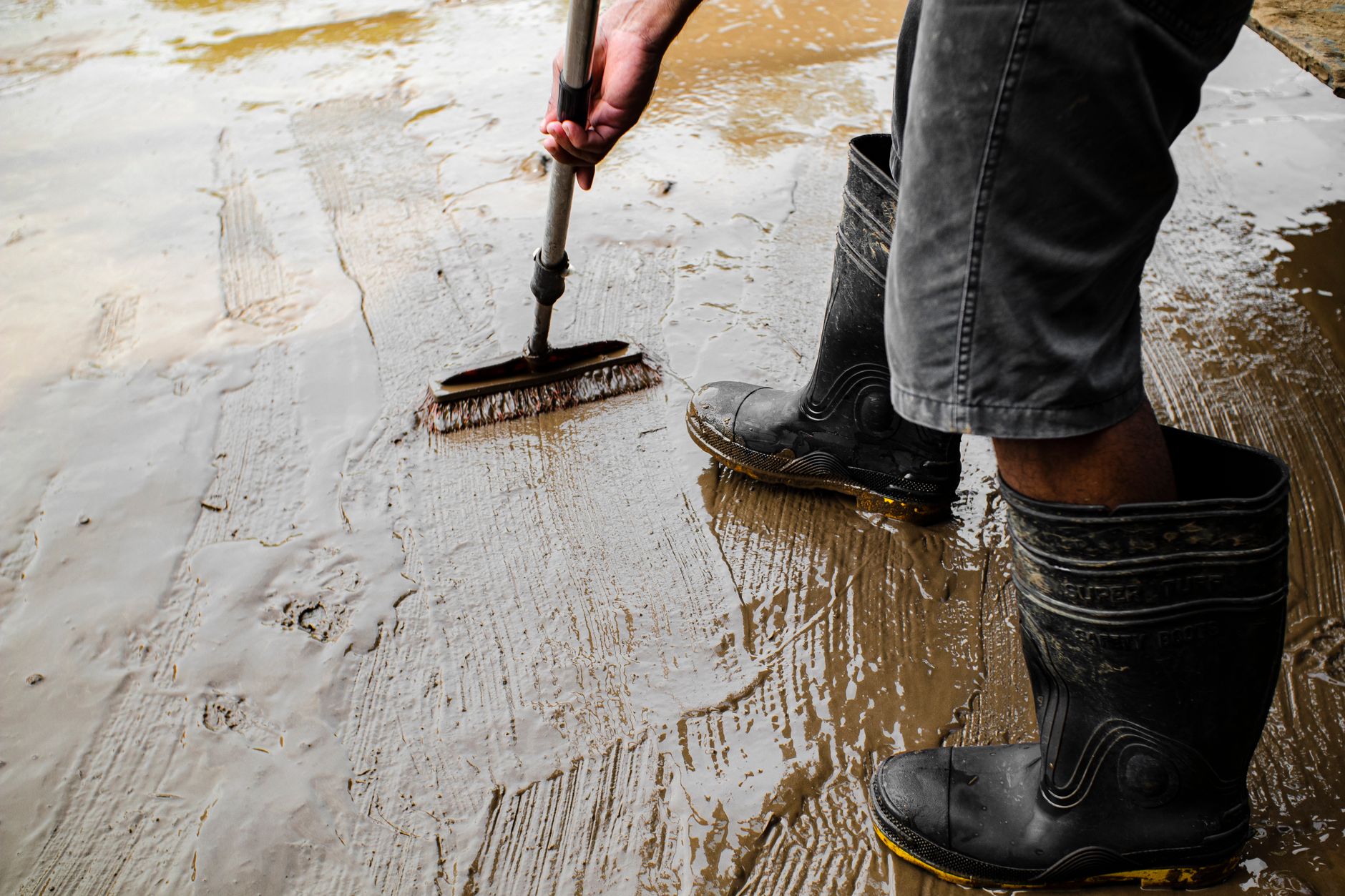
Pick the aisle or entry that loads pads fastest with tracked grit. Map it after a normal business day so pallet positions match reality.
Run three consecutive nights and compare the same floor markers each morning. If dust returns by mid-day, fix door mats and sweep programs before you widen the route.
Service Robot Co. provides go live support, remote triage, and on-site dispatch when a squeegee needs attention during a rush week.
How do scrubbers work with shop staff and contracted cleaners?
Robots own the wide, repetitive scrub pass on concrete. Humans keep drains, pits, and display bases that need hand work.
Add the robot route to your master cleaning sheet as its own task code so audits show a named machine with logs.
If you already pay for periodic deep cleans, aim those visits at overhead structures instead of paying twice for the same aisle scrub.
When do patrol robots fit the same ag site?
Equipment rows and gravel yards still need eyes after gates lock during busy seasons.
Patrol robots complement fixed cameras when a human guard cannot cover every corner every night on the plains.
Start with scrubbing where customers and staff cross most often, then evaluate yard routes that cut steps for a thin team.
What should you verify before you sign a rental?
Confirm pad type matches sealed concrete and any policy near stored feed or chemicals.
Confirm the integrator will service the unit in Weld County, not only ship hardware to a small highway town.
Ask for a site assessment that covers charger placement, doorway thresholds, and how the unit behaves when a forklift crosses mid-route.
Read maintenance and emergency response terms. Harvest weeks are not the time to wait on a loaner squeegee.