Key takeaways
- NWCCOG reports Eagle County unemployment at 5.2% in May 2025 during mud season when ski traffic slows.
- Red Cliff had 257 residents in the 2020 census, so most properties run lean housekeeping rosters year round.
- Mapped after-hours scrub routes target bar tile, inn corridors, and entry mats before the next highway rush.
- Commercial cleaning robot rental with monthly payment programs aligns spend with shoulder-season occupancy.
- A vendor-neutral integrator handles mapping, training, and nationwide service on one contract.
How do Red Cliff operators keep floors guest-ready on busy weekends?
Weekend traffic on US Highway 24 pushes guests into a handful of bars, inns, and river-corridor stops in Red Cliff, and every open door tracks canyon grit onto hard floors. When you cannot add another porter for every surge, the practical answer is to automate the repeatable scrubbing that must happen after close.
An autonomous floor scrubber follows a mapped route through the dining room, corridor, and entry mat zone while staff finish sidework. You still need humans for detail work and spills during service. The robot owns the heavy, predictable passes that used to eat the last hour of a short-handed night crew.
Service Robot Co. selects the right unit for your layout, offers lease or rental terms with maintenance included, and stays on call through a nationwide network of regional service engineers. One partner covers finance, deployment, and service instead of chasing separate vendors.
Operators along the Top of the Rockies Scenic Byway already think in seasons. Floors should follow the same rhythm: tighter runtime when rooms are full, lighter passes when the highway quiets down. A mapped scrubber makes that schedule explicit instead of hoping someone stays late.
Why does a canyon town wear floors differently than a front-range strip?
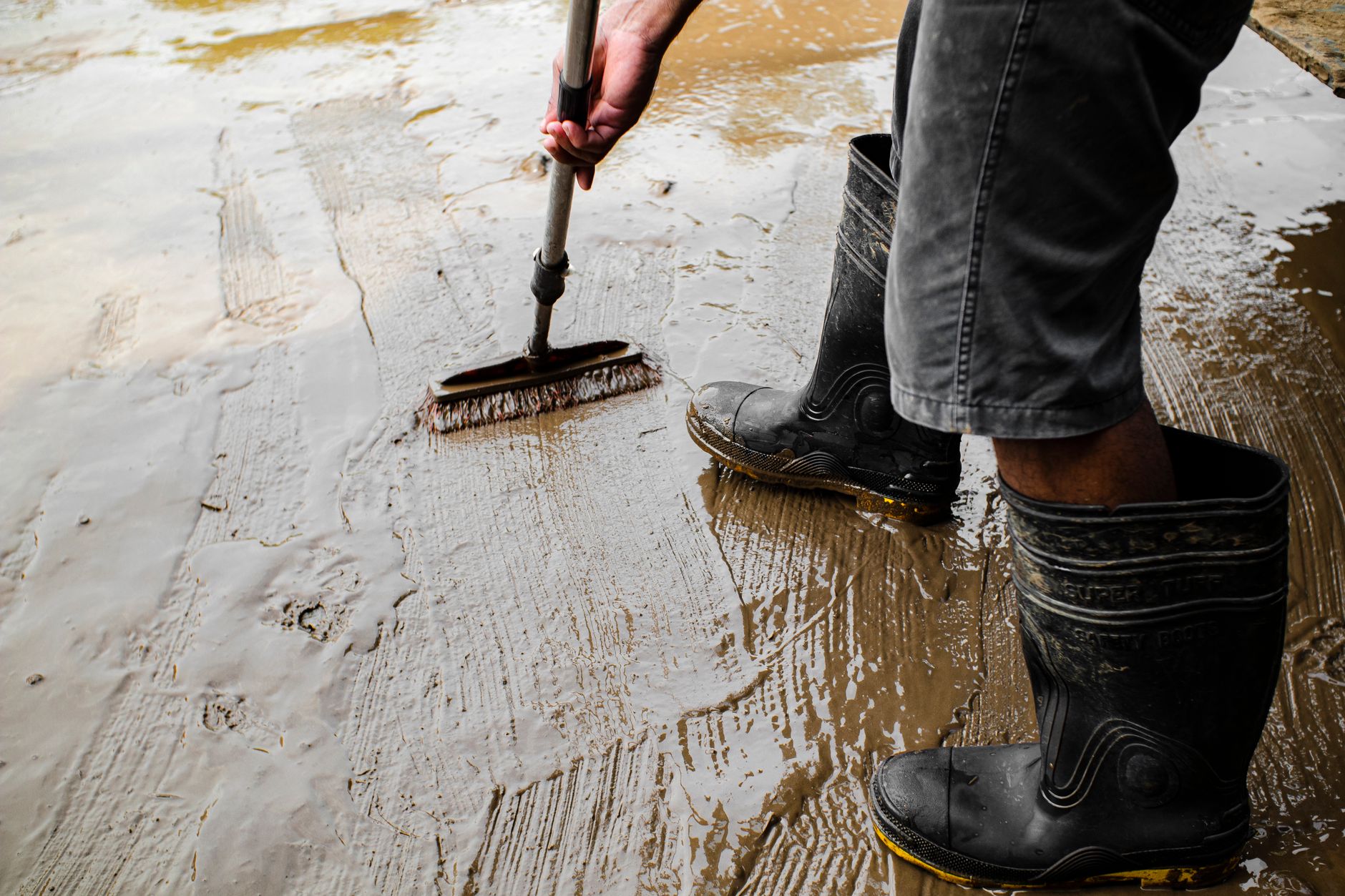
Red Cliff sits in a tight Eagle River canyon under the historic bridge on Highway 24, with elevation near 8,832 feet according to federal geographic records. Winter melt, road sand, and summer dust collect at thresholds faster than a once-a-week deep clean can offset.
Guests often arrive straight from Shrine Pass, river trips, or ATV routes. Boots and wheels deposit fine grit that scuffs tile and clouds sealed concrete if it is not removed on a steady rhythm. Bars that stay open late see the worst packing right before last call.
Small inns may only have a few hard-floor zones, but those zones are high visibility. A dull entry or sticky bar floor reads as neglect even when the rooms upstairs are spotless. That is why entry mats and scrubber paths should be planned together during site assessment.
River humidity and cool canyon nights can slow drying after a wet mop pass. Autonomous scrubbers pull water back up as they move, which matters when guests walk the same tile at breakfast. Testing dry time during a pilot week prevents slip risk and complaint calls.
What does mud season do to Eagle County staffing?
According to the Northwest Colorado Council of Governments July 2025 regional economic update, Eagle County unemployment was 5.2% in May 2025. That month sits in mud season, after ski areas wind down and before summer volume fully returns.
The same report notes that accommodations and food services account for about 23% of jobs across the NWCCOG region that includes Eagle County. Retail and arts or recreation also rank high. Competition for reliable hospitality labor does not pause when highway traffic dips.
Colorado's statewide minimum wage rose to $14.81 per hour on January 1, 2025, per the Department of Labor and Employment PAY CALC order. Paying overtime for a late scrub shift stacks on top of that base. Robotic floor care moves repetitive work off the payroll while keeping floors on schedule.
Vail Valley employers publicly post front desk and service roles with starting wages well above the state floor, which sets expectations even for a town of about 257 residents. You may not match resort pay scales, but you still compete for the same workers who commute on I-70 or over Vail Pass.
Where should you map an after-hours scrub route?
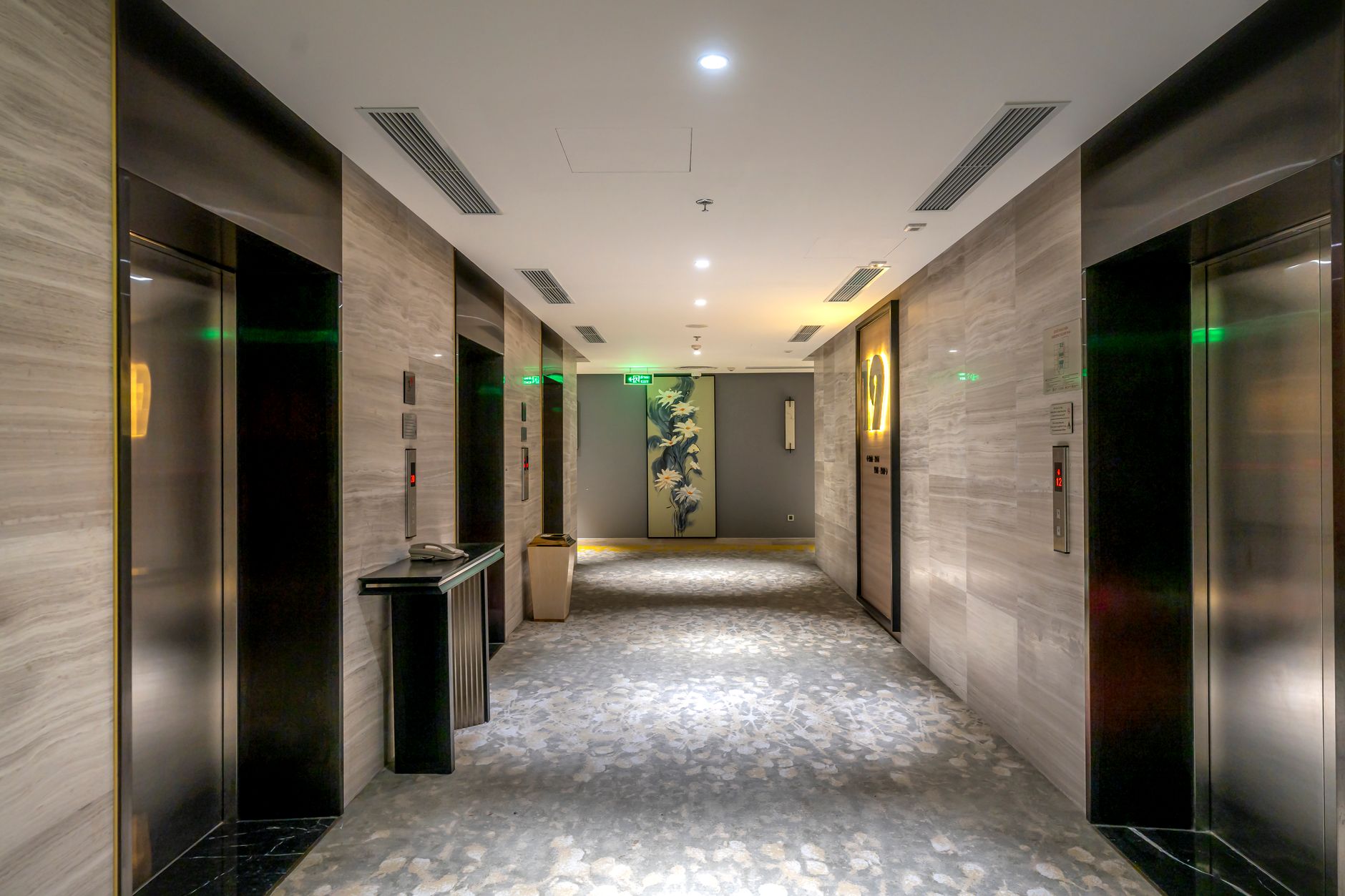
Start with the path guests actually use: porch, entry, host stand or bar rail, restroom corridor, and any back hallway to the kitchen. Mark charger placement where the unit can dock without blocking fire exits or liquor storage.
Note slope changes. Canyon properties sometimes step between levels on short flights of stairs. Most autonomous scrubbers need a ramp or a separate zone map per floor. Document elevator thresholds if you run a small inn with guest floors above the bar.
Schedule runs after chairs are up and mats are shaken, not during live music nights when cables and stools shift. A pilot week proves water usage, pad wear, and dry time before you commit to a full-season rental.
Cord covers and floor signs should live in the same checklist as the robot route. Staff who know where the unit turns are less likely to park a keg cart on the scrub path at close.
- Entry mat zone plus first ten feet of interior tile
- Main bar and dining hard surface
- Restroom corridor and service hallway
- Inn corridor segments that share the same grit load
Does monthly robot rental beat adding another porter shift?

A porter shift is flexible but disappears when someone calls out or takes a second job in Vail Valley. A commercial cleaning robot rental with a monthly payment program gives you a fixed scrub block you can count on, with maintenance included on many programs.
Shoulder months hurt cash flow before summer rafting and fall color traffic return. Month to month lease options let you scale down when occupancy drops, then add runtime when Highway 24 fills again. That matches how small operators already think about seasonal staff.
Delivery robots can complement scrubbers on repeat back-of-house loops, such as moving glassware or linens between bar and kitchen. They do not replace hosts or bartenders. They cut walking time during the same short crew window.
Compare unfilled porter shifts to scheduled scrub blocks in your labor log for two weekends. If floor care keeps getting skipped for sidework, automation is filling a gap you already feel in guest reviews.
How does deployment work for a small inn or single-bar operation?
We begin with a free site assessment and mapping session. Technicians record doorway widths, cord management, and quiet hours so the scrubber path respects guests sleeping upstairs.
Training stays short because staff mostly start, stop, and verify the route. Remote triage handles many alerts before a truck roll is needed. If a unit needs hands-on repair, dispatch pulls from the nationwide service network rather than leaving you to hunt OEM phone trees.
Financing paths include lease, rental, or purchase. Vendor-neutral selection means we match pad type, tank size, and noise profile to your floor, not to a single catalog. You get one invoice and one support number for the lifecycle.
Phased go-live support lets you run the first week with an engineer reachable by phone while staff build confidence. Most Red Cliff-scale sites need only a few tuning passes before the route is stable.
What should owners watch during the first month?
Track dry time at the entry after scrubbing. Canyon humidity and cool nights can slow drying if water pickup is set too aggressive for your finish.
Listen for guest feedback about noise. Most units are quieter than a traditional autoscrubber, but bar close timing still matters.
Compare labor hours saved on floor care against sidework quality. The goal is not to eliminate staff. It is to stop losing servers to mop buckets on nights when the highway delivers a full house.
Photograph entry tile weekly during the pilot. Visual records help you adjust pad pressure before scratches show up in online reviews.
When should you add a second robot or expand the route?
Expand when runtime on the first map hits your quiet-hour ceiling and floors still look dull by morning. That usually means the dining footprint grew with patio traffic, not that the first unit failed.
A second compact scrubber upstairs can make sense for an inn with guest corridors separate from the bar. Keep fleets on one service plan so parts and firmware stay aligned.
Security patrol robots are a different conversation for lots and river access paths. This article focuses on hard-floor care, but the same integrator can scope patrol units if outdoor coverage is the next pain point.