Key takeaways
- Musculoskeletal disorders from manual material handling are a leading cause of workplace injuries, costing employers billions annually.
- Cobots take over repetitive lifting, bending, and twisting, directly reducing the ergonomic strain that leads to sprains, strains, and chronic pain.
- Automating palletizing and machine tending frees workers for higher-value tasks, improving morale and reducing costly employee turnover.
- A safer work environment leads to lower workers' compensation claims, reduced absenteeism, and improved overall productivity.
- Implementing cobots for material handling is a proactive strategy to protect employees and strengthen your operational resilience.
The High Cost of Manual Material Handling Injuries
In manufacturing and logistics, few tasks pose a greater risk to employee health than manual material handling. The constant lifting, carrying, bending, and twisting required in operations like palletizing and machine loading lead directly to musculoskeletal disorders (MSDs). These injuries are the single largest source of workers' compensation claims.
According to the U.S. Bureau of Labor Statistics, overexertion from lifting is a primary driver of injuries that result in days away from work. Manual material handling is the main source of compensable injuries in the American workforce, with the majority of these injuries affecting the lower back. The financial toll is staggering, with MSDs costing U.S. employers nearly $18 billion each year in direct costs alone.
Collaborative robots, or cobots, present a direct and effective way to mitigate these risks. By assigning the repetitive and physically demanding tasks of lifting and stacking to a robot, you remove the primary cause of these debilitating injuries. This not only protects your team but also shields your business from the significant direct and indirect costs associated with workplace injuries.
How Do Cobots Prevent Musculoskeletal Injuries?
Cobots are specifically designed to take over the dull, dirty, and dangerous jobs that place the most physical strain on human workers. The ergonomic risks of manual palletizing, for instance, are severe. It is not uncommon for a worker to lift a cumulative total of over 15,000 pounds during a single eight-hour shift.
This level of repetitive exertion is a direct cause of MSDs like back strains, shoulder injuries, and carpal tunnel syndrome. Cobots eliminate this risk entirely. They handle the heavy lifting and repetitive motions with perfect consistency, 24 hours a day, without fatigue or strain.
By automating these physically taxing processes, cobots reduce the ergonomic risk factors for your employees. This allows your team to transition from manual labor to higher-value roles like quality control and robot supervision, which significantly boosts job satisfaction and morale. Studies have shown that implementing automation like cobots can reduce common causes of workplace injuries by up to 72 percent.

What Specific Tasks Can Material Handling Cobots Perform?
The flexibility of collaborative robots allows them to be deployed in a wide variety of material handling applications that traditionally carry a high injury risk. Their design, which often includes advanced sensors and force-limiting technology, allows them to operate safely alongside human workers without the need for extensive safety caging.
Common high-risk tasks that are ideal for cobot automation include:
* Palletizing and Depalletizing: This is one of the most common applications. Cobots can precisely stack boxes, bags, and other containers onto pallets, a task notorious for causing back and shoulder injuries. * Machine Tending: Loading and unloading CNC machines, presses, and injection molding machines involves repetitive lifting and awkward postures. Cobots can handle this work tirelessly, ensuring consistent cycle times. * Pick and Place: Moving parts from one conveyor to another or placing items into packaging is a highly repetitive task that can lead to repetitive strain injuries. Cobots excel at this type of high-volume, precise work. * Packaging: Cobots can be used to place items into cases or trays, erect boxes, and perform other end-of-line packaging tasks that involve constant motion and lifting.
Integrating Cobots for a Safer Workplace
Adopting cobots for material handling is more than just a capital investment; it is a strategic commitment to employee safety and operational stability. However, the integration process can seem complex. That is where a dedicated partner can make all the difference.
Service Robot Co. simplifies the entire journey. As an OEM-neutral integrator, we focus on finding the right cobot for your specific application, regardless of the manufacturer. Our model is built to remove the typical barriers to automation. We handle the financing, deployment, and integration into your existing workflow.
Our nationwide network of engineers provides comprehensive training for your team, empowering them to work confidently alongside their new robotic coworkers. We also manage all service and maintenance through a single point of contact, ensuring your operation experiences minimal downtime. This full-service approach allows you to gain the safety benefits of automation without the complexities of managing multiple vendors.
What are the Broader Business Benefits of a Safer Workforce?
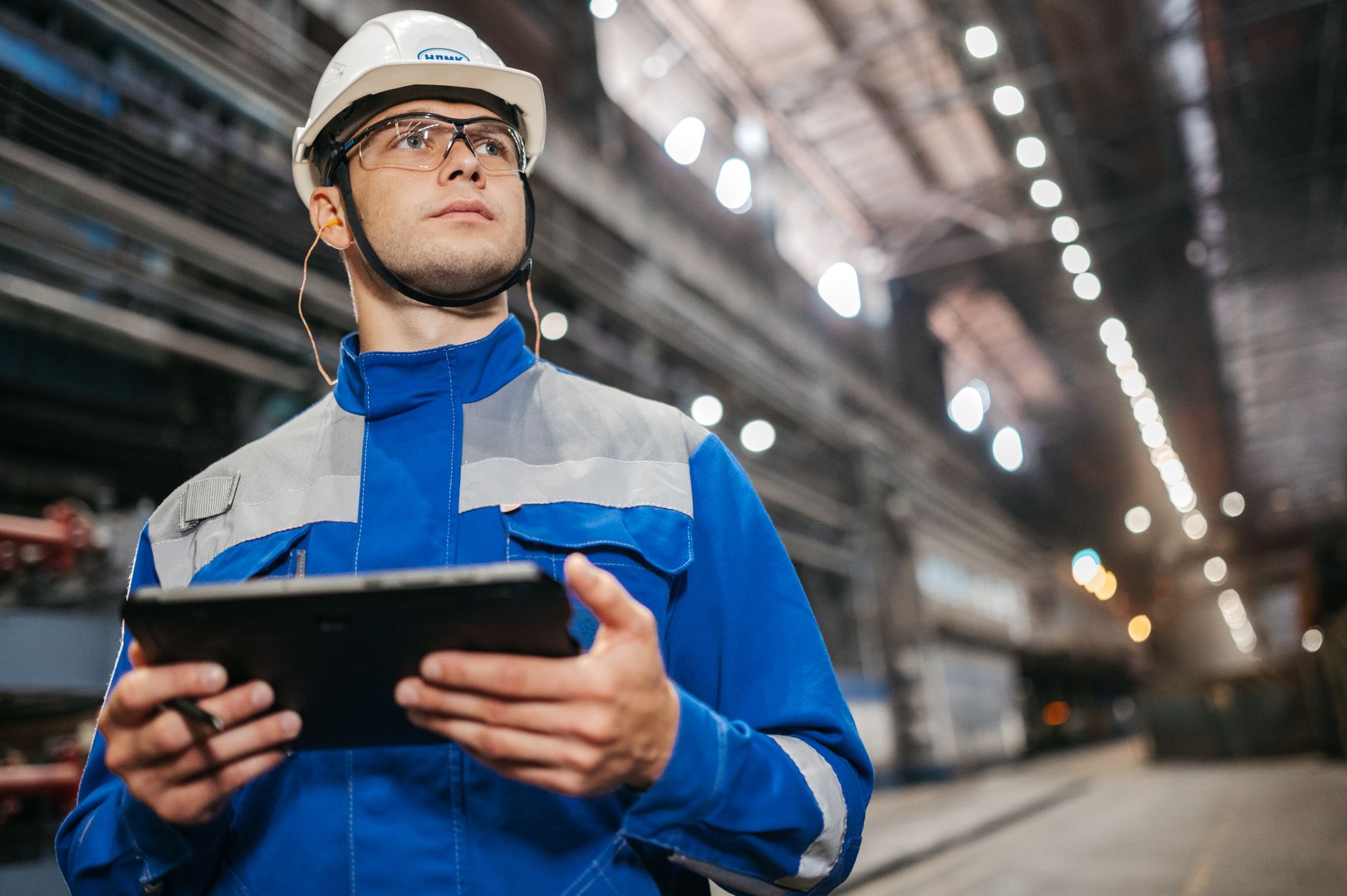
Reducing injury risk with material handling cobots creates a powerful ripple effect across the entire business. A safer work environment is a more productive and profitable one. The benefits extend far beyond the direct savings on workers' compensation claims.
Fewer injuries mean fewer lost workdays. Workers with at least one musculoskeletal condition miss an average of 14 workdays per year. This absenteeism disrupts production schedules and forces costly overtime for other staff. By preventing injuries, cobots help maintain a stable and predictable workforce.
Furthermore, investing in employee safety is a clear signal that you value your team. This improves morale and can dramatically reduce costly employee turnover. Instead of constantly recruiting and training new people for physically demanding jobs, you can upskill your existing workforce into more engaging roles as robot operators and technicians. This creates a more skilled, loyal, and efficient team.
Can We Justify the Investment in Palletizing Cobots?
While the initial cost of automation is a consideration, the return on investment for a cobot is typically very rapid, often within 6 to 12 months. When you factor in the financial impact of workplace injuries, the case becomes even more compelling.
The direct costs of a single MSD-related injury can range from $15,000 to over $85,000 per case. Indirect costs, which include lost productivity, administrative time, and retraining, can be two to three times that amount. By preventing just one or two serious injuries, a cobot can effectively pay for itself.
Moreover, cobots increase throughput and consistency. They can operate continuously without breaks, performing tasks with repeatable accuracy that reduces errors and waste. This boost in productivity, combined with the substantial savings from injury prevention, makes the financial justification for implementing material handling cobots exceptionally strong.