Key takeaways
- Drive-up caretaker visits fail when forest roads close for weeks each winter.
- Patrol robots carry cameras on fixed loops while scrubbers handle mudrooms on schedule.
- Garfield County labor markets still compete for the same valley cleaning crews.
- Power, heat, and cellular coverage decide whether a remote pilot is viable.
- Service Robot Co. can stage rental units downhill before you expand uphill routes.
When does a patrol robot beat a caretaker drive-up?
A drive-up check only works when the road is open, the caretaker is available, and someone reviews what they saw. On remote Flat Tops inholdings, any one of those fails for weeks at a time.
A patrol robot runs the same camera loop every night, logs timestamps, and flags motion in parking areas or equipment yards. You still send people for repairs, but you stop paying for empty windshield time.
Pair that loop with an autonomous scrubber on lodge mudrooms and shared corridors so entries stay dry even when no one sleeps on the mountain.
Compare the fully loaded cost of a scheduled caretaker run, vehicle wear, and after-hours callouts with a fixed nightly patrol loop. The robot does not remove human judgment, but it removes empty trips when the road is passable yet no one is free to drive.
Start with one building and one loop. Expand only after clips, scrubber recovery water, and staff callbacks look stable for a full billing cycle.
What makes Colorado forest inholdings different?
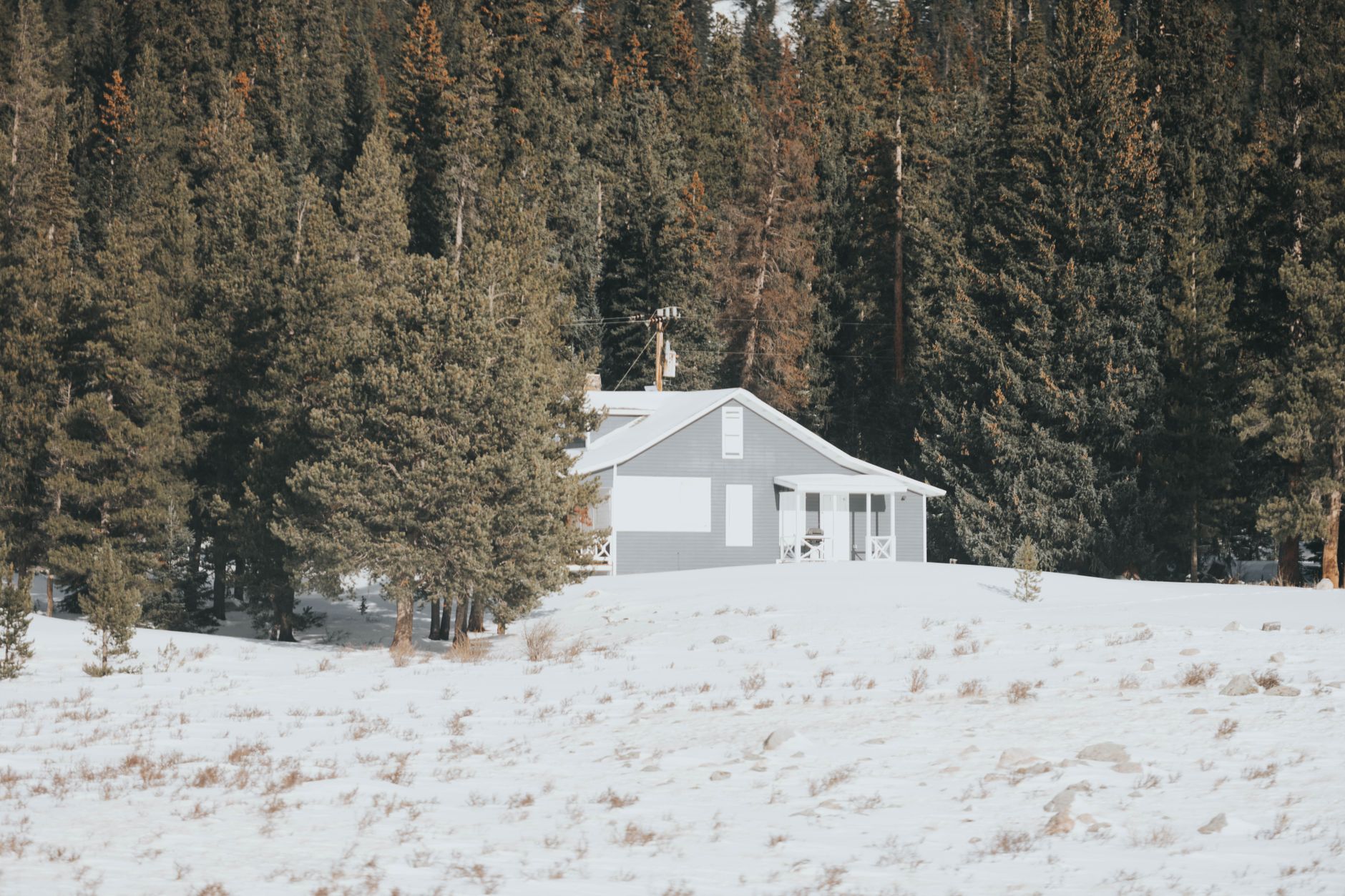
The Town of Carbonate is a statutory town in Garfield County with a 2020 census population of zero, yet private owners still maintain cabins inside the White River National Forest.
Garfield County GIS notes Carbonate incorporated effective January 1, 2016, after property owners voted to keep the historic townsite on the books. That legal status matters for insurance, access agreements, and how you contract security coverage.
Most services still originate in Glenwood Springs or Rifle, so robots must be planned as part of a valley-to-mountain workflow, not as a gadget left alone on a ridge.
KDVR reported that Carbonate spans about 640 acres with most land in U.S. Forest Service ownership and roughly 79 acres in private hands. That mix means access rules, fire restrictions, and seasonal closures change year to year.

How tight is hiring along the I-70 corridor?
The U.S. Bureau of Labor Statistics reported a 3.2 percent average unemployment rate for Garfield County in 2025 through the LAUS program.
Even with modest jobless rates, seasonal properties compete with hotels, clinics, and grocery back rooms for the same janitorial and maintenance techs.
Automating repeatable patrol and scrubbing routes keeps public areas presentable when you cannot add another caretaker shift.
Unemployed persons in Garfield County averaged 1,067 in 2025 according to BLS LAUS annual data, which shows how thin the bench can feel when summer guests arrive and energy projects pick up.
What should you map before the first patrol loop?

Walk the site in mud season and after the first hard freeze. Note generator noise limits, neighbor sight lines, and where snow storage blocks camera angles.
Mark charging locations inside heated space with dedicated circuits. Outdoor plugs ice over and shorten battery life.
Define escalation: which alerts go to a live guard company, which go to the property manager, and which are logged for weekly review only.
Talk with neighbors about light pollution and camera angles before you commit to a route. A loop that scans guest windows will create complaints faster than a loop focused on driveways and outbuildings.
- Camera height for snow berms
- Wi-Fi or cellular backhaul points
- Patrol speed on gravel drives
- Scrubber route for shared mudrooms
- Downhill spare battery cache
How do scrubbers fit remote lodge corridors?
Mudrooms see the worst grit from trucks and boots. A quiet-hour scrubber pass keeps tile safe without waking guests in attached units.
Keep mats long enough to trap sand before it reaches the robot path. Saturated mats defeat even a well-mapped scrubber loop.
Log pad wear weekly because forest grit is abrasive. Replace pads on a schedule, not after a slip complaint.
If cabins share a well house or laundry closet, route the scrubber away from those spaces during chemical storage weeks. A simple door schedule on the map prevents cross-contamination.

What power and connectivity tests matter?
Run a week of load logging on the circuit you plan to share with chargers. Generators that cycle at night can trip breakers mid-route.
Test upload speeds where video clips must leave the site. If cellular is weak, store clips locally and sync when a caretaker visits.
Document who owns the router and who gets called when it fails. A patrol robot with no uplink still helps on-site, but you lose remote eyes.
If the site relies on propane generators, note start times in the robot schedule so a scrubber does not pull load during ignition tests.
When should you stage equipment downhill?
Many owners keep spare batteries, pads, and a loaner patrol unit in Glenwood Springs or Rifle where roads stay open.
Service Robot Co. can align rental terms so you pilot one uphill building while support stays in the valley shop.
That split shortens downtime when a machine needs service and you cannot wait for a mountain tow.
Align pad and blade orders with valley suppliers so overnight shipping does not depend on a forest road that closed at dusk.
How do you measure a thirty-day pilot?
Track drive-up visits avoided, alarm callbacks, and guest comments about lighting or wet entries.
Compare scrubber runtime to planned minutes. Gaps usually mean mat neglect or a threshold that needs a manual wedge.
Review patrol clips with your insurance broker to confirm they meet any documentation clauses for vacant-period properties.
Ask your security vendor whether archived patrol clips satisfy reporting for vacant periods. Some carriers want human guard acknowledgment even when video exists.
What stays human-only?
Robots do not replace emergency response, guest relations, or mechanical repairs on wells and generators.
Write a short policy that tells staff which tickets robots handle and which always page a person.
Clear roles prevent the fleet from becoming a excuse to skip storm visits when roads are actually open.
Wildlife encounters, tree falls across drives, and frozen pipes still need a person on site when conditions allow travel.