Key takeaways
- Older warehouse floors are a primary obstacle; they require assessment for flatness and levelness to prevent robot navigation errors.
- Existing Wi-Fi networks, designed for human-operated devices, often lack the consistent coverage and low latency that AMR fleets require.
- Integrating AMRs with a legacy Warehouse Management System (WMS) is a critical software hurdle that often requires middleware or custom APIs.
- Physical layouts, including aisle widths and column spacing, must be evaluated to ensure robots can navigate safely and efficiently.
- A phased deployment, starting with a pilot program, is crucial for validating workflows and ensuring a smooth transition in an existing facility.
Is Your Warehouse Really Ready for Robots?
The pressure to automate warehouse operations has never been greater. Autonomous Mobile Robots (AMRs) promise to boost productivity, improve accuracy, and fill persistent labor gaps. Yet, most businesses operate out of existing facilities, not gleaming new buildings designed for robotics. Retrofitting an older warehouse for an AMR fleet is entirely achievable, but it requires a clear-eyed assessment of the building's hidden limitations.
The most significant challenges are often the ones you cannot see. Issues like subtle dips in a concrete floor, inconsistent Wi-Fi coverage, and outdated software systems can halt a deployment before it ever delivers value. A successful AMR implementation in a legacy facility depends on addressing the physical and digital infrastructure first. This checklist provides a practical framework for that essential preparation.
Failing to account for the unique demands of robotics can lead to significant efficiency losses, equipment damage, and a frustratingly slow return on investment. According to industry analyses, robotic fleets on floors that don't meet specifications can lose 15% to 30% of their efficiency due to reduced speeds and sensor-related stops. By systematically working through these steps, you can avoid costly surprises and ensure your building is ready for automation.
Step 1: Get a True Picture of Your Floors
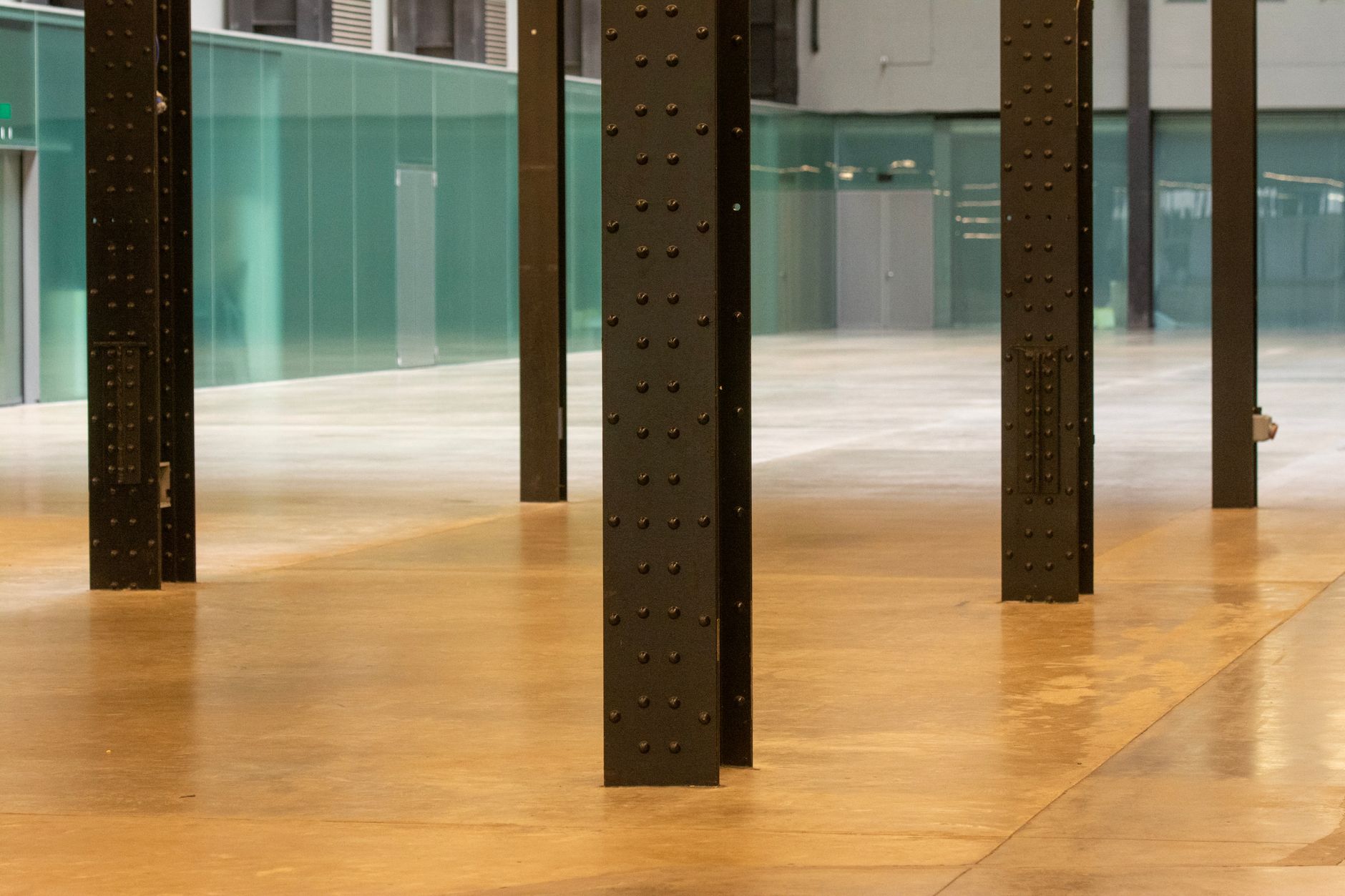
The single most overlooked and critical element in any AMR deployment is the quality of the concrete floor. What seems perfectly adequate for foot traffic and forklifts can be a minefield for a robot's sensitive navigation system. AMRs rely on consistent surfaces to operate reliably; bumps, cracks, and uneven joints can interfere with their sensors, causing errors, slowdowns, or complete stops.
The key metrics are floor flatness (FF) and floor levelness (FL). Flatness controls the 'bumpiness,' while levelness controls the 'tilt' or pitch. While standards vary, many AMRs require floors to have minimal height variations, sometimes as little as 5 mm. Joints between concrete slabs are another major concern. If they are wider than 10 mm or not filled flush with the surface, they can create vibrations that disrupt navigation.
A professional floor assessment is the only way to know for sure. This process goes beyond a simple visual inspection, using specialized equipment to measure FF/FL values and identify areas that need remediation. Common solutions include grinding down high spots and filling low areas to create a smooth, continuous path for the robots. It's a foundational investment that prevents countless operational headaches down the line.
Step 2: How Good is Your Wi-Fi, Really?

Warehouse Wi-Fi networks are typically designed for human-operated devices like handheld scanners, which can tolerate minor delays and inconsistent connections. AMRs cannot. They require continuous, predictable, low-latency connectivity to receive instructions from the fleet manager, report their status, and navigate safely.
A comprehensive Wi-Fi site survey is non-negotiable. This process maps the radio frequency (RF) environment across your entire facility, identifying dead zones, areas of interference from machinery, and poor signal strength that could cripple a robot fleet. The goal is to ensure robust coverage everywhere the robots will operate, from open transfer aisles to the deep ends of racking.
Simply adding more access points isn't always the answer. The design must account for the unique challenges of robotic clients. Many AMRs have internal antennas that are not optimally placed for RF performance, which can reduce signal strength compared to other devices. A network designed for robots needs greater RF margin and access point placement aligned with robot travel paths, not just general coverage areas. In some cases, exploring private 5G/LTE networks may be necessary for ultra-reliable communication.
Step 4: Will Your WMS Speak to Your Robots?
The final, and often most complex, hurdle is software integration. Your Warehouse Management System (WMS) holds all the critical information about inventory location and order priorities, but it likely wasn't built to communicate with a fleet of robots. Creating a bridge between your legacy WMS and the robot's fleet management software is a common and significant challenge.
This integration is rarely a simple plug-and-play process. Older systems may lack modern Application Programming Interfaces (APIs), which are the hooks that allow different software to exchange data in real-time. Without this smooth data flow, you create an operational disconnect where robots lack the instructions needed to perform their tasks efficiently.
The solution often involves deploying a middleware layer. This specialized software acts as a translator, converting high-level commands from the WMS (like 'pick order 123') into specific tasks for the AMR fleet (like 'robot 7, proceed to location A4, retrieve tote 567, and bring it to packing station 2'). Thoroughly planning this integration is essential to ensure your robots operate as an intelligent, coordinated part of your workflow, not as isolated machines.

Step 5: How Do You Launch Without Shutting Down?
Implementing an AMR fleet in a live, operational warehouse requires a strategy that minimizes disruption. A 'big bang' approach where everything switches over at once is risky and can halt productivity. A phased deployment is the proven path to success.
Begin with a pilot program in a single, well-defined area of your warehouse. This allows you to test and validate your workflows, confirm the infrastructure upgrades are performing as expected, and train a core group of employees to work alongside the robots. The goal of the pilot is to learn and refine the process on a small scale before expanding.
As a full-service integrator, Service Robot Co. manages this entire lifecycle. We don't just sell robots; we deploy them. Our process includes initial site mapping, phased go-live support, and comprehensive staff training. Because we are OEM-neutral, we focus on the right solution for your building and your process. Our nationwide network of engineers ensures that from pilot to full-fleet rollout, you have one partner and one number to call for deployment, integration, and ongoing service, ensuring a smooth transition to automation without shutting down your business.