Key takeaways
- Landlords often control corridors, docks, elevators, Wi-Fi, and security systems robots depend on.
- Get written access rights for routes, charging docks, and after-hours runs before you sign a robot lease.
- Split insurance, indemnity, and camera data rules between tenant, landlord, and integrator in one exhibit.
- Restoration and de-install clauses should name who removes docks, patches floors, and deletes maps.
- Termination timing must cover both your robot contract and your lease renewal dates.
Which building systems do landlords usually control?
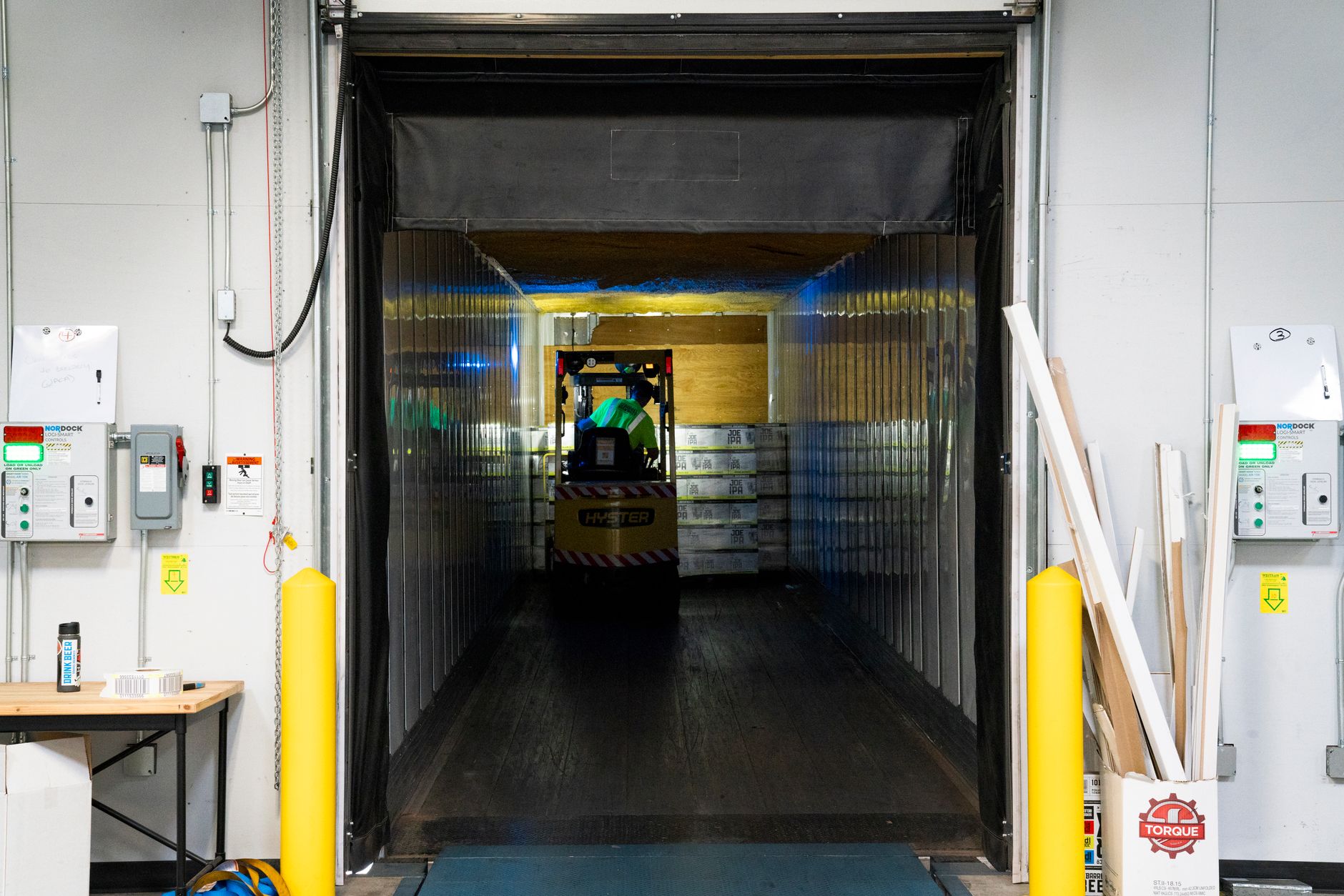
Expect the landlord to hold keys on passenger and freight elevators, after-hours HVAC modes, fire alarm interlocks, and sometimes the only usable internet drop in the dock area.
Security desks may own lobby camera policies and visitor logs that conflict with patrol robot clips. Facilities teams often control striping, speed bumps, and dock plates that navigation maps assume stay fixed.
Your robot contract should list these dependencies as assumptions. If the landlord changes striping during a remodel, someone must remapping, and the lease should say who pays.
What permissions should be in writing before go-live?
Attach a route exhibit showing every common-area segment, charging location, and storage nook. Note allowed hours for autonomous runs and whether a human escort is required in lobbies.
Separate passenger moves from freight moves if elevators have different rules. Delivery robots and AMRs often need freight access that office leases never mention.
Landlord sign-off should cover temporary barricades during mapping and any penetration for dock power. Verbal OK from a site manager expires when that manager rotates.
- Signed common-area route map with hours
- Freight versus passenger elevator rules
- Dock or closet power and network drops
- After-hours access badges for service techs
- Noise limits for overnight scrubbing
How should insurance and liability split?
Commercial robot rental agreements usually ask for general liability and property coverage on the tenant. Landlords may require additional insured status and waiver of subrogation language before robots cross the lobby.
Spell out who covers a slip incident during robot cleaning, a collision in a shared dock, or damage to landlord base building from a charging install. Patrol robots add camera liability that standard tenant policies never contemplated.
Your integrator may carry service liability for workmanship, but that does not replace tenant coverage for operations in common areas. One exhibit should map carrier, limit, and notice requirements without sending the landlord to three PDFs.
Who owns data captured in landlord-controlled space?
Scrubbers log coverage paths. Patrol units store video. Landlords may claim interest in footage that shows their staff, other tenants, or lobby visitors.
Define retention, export, and deletion in the tenant-landlord access agreement, not only in the integrator portal terms. Say whether maps live with the tenant, the integrator, or must be deleted within a set period after move-out.
If the landlord shares Wi-Fi, clarify whether robot telemetry crosses their network and whether they require a security review before SSIDs go live.
What restoration promises do landlords expect?
Charging docks, floor markings, and minor penetrations trigger restoration clauses in many leases. Commit in writing to remove hardware, patch holes, and restore finishes when the robot program ends.
Photograph pre-install conditions on common-area carpet and tile. Landlords compare post-removal photos against their checklists when returning deposits on tenant improvements.
If you expect to leave docks in place for a successor tenant, get explicit landlord consent. Silent abandonment becomes a default violation fast.
How do you align robot termination with lease dates?
Robot leases, RaaS subscriptions, and building leases rarely share the same end date. A robot contract that outlives your lease leaves you paying for units you cannot run in the new space.
Build exit windows that match lease break options and notice periods. Include de-install labor, freight, and map deletion in the same clause so finance sees the full cost of leaving.
Service Robot Co. clients often coordinate integrator de-install with landlord walk-through dates so common areas return to spec before the next tenant tours.
When should the integrator join landlord negotiations?
Bring the integrator when routes touch docks, when multiple robot types share one charger row, or when elevator integrations need vendor letters. They supply SAT records and safety docs landlords ask for in capital reviews.
The integrator should not negotiate your lease for you, but they should review robot exhibits for technical accuracy before you send them to the landlord's counsel.
One partner for select, finance, deploy, and service keeps serial numbers, insurance certificates, and de-install crews aligned with what the landlord approved on day one.