Key takeaways
- Walnut Creek's 2022 beta treated the GeoLink Solutions fairway mower as a fairway specialist, not an all-purpose machine.
- Support means the mower takes fairway passes while people keep greens, tees and bunkers.
- A mapped fairway perimeter keeps the machine inside its pattern, so supervision centers on exceptions.
- Freed crew hours only pay off when the course schedules them on purpose.
- Ask how alerts reach staff, and who answers them, before any unattended run is planned.
Should a robot fairway mower replace crew members?
No, if you read the Walnut Creek beta the way its superintendent did. Paul Sibley ran Walnut Creek Golf Preserve, a municipal course in Westminster, Colorado, as a beta site for an autonomous fairway mower. His conclusion, as reported in trade coverage, is that the machine is a specialist for fairways, and its best use is as supplemental support for fairway mowing.
That distinction changes the staffing question. Support changes which hours go where, not whether a crew is needed. The mower takes a defined share of fairway passes while people keep the work that depends on judgment and hand skill.
The conclusions here come from a Golfdom feature in its November/December 2025 issue. This article paraphrases that feature and does not quote Sibley directly.
What did the 2022 beta set up at Walnut Creek?
According to the Golfdom feature, Walnut Creek agreed in August 2022 to host a beta version of the GeoLink Solutions autonomous fairway mower, and the crew has observed it since. Staff completed online training before operating the machine. The platform is based on earlier Toro mowers, so crew members already knew much of the system.
A companion app lets users map and monitor the machines. Per the trade summary, once a fairway's perimeter is mapped, the mower stays within that pattern. The mapping work done in advance decides what the machine is allowed to cut, so it is the job that deserves the most care.
What does support look like on a real morning?
The sequence below is an illustrative morning built from the division of labor the beta describes. It is not a timed log from the course, and it claims no hours or output figures.
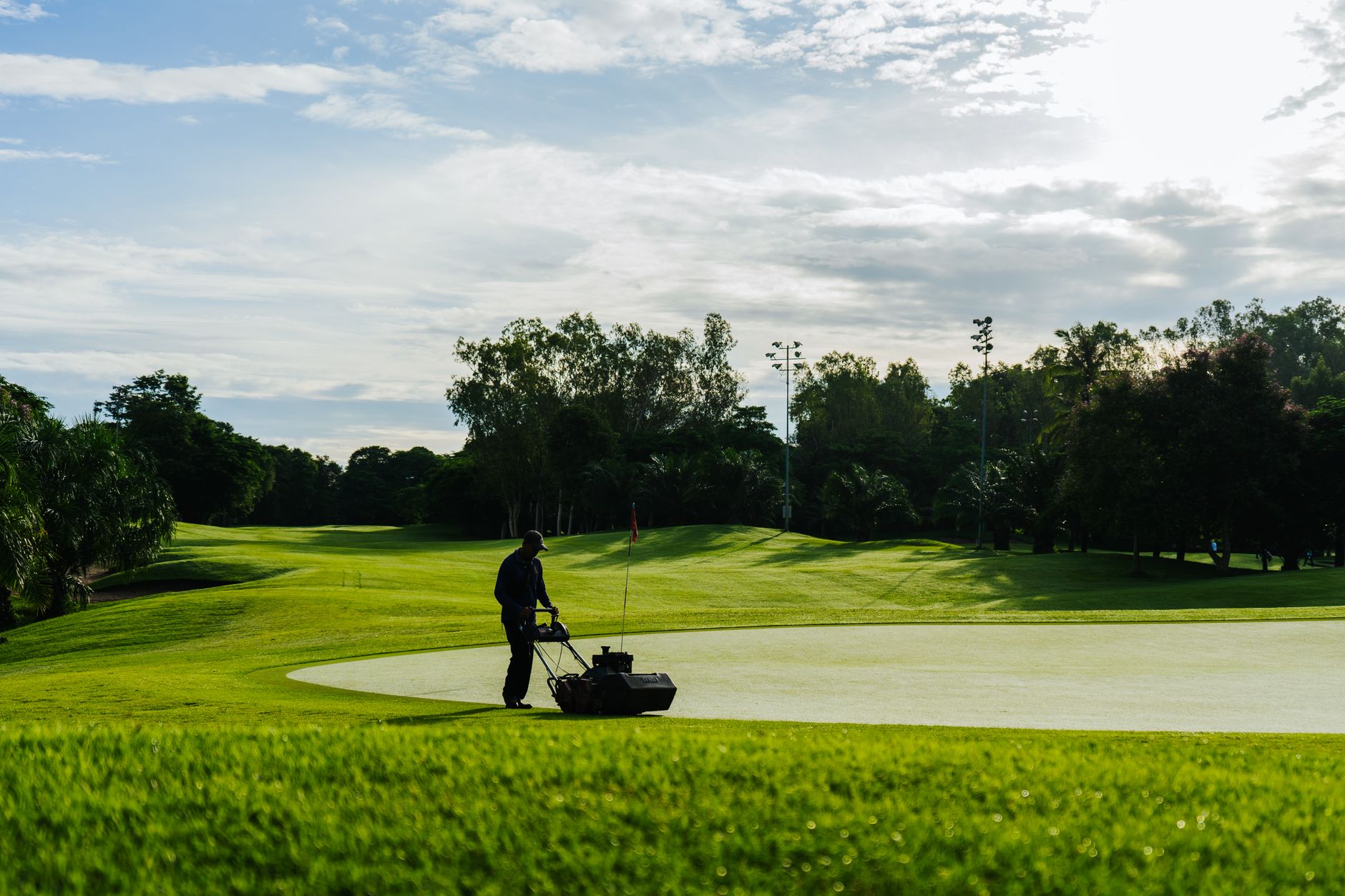
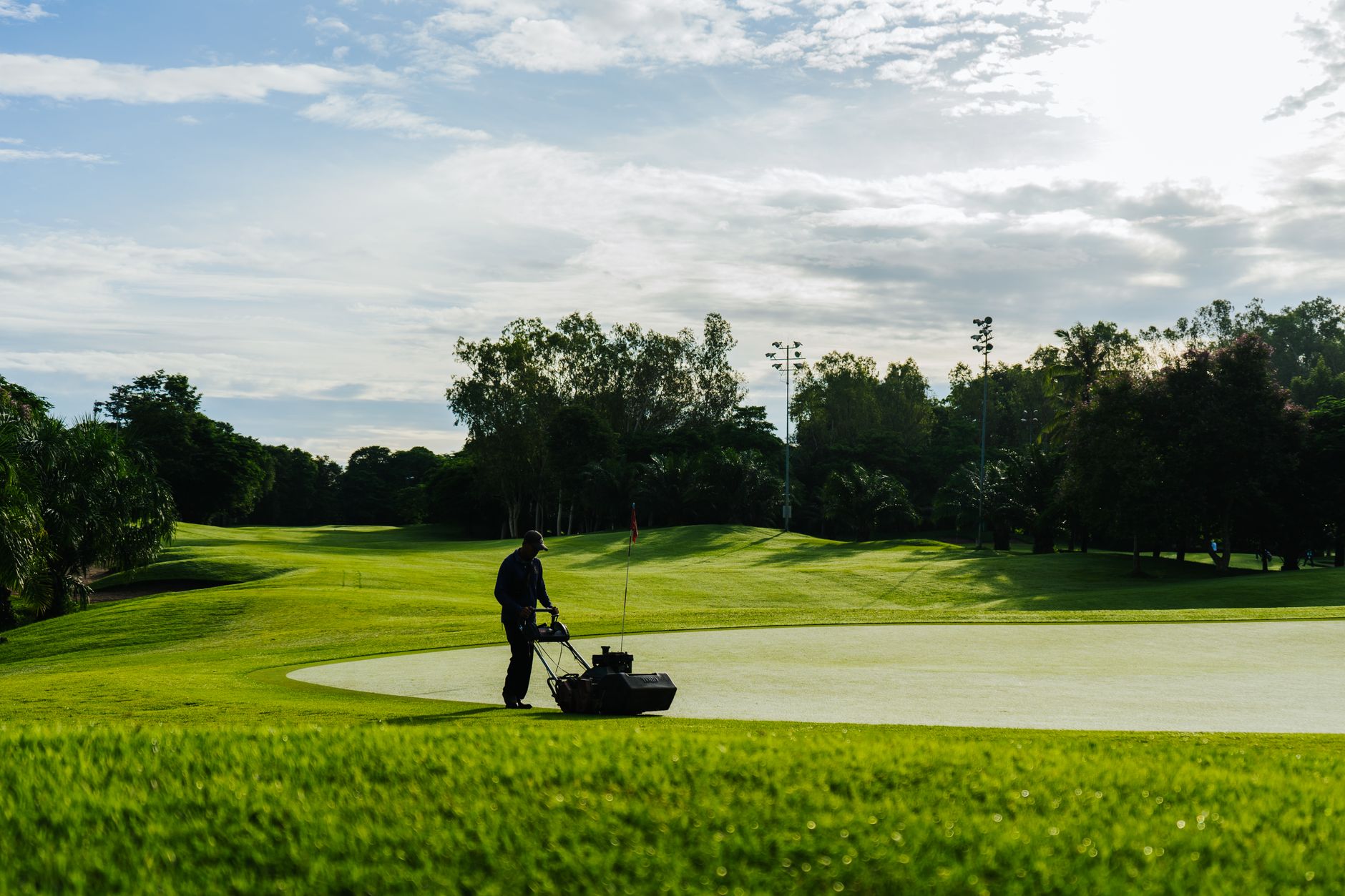
Before the first tee, the crew lead confirms the mapped fairway area is clear of carts, staged equipment and people, then starts the mower on its approved pattern. The machine works the fairway passes. Meanwhile the greens crew cuts and rolls, tee boxes get their height and divot work, and bunker teams rake and edge. Each group works a separate area, so the mower and the hand crew do not compete for the same ground.
Supervision runs in the background. The mower's status is watched through the monitoring view, and when something needs attention, a named crew member goes to the machine. Whatever alert channel a course uses, the morning only works if one person is clearly responsible for responding.
What stays with the crew on the course?
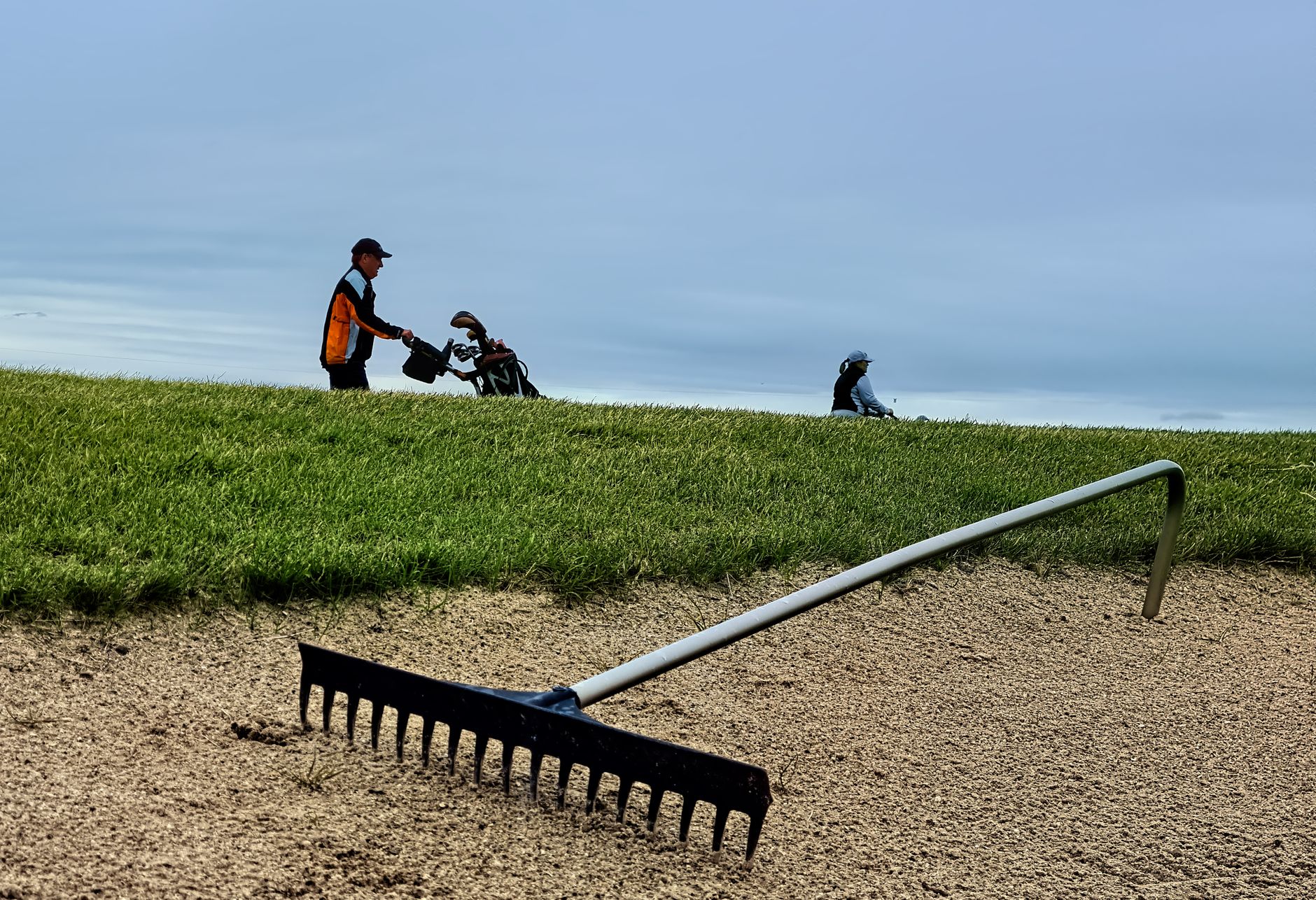
Greens, tees and bunkers stay with the crew. The beta's conclusion concerns fairways, and the trade summary describes the mower as a fairway specialist. Hole-area work depends on close inspection, precise height changes and hand finishing that a fairway boundary does not cover.
Bunker faces, collars and tee markers are hand work, and a superintendent's eye on pin areas is not something a mapped perimeter replaces. Plan these hours first, because they are the work members judge most closely.
Where do the freed hours go, and who keeps the plan?
Freed hours only help if they are scheduled. Without a written plan, they can disappear into whatever is urgent that morning. Superintendents who treat the mower as support usually decide in advance which hand tasks get the freed time.
This is also where a lease decision becomes practical. Service Robot Co. is an OEM-neutral integrator that leases commercial robots through financing on a 3-year lease, with one fixed lease payment quoted after a site assessment. We deploy, integrate, train and service each unit under RoboCare, backed by regional service engineers in every state we service. For a course evaluating a fairway mower or another robot type, that means one vendor for the whole lifecycle.
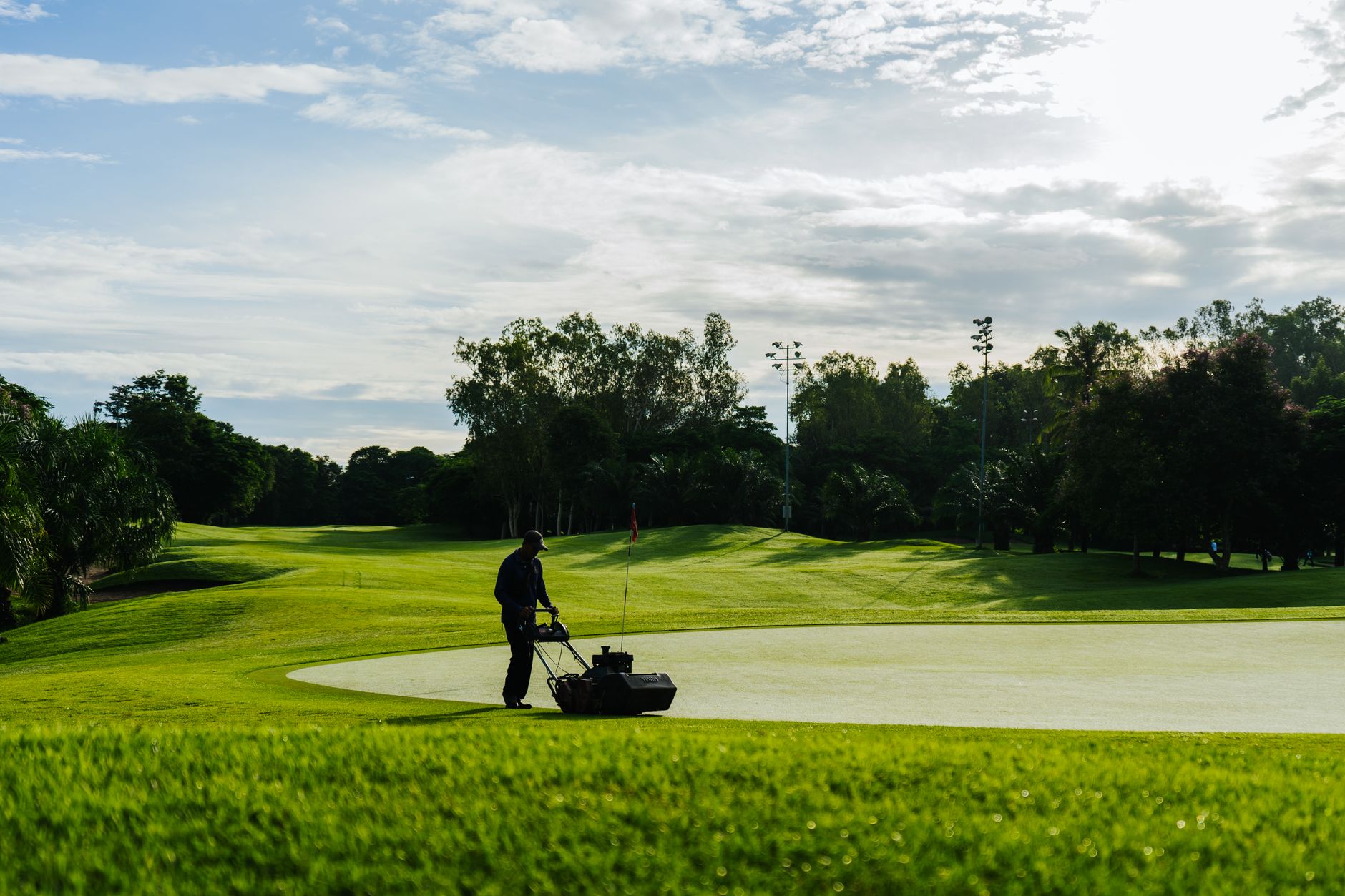
What should a course ask before a supported mower run?
The beta gives a usable checklist, even though it does not answer every question. Settle these points before the first run.
- Who receives alerts during play, and who responds when the mower stops?
- How is the fairway perimeter mapped, and who revises it after tree work or drainage changes?
- What online training must each operator finish before the machine runs with less direct attention?
- What response time does the vendor commit to when a unit needs on-site attention?
What this beta does not prove
The beta is one municipal course in Colorado, reported through a trade feature. The research behind this article did not establish the alert workflow in detail, the full wording of the superintendent's conclusions, whether the product is commercially available, or any hours saved. Those gaps matter for anyone planning a budget.
Treat the Walnut Creek lesson as a statement of scope rather than a performance benchmark. As reported, the mower's job is fairway support, and the rest of the course keeps its crew. Read the full Golfdom feature before quoting it inside your organization.
Frequently asked questions
Want a robot working for you?
Tell us the job and the site. We will recommend the robot, quote the lease, and keep it serviced.