Key takeaways
- Specialized, washdown-rated robotic floor scrubbers are essential for meeting strict food safety regulations.
- Autonomous cleaning reduces water and chemical consumption, lowering both environmental impact and operational costs.
- Automating floor care allows human staff to focus on more complex sanitation tasks, improving overall plant hygiene.
- Consistent, documented cleaning cycles from robotic scrubbers provide reliable proof of compliance for audits.
- A full-service robot integrator can help select, deploy, and maintain the right robots for your specific facility needs.
Meeting Uncompromising Hygiene Standards with Robotic Floor Scrubbers
In food and beverage processing, facility hygiene is not a goal. It is a strict, regulated necessity. The floors of a production plant are a primary battleground against contamination, where spills, organic matter, and moisture can create breeding grounds for pathogens. Failing to meet the stringent standards set by bodies like the FDA and USDA is not an option, as it can lead to shutdowns, recalls, and a complete loss of consumer trust.
This is where autonomous floor scrubbers, specifically designed for these demanding environments, provide a powerful advantage. These are not standard commercial cleaners. Food processing facilities require washdown-rated robotic scrubbers, units built to withstand frequent, high-pressure cleaning with harsh chemicals without compromising their sophisticated navigation and sensor systems. They are constructed with materials and designs that prevent them from becoming sources of contamination themselves.
By automating the daily, repetitive, and critical task of floor sanitation, these robots ensure a consistent level of clean that is difficult to achieve with manual methods alone. They can run overnight or between shifts without supervision, covering vast floor plans with predictable, verifiable results. This frees up sanitation crews to concentrate on the complex and detailed cleaning of processing equipment and other critical control points.
What Makes a Floor Scrubber Ready for Food Production?
Not just any autonomous scrubber can be deployed in a food and beverage plant. The environment is uniquely harsh, and the stakes are exceptionally high. The right machine must possess specific characteristics to survive and be effective.
First and foremost is a high Ingress Protection (IP) rating, such as IP65. This certification ensures the robot's housing is sealed against dust and can withstand low-pressure water jets from any direction, a common scenario during facility washdowns. The materials used in construction must also be corrosion-resistant to stand up to the aggressive sanitizers and cleaning agents used to ensure food safety. Stainless steel components are often preferred for their durability and resistance to chemical breakdown.
The design must also be hygienic. This means smooth, non-porous surfaces without cracks or crevices where microbes could accumulate, a principle that mirrors the FDA's requirements for the floors themselves. An industrial floor scrubbing robot designed for this sector will be engineered to prevent it from becoming a vector for contaminants.
How Do Autonomous Scrubbers Ensure Regulatory Compliance?
Compliance with food safety regulations is a cornerstone of any food and beverage operation. Regulatory bodies like OSHA require workroom floors to be kept clean, orderly, and dry whenever possible. Similarly, the FDA and USDA have exacting standards for floor conditions to prevent contamination.
Robotic floor scrubbers directly support compliance by creating a consistent, documented cleaning record. Fleet management software provides detailed reports on when and where each unit operated, for how long, and which cleaning protocols were used. This data-driven proof of clean is invaluable during an audit, demonstrating a systematic and verifiable approach to sanitation.
The consistency of robotic cleaning is a major advantage. Unlike manual cleaning, which can vary by operator and shift, a robot performs its programmed route with the same precision every time. This eliminates human error and ensures that every corner of the facility receives the specified level of attention, day after day. This reliability helps meet the core requirement of regulations like the Food Safety Modernization Act (FSMA), which emphasizes a proactive approach to preventing contamination.
Can Automation Really Reduce Water and Chemical Usage?
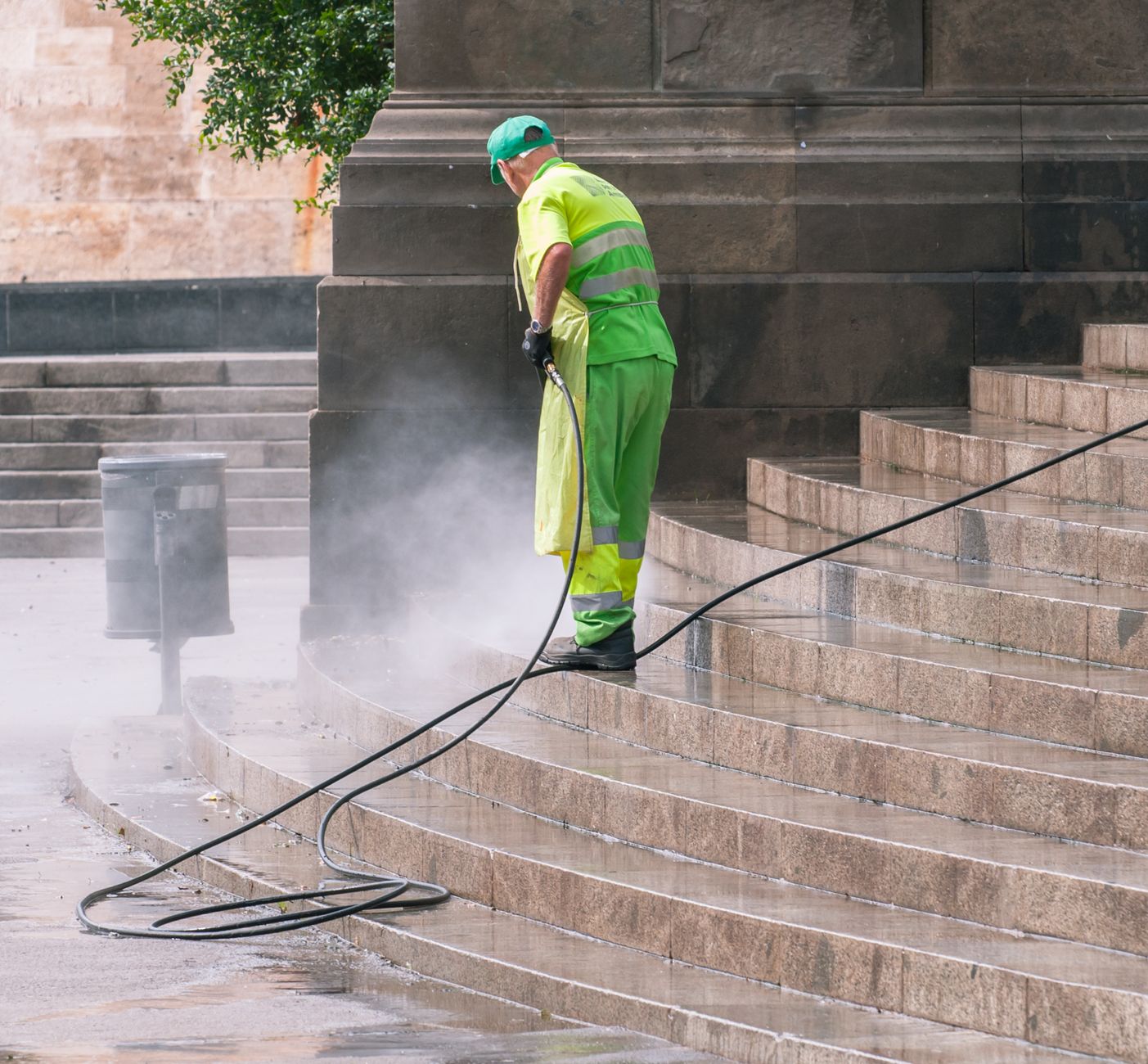
Water is a significant operational cost and a critical resource in food production. Automated cleaning systems have proven to be far more efficient than manual methods. Autonomous scrubbers can use between 40-70% less water than traditional operator-driven machines. Some advanced models even feature multi-stage filtration systems that recycle water, reducing fresh water consumption by up to 75%.
This efficiency stems from precision. The robots dispense the exact amount of water and cleaning solution required based on the programmed route and floor type, eliminating the overuse common in manual processes. This controlled dispensing not only cuts down on water and chemical costs but also contributes to a more sustainable operation.
Reducing water on the floor also has safety benefits. OSHA standards mandate that floors be kept as dry as possible to prevent slips and falls. The efficient squeegee and vacuum systems on modern robotic scrubbers leave floors drier than manual mopping, creating a safer environment for employees.
Integrating Robotics Without Disrupting Your Operations
The idea of deploying a fleet of robots can seem daunting, especially in a facility that runs multiple shifts and cannot afford downtime. This is why a phased deployment strategy, managed by an experienced partner, is essential. True integration is more than just delivering a machine; it involves a comprehensive process tailored to your specific plant.
Service Robot Co. specializes in this exact scenario. As an OEM-neutral integrator, our first step is a thorough site assessment to understand your facility's layout, floor types, shift schedules, and specific sanitation challenges. We are not tied to a single manufacturer, so we can select the industrial floor scrubbing robot that genuinely fits your washdown requirements and operational needs.
Our nationwide network of engineers handles every aspect of the rollout. This includes mapping your facility, programming the cleaning routes, and integrating the robots with your existing sanitation workflows. We provide on-site training for your staff to ensure they are comfortable managing the machines for daily tasks like filling and emptying tanks. Our go-live support ensures the transition is smooth, and because we manage the entire lifecycle, you have one point of contact for service, maintenance, and any future needs.
What is the Real-World Impact on Your Sanitation Team?
A common misconception is that autonomous scrubbers replace human workers. In reality, they augment the sanitation team, handling the repetitive, time-consuming work of covering large floor areas. This allows skilled sanitation professionals to redirect their expertise to more critical and detailed tasks.
Instead of spending hours on a ride-on scrubber, your team can focus on manually cleaning and sanitizing complex processing equipment, performing detailed inspections, and managing other crucial aspects of plant hygiene. The robot handles the heavy lifting of floor care, while your team provides the essential human oversight and detailed work that machines cannot.
This collaboration elevates the role of the sanitation crew from manual labor to process supervision. They become robot operators and hygiene technicians, managing a fleet of autonomous helpers to achieve a higher overall standard of cleanliness. This not only improves job satisfaction but makes the entire sanitation program more effective and efficient.
How Do You Justify the Investment in Robotic Cleaning?
The business case for robotic scrubbers rests on a clear return on investment. While the initial capital cost can be significant, the payback period for facilities with daily cleaning schedules is often between 18 to 36 months. This ROI is driven primarily by the reduction in labor hours dedicated to repetitive floor scrubbing.
The savings extend beyond labor. Reduced water and chemical consumption directly lowers utility and supply costs. The consistent and gentle cleaning action of a robot can also extend the life of your flooring by avoiding the harsh, uneven application of pressure that can occur with manual equipment.
For businesses seeking to avoid a large capital expenditure, Robot as a Service (RaaS) models offer a compelling alternative. Through a monthly subscription, you can get the benefits of robotic cleaning without the upfront cost. Service Robot Co. offers flexible financing, lease, and RaaS programs that often include maintenance, repairs, and support, making the technology accessible as an operating expense rather than a capital one.