Key takeaways
- Most arena mess happens outside the rink, in concourses, entries, and locker corridors where food, moisture, salt, and traffic collide.
- Automation fits best in predictable hard-floor zones after peaks, while staff stay on spills, restrooms, stairs, and detail work.
- Entrance matting, route design, charging, and after-event timing matter as much as the robot itself.
- A full-service integrator matters because arenas need deployment, training, service coverage, and financing in one program, not just hardware.
Can ice arenas automate cleaning beyond the rink itself?
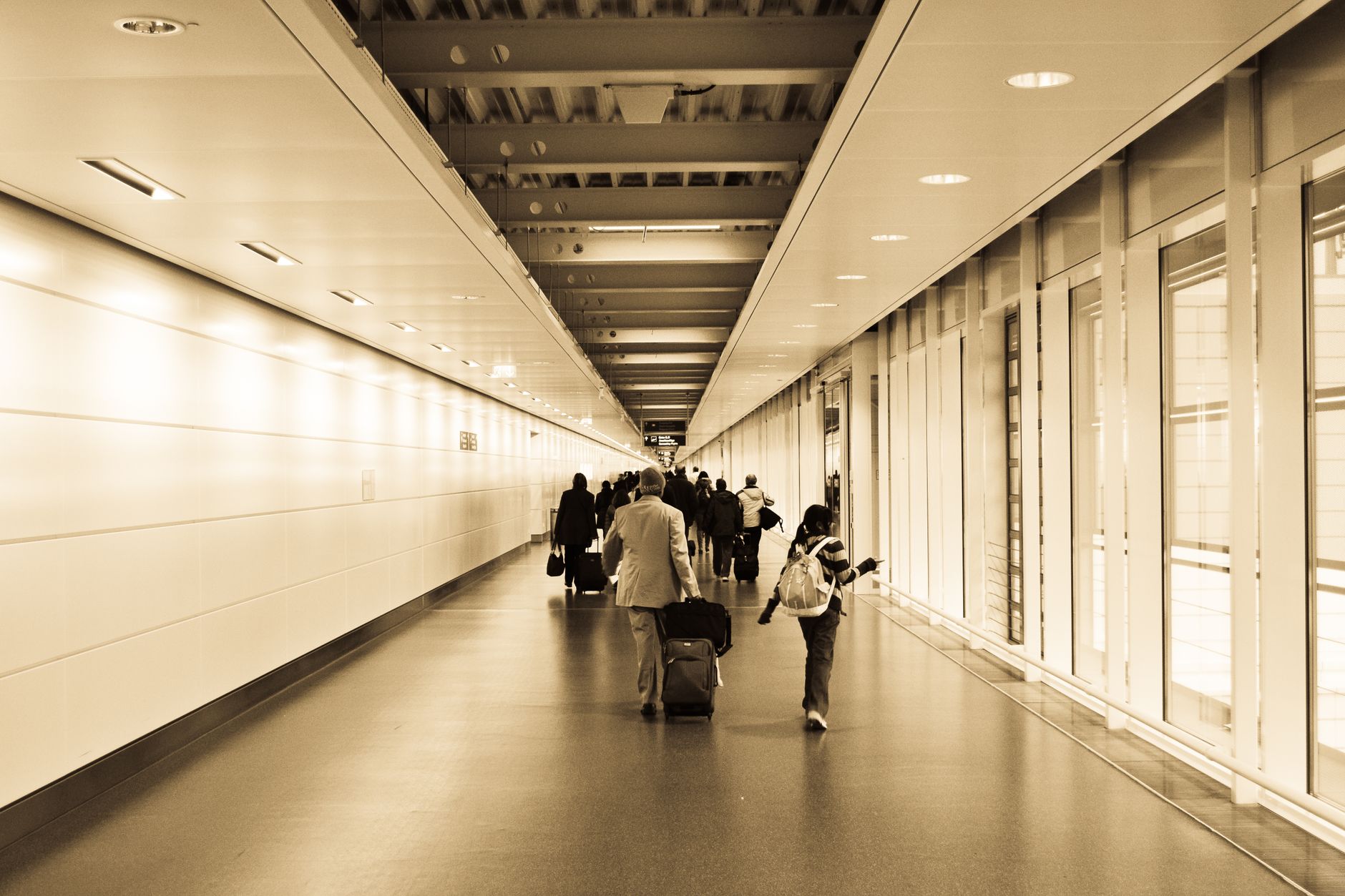
Yes. For many arenas, the best use of robotic cleaning is not on the ice level at all. It is on the hard floors around the event: concourses glazed with spilled soda, lobby entries loaded with grit and moisture, and locker corridors that swing from quiet hallways to chaotic traffic lanes in minutes.
That matters because the rink edge carries a different cleaning burden than the rink. Fans enter with snow, rain, road salt, and parking-lot grit. They queue at concessions, drift through vestibules, and leave behind sticky residue in broad lanes that repeat night after night. Those are exactly the conditions where an autonomous floor scrubber or commercial cleaning robot can take over the repetitive coverage work while staff handle exceptions.
The operating model is usually straightforward. Staff cover live hazards, restroom resets, stairwells, and detailed touch cleaning during the event. Once traffic drops, a robotic cleaning machine runs mapped routes across long, open hard-floor stretches. The result is not a people-free building. It is a cleaner division of labor, with the robot doing the miles and the team doing the judgment.
- Best-fit zones: main concourses, perimeter loops, lobby aprons, ticketing halls, vestibules, premium club circulation, and locker-room approach corridors
- Poor-fit zones: crowded stairs, tight storage rooms, cluttered back-of-house choke points, and any area with constant movable obstacles
- Best-fit timing: post-game exit wave, overnight floor care, early-morning touch-up before the next practice or event
Why are concourses and lobbies the real pain point?
The scale is easy to underestimate because it is distributed. One spill near a concession stand is small. A full building of sticky footprints spreading that spill down a 360-degree concourse is not. According to the NHL, regular-season attendance reached 23,014,458 in 2024-25, the first time the league passed 23 million. That volume is a reminder of how much foot traffic arena operators are processing across public circulation space, not just seating bowls.
Entries multiply the problem. The EPA says entry mat systems are critical because most dirt in a building is tracked in on shoes, and it cites industry guidance that properly designed and maintained mats can remove 85 percent of that soil. In an ice arena, that is not a minor detail. Winter slush, de-icer, and grit grind finishes, cloud lobby appearance, and spread moisture deeper into the facility.
Then there is labor. The Bureau of Labor Statistics projects about 351,300 openings for janitors and building cleaners each year on average from 2024 to 2034. Arenas feel that pressure acutely because event cleaning often depends on irregular shifts and quick turn windows. A night shift autonomous scrubber helps by stabilizing the repetitive floor-care portion of the plan, even when staffing is thin.
- Tracked-in soil and moisture from parking lots, sidewalks, and loading areas
- Food and beverage residue concentrated near concessions and club entries
- Short, unforgiving cleanup windows between event end and next-use readiness
- Part-time labor pools that can be hard to fill consistently
Which arena zones are the strongest fit for robotic floor care?
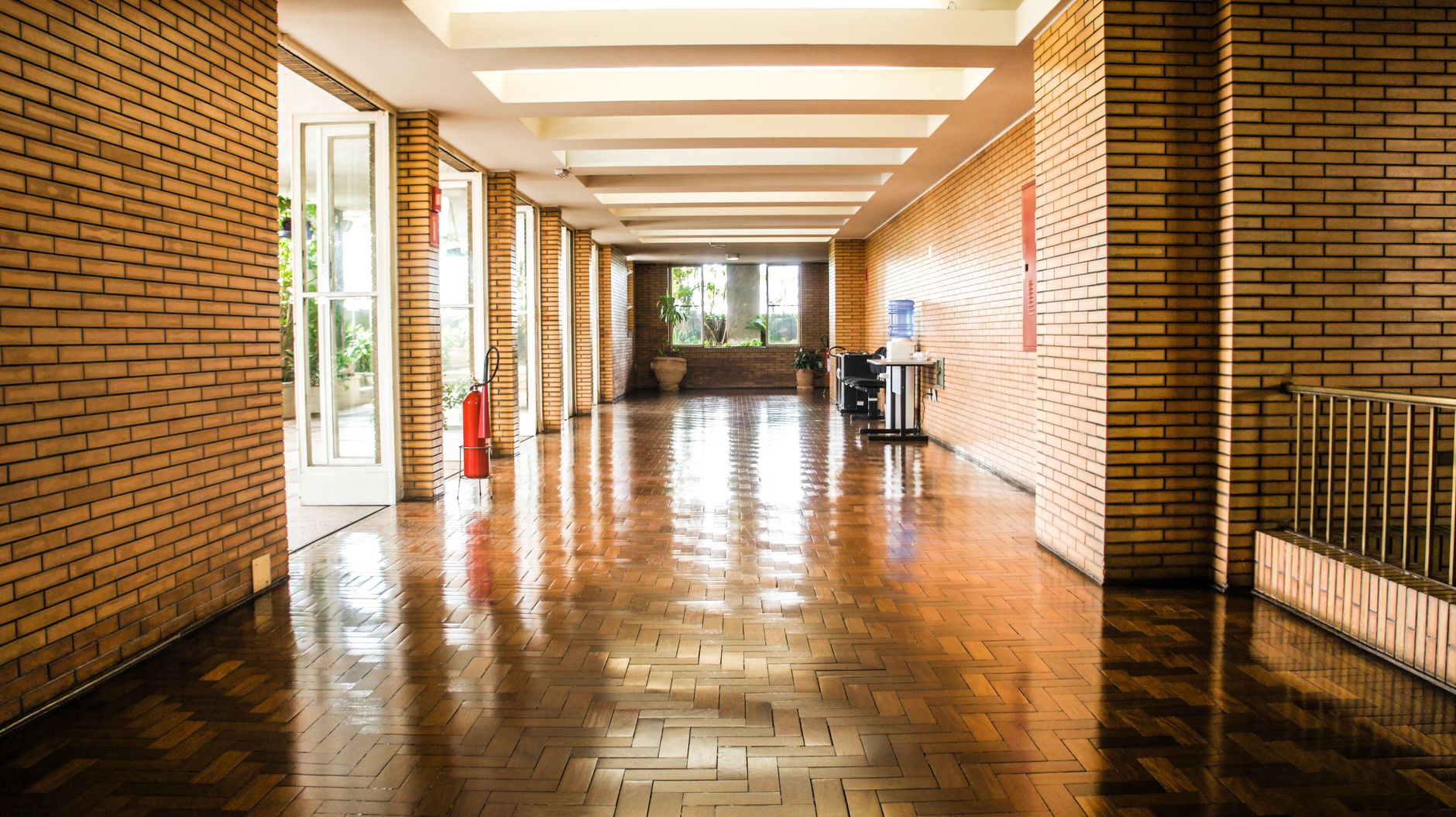
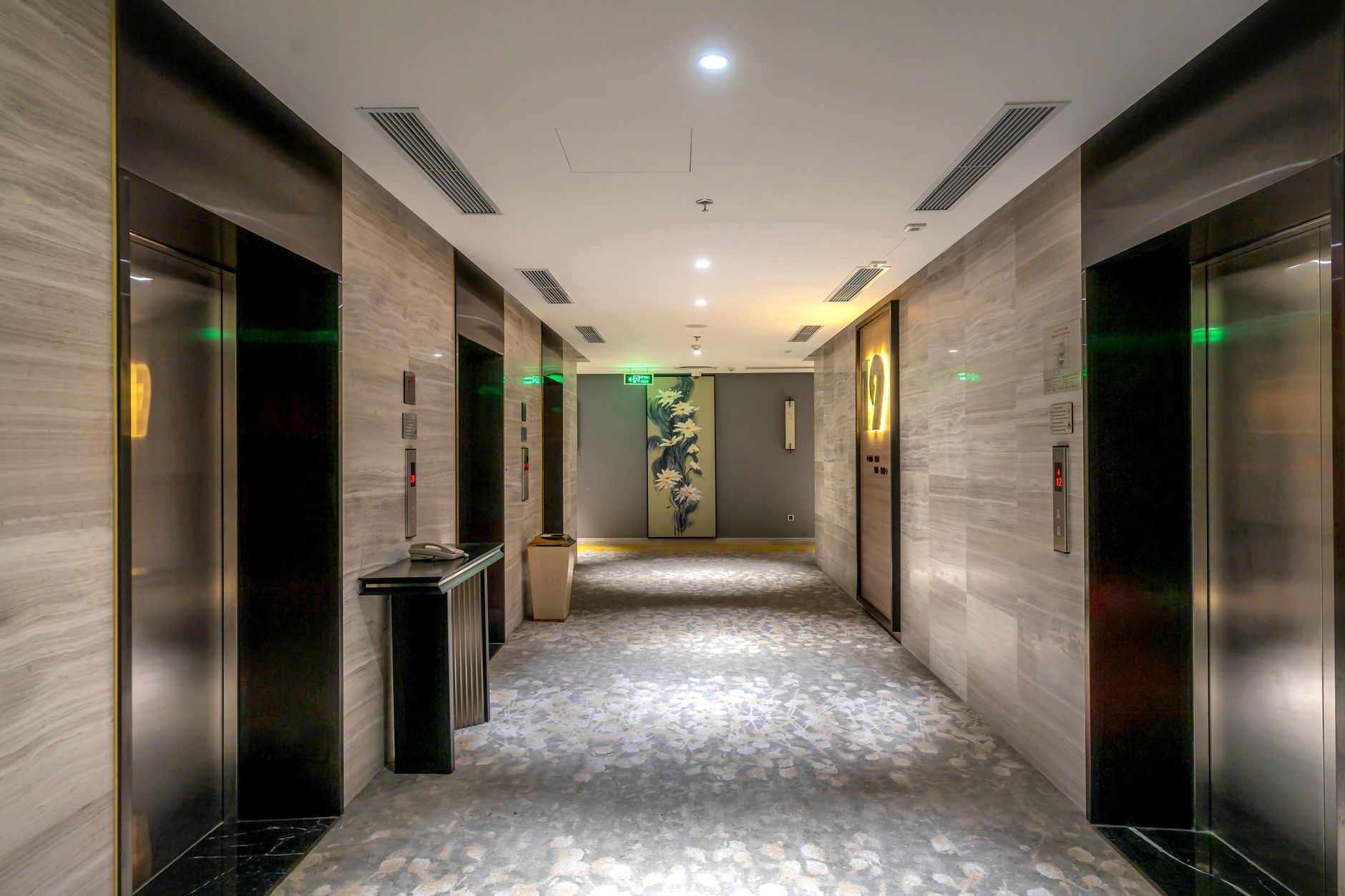
Start with the zones that combine three traits: long travel paths, hard flooring, and repeatable traffic patterns. Main concourses usually lead the list because they absorb the bulk of post-game residue and give a robot enough width to clean productively. Lobby zones are close behind, especially where morning practice traffic follows a late event and the floor has to look reset before sunrise.
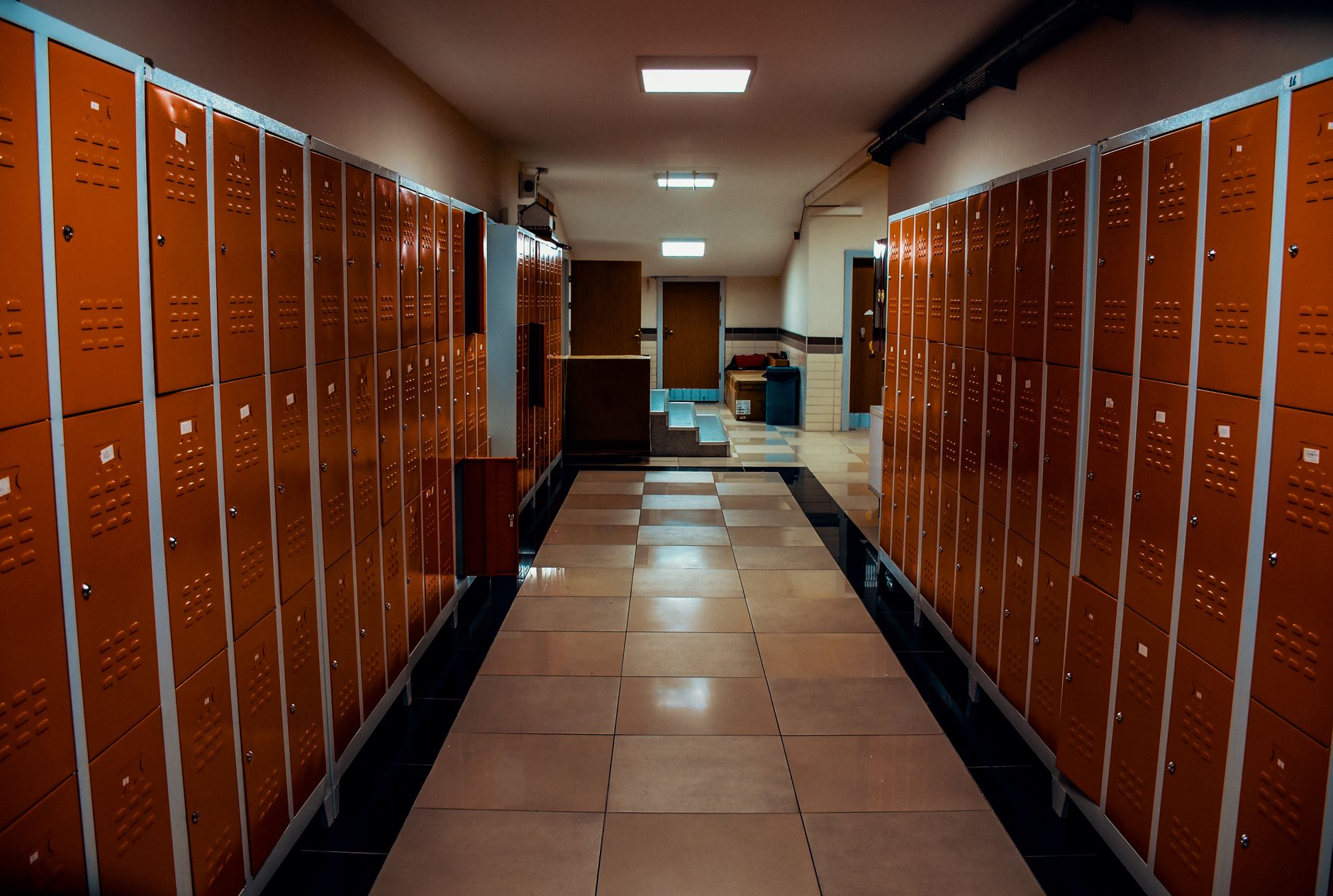
Locker corridors are more nuanced, but often worthwhile. The public thinks about the resurfacer. Operators know the service corridors connecting team rooms, trainer spaces, equipment routes, and tunnel approaches can collect melted snow, rubber grit, tape scraps, and drink spills. Those corridors may not be glamorous, but they are operationally important because they affect staff safety, cleanliness perception, and how fast the building is ready for the next use.
The common thread is predictability. If a route can be mapped, repeated, and protected from constant random obstruction, it is a candidate for automated cleaning robots. If it changes every hour because of carts, temporary barricades, stacked merchandise, or active maintenance work, keep it manual.
- Public concourses after fan exit
- Ticketing halls and prefunction lobbies
- Vestibules and glass-entry aprons
- Premium suite and club circulation areas
- Locker-room feeder corridors and tunnel-adjacent hallways
- Training and community-rink support corridors during off-peak hours
What still has to stay with people?
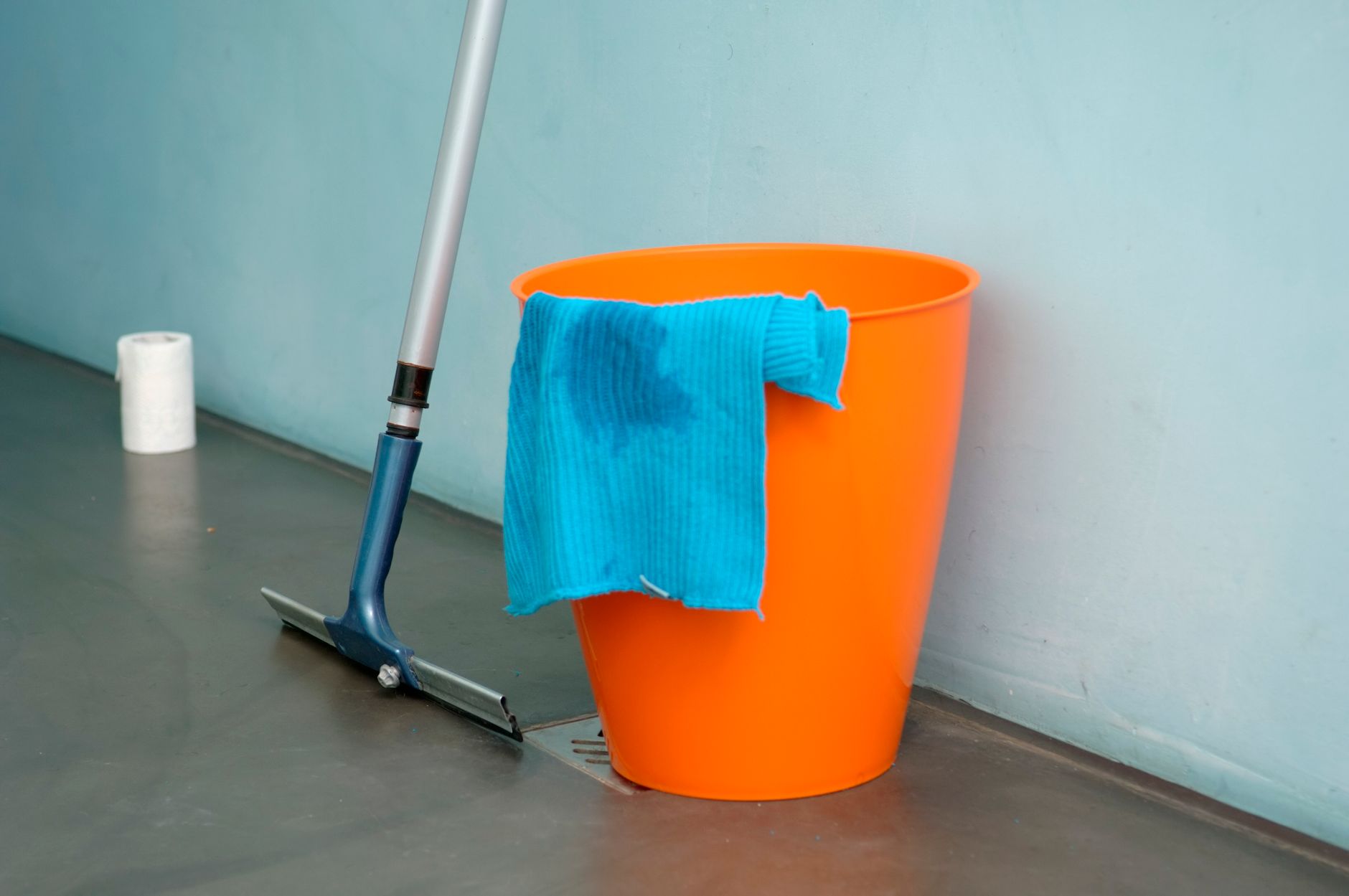
Automation works best when the task is broad, repetitive, and measurable. Arena cleaning is not only that. It also includes sudden spills, biohazard response, tight-edge work, stair landings, crowded queuing areas, trash handling, and all the small judgment calls that keep a building safe while people are still moving through it.
That is especially true for contamination events. The CDC notes that norovirus is highly contagious, can spread through contaminated surfaces, and may persist on surfaces for extended periods. In its guidance, the agency calls for prompt cleaning and disinfection of frequently touched and high-traffic areas, with increased frequency during outbreaks. A robot floor cleaner rental program does not replace that protocol. It clears the repetitive square footage so trained staff can focus on sanitation tasks that demand supervision and verified chemical practice.
The same line applies to safety. OSHA requires walking-working surfaces to be kept clean, orderly, and sanitary, and floors to be maintained in a dry condition to the extent feasible, with hazards like spills corrected. In practice, that means people still own active spill response and hazard control, while automation covers the heavy mileage once the traffic wave passes.
- Live spill response during ingress and egress
- Restroom disinfecting and supply resets
- Stairwells, corners, and edge detailing
- Biohazard cleanup and outbreak-response disinfection
- Trash collection, liner changes, and spot response around concessions
How should an arena schedule automated cleaning around games and practices?
The cleanest deployments are built around venue rhythm, not around a generic janitorial template. In many arenas, the best window opens in phases. First comes the exit surge, when staff patrol wet spots and obvious debris. Next comes the thinning period, when a robot can begin on outer loops and lobby aprons. Last comes the overnight reset, when the building finally offers the clear lanes that autonomous equipment needs to scrub at full value.
That sequencing matters because event buildings do not empty all at once. Club spaces linger. Team staff keep moving. Deliveries may start while fans are still finishing photos in the lobby. A good plan breaks the site into route blocks and assigns each block its own start condition, traffic cutoff, and recovery standard.
For operators evaluating commercial cleaning robot rental or a robot rental monthly structure, scheduling discipline is one of the biggest determinants of ROI. A robot parked for half the night because routes were not staged properly is just idle capital. A mapped machine released in the right order becomes a dependable overnight cleaning no operator asset across the highest-volume floor area in the building.
- Phase 1: manual spill patrol during active egress
- Phase 2: robotic runs on outer concourse loops and less active lobby zones
- Phase 3: full-route overnight scrubbing after traffic clears
- Phase 4: brief morning touch-up before staff arrival, school use, or practice sessions
What makes deployment succeed in a busy arena?
The boring details decide the outcome. Entry mats, charging placement, route naming, custodial handoff, and who moves stanchions after an event are not side notes. They are the deployment. The EPA's emphasis on matting is a useful example. If an arena ignores soil control at the door, the robot inherits a worse floor every night and spends more time fighting the symptom than maintaining the finish.
Mapping also has to reflect real building behavior. A concourse that looks open on a floor plan may become constricted by portable merch tables, sponsor activations, or stacked banquet furniture. Locker corridors may be calm on public-event nights and chaotic during tournament changeovers. Route design has to acknowledge those operational realities instead of pretending the building is static.
Service support is the other non-negotiable. Arenas often run on late hours, weekends, and compressed recovery windows. If a unit goes down before a Saturday game, you need remote triage, on-site dispatch, and a service plan that matches venue cadence. That is where Service Robot Co. fits. The company is an OEM-neutral, vendor neutral robot integrator for U.S. businesses, which means it can match the robot to the floor and operating pattern, then finance, deploy, integrate, train, and service the fleet through a nationwide engineer network. One partner, one number, and one lifecycle owner matters more in arenas than in almost any other cleaning environment.
- Treat matting as part of the cleaning system, not a separate purchase
- Place charging where routes begin and end naturally
- Map around real event furniture and temporary obstructions
- Define handoffs between robot coverage and porter response
- Use maintenance included and on-site dispatch support for late-night uptime
How should operators think about buying, leasing, or renting?
Many arenas do not want another capital project fighting with boards, refrigeration, seating, or scoreboard work. That is one reason robot leasing for business, commercial robot rental, and robot as a service structures are attractive in this niche. They let operators line up cleaning performance with operating budgets instead of forcing a lump-sum purchase decision in the middle of a facility cycle.
The right commercial model depends on site certainty. A stable arena with known schedules may prefer lease rental or sale options. A venue testing routes across one season may prefer a commercial robot demo, a pilot, or an autonomous floor scrubber rental arrangement. Multi-site operators may want monthly payment programs, spare-unit coverage, and emergency robot replacement so an outage at one building does not ripple into event readiness.
Service Robot Co. is built for that kind of program. Because it is OEM-neutral and full-service, it can structure no upfront capital paths, monthly programs, deployment and integration support, training, and nationwide service under one roof. For arena operators, that is the practical difference between buying a machine and establishing a floor-care system that survives nights, weekends, and winter.
- Pilot first when route quality or staffing workflow is still unproven
- Use month-to-month or seasonal structures when event calendars fluctuate
- Look for financing paired with training, service, and backup coverage
- Judge proposals on uptime, service response, and deployment support, not just equipment specs
Why this niche is bigger than it looks
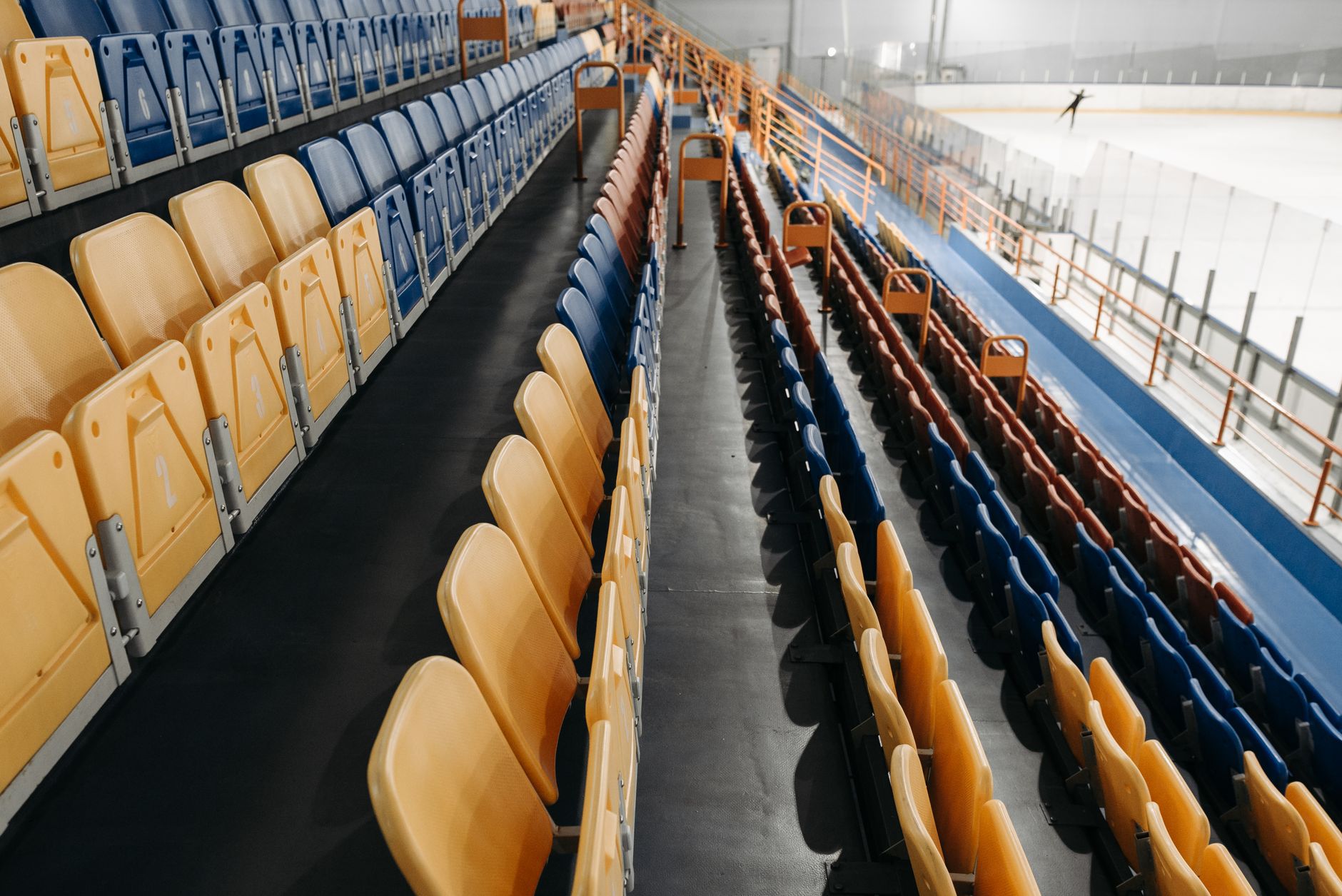
Ice venues are easy to misread because the iconic machine is on the ice. The hidden burden is everywhere around it. Concourse recovery, lobby appearance, moisture control, and corridor safety all shape the guest experience and the staff workload long before anyone notices the sheet itself.
That is why robotic maintenance beyond the rink edge deserves its own planning. The question is not whether a robot replaces the event cleaning team. It does not. The real question is how much repetitive square footage can be automated so the team can spend its limited labor on response, sanitation, and detail work that a machine cannot do well.
For arenas facing heavy foot traffic, recurring winter soil, and short reset windows, that answer is often substantial. Not at center ice. Just beyond it, where the mess actually spreads.
- The value sits in repetitive coverage, not in replacing every janitorial task
- Public-facing floors shape cleanliness perception more than operators sometimes expect
- The best programs are operational systems with service support, not one-off equipment buys