Key takeaways
- Autonomous scrubbers and vacuums can deep-clean auditoriums, lobbies, and concession areas overnight, ensuring a consistent guest experience.
- Robots address persistent janitorial labor shortages and high turnover rates by automating repetitive, physically demanding floor care.
- A robotic cleaning strategy frees human staff to focus on high-value tasks like sanitizing seats, armrests, and concession surfaces.
- An OEM-neutral integrator is key to selecting the right machines for a theater's specific mix of carpet, tile, and high-traffic zones.
- Leasing and RaaS models provide access to automation as a predictable operating expense without large upfront capital investment.
How Can Robots Tackle the Unique Mess of a Movie Theater?
A modern multi-screen movie theater can be cleaned effectively by deploying a fleet of autonomous cleaning robots after the last showing. This strategy uses robotic floor scrubbers for the tiled surfaces of lobbies, hallways, and concession areas, while autonomous commercial vacuums handle the carpeted auditoriums and walkways.
This automated approach directly addresses the primary challenges of theater cleaning: the tight turnaround windows between shows and the specific, stubborn messes left behind by guests. While staff handle the quick 10-20 minute cleanups between showings, the robotic fleet performs a deep, consistent clean overnight, ensuring every surface is ready for the next day.
By automating the large, repetitive tasks of floor care, human teams are freed to concentrate on detail work. This includes sanitizing high-touch surfaces like armrests, cup holders, and door handles, which is crucial for guest safety and satisfaction.
What Makes Cleaning a Multiplex So Difficult?
Movie theater cleaning is a relentless cycle defined by short deadlines and difficult messes. The window between one show ending and the next beginning can be as short as 15 minutes, leaving little time for more than a quick sweep of trash and debris.
The nature of the soil is also a key challenge. Spilled soda creates sticky floors, while butter oil from popcorn machines leaves a greasy film on carpets and hard surfaces that can be difficult for standard cleaners to remove. These residues not only look bad but can attract pests and create slip hazards.
This combination of high foot traffic, food-related messes, and sprawling layouts with varied floor types makes manual cleaning a significant operational burden. Maintaining a consistent standard of cleanliness across a dozen or more auditoriums, a large lobby, and busy concession stands is a monumental task for any cleaning crew.
Designing the Right Robotic Fleet for a Theater
A successful robotic cleaning program for a cinema relies on using the right machine for each specific area. No single robot can optimally handle every surface, making a mixed fleet the most effective approach.
For the expansive lobbies, hallways, and concession areas, which typically feature tile, polished concrete, or LVT flooring, autonomous floor scrubbers are ideal. These machines can scrub away sticky soda residue and greasy tracks, leaving floors clean and safe. Their ability to cover large areas methodically makes them perfect for the overnight shift.
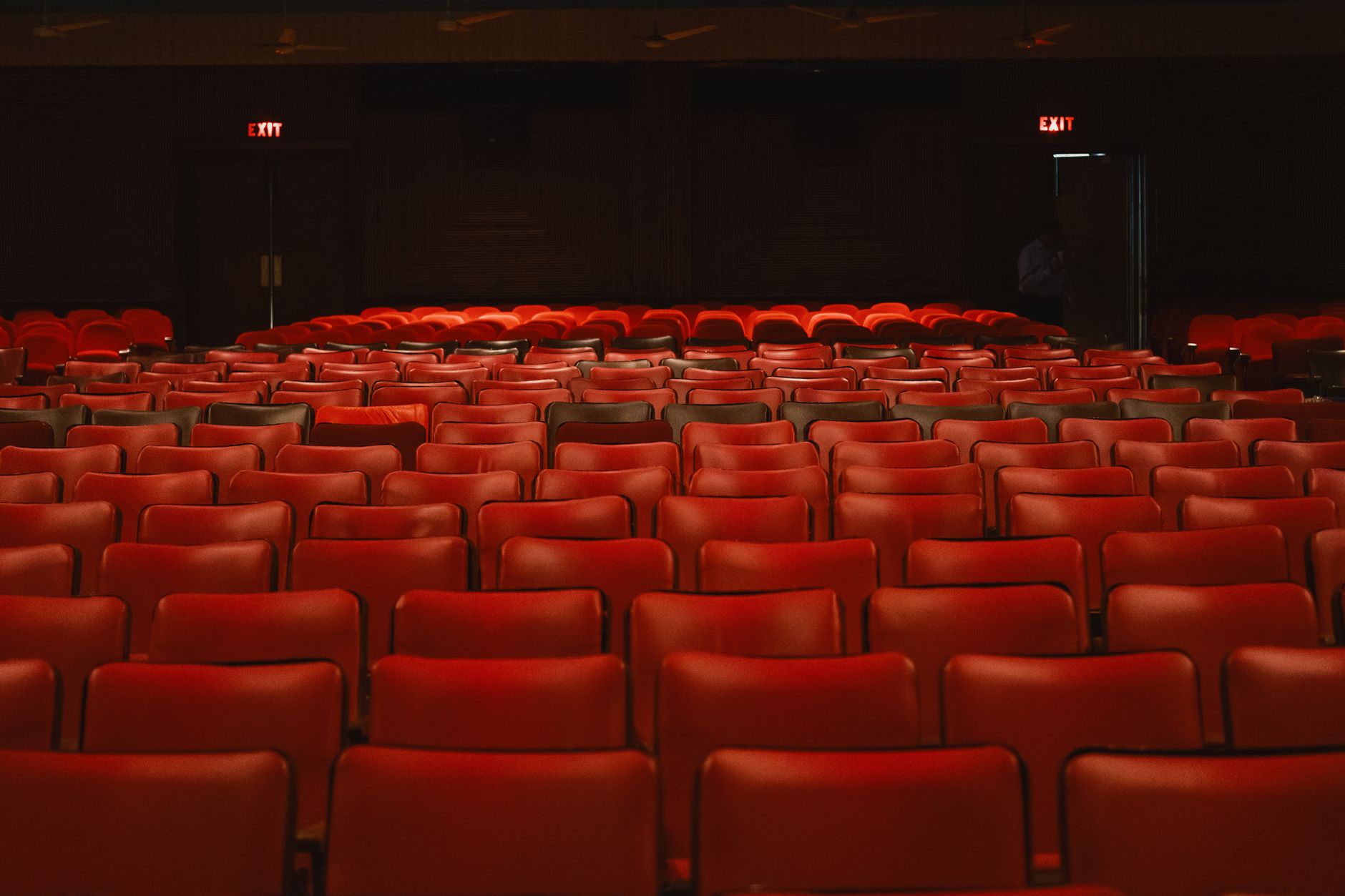
Inside the auditoriums, with their carpeted aisles and stadium-style seating, commercial robotic vacuums are the designated tool. These units are designed to navigate the narrow rows and tight spaces, using powerful suction to remove popcorn, candy wrappers, and fine dust from carpet fibers.
The Overnight Cleaning Workflow: From Closedown to Sunrise
A robotic cleaning schedule begins the moment the final movie credits roll and the last guest departs.
First, a small human crew performs a quick walkthrough, removing large trash items like popcorn bags and drink cups. This prepares the environment for the automated systems.
Next, the pre-programmed fleet is deployed. Autonomous scrubbers begin their routes in the main lobby and concession areas while vacuums start their work in the first auditorium. They operate simultaneously, systematically moving from one zone to the next according to a pre-mapped plan.
For several hours, the robots work continuously, navigating around obstacles and returning to their docking stations to recharge as needed. By morning, the floors of the entire complex are clean, and the machines are docked and ready for the next night's work, having provided detailed reports on the areas covered.
How Does Automation Solve the Janitorial Labor Shortage?
The janitorial industry faces a persistent labor shortage, with turnover rates often exceeding 200% annually. This makes it incredibly difficult for theater operators to maintain a full and reliable cleaning staff. The physically demanding nature of the work contributes to this high churn.
Robots provide a reliable and consistent alternative for the most strenuous tasks. An autonomous scrubber or vacuum never calls in sick and performs its duties to the same standard every single night. This consistency is vital for theater chains aiming to deliver a uniform guest experience across all their locations.
By automating the heavy work of floor care, you can reallocate your existing staff to more detailed and less physically taxing roles. This improves job satisfaction and retention while ensuring a higher overall level of cleanliness. It shifts the focus from replacing staff to optimizing them.
How Do You Select and Deploy Robots for Your Specific Theater?
Every movie theater is different, with unique layouts, floor materials, and pinch points. A robot that excels in one facility might struggle in another. This is why a one-size-fits-all approach to robotic adoption fails. The key is to match the technology to the environment.
As an OEM-neutral, full-service robot integrator, Service Robot Co. specializes in this process. We are not tied to any single manufacturer. Our process begins with a free site assessment to analyze your specific needs, from the width of your auditorium aisles to the type of flooring in your lobby. We then recommend the best-fit machines for the job, sourced from a wide range of top-tier developers.
This vendor-neutral approach ensures you get the most effective commercial cleaning robot for your budget and space. We focus on finding the right tool for your facility, not just selling a particular brand. This is the core of our one-partner, one-number approach to automation.
What Happens After the Robots Arrive?
Acquiring a robot is just the first step. True success comes from a fully managed deployment and lifecycle support system. A box arriving at your door is not a strategy. This is why a partnership with a full-service integrator is critical for long-term ROI.
Service Robot Co. manages the entire process through our nationwide network of US engineers. We handle the initial site mapping, robot deployment, and integration with your workflow. We train your staff on how to manage the fleet, ensuring they are comfortable and confident with their new robotic coworkers.
Crucially, our relationship doesn't end after go-live. We provide all ongoing maintenance and service through a single point of contact. If a unit needs attention, our on-site dispatch and remote triage services ensure minimal downtime. This turnkey robot deployment model, from financing and selection to lifetime maintenance, makes adopting automation straightforward and predictable.
Can a Robotic Cleaning Program Be Financially Justified?
The business case for robotic cleaning in movie theaters extends beyond just cleanliness. It is a strategic financial decision. With labor accounting for a significant portion of cleaning budgets, automation offers a way to control and predict costs.
Instead of a large upfront purchase, models like robot rental and Robot as a Service (RaaS) reframe automation as a manageable monthly operating expense. These monthly payment programs often include maintenance and support, eliminating surprise repair bills and creating a predictable cost structure that is often cheaper than the cost of unfilled cleaning shifts.
The return on investment is found not just in labor savings but in enhanced guest experience, positive online reviews, and reduced risk of slip-and-fall incidents. In facilities with over 50,000 square feet of repeatable cleaning area, a payback period of 9-18 months is often achievable.