Key takeaways
- Pre-sweep leaves, soil, cartons, and pallet scrap before any wet pass.
- Use a dry sweeper on bulk debris and a scrubber only on film over sound concrete.
- Keep wet machines off dock plates, yard aprons, and standing water.
- Run the machine after same-day load-out, before the next grower unload.
- Trial a rental or lease for a season, with maintenance behind the machine.
What belongs on a high-debris sales floor?
A produce auction floor is not a polished warehouse aisle that a scrubber can own from the first pass. The right machine matches the debris still on the slab after people have pulled bulk leaves, loose soil, broken cartons, and pallet scrap out of the way. Start with that sequence. Then choose a dry sweeper for the loose load and a scrubber only for the film that water can lift.
Someone who stops here already has the buying rule. Do not shop by deck width first. Shop by what the sale leaves behind, how wet that debris is, and how short the gap is before the next unload. A large industrial floor scrubbing robot earns its place on open staging once the floor is pre-swept. It fails when it is asked to eat corn husks, onion skins, and stretch film.
Sale windows set the clock. At Seaway Produce Auction in Rensselaer Falls, New York, buyers must remove purchased produce the day of the sale unless the manager has agreed otherwise, and product still on the property the next day becomes auction property, according to the auction's published buyer policies. The floor has to be usable again before growers roll the next carts in.
What lands on the slab during a sale?
Growers at Seaway are told to unload in the pavilion onto carts or pallets, and the same procedures say never set boxes directly on the floor or dirt, according to Seaway Produce Auction. The warning exists because time pressure still puts cartons where they should not sit. A box that touches soil rides back inside on a pallet jack and sheds that soil at the first turn.
Transport adds a second load. Seaway's packing note says produce needs to be well covered while transporting to keep dust, dirt, and horsehair out. Covers slip. Tarp shakeout happens at the door. The sales floor then holds field dust, leaf bits, and hair that a wet scrubber will smear if nobody sweeps first.
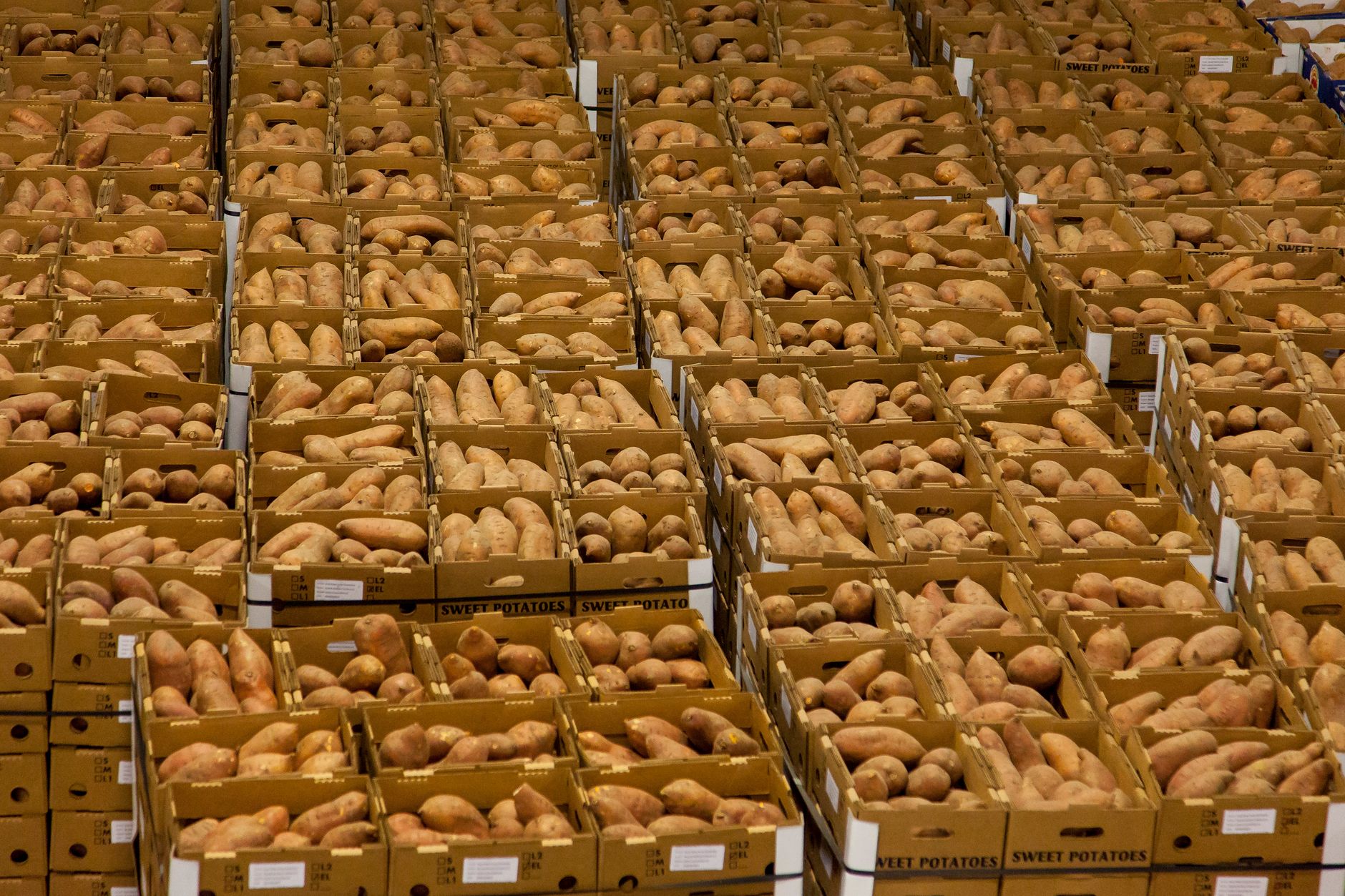
Cartons and pallets add their own mess. Flats split, corner boards shed, and pallet stringers drop splinters. That is bulk debris with sharp edges and string, not a film a squeegee should meet first. The mix changes with the crop, husks one day and juice the next, so walk a dry crop and a wet crop before you lock a machine class.

Pre-sweep before any water hits the floor
A scrubber recovers dirty water. It is a poor tool for a windrow of leaves. Brushes fling light debris, skirts ride up on cartons, and string packs the recovery hose. The first pass on an auction lane is a broom, a vacuum, or a dry sweeper sized to the aisle, done by a person or by a machine built to pick up solids.
Pre-sweep the buyer lanes, the staging rows, and the path from the dock to the office before anyone fills a tank with water and detergent. Open rows where pallets sat get the bulk sweep. Narrow gaps between display carts get a smaller tool. The dock plate gets its own pass because soil there is coarser than juice film inside.
If you skip this step, the scrubber's clean water looks busy and the floor looks worse: mud tracks, leaf paste, and a recovery tank full of trash the filters were never meant to hold. Name one person to hold the wet machine until that bulk is up.
How should wet debris and juice be handled?
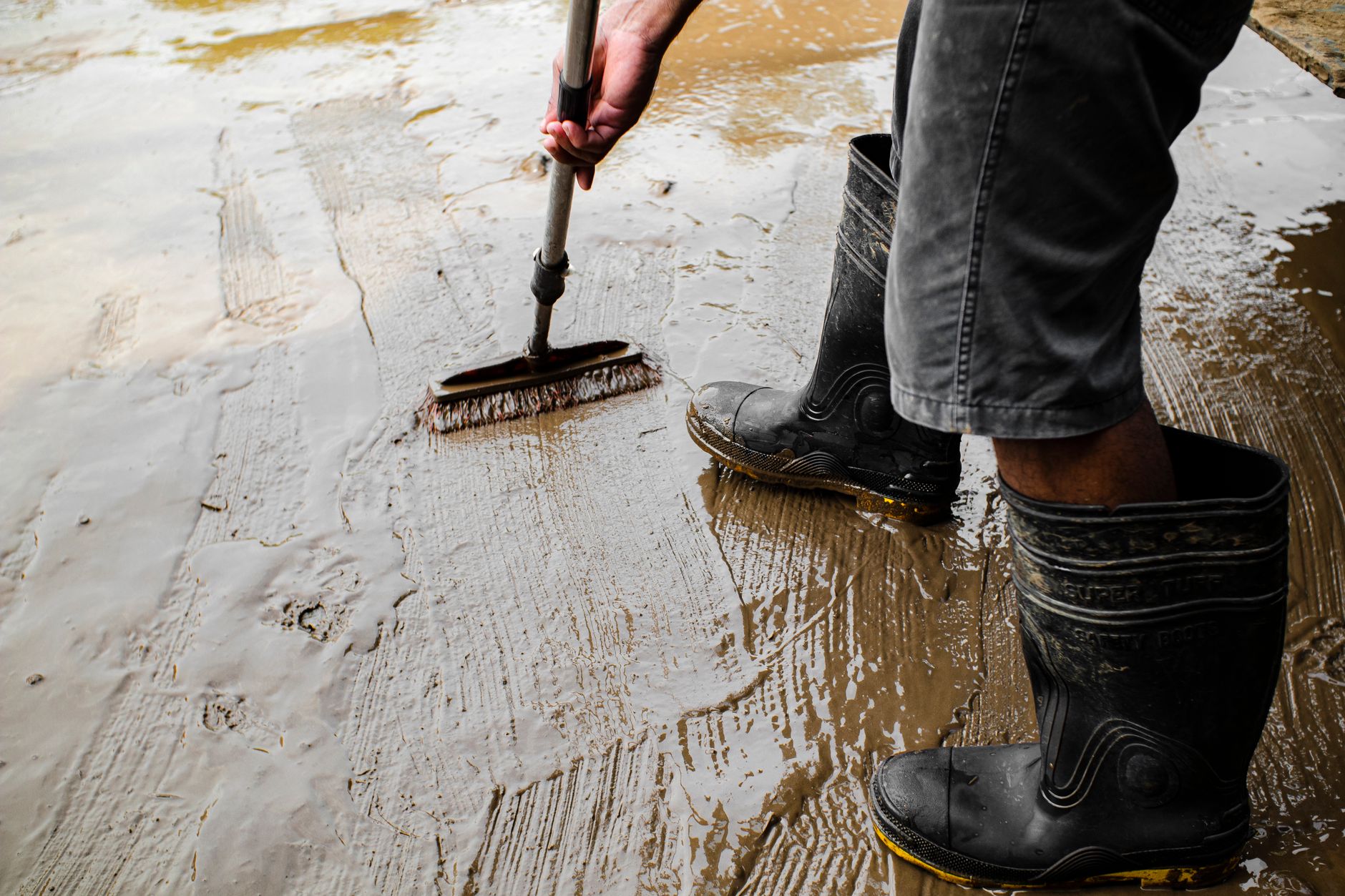
Produce leaks. Melons split. Greens drip from wash water that rode in on the carton. That liquid is not the same job as dry soil. A scrubber can lift a thin film on sound concrete once bulk solids are gone. It cannot fix a low spot that holds water, and it should not be asked to act as the drain.
Under 21 CFR 112.126, buildings used for covered activities must provide adequate drainage where normal operations release water or other liquid waste on the floor, and operators must take measures to prevent contamination through floors, according to the Electronic Code of Federal Regulations as published by Cornell Law School's Legal Information Institute. A robot that spreads wash water across a poorly drained floor works against that duty.
21 CFR 112.123 requires food-contact surfaces of equipment and tools to be inspected, maintained, and cleaned, and sanitized when necessary and appropriate, as frequently as reasonably necessary to protect covered produce. Non-food-contact surfaces of equipment and tools used in harvesting, packing, and holding must be cleaned on that same standard. A floor robot is not a food-contact surface. It keeps soil from riding back onto pallets, wheels, and cartons.
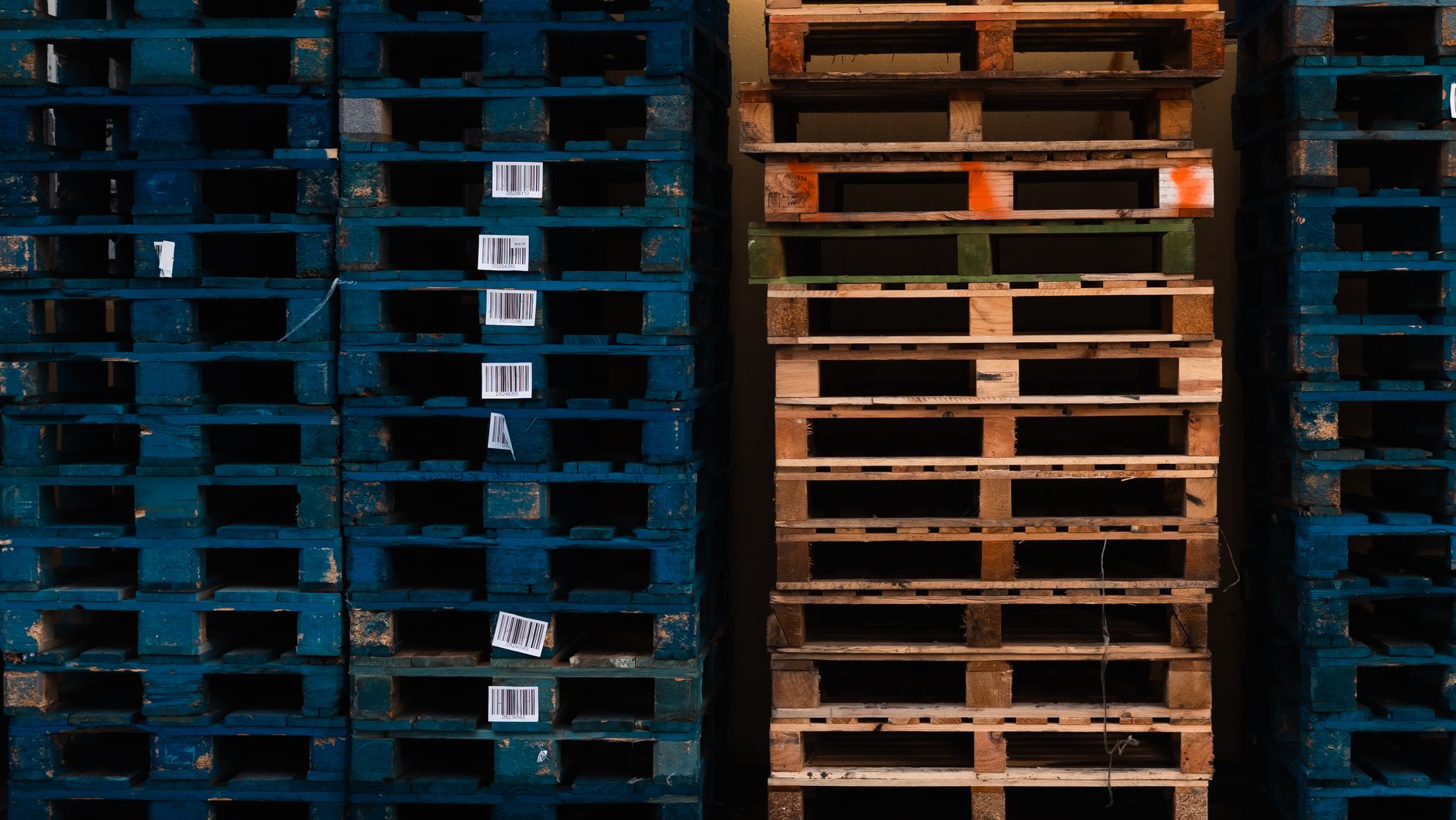
Under 21 CFR 112.123(e), pallets, forklifts, tractors, and vehicles that are intended to, or likely to, contact covered produce must be used in a way that minimizes contamination. Dirty wheels are the transfer path, so the lane they roll through has to stay clean. Empty the recovery tank before the next sale.
What changes at the dock and under pallet traffic?
The dock is a different floor. Grade changes, metal plates, weather at the door, and forklift tires that tracked the yard all show up in a few feet. A robot mapped only on the flat sales slab will stall, scrub a plate it should avoid, or carry yard grit back inside.
Walk the transitions before you buy. Note plate thickness, gaps, slopes, and any outdoor apron a wet machine should not cross. Many houses should stop the robot at a taped line inside the door and leave the plate and the yard to a dry sweep.
Jacks and forklifts cross the same lanes all morning. A scrubber in those lanes during the sale gets blocked, so schedule it for the gap. A floor scrubber for warehouses built for empty aisles needs that same empty condition here. The map has to be editable between sales, because a parked jack becomes a wall.
How do you clean between sale windows?
The useful window is after buyers load out and before the next grower unload. At a house that requires same-day removal, that window is the evening of sale day. Seaway states that leftover product the day after the auction becomes auction property.
Use short cycles. Pre-sweep, then a wet pass on the lanes that will hold carts tomorrow, then a dock-edge sweep that does not soak the plate. If the crew is still loading, do not launch an unattended run through them. Overnight cleaning with no operator fits only when the building is actually clear, the bulk debris is already up, and someone has confirmed the recovery tank and the dock zone.
A night shift autonomous scrubber can hold film off a sound slab between sale days. It does not replace the pre-sweep, and it does not replace drainage. Split the route into buyer lanes, staging rows, and the interior dock approach, and stop a zone that fails its check.
Match the machine to the zone
Do not buy one chassis and hope it covers every surface. Auction floors change layout with the crop, and the debris class changes with it. The machine should tolerate carts and pallets rather than fixed racks, and the route should be something a supervisor can edit on sale morning.
Rental is often the honest first step because the season is the test. A commercial cleaning robot rental, a floor scrubber monthly lease, an autonomous floor scrubber rental, or a warehouse cleaning robot rental lets the house learn the real cycle before a purchase.
- Dry sweeper or vacuum for leaves, soil clods, carton scraps, and pallet splinters.
- Compact scrubber for narrow buyer lanes once those solids are gone.
- Larger autonomous scrubber for open staging rows with a mapped path and a clear tank-dump route.
- Staff-only dry tools for dock plates, outdoor aprons, stretch film, and any spot holding standing water.
Who should own selection, the contract, and service?
Service Robot Co. is a commercial robot integrator, not a single manufacturer. For an auction house the useful work is matching the zone list above to a real unit, then financing it, deploying it, training the crew who pre-sweep, and servicing it through a nationwide network of regional service engineers. One vendor for that lifecycle matters when the failure is a Tuesday-night clog, not a brochure spec.
Commercial robot rental and robot rental monthly can fit a short season. Robot leasing for business and monthly payment programs fit a house that wants the unit all year. Choose lease, rental, or sale after a debris trial. No long term contract is the right first-season test: if the sweeper cannot live with husks, stop. Service robot rental with maintenance included, including a robot floor cleaner rental with a real service call, keeps a clogged hose from sidelining the next sale.