Key takeaways
- The matinee-to-evening gap is often only 90 to 120 minutes, so robots must run on a mapped route while crews stage sets.
- Lobby tile, entry carpet, and backstage corridors are the first zones to automate before you touch the auditorium floor.
- Quiet scrubbers can work during sound checks when routes stay out of cable runs and production exclusion zones.
- Buying outright or leasing through financing lets you pilot one wing before you expand fleet coverage.
- Service Robot Co. maps the building, trains your team, and services units through a nationwide engineer network.
Why is the gap between shows so hard on floors?
A performing arts center rarely gets a quiet day. Matinee crowds track in rain, popcorn, and spilled drinks. Ushers reset aisles, but the lobby tile and entry carpet still show wear before evening doors open.
Industry cleaning guides for theaters often describe a compressed reset in roughly 90 to 120 minutes between a matinee and an evening performance. That window overlaps with load-in, cable pulls, and sound checks, so every minute on a mop is a minute stolen from production.
Autonomous floor scrubbers do not replace your house crew. They take the repetitive scrubbing loops off human backs so ushers and janitorial staff can focus on trash, seats, and the details patrons notice first.
Double-show Saturdays are the stress test. When education matinees stack in front of subscription nights, the building never fully exhales. A mapped scrubber route gives you predictable floor time even when the call sheet does not.
Which spaces should you automate first?
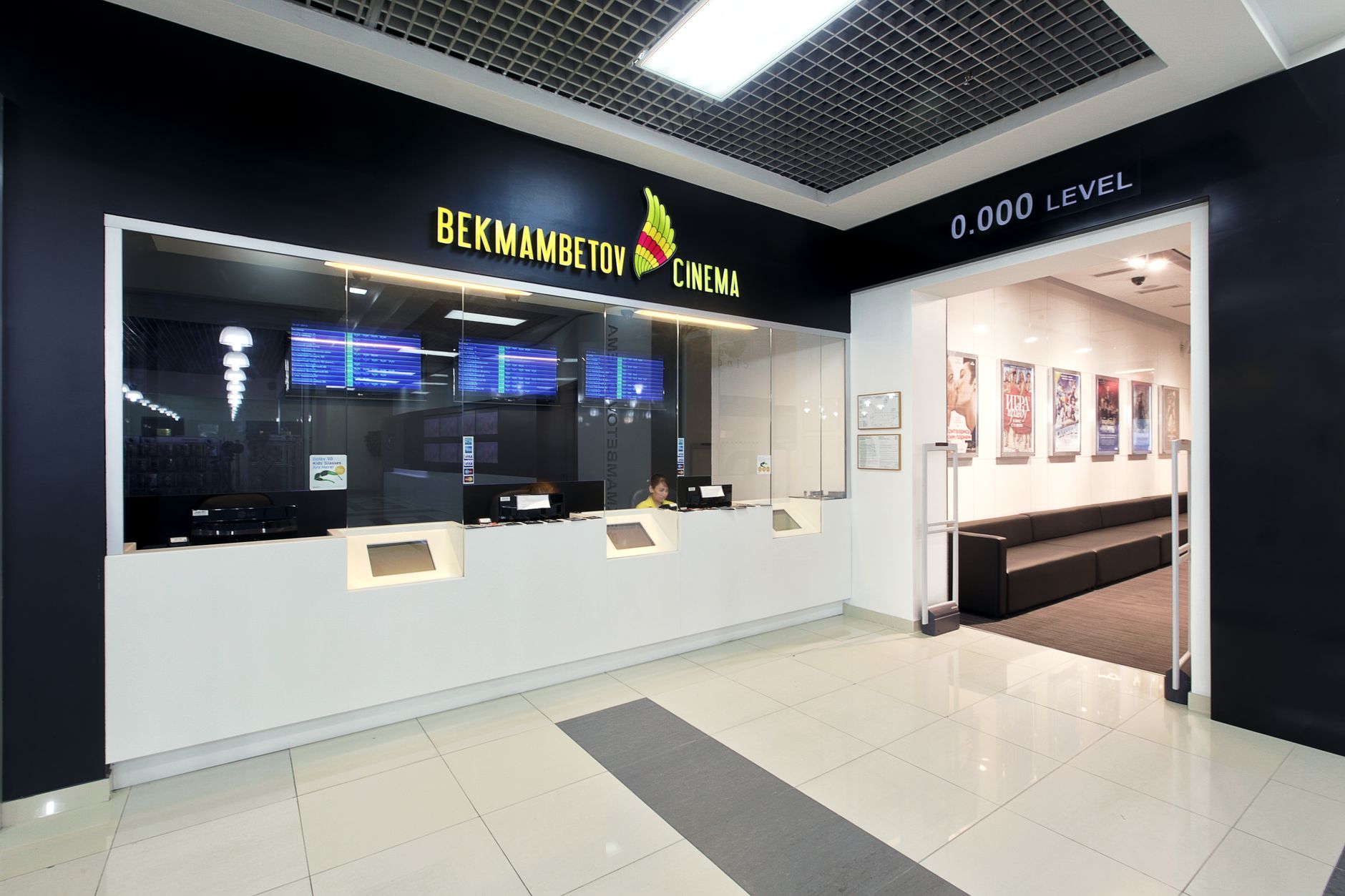
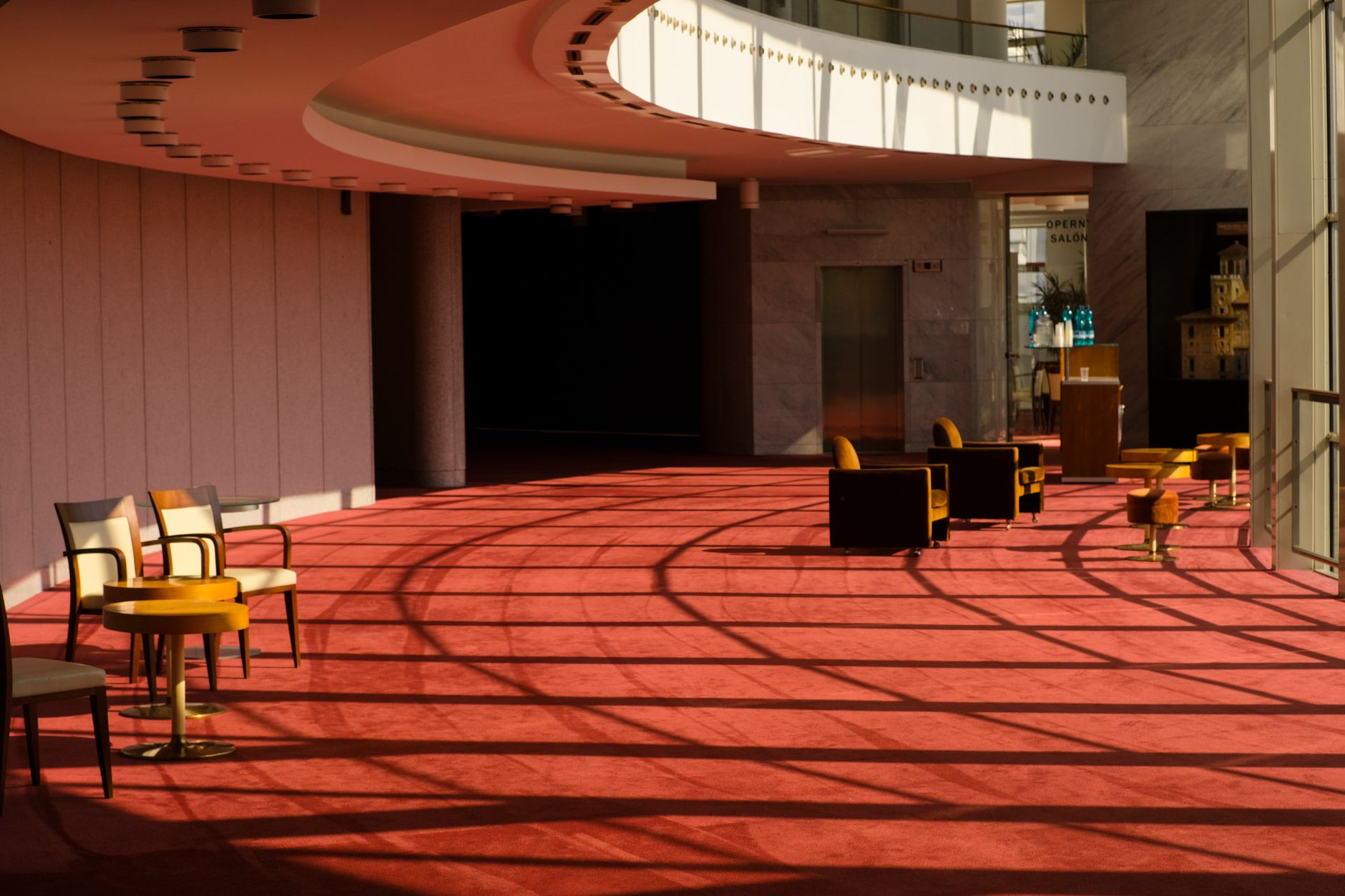
Start where foot traffic is highest and staging traffic is lowest. The main lobby, concession tile, and the carpet band at auditorium entries usually need the most attention between shows.
Backstage corridors and crossovers see dollies, cases, and quick costume changes. They get sticky fast, yet they are easier to map than a raked auditorium floor full of seat bolts and aisle lights.
Hold the auditorium bowl for a later phase unless you have a true dark day. GBAC STAR guidance for theaters stresses trash removal and disinfection of lobbies, restrooms, and high-touch surfaces between events. A scrubber can handle hard floors in those front-of-house zones while your team follows the checklist for seats and rails.
Education wings and black box studios are often separate buildings with their own lobby hours. If you run student showcases on weekday afternoons, a second dock in that wing may be worth planning early.
- Lobby and concession hard floors
- Entry carpet lanes at auditorium doors
- Backstage corridors away from active set pieces
- Dressing room hallways on a posted schedule
How do you scrub floors while crews are loading in?
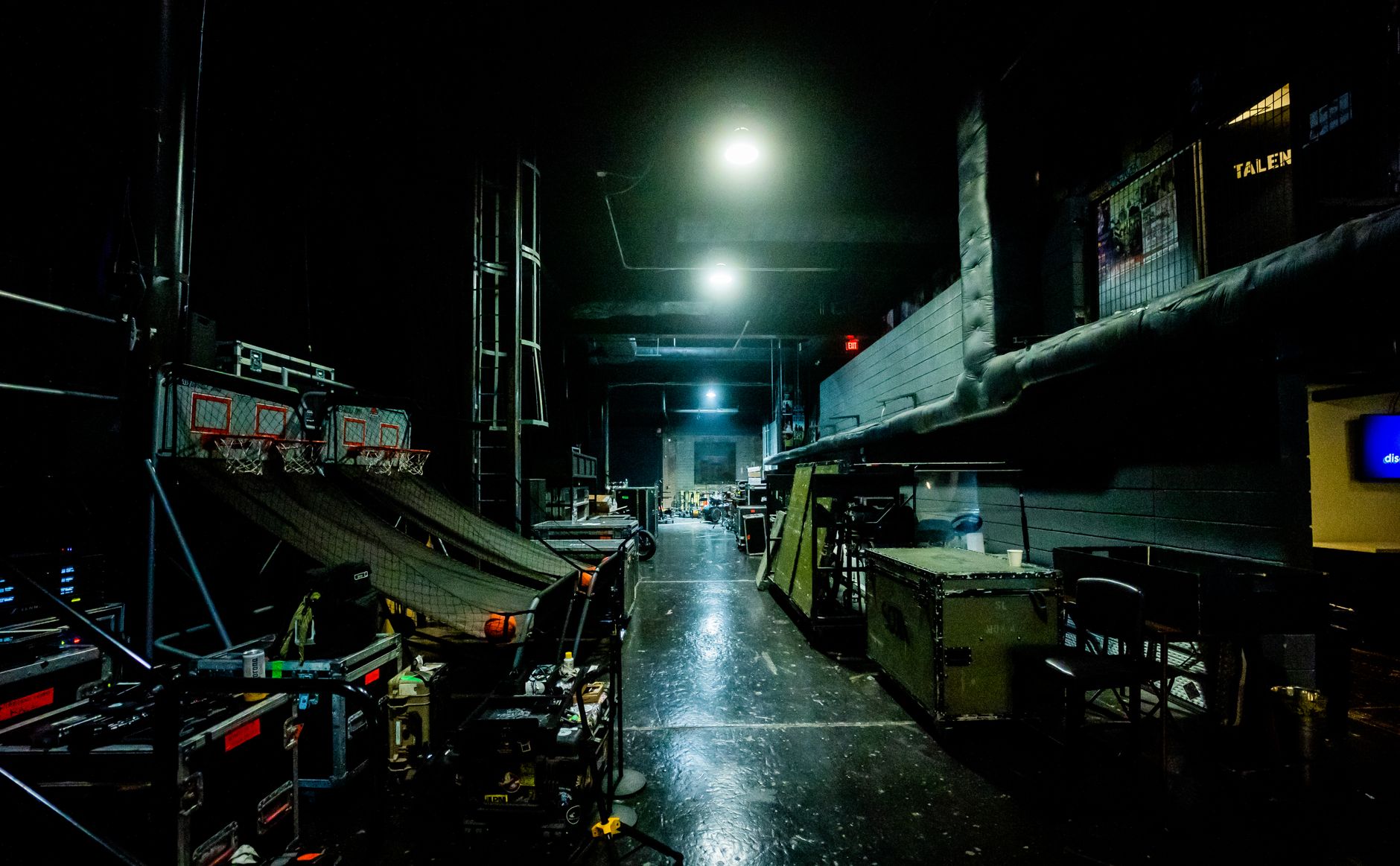
Stage management owns the clock. Before the robot runs, mark exclusion zones on the map: the stage lip, wing traffic, and any cable paths the electrics team flags during the pre-show meeting.
Run the scrubber on a loop that stays in the public corridor spine, not across the stage house. If load-in must cross a hallway, pause the route or shift the run to the first 30 minutes after matinee exit, before cases arrive.
Document the plan like any other production safety note. When everyone knows the robot path, you avoid the fight that starts when a unit rolls past a half-built set.
Touring shows add another layer. When a truck dock sits off a hallway you scrub, post a laminated route map at load-in so local crew and visiting hands know when the machine will pass.
Can a scrubber run during sound check?
Yes, if you choose a unit rated for low noise and you keep it out of the auditorium during critical listening. Sound engineers care about HVAC rumble and unexpected beeps more than a distant hum in a tiled lobby.
Schedule lobby and backstage hard-floor passes while the mix happens on stage, not while microphones are live in the house. Many venues already use low-decibel vacuums on rehearsal days; an autonomous scrubber follows the same courtesy.
Test decibel levels with production staff once during tech week. A five-minute trial in an empty lobby prevents a surprise on opening night.
What does mapping look like in a theater building?
Mapping is a walkthrough with your integrator, not a guess from a floor plan. Elevators, ramp grades, door thresholds, and the exact width of a crossover matter for a scrubber that must return to its dock alone.
Tag virtual keep-out zones for orchestra pit lifts, trap rooms, and cable trenches. Update the map when a touring show changes the backstage flow; a ten-minute edit beats fighting a route that no longer fits.
Service Robot Co. is OEM-neutral. We compare scrubbers from multiple makers, then finance, deploy, and train your staff on the unit that fits your surfaces and doorways.
Water fill and drain points matter backstage. If the only slop sink is up a flight of stairs, plan the dock location before you sign a lease or purchase order.
Historic venues sometimes mix marble, terrazzo, and sealed concrete in one corridor. Note each surface type during mapping so brush pressure and pad choices match the floor, not a generic default.
Should you buy one scrubber or plan for a fleet?
Pilot one machine on the zones that pay back fastest. Prove the schedule across a full weekend of doubleheaders before you add a second unit for another wing or a satellite education building.
You can buy outright or lease through financing. Leasing spreads capital across monthly payments while you validate labor savings with your own ticket data and custodial logs.
RoboCare service keeps firmware, batteries, and wear parts on a plan backed by regional engineers. One vendor handles selection, deployment, and service so you are not juggling three phone numbers during a sold-out run.
Fleet software becomes useful when you add a second scrubber or a delivery robot for artist catering runs. One dashboard beats two apps that do not talk to each other.
How do robots fit your existing janitorial team?
Housekeeping and IAPE stagehands still own trash, spills, and patron-facing resets. The robot owns the long, repetitive scrubbing passes on hard floors.
Train ushers to report wet spills and dropped items before the scrubber starts. A paper cup in a hallway can jam a squeegee the same way it snags a mop bucket.
Share the nightly checklist with your contractor if you use one. GBAC-style programs expect documented cleaning between performances; add the robot route and dock location to that sign-off sheet.
What should you measure after the first month?
Track minutes saved in the matinee-to-evening gap, not just square feet covered. If the lobby is ready ten minutes earlier, that time goes back to production and front-of-house prep.
Log noise complaints and near misses with cables or cases. Zero incidents and zero sound complaints are the signs you can widen the route.
Compare floor appearance at evening doors open against your pre-robot baseline photos. Patron comments on stickiness or shine are blunt but useful.