Key takeaways
- Church campuses are unusually well suited to overnight cleaning because most floor demand is concentrated around services, classes, and special events rather than all-day traffic.
- Multisite and megachurch operations need a zone-based deployment model, not a one-route robot plan, because fellowship halls, children’s wings, and lobby spillover areas soil differently.
- Volunteer-heavy ministries should not be asked to babysit robots. The right model uses trained staff, clear routes, remote triage, and scheduled service support.
- Cleaning labor remains tight nationwide, with 351,300 janitor and cleaner openings projected each year according to the U.S. Bureau of Labor Statistics.
- A full-service, vendor-neutral integrator matters when a church wants one partner to select, finance, deploy, train, and service floor robots across multiple campuses.
Can church campuses really automate weekday floor care?
Yes, and large worship campuses are often a stronger fit for robotic floor care than ordinary office buildings. The core reason is operational rhythm. Traffic arrives in surges, not in a smooth daily stream, so weekday floor work can be scheduled around a campus calendar instead of constantly chasing occupants.
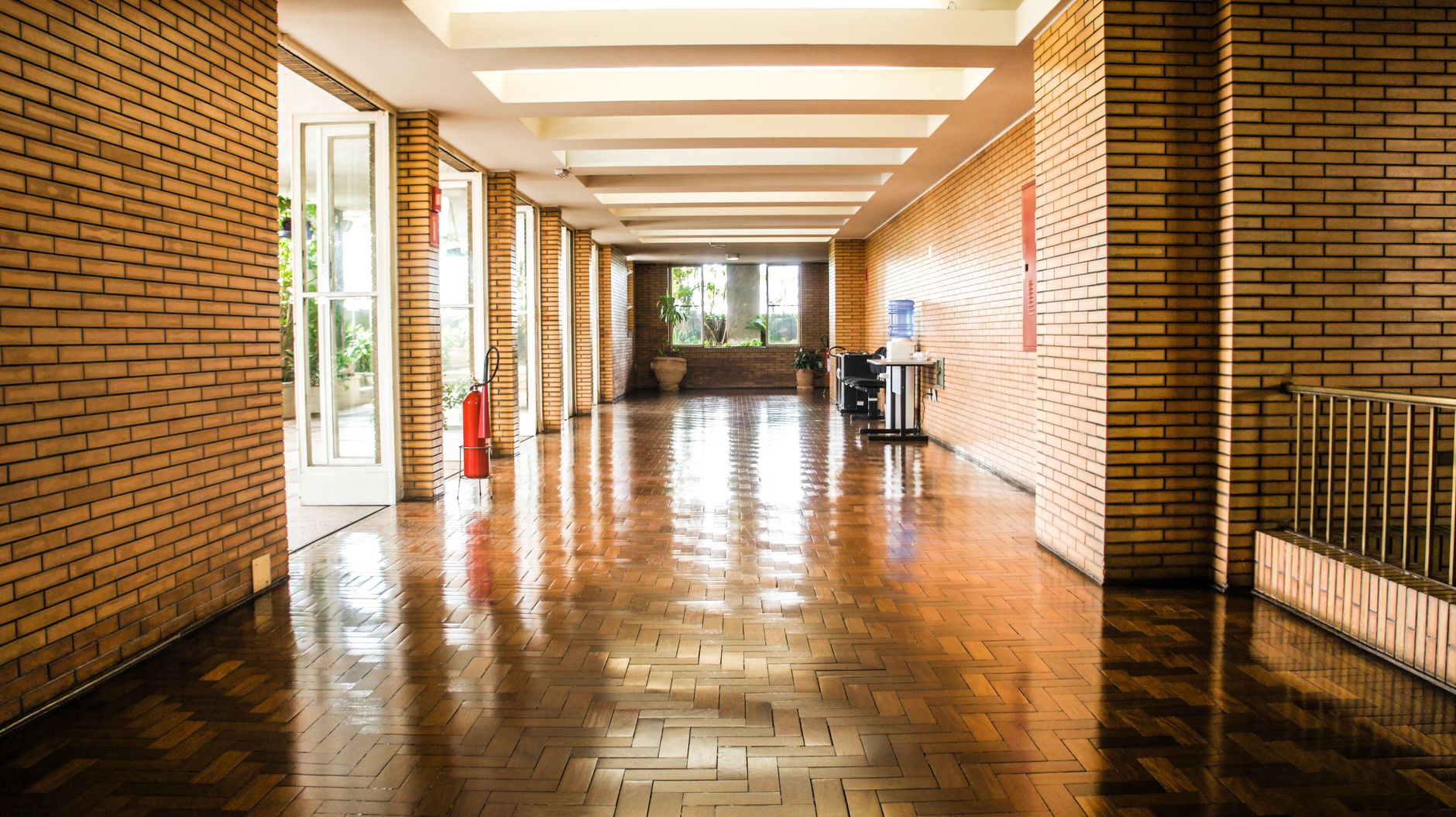
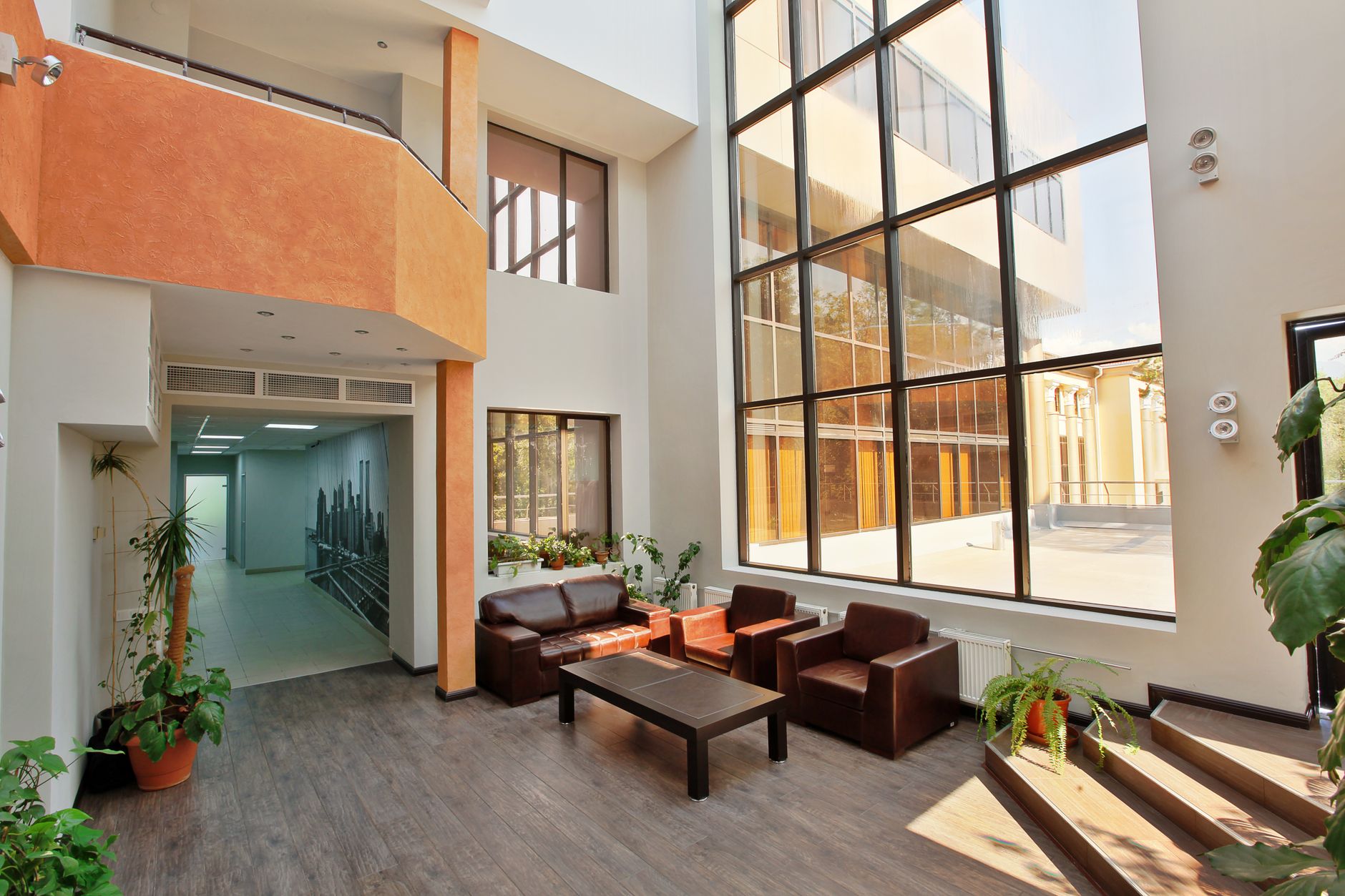
That matters in lobbies, children’s corridors, classrooms, fellowship halls, and the broad in-between spaces that turn into event spillover zones after midweek programs, funerals, banquets, rehearsals, and ministry nights. A robot floor cleaner rental or commercial cleaning robot rental program works best here when it is planned by zone, soil load, and occupancy window, not by square footage alone.
For most churches, the right goal is not to replace every custodian. It is to automate the repetitive hard-floor passes that eat hours each week, keep overnight floor care consistent, and let staff handle resets, trash, spot work, and ministry-driven surprises.
- Best fit areas: main lobbies, connector halls, education wings, fellowship halls, tiled commons, and polished concrete overflow areas
- Usually manual by design: tight sanctuaries during setup, cluttered storage rooms, stages, and rooms with dense movable furniture
- Best cleaning window: late evening after ministries end, or early morning before preschool, school, or office activity begins
What makes a megachurch floor plan different from other large facilities?
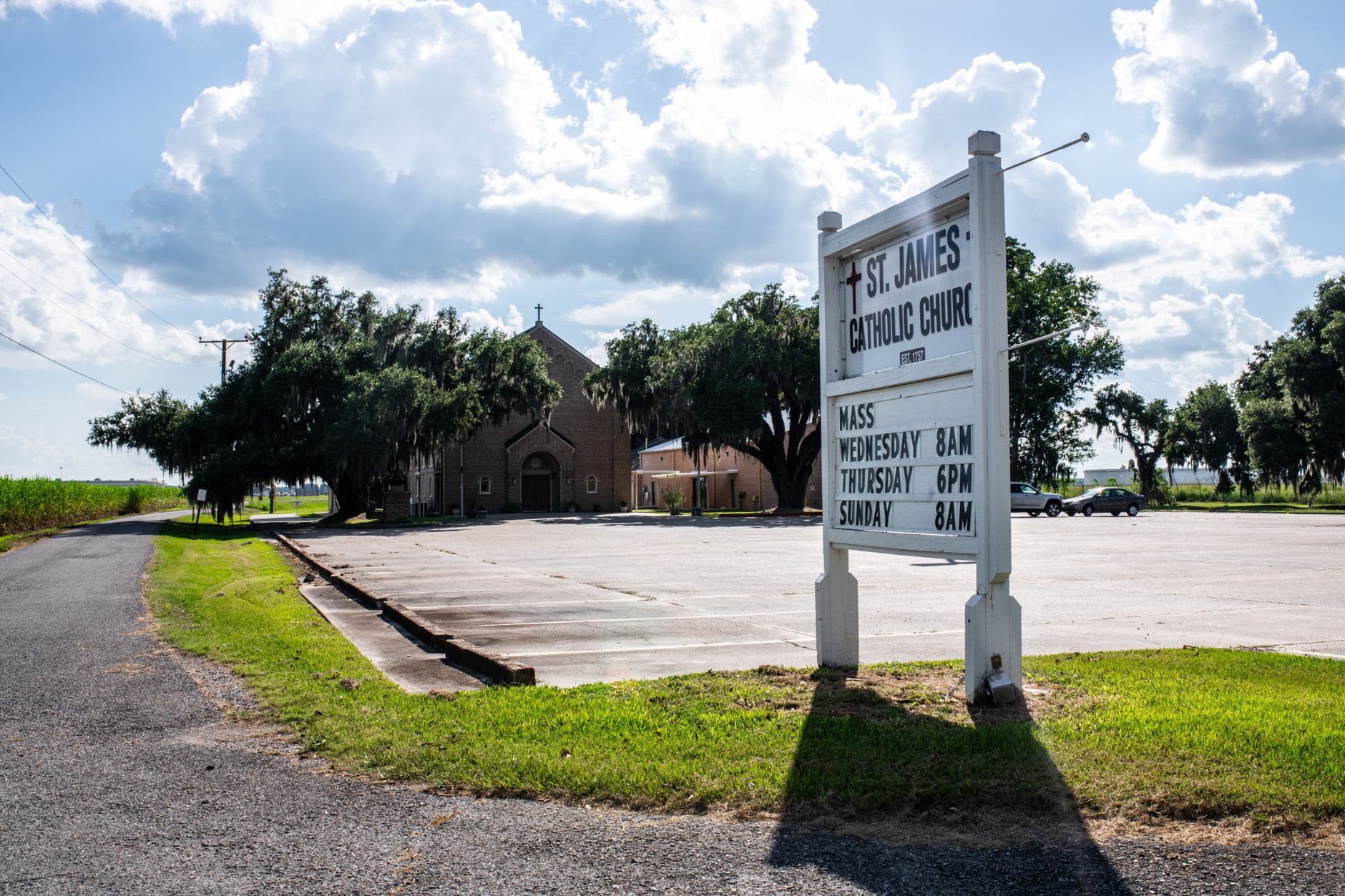
The campus itself is different. Hartford Institute defines a megachurch as a Protestant congregation with sustained weekly attendance of 2,000 or more across all worship locations. Its research also notes that many large churches sit on 50 to 100 acre properties and increasingly spread activity across multiple campuses and worship sites.
That spread changes cleaning math. A church may have a quiet Monday, a busy Tuesday preschool corridor, a Wednesday night traffic wave, a Friday wedding reset, and a Sunday footprint that touches nearly everything. According to Christian Standard’s 2025 annual statistical report, multisite churches remained about 12 percent of reporting churches, and the 44 multisite churches in that data set averaged 3.7 locations each.
In other words, large facility coverage in this niche is not just about one big building. It is often a network of buildings, entrances, finishes, volunteer staging areas, and campus-specific calendars. A campus cleaning robot deployment has to respect that geography.
Why do church occupancy patterns change the deployment model?
A warehouse or airport may be predictable in its own way. A worship campus is not. Attendance can look modest on a normal weekday and then spike dramatically for ministry nights and seasonal services. Christian Standard reported that, among surveyed churches in 2024, average total Easter attendance was 58 percent higher than a typical weekend and average Christmas Eve attendance was 32 percent higher.
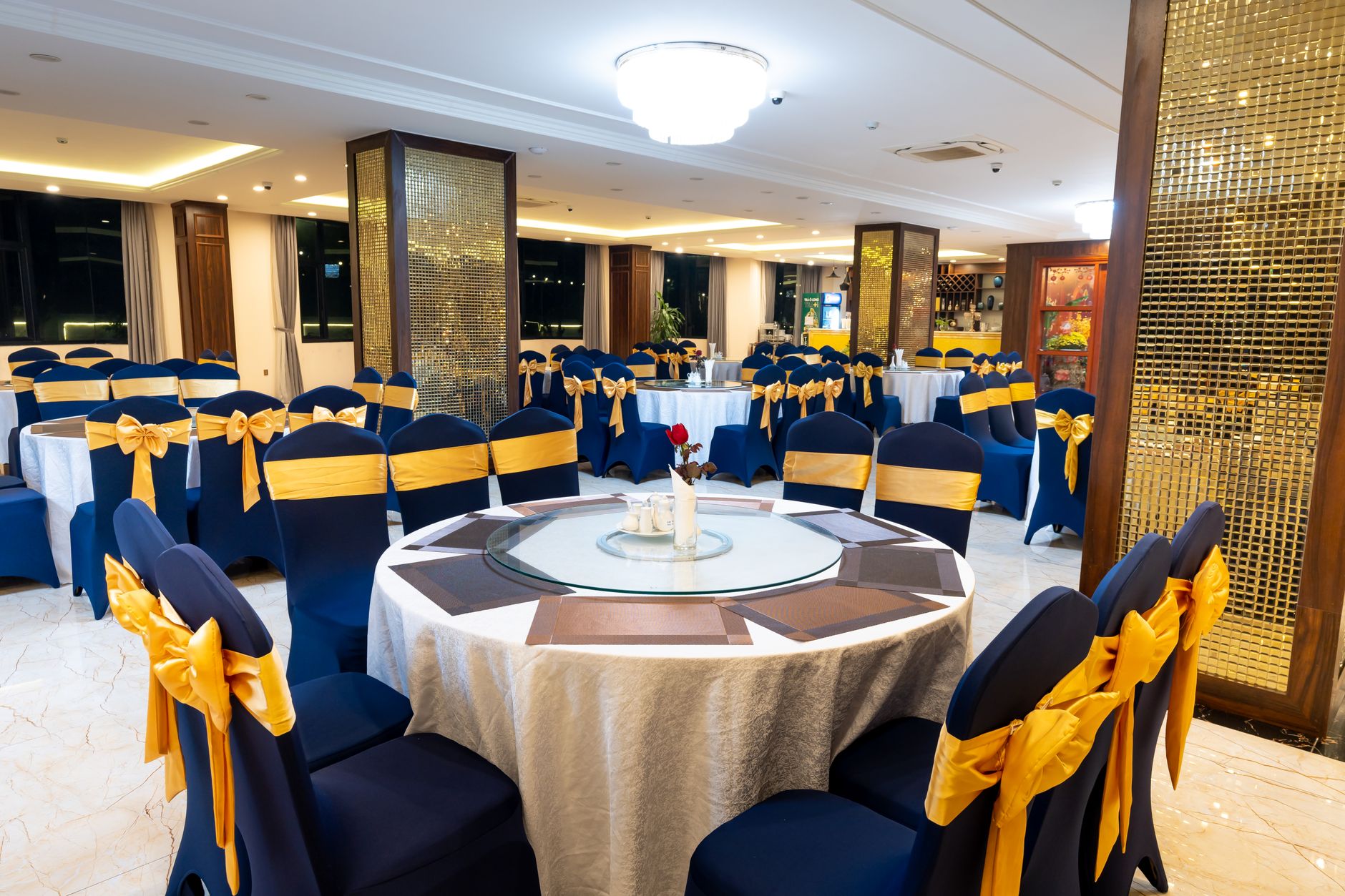
Those swings create exactly the kind of event turnaround cleaning challenge that breaks a naive robotics plan. If you map only the Sunday route, you miss the nursery wing after midweek check-in, the fellowship hall after a bereavement meal, and the youth lobby after a student event. The better approach is a route library tied to real campus use patterns.
This is also why overnight cleaning no operator appeals to church administrators. You are not trying to keep a machine circulating in front of guests all day. You are trying to reset the building after ministries end, then start the next day with floors that look intentional instead of merely survived.
- Base routes for standard weekdays
- Expanded routes for Wednesday ministry traffic
- Short recovery routes for fellowship halls after events
- Seasonal schedules for Easter, Christmas, conferences, and school-calendar peaks
How do classrooms, commons, and fellowship halls need different treatment?
Church campuses often combine school-like and venue-like spaces in one property. EPA guidance for schools is useful here because it names resilient flooring as the common choice for high-traffic classrooms, hallways, cafeterias, art rooms, restrooms, and spill-prone spaces, and it stresses that regular cleaning and maintenance are essential. That is remarkably close to how many church education buildings and multipurpose halls actually function.
The practical implication is simple. Do not deploy one floor washing robot with one universal standard for every zone. Education wings need reliable, frequent passes that manage tracked-in soil and snack debris. Main lobbies need appearance-focused cleaning because first impressions matter. Fellowship halls need faster post-event recovery, especially after meals and table moves.
Carpeted rooms add another wrinkle. They may still benefit from autonomous vacuum robot rental in some facilities, but the hard-floor backbone usually delivers the cleanest first win because it covers the largest, most repetitive labor block with the least ambiguity.
What about volunteers, staff bandwidth, and the reality of church operations?
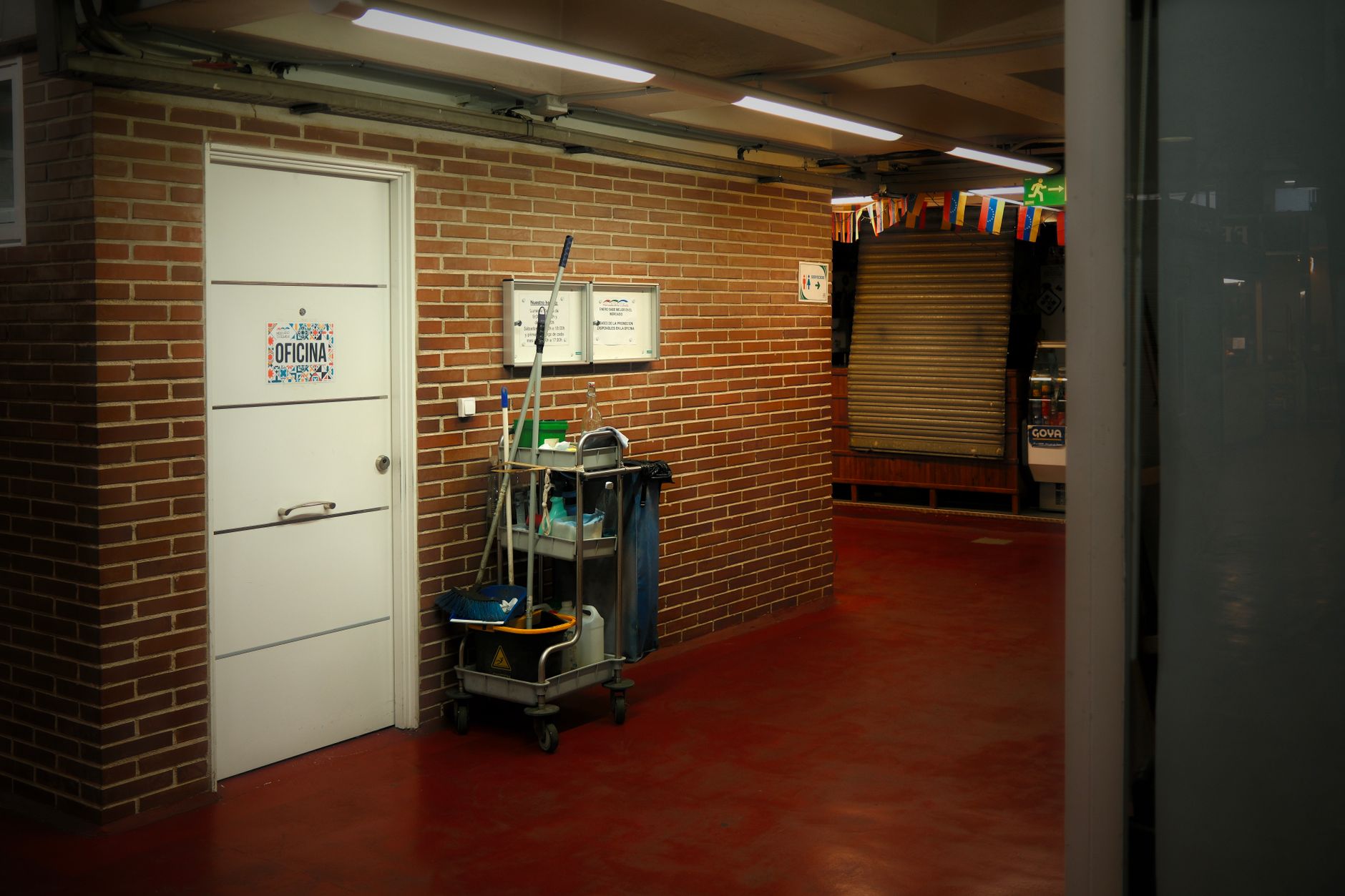
This is where many deployments succeed or fail. A church may have committed volunteers, but volunteers are there for ministry first. They are not a substitute for a repeatable service plan. Lifeway Research reported in 2023 that many pastors and churchgoers now define a regular attender as someone who shows up twice a month, and Lifeway wrote in February 2024 that in-person attendance has settled around 90 percent of pre-COVID levels. That means staffing, room resets, and volunteer availability can vary more than leaders wish.
Multisite ministry research points in the same direction. The Unstuck Group’s Q4 2024 multisite report found one volunteer leader for every 9 attendees and average in-person attendance growth from 2,522 to 2,892 across surveyed multisite churches. Growing campuses are busy campuses. Busy campuses should not hinge floor care on who remembers how to restart a machine after Bible study.
A better model is simple. One or two trained facility owners manage the program. Everyone else gets lightweight rules: keep routes clear, return furniture to marked zones, report spills fast, and leave the robot workflow alone. That is the difference between a service robot rental that quietly works and one that becomes another item on the church maintenance prayer list.
Where does Service Robot Co. fit in?
This is one of the rare niches where an OEM-neutral approach is genuinely useful. Church portfolios are messy in a practical sense. One campus may need a large autonomous floor scrubber rental for broad commons, another may need a smaller unit that handles tighter education corridors, and a third may need robot leasing for business terms that match budgeting and committee approval cycles.
Service Robot Co. acts as a full-service commercial robot integrator for U.S. businesses, including unusual facilities like worship campuses. That means one partner can assess the site, pick the right robots across manufacturers, structure financing or monthly payment programs, handle robot deployment and integration, train staff, and service every unit through a nationwide U.S. engineer network.
For churches, that one partner one number model matters more than marketing language. Facility teams usually do not want a brand collection. They want a robot that fits your floor, maintenance included, remote triage when needed, and on-site support when a machine has to be back in service before the next weekend.
What should a church measure before moving ahead?
Start with labor hours, not gadget appeal. The U.S. Bureau of Labor Statistics projects 351,300 janitor and cleaner openings each year on average from 2024 to 2034, with employment for janitors and building cleaners growing 2 percent over that period. In plain terms, dependable cleaning labor is still hard to secure, and repetitive floor work remains a rational target for automation.
Then measure route suitability. How many square feet of hard floor are cleaned on a standard week? Which zones repeat often enough to justify automation? How often do chairs, tables, and children’s equipment block routes? EPA school guidance also recommends scheduling routine cleaning when buildings are unoccupied and using walk-off mats at entrances to reduce tracked-in soil. Both practices improve robotic results immediately.
Finally, treat this as an operating model, not a machine purchase. The strongest programs build around service response, spare capacity, training, and a rollout sequence that can start with one campus and expand. That is why commercial cleaning robots, robot as a service, and floor scrubber monthly lease structures tend to appeal to churches that want predictable operations without forcing a large capital decision on day one.
- Weekly hard-floor labor hours by zone
- Occupancy windows and lock-up times by building
- Event calendar spikes by season and ministry
- Furniture density and route obstructions
- Entrance mat coverage and soil load at main doors
- Who owns the robot program when the primary facility lead is out
Frequently asked questions
Sources
- Hartford Institute Megachurch Definition
- Hartford Institute Megachurch Database
- Christian Standard 2025 Annual Statistical Report Part 2
- Christian Standard 2024 Fast Facts Church Report
- The Unstuck Group Q4 2024 Multisite Church Report
- Lifeway Research on Post-Pandemic Attendance
- U.S. Bureau of Labor Statistics Janitors and Cleaners Outlook
- EPA Indoor Air Quality Design Tools for Schools