Key takeaways
- Clubhouse and cart barn floors still need daily passes even when fairway mowing is automated.
- Dual housekeeping and outside-service job posts show how clubs blend floor care with cart staging work.
- Autonomous scrubbers fit tile, locker rooms, and cart barn concrete on a night or between-wave schedule.
- Buy or lease financing with RoboCare service keeps one vendor for mapping, training, and repairs.
- Start with high-traffic entries and cart wash areas before expanding to secondary corridors.
Why do clubhouses stay dirty when the fairways look perfect?
Members judge the course by turf, but they feel the club in the locker room tile, the pro-shop entry, and the cart barn concrete. Those spaces collect grass clippings, sand from shoes, and rainwater tracked in from the first tee.
A 2026 housekeeping job posting from Osoyoos Golf Club in British Columbia described a role that is roughly 70 percent clubhouse cleaning, including floors, patios, and locker areas, plus building maintenance the rest of the week. That split shows how many clubs still hire one person to cover both mop buckets and light repairs.
Robotic floor care targets the repetitive square footage so attendants can stage carts, restock range balls, and handle guest requests instead of pushing a scrubber every night.
Where do cart barns and staging areas wear down fastest?
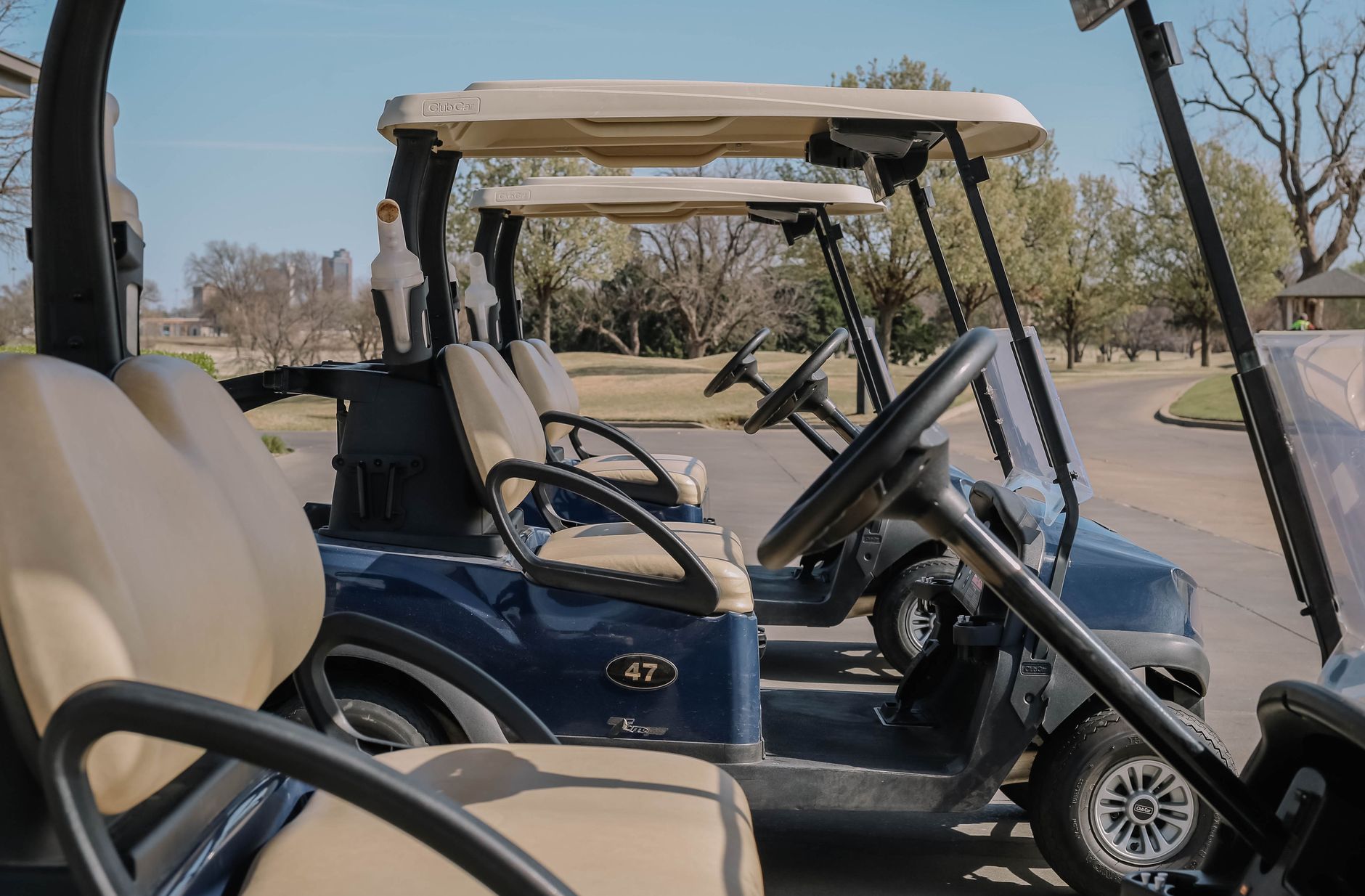
Outside services job descriptions at courses like Cedar Crest spell out daily cart washing, blowing cart barn floors, and keeping parking lots and walk paths clear of leaves and debris. The same staff are expected to keep restrooms near the clubhouse cleaned during operating hours.
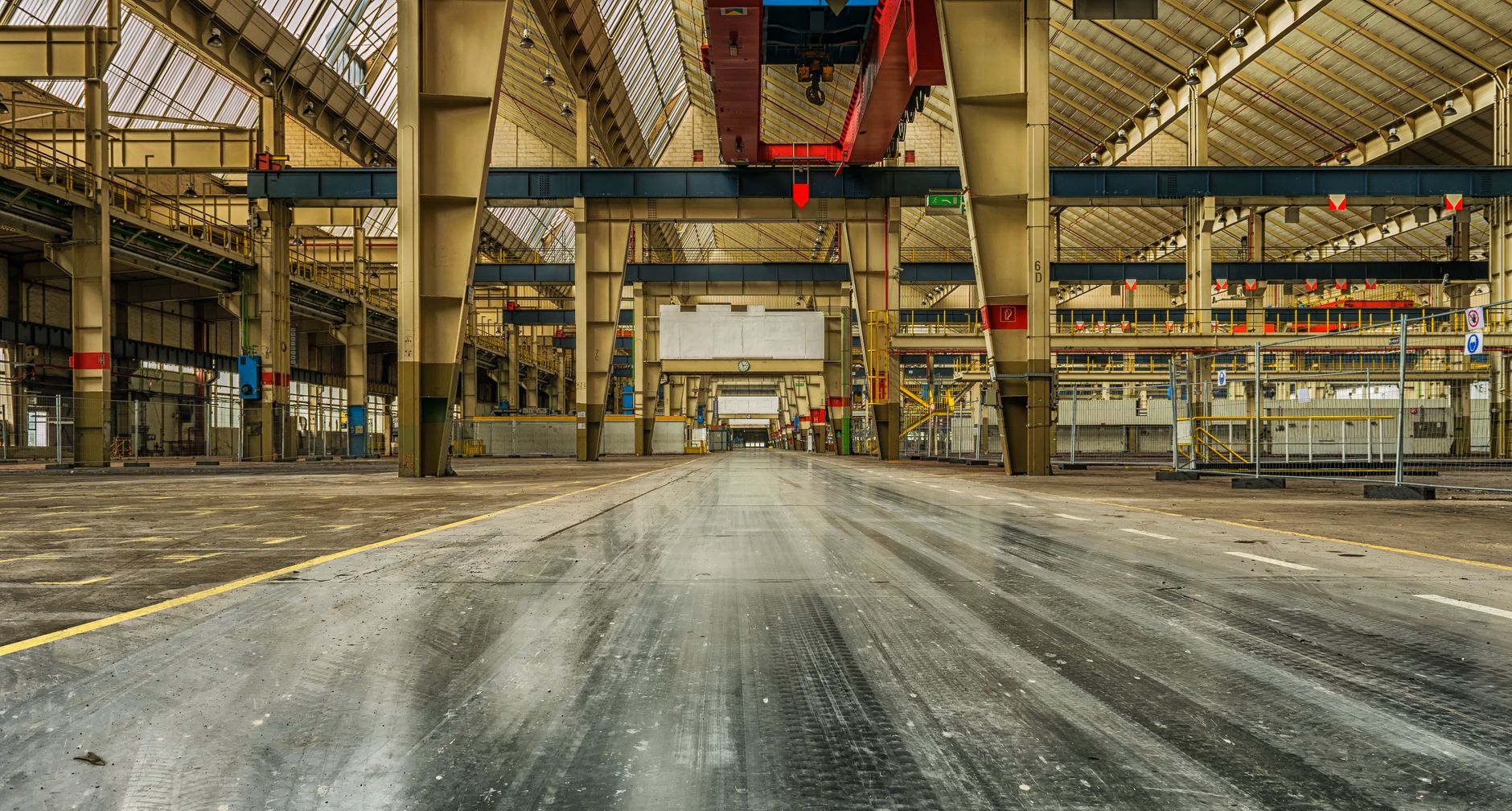
Concrete in cart barns and wash bays soaks up oil drips, fertilizer dust, and muddy tire tracks. Tile at the player entrance sees spike marks and wet footprints before noon on a busy Saturday.
An autonomous scrubber can run after the last cart is plugged in, or between morning and afternoon waves, without pulling someone off the range picker.
- Cart wash pits and drain grates where clippings pack overnight.
- Locker room showers and wet entries that stay slick without a scheduled scrub.
- Banquet corridor tile after weddings when events stack back to back.
How is this different from fairway mowing automation?
Fairway robots recover mowing hours for bunkers and greens. Clubhouse robots recover janitorial hours inside the building envelope and the cart compound.
Indoor and covered spaces need different maps, detergent choices, and squeegee settings than turf. Ramps, floor drains, and rubber entry mats become part of the route plan.
Service Robot Co. can layer a clubhouse scrubber program after a fairway mower rollout, still under one financing and RoboCare relationship, without naming a single OEM in either category.
What should a GM map before the first indoor run?

Walk the path members actually take: bag drop, locker room, grille, pro shop, and the corridor to the cart staging window. Note floor transitions from carpet to tile because many scrubbers need a hard-surface map segment.
Mark charging locations away from fire lanes and banquet load-in doors. Confirm night staff can hear the unit alarm if it stops on a threshold.
Run a shadow week during a quiet weekday block before you promise members a spotless locker room for a member-guest tournament.
Who operates the robot when outside services is already stretched?
Fountaingrove Club outside services materials stress that bag drop, cart barn, and walk paths must stay clean at all times, not only at shift end. That is a lot of simultaneous priorities for a small team.
Training one attendant plus an assistant superintendent on start, stop, and fill routines is usually enough. The robot handles the long straight passes; people handle drains, gum spots, and furniture moves.
Document who empties the recovery tank and who receives RoboCare alerts so a rainy Friday does not become a guessing game.
Can scrubbers run during events without bothering diners?
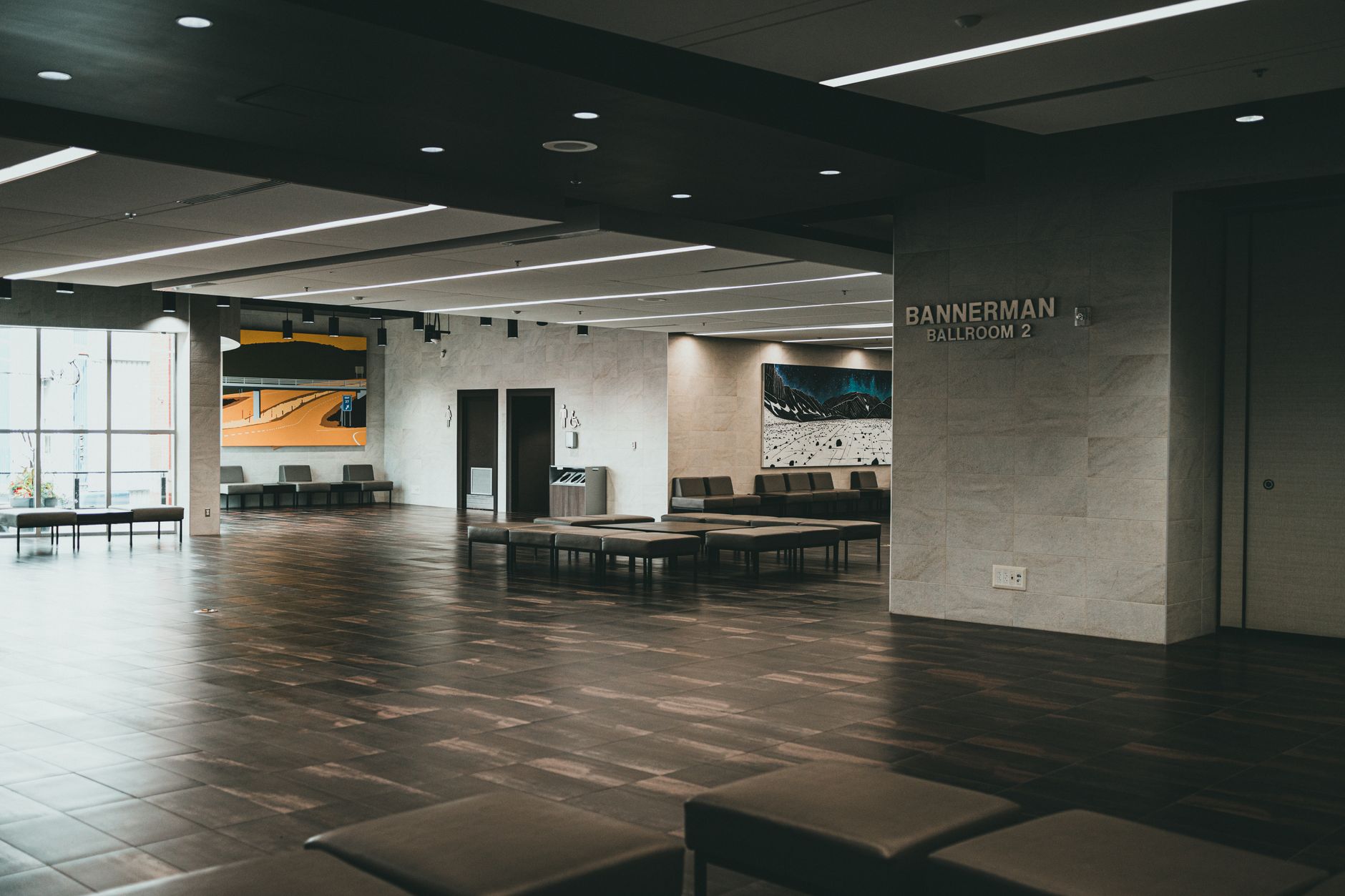
Banquet nights need a hard rule: robots stay out of occupied rooms. Schedule hard-floor work in locker areas and back hallways while the event is in the ballroom.
For daily play, early morning runs in the cart barn often finish before the first bag drop. Members notice dry, clean concrete more than they notice a machine that already left.
Keep a manual spot-clean kit for wine spills and mud storms. Automation covers the baseline, not every exception.
How do clubs pay for a second robot program?
Treat the clubhouse unit like any other capital decision: compare buy versus lease monthly payments against the hours you would otherwise spend on overnight janitorial shifts.
If fairway automation is already on the books, stack clubhouse financing in phase two so the board sees a sequenced plan instead of two surprises in one vote.
Service Robot Co. maps both phases, handles deployment, and keeps service on RoboCare so you are not chasing a different vendor when a squeegee blade wears out before opening day.