Key takeaways
- Educational facilities feature a diverse and challenging mix of flooring, from VCT and terrazzo to carpet and specialized gym surfaces.
- Modern autonomous floor care machines can adapt to multiple surface types, reducing the need for numerous single-purpose devices.
- Automating floor care helps schools overcome chronic custodial staff shortages and reassigns human labor to higher-value tasks.
- A vendor-neutral robot integrator can identify the right machine for a campus's specific floor mix, unlike a single-line manufacturer.
- A full-service integration partner manages the entire lifecycle, from deployment and training to nationwide service and maintenance.
The Unique Challenge of School Floor Care
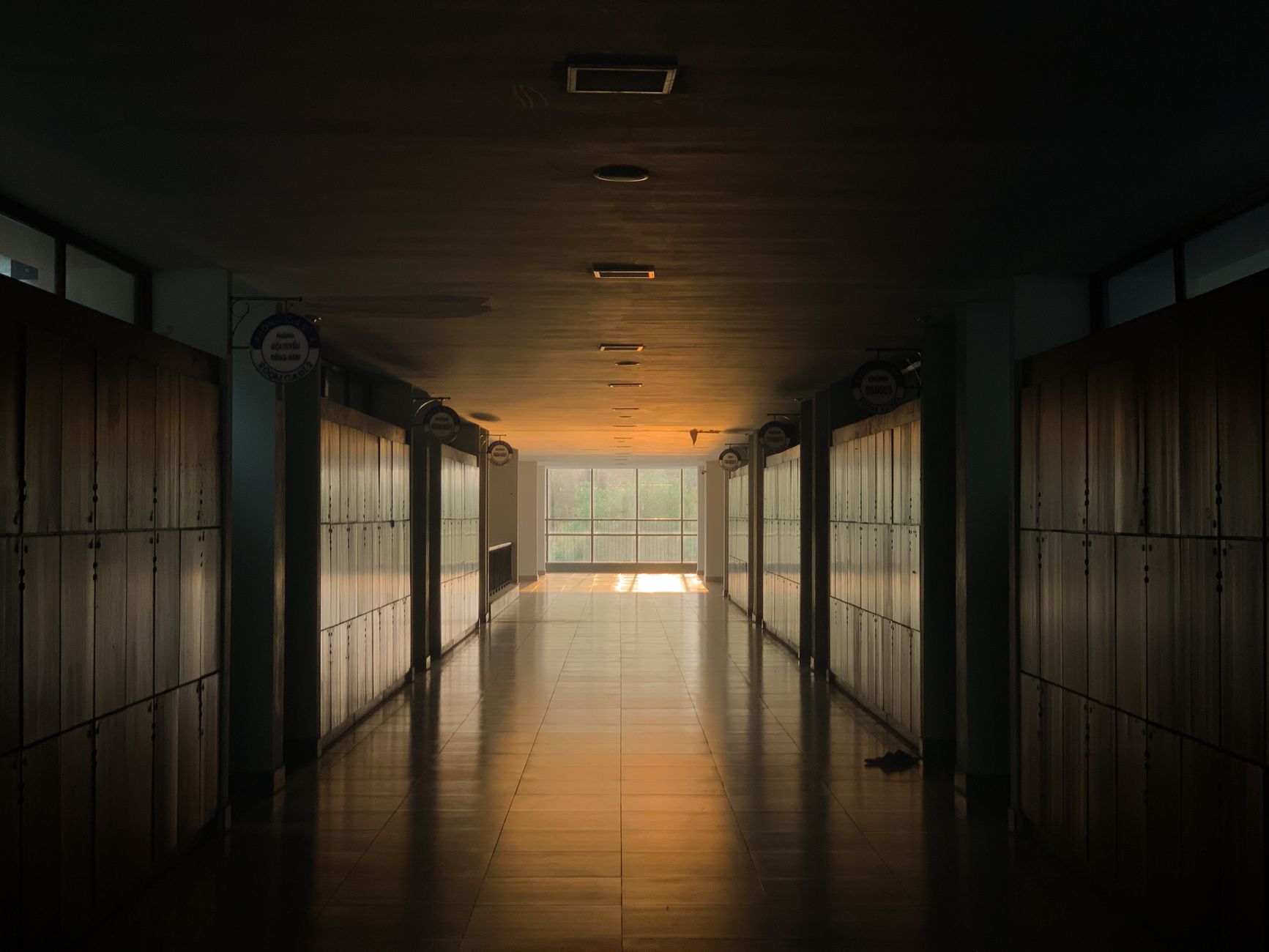
A walk through any K-12 school or university campus reveals a complex patchwork of flooring. High-traffic hallways are often covered in durable Vinyl Composition Tile (VCT), while lobbies and atriums may feature elegant terrazzo. Classrooms and libraries frequently use carpet tile for its acoustic properties, and gymnasiums require specialized wood or rubber sport flooring.
This diversity creates a significant operational challenge for facilities management. Each surface demands a different cleaning protocol, chemistry, and equipment. VCT requires daily mopping and periodic stripping and waxing, terrazzo needs pH-neutral cleaners to avoid damage, carpet requires regular vacuuming and extraction, and gym floors need specific care to maintain their finish and safety characteristics.
Traditionally, this meant a closet full of machines and a janitorial team trained on multiple complex procedures. It is a labor-intensive and costly model that strains budgets and staff, who are already stretched thin.
How Can One Robot Clean Multiple Surface Types?
The idea of a single machine handling such varied surfaces may seem unlikely, but it is a reality grounded in modern robotic design. Autonomous floor care machines are not just vacuums; they are platforms equipped with sophisticated navigation and adaptable cleaning hardware.
Using a combination of LiDAR and 3D cameras, these robots create detailed maps of a facility, allowing them to operate independently and safely around obstacles. This core technology enables them to navigate from a VCT hallway directly to a carpeted media center.
The multi-surface capability comes from interchangeable cleaning components. An autonomous floor scrubber working on a terrazzo floor can be outfitted by staff with a different brush or pad system to gently clean a polyurethane-coated gym floor. For carpeted areas, the scrubbing deck can be swapped for a powerful vacuum and brush-roll extractor. This adaptability lets one robotic unit perform the work of several different legacy machines.

Addressing the Custodial Staffing Crisis in Education
Schools across the country are facing a severe shortage of custodial staff. An October 2024 report from the National Center for Education Statistics (NCES) found that public schools had, on average, only filled 74% of their custodial positions before the school year. The workforce is aging, and wages are often not competitive with other industries, leading to high turnover and persistent vacancies.
This staffing gap has a direct impact on campus cleanliness and student health. Studies have repeatedly shown a link between clean school environments and better student attendance, focus, and overall performance. When custodial teams are understaffed, they are forced to triage their efforts, and daily floor care is often the first casualty.
An autonomous floor scrubber rental or a Robot as a Service (RaaS) monthly subscription provides a practical way to bridge this gap without large upfront capital. A robot can handle the time-consuming, repetitive task of cleaning thousands of square feet of flooring overnight, freeing the human staff to focus on critical disinfection, restroom sanitation, and detailed work that requires human dexterity.
What are the Operational Gains for a School District?

Deploying an industrial floor scrubbing robot delivers benefits that extend beyond just a clean floor. The first is consistency. A robot performs its programmed route the same way every time, ensuring a uniform standard of cleanliness that is difficult to achieve manually across large areas.
This automation also enhances safety. Wet floors from mopping are a primary cause of slip-and-fall incidents. Autonomous scrubbers leave floors significantly drier than traditional methods, reducing liability risks. By performing these tasks after hours, robots also minimize disruption to students and educational activities.
Finally, there is a clear financial argument. According to a 2021 report, floor care can account for over half of a school's janitorial budget. An autonomous mobile robot rental can perform the work of a human for a fraction of the cost, operating reliably through night shifts and weekends without overtime pay. This allows schools to reallocate limited funds toward other educational priorities.
Finding the Right Robot for Your Campus Mix
Because no two schools are identical, a one-size-fits-all approach to robotic automation is bound to fail. A manufacturer that produces a great autonomous scrubber for VCT might not have a machine that excels on carpet. This is where the value of a vendor-neutral robot integrator becomes clear.
Instead of pushing a single brand, an integrator like Service Robot Co. assesses the unique needs of your campus first. We conduct a free site assessment to map out every flooring type, from the cafeteria to the gymnasium. We analyze your current cleaning workflows and identify the specific challenges your custodial team faces.
Based on this detailed evaluation, we select the commercial cleaning robot that fits your floor, your operational schedule, and your budget. We source from a wide range of leading manufacturers to find the best-fit technology, not just the most convenient one. This OEM-neutral model ensures the hardware serves your goals, not a manufacturer's sales quota.
What Does a Full-Service Partnership Involve?
Acquiring the robot is just the first step. True success depends on deployment, training, and ongoing support. A full-service partner manages the entire automation lifecycle, providing one point of contact for every need. This is a sharp contrast to buying a machine directly and being left to fend for yourself with manufacturer support.
Service Robot Co. handles every phase. Our engineers manage the initial site mapping and go-live support, ensuring the robot is fully integrated into your daily operations. We provide hands-on training for your custodial staff, making them comfortable and proficient with the new equipment.
Most importantly, we stand behind every unit we deploy. With a nationwide US engineer network, we provide a comprehensive robot maintenance service plan that includes remote triage and on-site dispatch. If a machine goes down, we offer a backup robot program to ensure zero downtime. From financing to service, you have one partner and one number to call.