Key takeaways
- Rubber dust and wire bits need dry pickup before wet scrubbing on most plant concrete.
- Keep robots out of live buffing and curing lanes with geofenced routes, not tape alone.
- Night or between-shift windows beat running scrubbers while forklifts and carts share aisles.
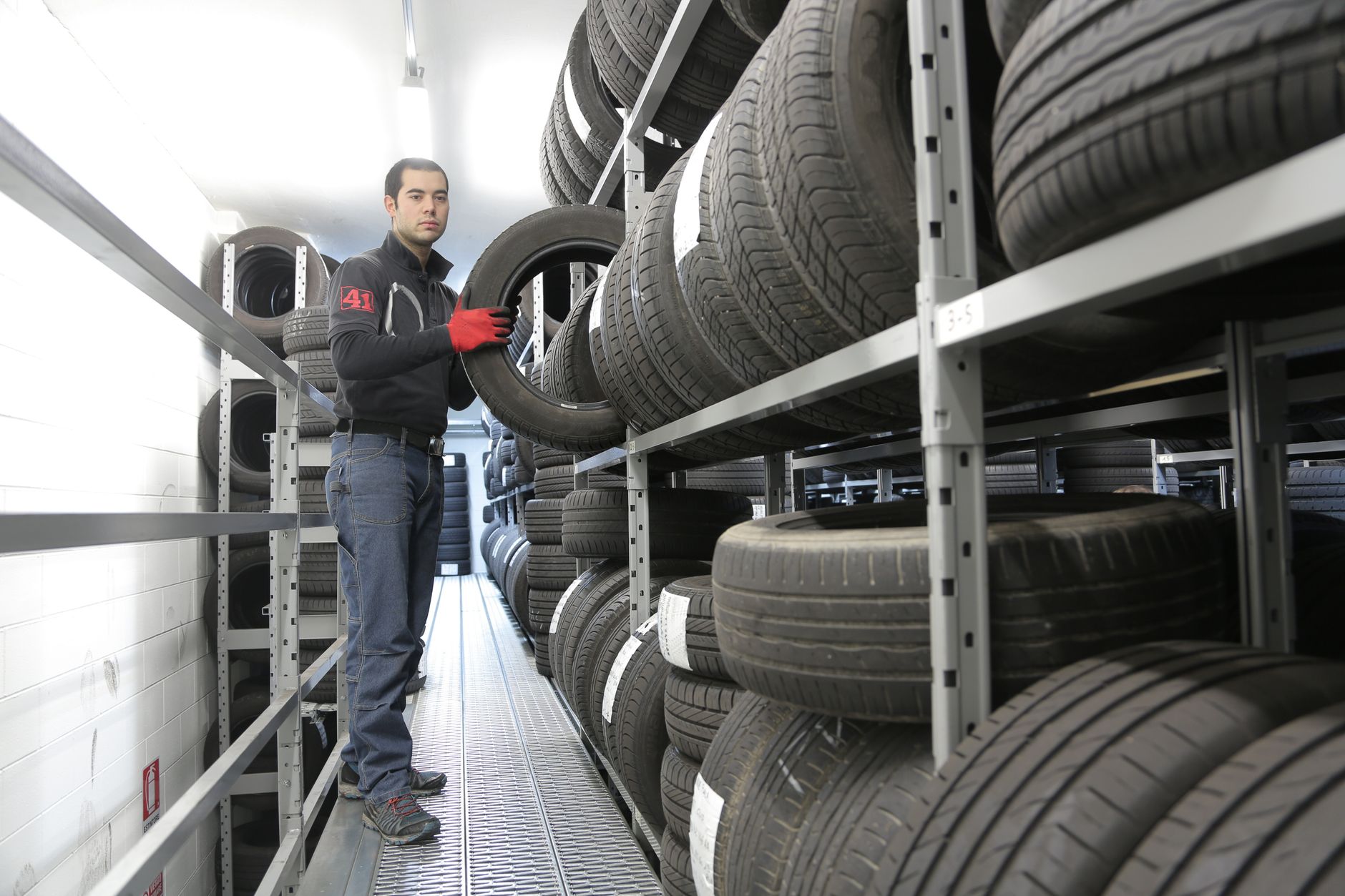
- Manual crews still own splash zones, tire racks, and any floor that changes layout daily.
Do autonomous scrubbers belong in a retread plant?
Yes, on the aisles and staging zones where rubber dust, wire fragments, and black marks accumulate faster than a small janitorial crew can chase them. A retread plant mixes buffing dust, inspection traffic, repair benches, and curing bays on the same hard floors forklifts use all day. An autonomous sweeper or scrubber can hold those common areas on a fixed route when production pauses or after second shift, as long as buffing stations and open tire racks stay in mapped keep-out zones.
The goal is not to replace retread technicians. It is to keep particulate from migrating into offices, QA labs, and finished tire storage while people focus on casing prep and cure checks. According to the International Federation of Robotics World Robotics 2026 Service Robots report, global shipments of professional service robots rose 24% to almost 250,000 units in 2025, and industrial sites are adopting cleaning platforms because repeatable floor care is easier to schedule than another open janitorial slot.
What makes rubber debris different from ordinary plant dirt?
Buffing generates fine rubber particulate and exposes wire from belt packages, so dust can be oily and abrasive at once. That mix clings to tire carts and boot soles, then marks epoxy or sealed concrete when someone drags a hose across it. Wet scrubbing without a dry pass can smear black film into floor texture and make slip risk worse near repair pits.
OSHA expects employers to control combustible dust hazards where processes generate fine particulate, which is why retread plants already invest in collection at buffing machines and housekeeping SOPs. Robots extend those habits with a mechanical pass on aisles the central vacuum does not reach every shift.
Where should sweepers run versus scrubbers?
Use dry sweeping on staging lanes, inspection lines, and the approaches to buffing when tires are not actively spinning. Move to scrubbing on sealed concrete in break areas, offices, and wide aisles where water and approved chemistry are allowed. Never route a wet deck through a zone where curing molds sit open or where solvent wipe-downs are mandatory.
Map each cell separately. A route that works between first and second shift may be unsafe during peak forklift moves, so tie robot start times to production calendars, not just the clock.
- Dry sweep staging and inspection aisles before scrubbing open traffic paths
- Scrub only where floor sealants and plant safety rules allow water
- Keep buffing pits and active repair bays as permanent no-go zones
How do you avoid traffic conflicts with forklifts and tire carts?
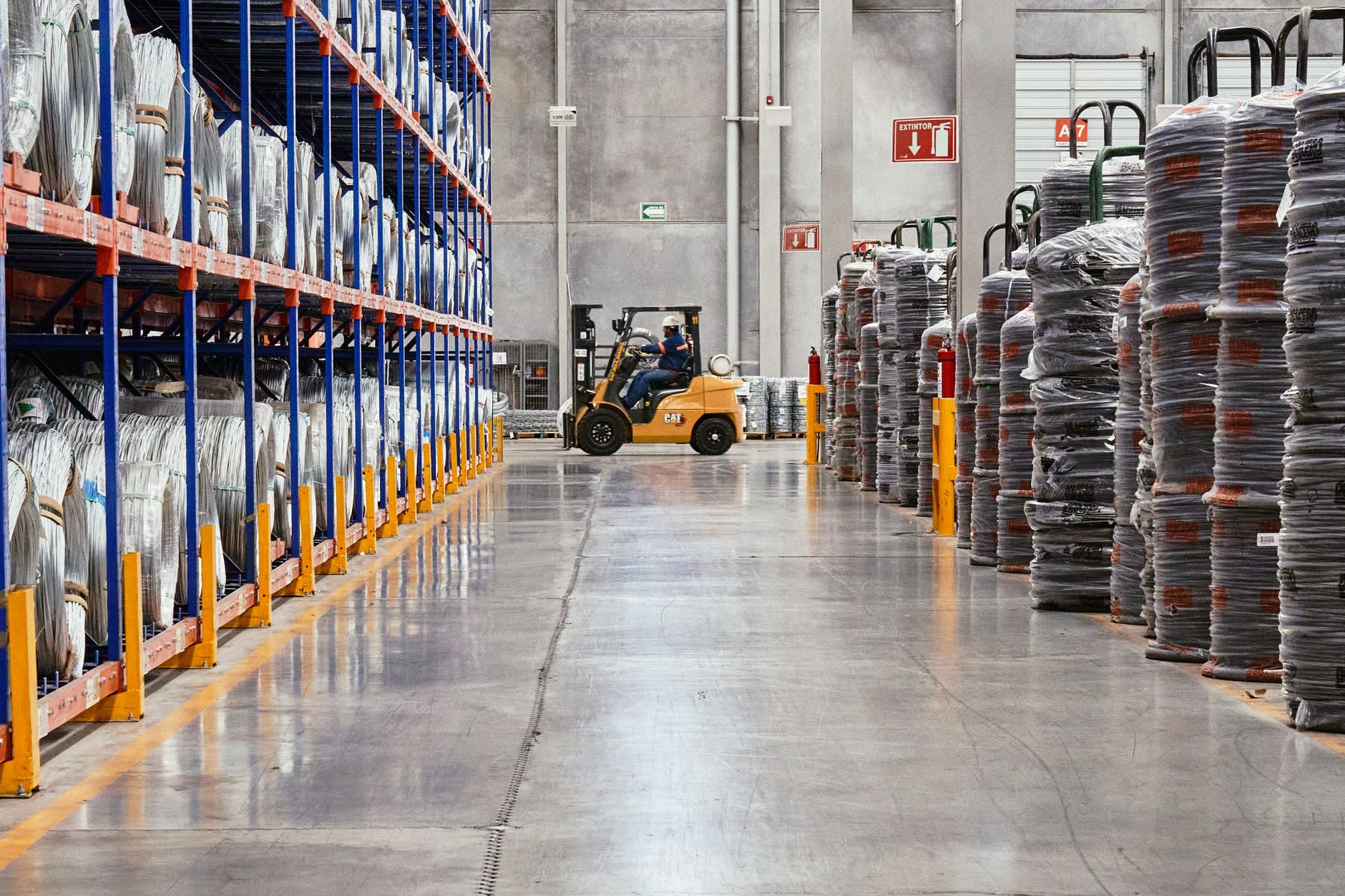
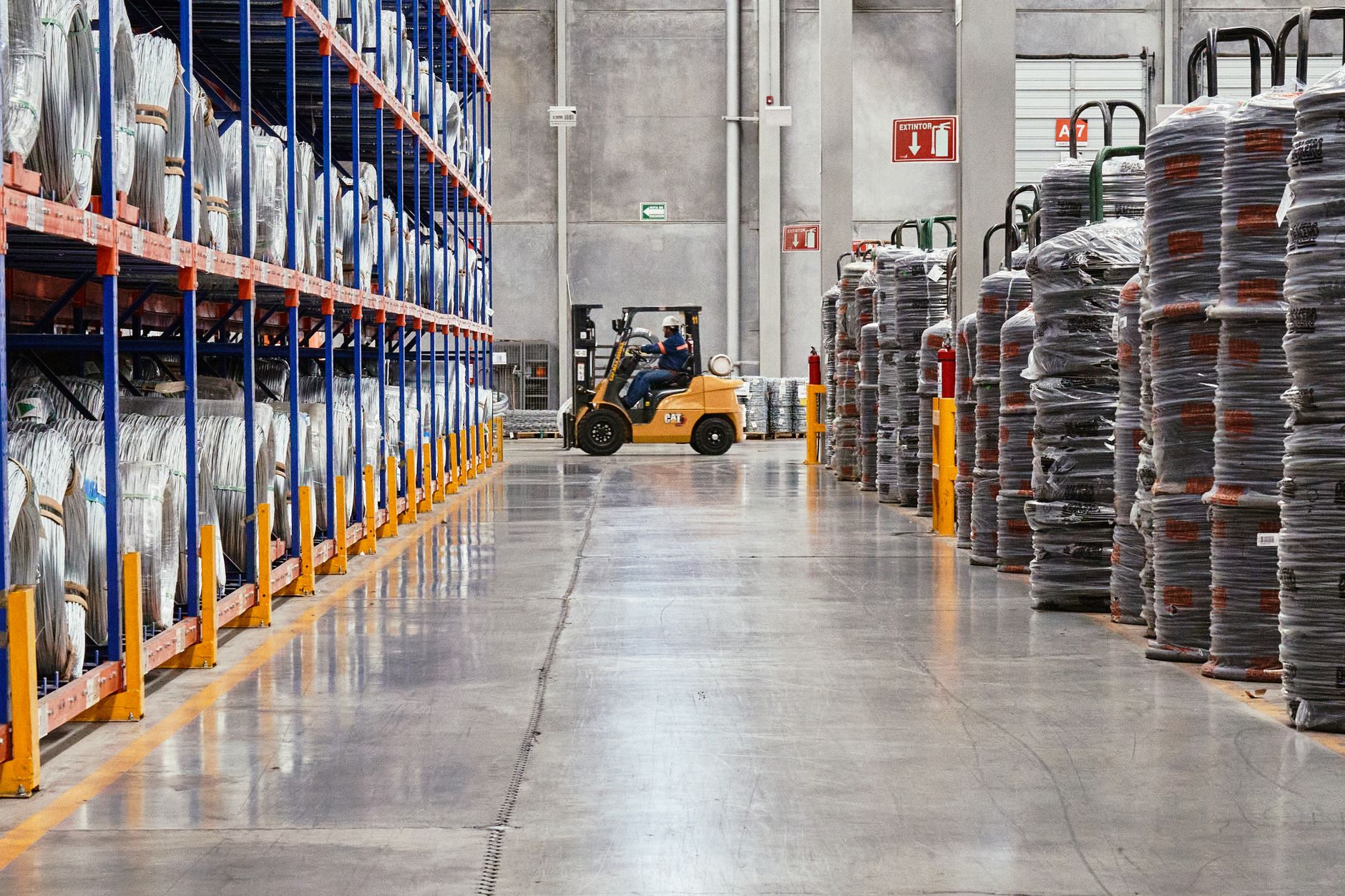
Retread plants run narrow aisles and unpredictable stops when a casing fails inspection. Schedule robots when forklift counts drop, or geofence lanes that stay pedestrian-only. Use slow speeds at blind corners and mirror the same horn or beacon rules forklifts already follow.
If a plant runs near continuous production, start with one pilot aisle between inspection and storage rather than the whole building. Expand only after logistics leads sign off on hand-off points and charging locations.
What filtration and maintenance do dusty plants require?
Specify sealed suction paths and fine filtration on the vacuum side, not just on the scrub tank. Rubber fines can clog coarse filters and recirculate dust if bins are not emptied on schedule. Bag debris like manual sweepings and keep emptying away from open curing lines.
Check squeegees and brushes more often than a retail store would. Wire snippets can nick consumables and leave streaks that look like unclean floors even when the route finished.
What still needs manual cleaning?
Buffing enclosures, pit edges, and repair benches need hands and plant-approved vacuums. Robots do not climb ramps into mezzanine storage or clean vertical tire faces. Oil drips from presses may need absorbent and manual prep before any machine pass.
Write manual zones on the same map as the robot route so second shift does not assume the aisle work covered a pit splash.
How does an integrator help beyond buying a scrubber?
Catalog purchases often stall on mapping, chemical approval, and service. Service Robot Co. matches hardware to aisle widths and debris load, validates chemistry with floor sealant limits, trains staff on emptying and charging, and keeps one dispatch number when a brush fails mid-week. Month to month commercial robot rental or a pilot on one aisle lets you prove uptime through a full production cycle before you lease or buy.
How do you know the route is working?
Track black mark returns on inspection aisle concrete and note slip near-misses near repair pits. Compare janitorial hours on common areas before and after the pilot, and log robot runs against production peaks so you know coverage happened on heavy days.
After ninety days, if dust load in offices drops and aisles stay passable without extra temp labor, you have a case to expand routes or convert rental to robot leasing for business with maintenance included.