Key takeaways
- Treat restock nights as a shared workflow: robots clean assigned aisles only after stock carts release them.
- OSHA expects walking surfaces kept clean and dry; wet scrub paths need signs and one-side-at-a-time rules when humans pass.
- Dynamic exclusion zones tied to pallet jack location beat static maps when displays move every week.
- Productive cleaning time is scrubbing with squeegee down, not circling cardboard or waiting on stockers.
- Escalation paths should name who pauses the robot when a temporary promo blocks an entire bay.
Can floor robots run while shelves are being reset?
Yes, but only with a written operating plan. Overnight retail teams unload pallets, run pallet jacks, park stock carts mid-aisle, and leave cardboard and stretch wrap on the floor. An autonomous scrubber that treats the store like an empty gym will either abort missions or create friction with the stock crew.
The practical model is shared lanes, not shared tiles. Restock owns the bay until the aisle captain releases it. The robot owns the travel path once that release is logged. Someone who reads only this section should leave with that split of responsibility.
Grocery and big-box operations often run replenishment in the late night and early morning when customer traffic is low. That same window is when scrubbers deliver the most value, so coordination is cheaper than choosing one job over the other.
How should night schedules be staggered?
Start from freight reality, not the robot default route. If the truck lands at eleven and backroom sort runs until two, schedule scrubbing on perimeter aisles and front-end hard floor while center-store bays stay in restock.
Split crews are common in retail replenishment: one wave breaks down pallets, a second wave works the sales floor once the backroom clears. Mirror that pattern with two robot windows, a light vacuum or dust pass on entries before heavy scrubbing on grocery hard floor.
Publish a one-page timeline each night. Stock managers, the janitorial lead, and whoever monitors the robot fleet should see the same aisle release order. Surprises are what send a scrubber into an aisle still full of L-carts.
- Hour zero to two: entries, front end, and wide racetrack paths only
- Hour two to four: grocery hard floor bays as each aisle is released
- Hour four to open: final touch on produce perimeter and checkout queues
- Hold frozen and dairy transitions until condensate and drip mats are checked
What are dynamic exclusion zones?

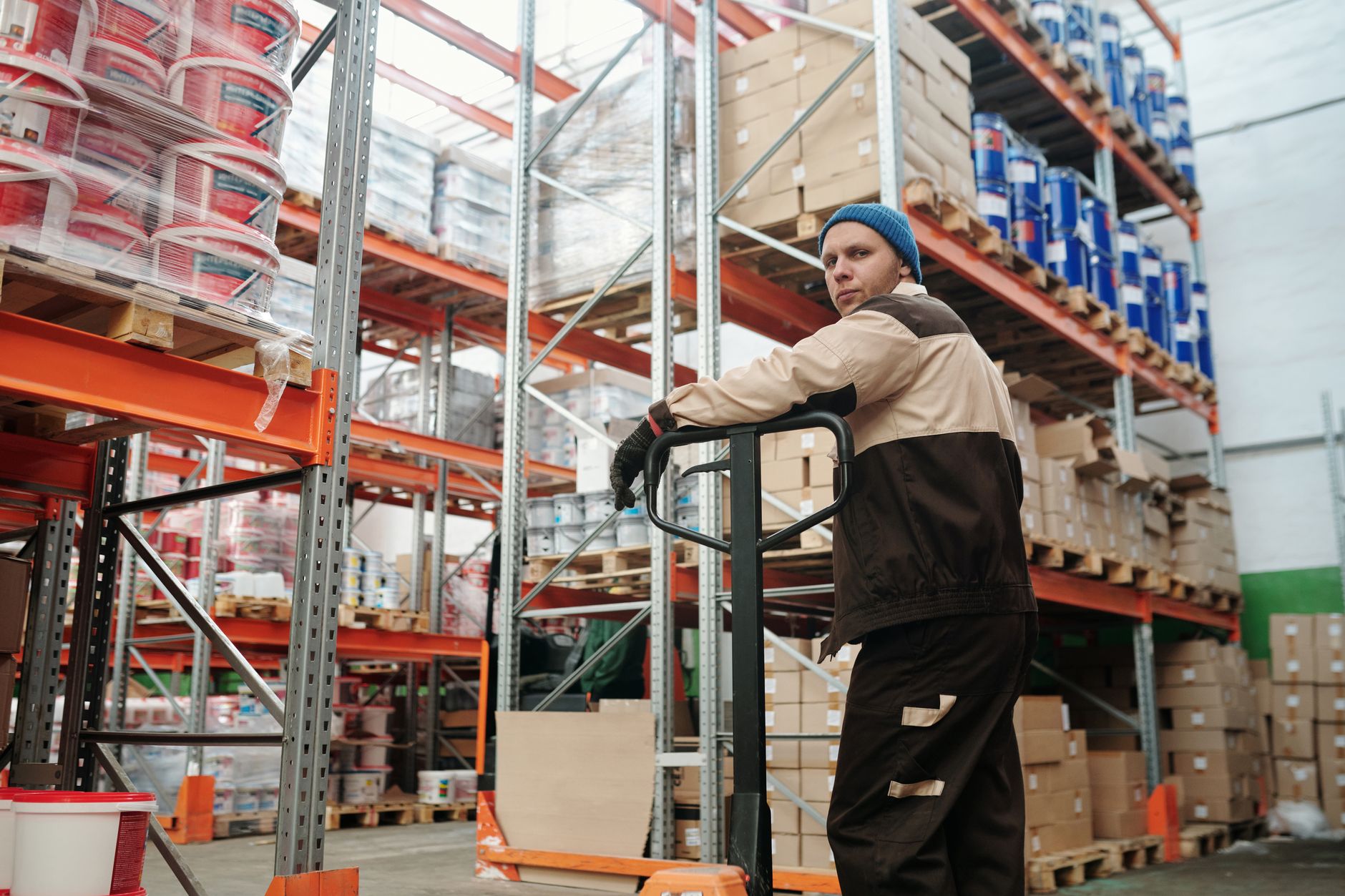
Static keep-out maps fail in retail because endcaps, pallet drops, and temporary displays move faster than CAD drawings. Dynamic exclusion zones update from live inputs: handheld scanner check-ins from stockers, motion in the aisle, or geofences around active pallet jacks.
When a zone activates, the robot should reroute or pause outside the bay, not creep behind a cart. Most fleet software supports polygon edits from the nightly supervisor tablet. Treat those edits as operations data, not IT tickets.
Cardboard staging areas deserve their own micro-zones. A flattened box pile looks like a low obstacle to lidar until a jack rolls through it. Mark staging corners with floor tape and mirror that tape in the robot map the same night.
Which aisle-release rules keep humans ahead of robots?
Name an aisle captain for each major section. The captain texts or radios release when carts are clear, wrap is picked up, and the main travel lane is open. No release, no scrub entry, even if the robot schedule is behind.
Federal walking-working surface rules expect aisles kept clear and floors maintained clean and dry. OSHA guidance for healthcare and general industry alike calls out cleaning one side of a passageway at a time when others still need to pass. Retail overnight should copy that habit: half-aisle scrub while carts work the opposite side, then swap.
NIOSH retail research found slips, trips, and falls at about 2.3 cases per 100 workers per year in a large chain cohort, with a heavy share becoming lost-workday injuries. Wet scrub residue plus fresh pallet dust is exactly the combination those programs warn about. Dry time and signage are part of the robot SOP, not optional polish.

How should teams escalate when the floor plan changes?
Escalation should be boring and fast. Level one is the aisle captain pausing the robot from a phone app. Level two is the overnight manager reshuffling the release order when a promo build blocks three bays. Level three is facilities calling the integrator when a sensor fault spams false stops.
Document who can override autonomy. A stock manager should not need a vendor ticket to skip an aisle that flooded from a leaky case. Conversely, only trained staff should resume a paused mission after a slip near-miss.
Keep a short log of overrides. Patterns in that log tell you whether the map, the schedule, or the staffing model is wrong.
How do you measure productive cleaning time?
Uptime lies on restock nights. Segment reports into scrubbing with recovery on, travel between aisles, waiting on release, blocked by carts, and faulted. Productive minutes are the first bucket only.
Compare productive minutes to square feet the aisle captain signed off. If productivity collapses on nights with heavy promotional builds, the fix is schedule or zoning, not a faster brush.
Pair robot metrics with a quick floor walk by the opening manager. Slips and grip complaints are lagging indicators that show up in workers compensation data long before the robot dashboard turns red.