Key takeaways
- Autonomous robots provide a persistent, 24/7 security presence in large, open retail areas where human patrols often have gaps.
- Advanced sensors on robots detect unauthorized individuals, vehicles, and potential threats more effectively than the human eye, especially at night.
- A 'robot as a service' (RaaS) model makes this technology accessible as a predictable operating expense, avoiding large upfront capital investment.
- Robots augment human guards by handling monotonous patrols, allowing security staff to focus on strategic response and decision-making.
- Integrating a robotic security solution requires a specialized partner to handle site assessment, deployment, service, and fleet management.
The Modern Mall's After-Hours Dilemma
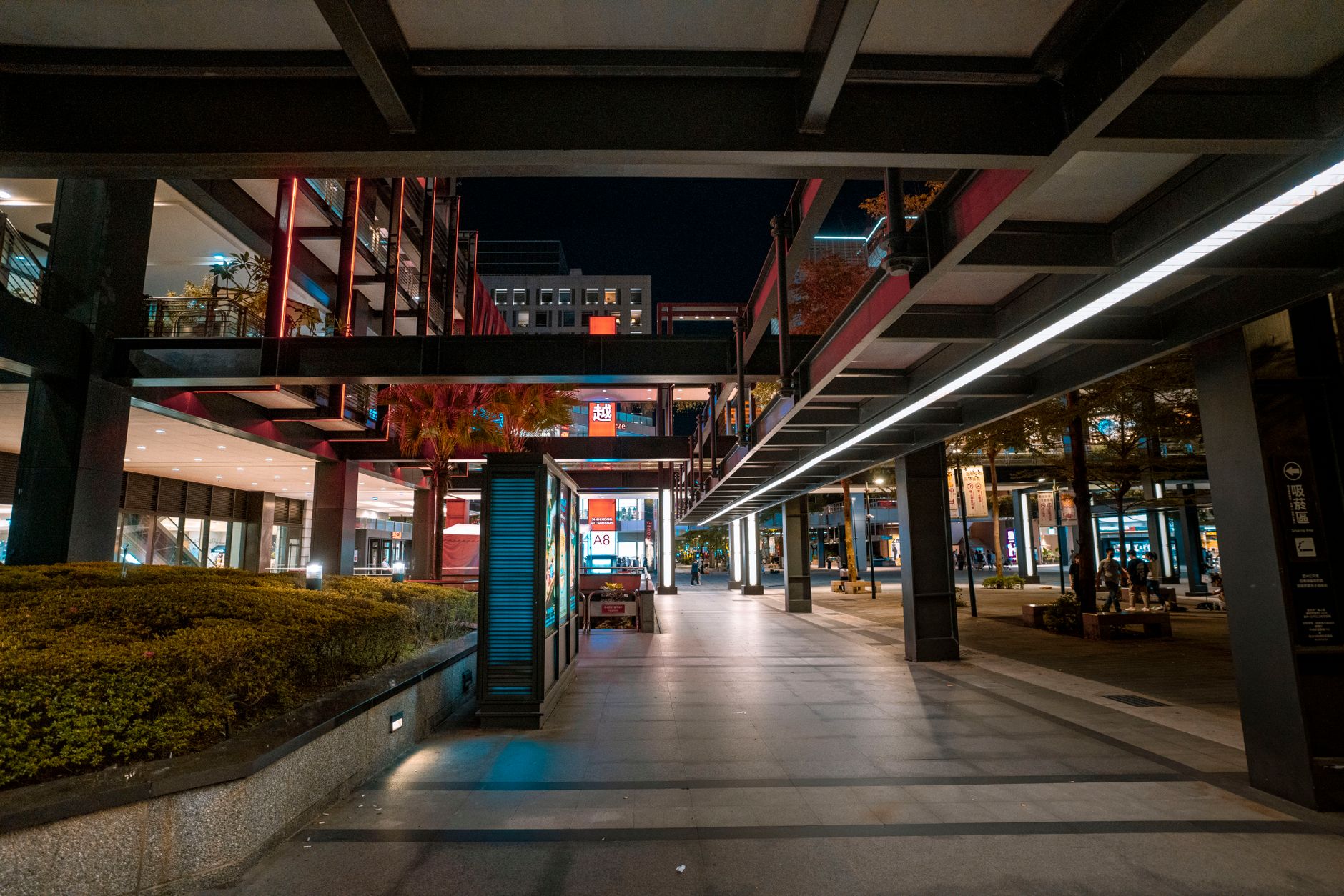
Open-air shopping centers and lifestyle malls present a difficult security challenge. By day, they are bustling community hubs. After hours, their sprawling layouts, multiple access points, and vast, empty parking lots become significant liabilities. Trespassing, vandalism, and theft are persistent threats that traditional security methods struggle to contain completely.
A human guard can only be in one place at a time, leaving large portions of a property unobserved for long stretches. This is where autonomous security robots provide a powerful new layer of protection. These machines offer a consistent, cost-effective after-hours presence, tirelessly patrolling large areas and detecting unauthorized individuals far more efficiently than human patrols alone.
What Are the Unique Security Gaps in Outdoor Retail?
Unlike enclosed malls, open-air centers are porous by design, creating distinct security vulnerabilities that criminals can exploit. Their primary security concerns have historically been property-related crimes like shoplifting and vandalism. These properties must contend with graffiti, loitering, illegal dumping, and vehicle break-ins, especially after closing time.
The key challenges stem from their physical nature. Expansive perimeters with numerous unofficial entry and exit points make access control difficult. Large, often poorly lit parking areas become hotspots for criminal activity. The sheer scale of these properties means that even a dedicated human patrol will have significant gaps in coverage, creating windows of opportunity for illicit acts.

How Do Autonomous Patrols Address These Gaps?
Autonomous security robots are designed specifically to overcome the limitations of static cameras and intermittent human patrols. They combine mobility, advanced sensors, and artificial intelligence to create a persistent and vigilant security presence across the entire property.
These robots navigate along pre-programmed routes, ensuring every corner of the shopping center is covered consistently. They are equipped with a suite of sensors, including high-definition 360-degree video, thermal imaging to detect body heat in complete darkness, and license plate recognition technology that can log hundreds of vehicles per minute.
When a robot detects an anomaly, like a person in a restricted area after hours, it sends an immediate alert to a remote monitoring station. This allows a human operator to view the robot's live video feed, use two-way audio to address the individual directly, and dispatch on-site security or law enforcement with precise, real-time information.
Can a Robot Really Outperform a Human Guard?

The most effective security strategies use robots not to replace human guards, but to augment them. Robots excel at the monotonous, repetitive tasks that often lead to human fatigue and distraction, especially on the night shift. An autonomous patrol robot executes its route with the same precision at 3 a.m. as it does at 9 p.m., without fail.
This creates a force multiplier. While the robot handles the dull, dirty, and potentially dangerous work of patrolling vast, dark areas, human guards can be stationed in a central command post, monitoring alerts from multiple robots. This elevates the human role from simple patrol to strategic oversight and rapid response, ensuring personnel are focused on high-value decision-making.
Furthermore, robots provide an unimpeachable digital record. Every patrol is documented with video and sensor data, providing invaluable evidence for investigations and liability claims. This level of consistent, detailed reporting is something human patrols simply cannot match.
What Does a Typical Robotic Patrol Operation Look Like?
The process is straightforward and effective. After business hours, the autonomous robot leaves its charging station and begins its programmed patrol route, navigating walkways, service corridors, and parking areas.
As it moves, it continuously scans the environment, streaming video and sensor data to a secure monitoring hub. Its on-board AI is trained to detect anomalies, such as the presence of people where there should be none, loitering vehicles, or even environmental hazards like leaks.
If an alert is triggered, a human operator immediately assesses the situation through the robot's own eyes and ears. They can issue a pre-recorded warning or speak directly through the robot's speakers. If the situation warrants it, they can dispatch the on-site human guard or contact local authorities with a verified, active incident location.
How Do You Integrate a Robotic Security Fleet?
Deploying an effective robotic security program is more complex than simply buying a machine. It requires careful planning, site-specific mapping, and integration with your existing security infrastructure. This is where a vendor-neutral robot integrator like Service Robot Co. becomes essential.
Our process begins with a comprehensive site assessment to analyze your property's unique layout, security hotspots, and operational needs. Because we are OEM-neutral, we are not locked into a single manufacturer. We select the best autonomous patrol robot for your specific terrain and environmental conditions from across the market.
Service Robot Co. manages the entire lifecycle of your robotic security force. We handle the initial deployment, including detailed mapping and route programming, and train your staff on how to work alongside their new robotic teammates. We provide the one point of contact for all your needs.
Understanding the Cost: RaaS vs. Capital Expenditure
Many property managers are deterred by the perceived high cost of robotics. However, the industry has largely moved to a Robot as a Service (RaaS) subscription model, which shifts the cost from a large, upfront capital expenditure to a predictable monthly operating expense.
This model makes advanced technology accessible without draining capital budgets. A typical RaaS agreement for a security robot can cost between $7 and $11 per hour, a significant reduction compared to the $25 to $45 per hour billing rate for a human guard. This can result in a 40-70% lower cost for the same number of coverage hours.
Service Robot Co. offers flexible robot rental and leasing programs tailored to your budget. These monthly payment programs include deployment, training, software updates, and, crucially, all maintenance and service, eliminating any surprise repair bills.
What Happens When a Security Robot Needs Service?
A security asset is only valuable when it is operational. This is a primary concern for any business considering robotic automation and a key differentiator in choosing a partner. Downtime is not an option when property and assets are at stake.
At Service Robot Co., we have built our reputation on service. Our RaaS programs are backed by a nationwide network of US-based engineers, ready for on-site dispatch. We conduct remote triage to diagnose issues immediately and have maintenance service plans designed to prevent problems before they start.
This one-vendor-for-the-whole-lifecycle approach means you have a single number to call. We manage the uptime of your fleet so you can focus on managing your property, ensuring your robotic patrols are always on duty.