Key takeaways
- Autonomous scrubbers fit shelters best after kennel washdown, not during it.
- The decisive variables are floor dryness, disinfectant dwell time, hair load, and barking noise, not brochure run time.
- Large robots usually fit back corridors and day rooms, while smaller units fit adoption wings, offices, and lobbies.
- Public hours change the playbook. Wet autonomous cleaning should usually happen before opening or after close.
- A vendor neutral robot integrator matters because shelter layouts, chemicals, and service needs are rarely standard.
Do robots actually fit the post-washdown reality of an animal shelter?
Yes, but in a narrower slice of the shelter than many operators expect. An autonomous scrubber can work well after kennel washdown in sealed back corridors, holding areas, exam-adjacent hallways, and adoption lobbies once the heavy soil is gone and the floor has moved from soaked to merely damp. A smaller floor robot can also make sense in quieter public zones and staff-only rooms with lighter mess loads.
The wrong assumption is that a robot should replace kennel washdown itself. Shelter sanitation still starts with removing feces, hair, urine, and other organic matter by hand, then applying disinfectant for the full dwell time, then drying the surface. According to ASPCApro, sanitation in shelters is cleaning first, disinfection second, and drying last. That sequence decides where a robot belongs.
So the practical answer is simple. Robots fit the reset after washdown, not the washdown line itself. If the shelter wants a machine that runs through hoses, standing water, loose bedding, and stop-start animal movement inside active kennel rows, it is chasing the wrong use case.
Why is shelter floor care tougher than store or office floor care?
Shelters are not generic commercial buildings with a few spills. The ASPCA reports that 5.8 million dogs and cats entered U.S. shelters and rescues in 2025, and 4.2 million were adopted, while many dogs are still staying longer than they did five years ago. Longer stays mean more repeated cleaning cycles, more paw traffic, and more chances for disease spread and odor buildup.
That load changes the cleaning math. ASPCApro recommends allocating at least 9 minutes per animal per day for routine enclosure cleaning, with more time needed depending on the facility and the disinfectant contact time. In other words, shelter sanitation is labor-intensive before any robot ever starts a route.
It is also a public-facing environment. ASPCApro notes that sanitation protects animal and human health and helps create a welcoming environment that encourages the public to visit and adopt. That means a shelter has to think about infection control, staff safety, animal stress, and visitor perception at the same time.
What has to happen before a robot should touch the floor?
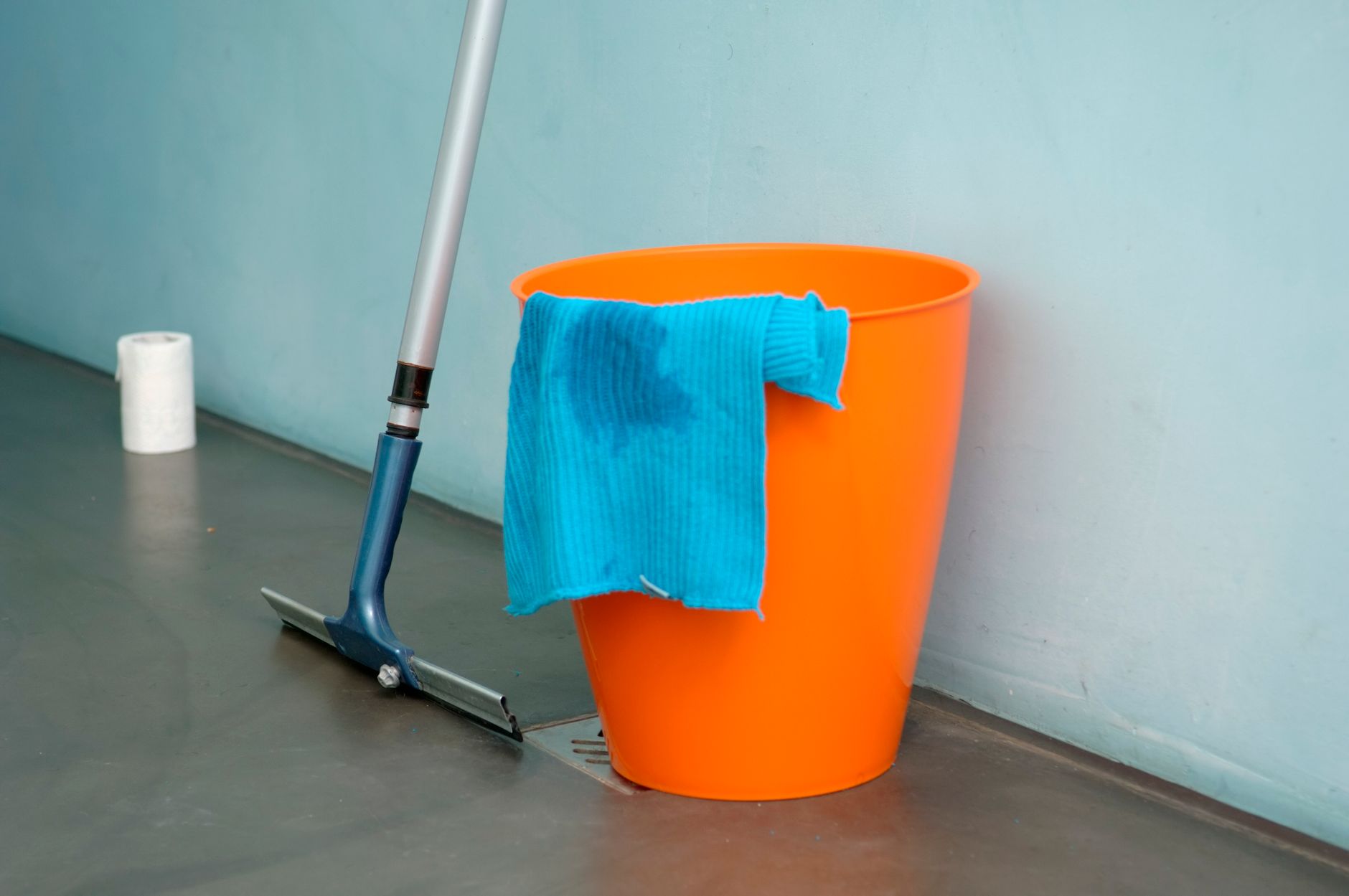
The floor needs to be through the dirty work first. Organic matter has to be removed, drains cleared, hoses put away, and the disinfectant given its labeled contact time. ASPCApro gives a concrete example used in shelter practice: one common accelerated hydrogen peroxide product can be used at 1:32 for a 10 minute contact time or 1:16 for a 5 minute contact time, depending on the target pathogen and protocol.
This is not a minor detail. Shelter Medicine at UW Madison notes that bleach-family products are inactivated by organic material, which is one reason pre-cleaning matters so much in shelters. A robot sent out too early can dilute disinfectant, smear contamination, or simply spend its battery pushing dirty water around.
The handoff point is usually after crews have scrubbed visible waste, rinsed, applied disinfectant, waited out dwell time, and knocked down the biggest puddles with a squeegee. At that stage, an autonomous floor scrubber rental or commercial cleaning robot rental program can take over repetitive square footage and leave staff to focus on kennel-by-kennel judgment calls.
Which type of robot fits which shelter zone?
Larger autonomous scrubbers generally belong on predictable hard-floor loops with room to turn and recover. Think main back corridors, intake circulation paths, treatment-side hallways, community rooms, and adoption lobbies after close. These are the areas where large facility coverage matters more than tight obstacle handling.
Smaller robots are usually the better fit for tighter, calmer zones. Cat adoption rooms, admin suites, meet-and-greet rooms, vestibules, laundry approaches, and retail corners often reward a lighter machine with a smaller turning radius and less visual disruption. For many shelters, the smaller unit is the safer first pilot because it can work around furniture and public traffic with less drama.
Active dog kennel runs are the hardest case. Hair clumps, wet paw prints, bowls, leashes, shifting animals, and repeated spot cleaning break route consistency. In those lanes, the best answer is often manual sanitation first, then a robot on the exit corridors and adjacent hard-floor zones rather than inside the kennel row itself.
- Best fit for larger scrubbers: sealed corridors, day rooms, intake halls, adoption lobbies after hours
- Best fit for smaller robots: offices, quieter adoption wings, cat rooms, vestibules, staff support spaces
- Poor fit for either: active kennel rows during hose-down, heavy standing water, loose bedding, and constant animal movement
How much do noise and barking change the deployment plan?
They change it a lot. A recent veterinary-sector scoping review summarized shelter findings showing sound in large-dog areas at more than 100 dB for 30 percent to 38 percent of the time, with peak levels above 118.9 dB(A). That matters for animal welfare and for staff.
OSHA requires a hearing conservation program when employee noise exposure reaches an 8 hour average of 85 dBA. In a shelter, the building may already be loud before any machine joins the scene. Adding robot motor noise during peak barking windows can worsen staff fatigue and make already-aroused dogs harder to settle.
This is why daytime robot use in kennel-heavy zones is often a weak idea even if the machine can physically navigate them. The cleaner operating pattern is to run robots after the loudest care periods, before adoption traffic begins, or in public wings separated from the noisiest dog housing. Inference from the cited shelter and OSHA data: low-noise operation is not a nice extra here. It is part of fit.
What about wet paw traffic, slip risk, and adoption hours?
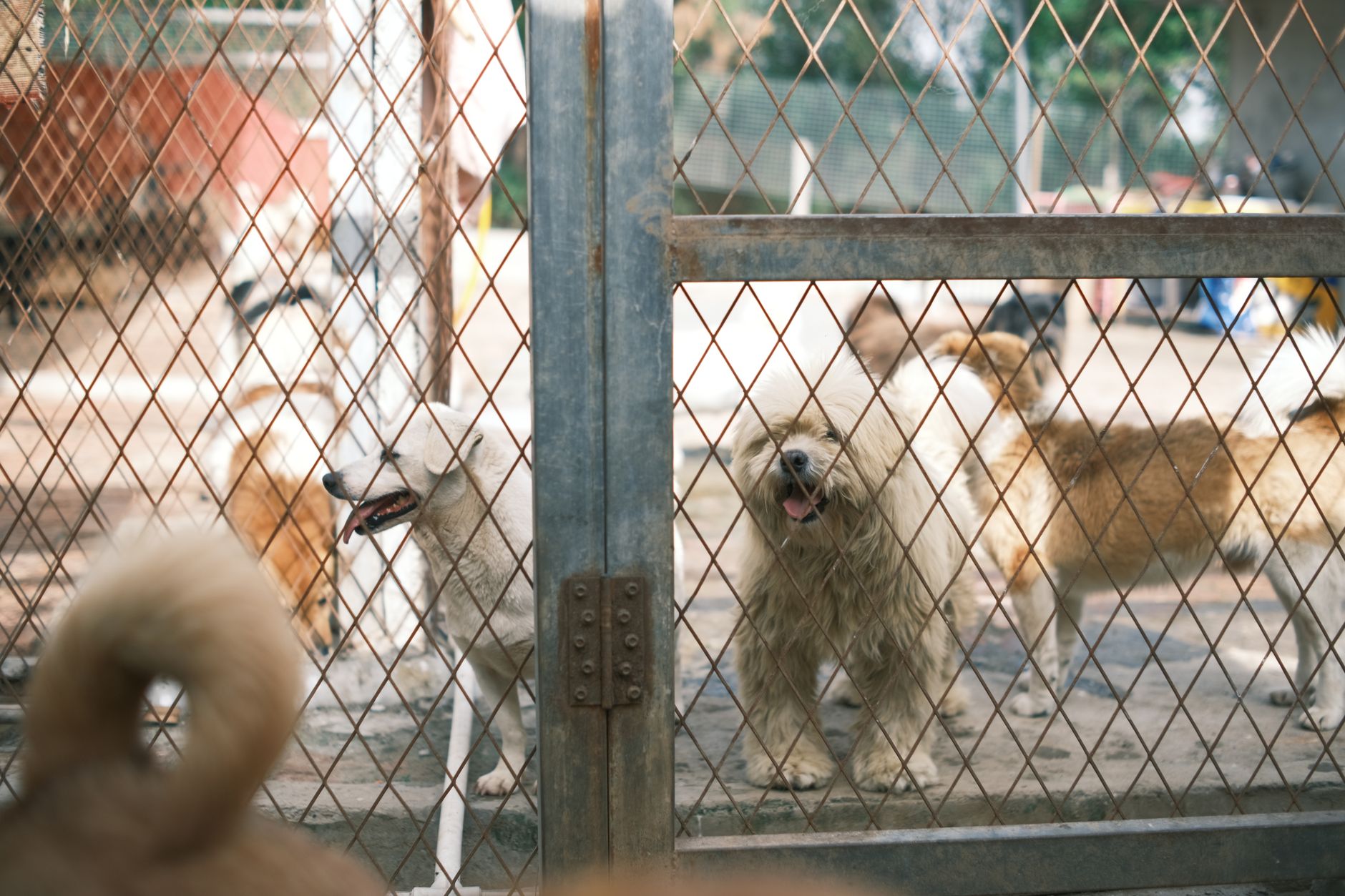
Wet paw traffic is exactly where sloppy automation backfires. OSHA says wet floors, spills, and clutter can lead to slips, trips, and falls, and its guidance calls for floors to be kept clean and dry. In a shelter, that means a robot cannot be judged only on cleaning width or autonomous runtime. It has to leave a floor that is safe for handlers moving animals, volunteers carrying supplies, and adopters walking unpredictable routes.
Public hours make that even stricter. If adopters are moving dogs in and out of meet rooms, children are cutting across the lobby, and volunteers are opening gates, a wet-cleaning route can create friction fast. In most shelters, the smarter pattern is overnight cleaning with no operator in public areas, or a very narrow early-morning route before doors open.
This is one reason some shelters end up favoring a commercial robot mop or smaller smart floor cleaner for front-of-house touchups and reserving the industrial floor scrubber for after-hours recovery. The stop-start reality of adoption traffic punishes oversized automation in the wrong window.
How do disinfectants, hair, and floor surfaces affect robot choice?
Shelter chemistry is unforgiving. ASPCApro warns against mixing disinfectants, notes that some products are toxic to animals, and stresses proper dilution and full contact time. Shelter Medicine at UW Madison also notes that some disinfectants hold up better than bleach in the presence of organic matter and on harder shelter pathogens. That means robot hardware has to tolerate the actual products the shelter uses, not the products a sales sheet assumes.
Hair is the other hidden issue. Dry fur can be managed, but wet fur and bedding fragments build ropes around squeegees, brush decks, and recovery paths. A shelter with heavy shedding and frequent washdown usually needs a defined pre-pass for debris removal before a scrubber route begins.
Floor construction matters too. Sealed concrete, epoxy, and other nonporous hard floors are friendlier to robotic floor care than damaged coatings or rough porous patches. UW Madison specifically notes that bleach-family products are fine on stainless steel or sealed floors, but weaker choices for porous or unsealed surfaces. If the kennel row floor is worn out, the problem is partly architectural, not robotic.
Where does Service Robot Co. fit if a shelter wants to test this seriously?
Shelters rarely need one catalog answer. They need a robot that fits their floor, sanitation protocol, staffing window, and adoption schedule. That is where Service Robot Co. earns its keep as a vendor neutral robot integrator for U.S. businesses. The company can compare machines across manufacturers, then finance, deploy, integrate, train, and service the fleet through a nationwide U.S. engineer network.
For a shelter operator, that matters because the buying decision is not just unit selection. It is site assessment mapping, route design around kennel washdown, staff training, remote triage, on-site dispatch, and a maintenance included support model that keeps the floor-care program from becoming another burden on a thin team.
It also gives shelters acquisition flexibility. A commercial cleaning robot rental, floor scrubber monthly lease, autonomous floor scrubber rental, or robot as a service structure can make more sense than a straight purchase when the shelter wants a pilot first, needs no upfront capital, or wants one partner and one number for the whole lifecycle.
What does a realistic pilot look like?
A good pilot is deliberately small. Start with one route family that repeats daily and has clear boundaries, such as the adoption lobby plus one sealed back corridor, or the intake hallway plus adjacent treatment-side circulation. Track completion rate, floor dryness, rework minutes, staff interruption rate, and noise complaints for two to four weeks.
Do not grade success by autonomy alone. Grade it by whether the machine reliably takes repetitive square footage off the team after washdown, without adding infection-control risk or public friction. If kennel staff still have to rescue the route three times a night, the map is wrong, the zone is wrong, or the robot class is wrong.
For most shelters, the winning sequence is phased deployment with no shutdown. Pilot the cleanest repeatable zone first, tune the timing around disinfectant dwell and adoption hours, and only then decide if broader robot leasing for business makes sense. That is a much better path than forcing a robot into the messiest lane on day one.
Frequently asked questions
Sources
- ASPCApro Sanitation for Disease Prevention in Animal Shelters
- ASPCApro 5 Quick Shelter Sanitation Tips
- ASPCApro Give Foot Baths The Boot
- UW Shelter Medicine Disinfection Guide
- ASPCA U.S. Animal Shelter Statistics
- OSHA Slips Trips Falls Guidance
- OSHA Occupational Noise Exposure Standard
- PMC Scoping Review on Noise in the Veterinary Sector