Key takeaways
- SFRM special inspections require documented thickness sampling before concealment.
- Mobile robots excel at repeatable photo routes, not at replacing pin gauge tests.
- Tag every capture to grid, member ID, and inspection bay for audit trails.
- Plan routes around active spray crews and MEP rough-in timing.
Why use robots to document sprayed fireproofing?
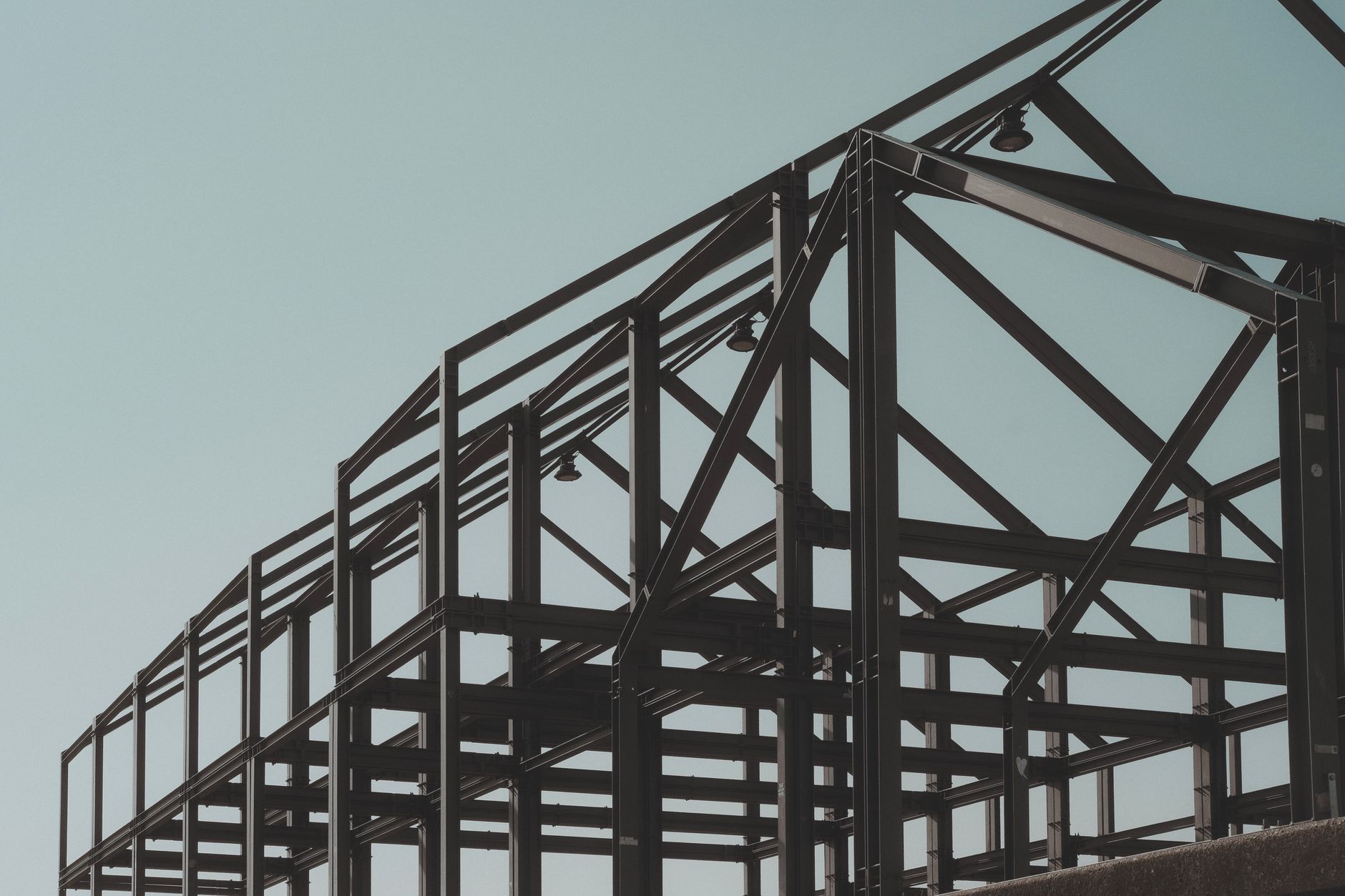
Sprayed fire-resistive material, often called SFRM, insulates steel so structural members meet the fire-resistance design on the drawings. General building codes require special inspections and tests during construction, with another visual pass after rough MEP and ceiling suspension work and before concealment. That sequence leaves a narrow window to prove coverage while decks are still open.
Mobile documentation robots help teams capture the same viewpoints on every walk: wide shots of bays, close-ups of beam webs, column wraps, and deck undersides. The robot does not replace the inspector's thickness gauge. It reduces the argument later about whether an area was photographed before ducts hid a column.
On large steel projects, manual photo folders sprawl across trades and shifts. A grounded robot route gives the fireproofing subcontractor, the special inspector, and the GC one indexed visual record tied to location.
What does code require before you hide SFRM?
Model code provisions referenced through UpCodes require SFRM thickness testing under ASTM E605, with sampling rules for assemblies and structural members. For members, thickness testing applies to not less than 25 percent of structural members on each floor. Assembly areas use multiple measurements per thousand square feet of sprayed area.
Acceptance rules cap how many readings may fall below design thickness, with tighter tolerances on thin applications. Failed areas get correction and retest. Your documentation robot should mirror those bays and member types so visual records align with gauge locations.
SFPE guidance on field testing reminds teams that thickness is measured with a calibrated pin gauge, and that deficient members trigger correction plus additional random retests nearby. Robots support that workflow by showing surface condition before and after repair.
How should you plan coverage on a multi-story steel job?
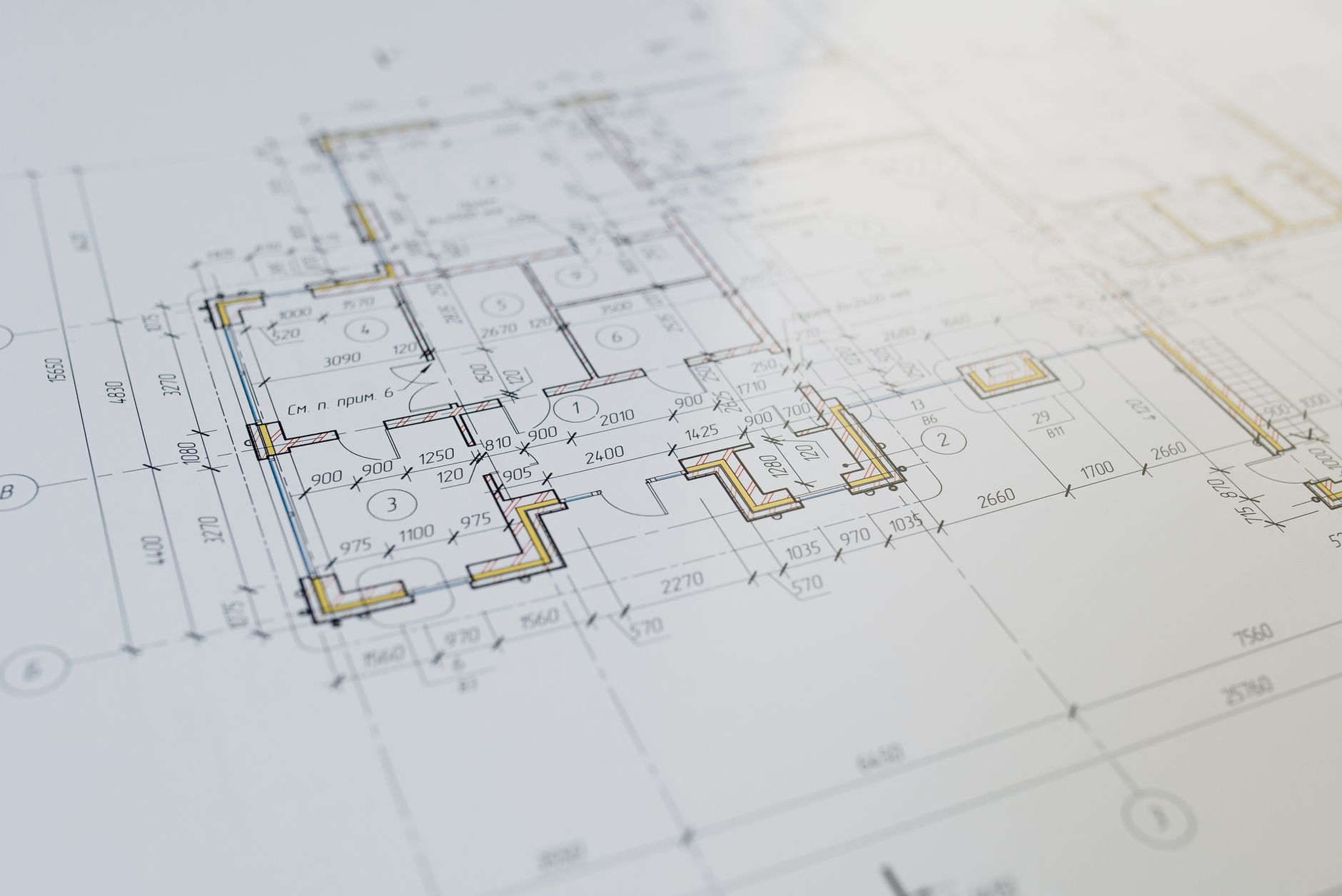
Start from the approved fire-resistance design and the inspector's sampling plan, not from random wander routes. Map each robot pass to floor plate grids, core sides, and exterior braced frames that carry the heaviest SFRM schedules.
ASTM E605 field practice often scales random bays by floor area, commonly one bay per floor or one bay per ten thousand square feet, whichever is greater, for members under test. Your photography plan should hit every bay selected for gauge work the same day, while lighting is still even.
Stagger routes around active spray operations. SFRM generates overspray and access restrictions. Run documentation passes after cure windows the manufacturer specifies, but before trade stacking closes sight lines.

What location tagging makes audits defensible?
Every image or clip needs a member or area ID, floor level, grid intersection, and timestamp. QR tags on columns, BIM-derived markers, or survey points all work if everyone agrees on the dictionary before spray starts.
Repeatable robot docking at the same bay entrance keeps before-and-after sets aligned when a thickness failure forces rework. Compare week-one and week-two passes pixel-aligned, not guessed from memory.
Export packages should land where special inspection reports already live. If your inspector follows ASTM E3431-style reporting for installed SFRM, visual supplements should reference the same assembly names.
Can robots measure thickness?
Pin gauges and approved test methods still own thickness and density numbers. Some projects experiment with structured light or ultrasonics, but code acceptance paths today center on ASTM E605 procedures and trained personnel.
Robots add context: edge build-up, voids, overspray shadows, and missed returns that gauges might miss on a spot check. Pair gauge logs with robot imagery so a low reading has a photo that shows a skip behind a clip.
Do not claim robotic thickness unless an AHJ accepts your method. Use robots to make human measurements faster to interpret and harder to dispute.
How do you coordinate with special inspectors and trades?
Invite the special inspector to define must-have angles before the first pass. They know which connections and deck penetrations trigger questions after ceilings close.
MEP rough-in changes the visual story. Schedule a second robot round after sprinklers and cable tray are hung but before wire fill, matching code language about inspections after rough systems and before concealment.
Share read-only links with the fireproofing foreman so touch-up crews see exactly which web was flagged. Fewer phone photos floating in group chats means fewer rework debates.
What does a pilot look like on one floor?
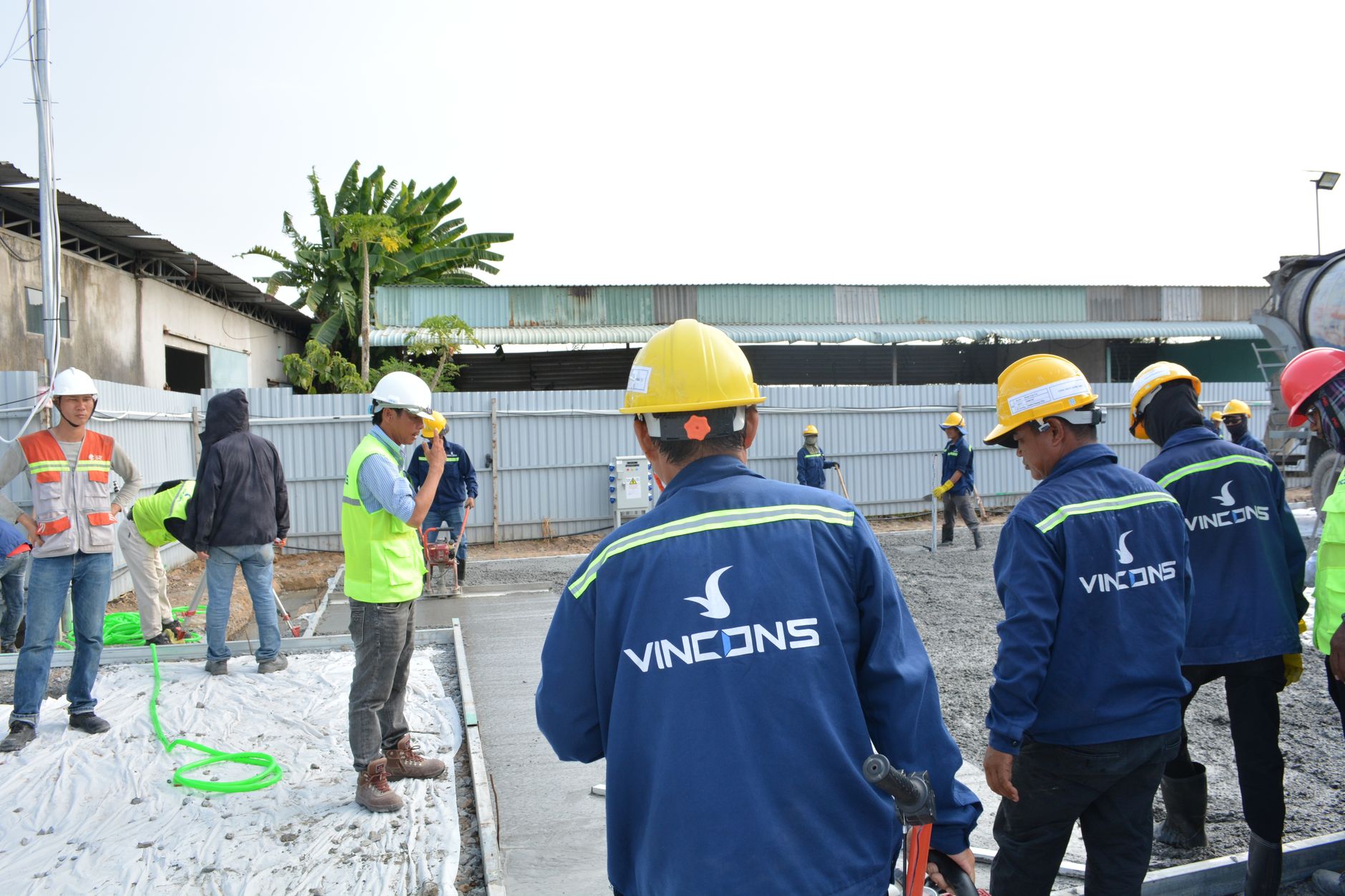
Pick one typical bay and one complex bay with heavy MEP conflict. Run manual photos for a week, then run the robot route for a week. Compare time on site, missing viewpoints, and how fast the inspector finds a shot during a thickness dispute.
Track whether documentation reduced revisit hours for the fireproofing sub. Even a few avoided night shifts to open ceiling tile pays for a monthly robot lease on a tower job.
Service Robot Co. can scope a vendor-neutral mobile platform, rental or lease terms, and integration with your photo storage or BIM 360-style workflows, plus nationwide service when a drive unit fails mid-pour week.
What should you ask before you deploy?
Ask about dust sealing, battery swap time, and stair carry weight if you move floor to floor without a hoist. Ask how the system behaves on slick overspray and on grating with openings.
Ask who owns the route file when the steel detailer issues a revision. Ask whether offline capture works when cellular coverage is poor in basement levels.
Ask for sample deliverables tied to a real bay on your project, not a trade-show mockup. Documentation robots earn trust when inspectors recognize their own members in the export.