Key takeaways
- Robots fit greenhouse work best in repeatable aisle scouting and internal cart moves, not as a warehouse copy pasted under glass.
- Humidity, wet floors, benches, and seasonal layout changes decide robot fit more than raw square footage does.
- Scouting robots help by collecting the same route data every pass, while people still diagnose crop issues and handle exceptions.
- Internal transport automation pays off where crews spend too much time walking flats, inputs, and harvested product up and down long aisles.
- A pilot should divide the site into zones and prove route discipline before anyone expands to a larger fleet.
Can robots really help in greenhouse aisles?
Yes, but the useful jobs are narrower than many growers expect. In a greenhouse, robots are strongest where the work is repetitive, the route is stable, and the value comes from reducing low value walking. That usually means scheduled aisle scouting, cart pulling, and routine internal moves of trays, inputs, or harvested product between propagation, grow zones, headhouse, and packing.
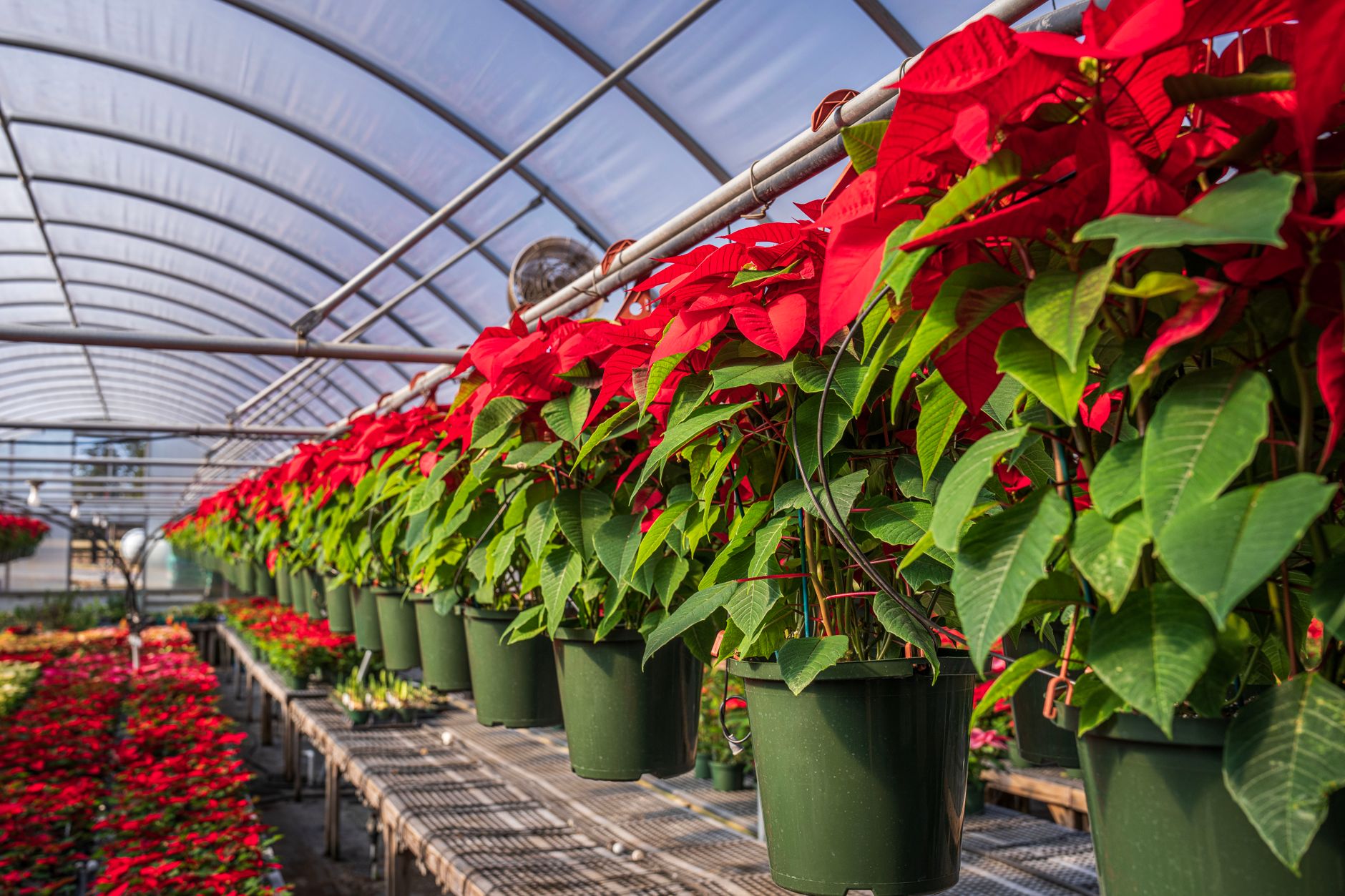
The wrong comparison is a warehouse. Greenhouses are wetter, tighter, more seasonal, and more biologically sensitive. Benches shift. Hoses wander. Crops grow into the aisle. Ventilation, misting, and irrigation change traction and visibility. A robot program that respects those facts can help. One that assumes warehouse conditions usually turns into exception handling.
The labor backdrop is real. USDA said on February 26, 2026 that U.S. horticulture operations recorded $18.3 billion in 2024 sales across 23,060 operations, and labor was the largest cost at 36 percent of total industry expenses. That is why greenhouse operators keep revisiting any task that burns hours without adding crop judgment.
- Best early fits: repeat scouting routes, cart towing on defined corridors, propagation to grow-area moves, grow-area to packing moves, and input replenishment runs.
- Weak fits: messy cleanup, crop-touching work, irregular one-off harvest decisions, and routes that change every day with rolling benches or temporary racks.
Why do greenhouse layouts create a different robotics problem?
A greenhouse punishes wasted motion. Long narrow aisles multiply footsteps, and the shortest path for a person is often a bad path for a cart or robot. A long aisle may look simple until you add hose loops, bench legs, turning pockets, and staging carts parked exactly where traffic narrows.
That layout issue is old news to growers. UMass Amherst notes that carts can cut labor needs by letting one person move 40 to 60 flats at once, and it recommends tandem pulling when the distance from work area to greenhouse is greater than 200 feet. The same publication also stresses door clearance, wheel size, and paved center walkways. Those are not minor details. They are the geometry an autonomous cart mover lives or dies on.
Greenhouse benching makes the point even sharper. A technical note from a greenhouse benching supplier explains that fixed longitudinal benches force workers to travel long distances before they can exit an aisle, while a wide center aisle and shorter side aisles improve transport efficiency. In other words, the aisle plan is already a labor system. Robotics just exposes that fact sooner.
What should a scouting robot actually do?
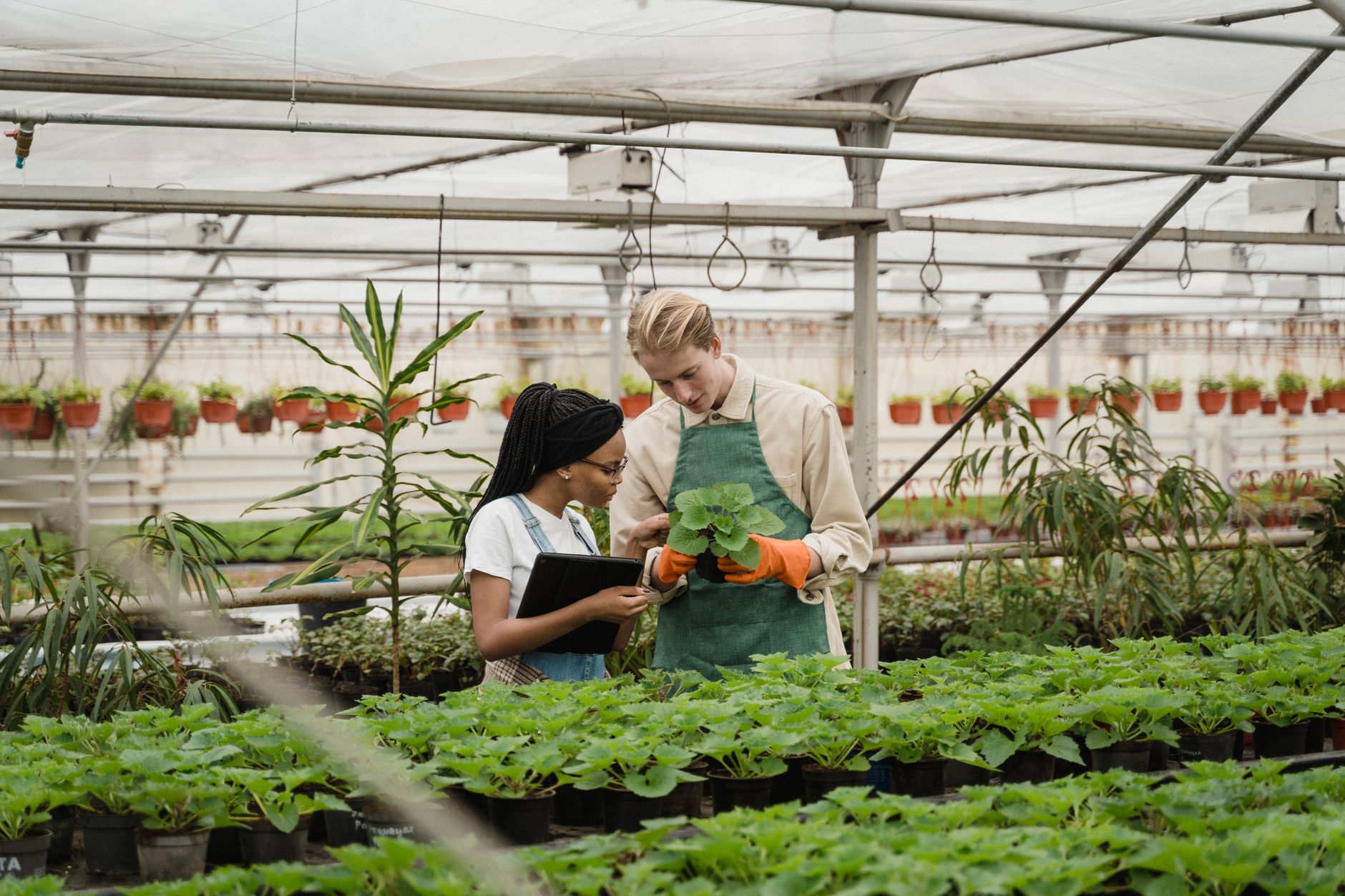
A good greenhouse scouting robot is not there to replace a crop scout. It is there to make routine observation more frequent, more consistent, and less dependent on who had time that morning. The robot runs the same route, at the same speed, with the same camera height and sensor package, so changes are easier to spot over time.
That matters because formal scouting is supposed to be disciplined. Oklahoma State Extension recommends weekly, and preferably twice weekly, scouting in commercial greenhouses. It also advises scouts to walk every aisle in a repeatable snake-like pattern and spend at least 10 minutes inspecting 20 or more plants per 1,000 square feet of production area. A robot can carry part of that burden by capturing route images, climate readings, and exception flags on a fixed schedule.
The robot should be treated as a data collector and route runner. People still interpret the crop. Staff still decide whether a yellowing row reflects nutrition, irrigation, disease pressure, root trouble, or a localized pest flare. The gain is that the machine removes a chunk of repetitive route time, so the human scout can spend more time on diagnosis instead of walking.
- Useful scouting payloads: route photos, thermal images where justified, relative humidity and temperature logging, aisle obstruction alerts, and timestamps tied to zone maps.
- Human-only calls: disease diagnosis, biocontrol decisions, crop-touch inspections, irrigation corrections, and triage of anything the robot flags as abnormal.
Why do humidity and sanitation matter so much?
Because greenhouse robots do not move through a dry, inert box. They move through a living environment where moisture changes everything. UF IFAS notes that protected structures can increase humidity enough to encourage diseases such as Botrytis and powdery mildew if ventilation is not managed correctly. The University of Alaska Fairbanks Cooperative Extension likewise warns that excess humidity condenses on leaf surfaces and greenhouse structures, reducing light transmission and increasing disease pressure.
That has two implications for robotics. First, a scouting route should pay attention to wet pockets, drip zones, fan shadows, and areas with chronically slow drying. Second, transport robots need operating rules around hose storage, floor drainage, and post-irrigation timing. A machine that travels through standing water and plant debris is not just a mobility risk. It can also become a sanitation problem.
Penn State Extension adds another practical layer. Its 2025 greenhouse disease-risk checklist asks whether vents and heating systems maintain low humidity and good air circulation, whether hose ends stay off the ground, and whether workers handle healthy plants before suspect areas. Those questions also belong in a robotics pilot, because the robot will either reinforce a clean workflow or keep tracing the same contaminated path through the house.

Where do cart-pulling and internal moves make the most sense?
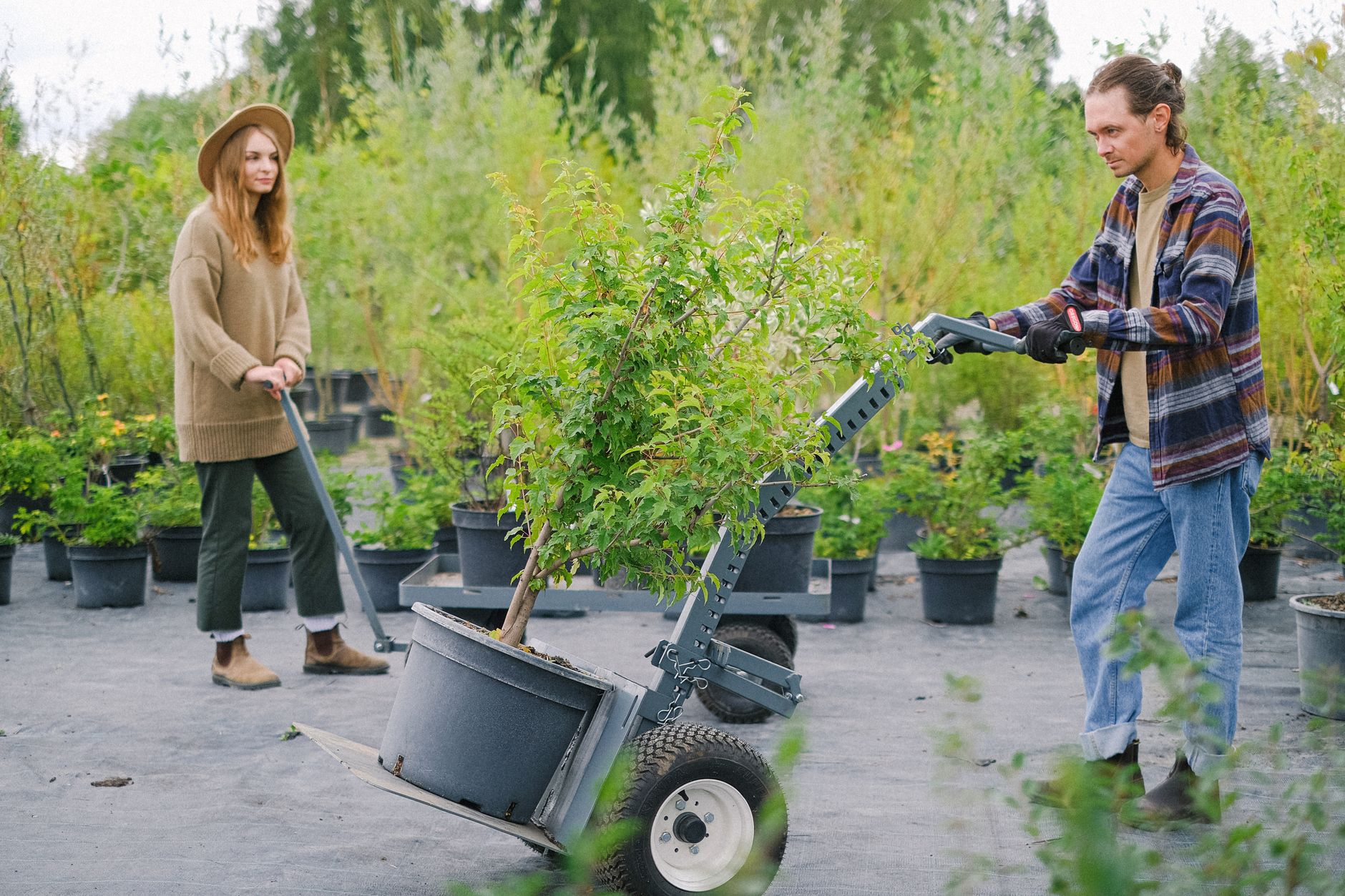
Internal transport is often the cleanest greenhouse automation case because the pain is so obvious. Crews walk inputs to the bay, pull finished product out, shuttle harvested crop to packing, and keep doing it through the busiest weeks of the season. None of that work is glamorous, and much of it does not require crop judgment. It requires dependable movement through narrow space.
UMass Amherst is blunt about the labor mechanics. One person pushing a properly sized cart can move 40 to 60 flats, and longer distances justify pulling multiple units in tandem. That tells you exactly where an autonomous mobile robot rental or cart pulling robot earns its place. If your team keeps spending hours towing the same route between propagation, headhouse, and shipping, repetitive transport automation has a real job to do.
The fit is strongest when three conditions hold. The route is repeated many times per day. The turning geometry is stable. The handoff points are disciplined. If carts are staged differently every shift, or if seasonal product blocks the same corner every other day, the robot will spend too much time waiting for people to rescue a process problem.
- Good transport candidates: liner movement, empty tray returns, substrate or input replenishment on defined routes, harvested product moves to packing, and repeated cart loops between adjacent houses.
- Bad transport candidates: ad hoc one-cart errands, muddy outdoor cut-throughs, routes that require constant bench reconfiguration, and traffic through active transplanting knots during peak rush periods.
How do labor numbers change the case?
Greenhouse labor is expensive enough, and specialized enough, that low-value walking stands out. USDA Economic Research Service says wages and salaries plus contract labor costs represented 42 percent of production expenses for greenhouse and nursery operations in the 2022 Census of Agriculture, versus 12 percent for all farms. ERS also reports that farmworkers in the crop, nursery, and greenhouse category averaged $18.24 per hour in 2024.
Those figures do not mean a robot replaces a person one for one. That is sloppy math. They do mean greenhouse operators should isolate the hours spent on movement, scouting laps, and cart handling that do not use skilled crop judgment. If a grower can take one or two hours of walking out of several people on every shift during peak season, the savings show up as capacity, not just labor subtraction.
This is also why robot as a service, robot leasing for business, and monthly payment programs tend to make more sense than a one-shot technology buy for many growers. The question is not whether a machine is novel. The question is whether it reliably covers the repetitive movement nobody can keep staffed cleanly in spring and summer.
What makes a greenhouse pilot work?
A greenhouse pilot should start with zone discipline, not hardware excitement. Split the facility into route classes: scouting aisles, transport corridors, crossover zones, washdown zones, and no-go areas. Then test one narrow workflow at a time. For example: a morning scouting loop through two houses, or a propagation-to-headhouse cart run with fixed pickup and drop points.
The pilot should also respect agronomy. Oklahoma State advises scouts to start from major doorways, cover all areas, and keep the pattern consistent. Penn State reminds growers to consider humidity, air circulation, and handling order to reduce disease spread. Those same ideas belong in a robot pilot. Map the route. Lock the schedule. Track exceptions. Learn which zones become unstable after watering, harvest, or bench changes.
Success is not a flashy all-house demo. Success is a sober answer to four questions. Which routes are stable enough for automation now. Which routes need small facility fixes first. Which tasks still belong with people. And how often the robot truly removed low-value walking instead of creating a new babysitting job.
- Pilot metrics that matter: completed runs, manual interventions per shift, minutes of walking removed, missed pickups, blocked-route frequency, and sanitation exceptions after irrigation or harvest.
- Facility fixes that often unlock the pilot: clearer center aisles, cart parking discipline, hose management, better threshold transitions, and defined loading pockets.
Where Service Robot Co. fits in this kind of rollout
Greenhouse operators rarely need a single robot pushed into every job. They need the right mix for scouting, cart moves, and support workflows, plus a practical operating model that survives peak season. Service Robot Co. fits that need as a full-service commercial robot integrator for U.S. businesses. The company is OEM-neutral, so the process starts with the greenhouse layout, route density, humidity realities, and staffing pressure rather than with one manufacturer catalog.
That matters in this niche because a greenhouse program is more than a unit on the floor. It needs site assessment mapping, deployment and integration, training for growers and supervisors, service coverage, and financing options that fit seasonal operations. One vendor for the lifecycle is especially useful when the site wants autonomous mobile robot rental, commercial robot rental monthly, or lease rental or sale options without stitching together separate support chains.
For a grower, the real value is not hype. It is one partner that can evaluate the route, pick the right robot that fits your floor, deploy it, train the team, and keep it running through a nationwide U.S. engineer network.
The practical fit test
Robots belong in greenhouse aisles when the operator treats them as workflow equipment, not magic. The sweet spot is repetitive route work in houses where aisle discipline, floor condition, and handoff points are good enough to support repeatability. That usually means scouting loops and cart moves first.
They do not belong everywhere. If the route changes with every crop turn, if humidity leaves floors unpredictably wet, if sanitation practices are loose, or if carts and hoses live wherever the last person left them, the greenhouse is not robot-ready yet. Fix the process before you blame the machine.
The best greenhouse automation programs are modest at first. They remove walking, improve scouting consistency, and make internal transport less fragile during labor peaks. That is enough. In this environment, sober wins beat grand promises.
Frequently asked questions
Sources
- USDA NASS 2026 horticulture sales release
- USDA NASS 2024 Census of Horticultural Specialties
- USDA ERS farm labor overview
- UMass Amherst mechanization and labor saving for small growers
- Oklahoma State scouting and monitoring for pests in commercial greenhouses
- UF IFAS protected structures basic principles and scouting
- Penn State assessing the risk of disease in greenhouses
- UAF Cooperative Extension controlling greenhouse environment