Key takeaways
- For many hotels, the best first robot job is not guest delivery. It is repeated linen, terry, and supply transport in service corridors.
- The labor case is simple: hallway miles do not clean rooms, yet hotels still face staffing shortages and housekeeping remains hard to hire for.
- The right workflow starts with fixed routes, predictable handoff points, and clean separation between clean and soiled loads.
- A hotel-ready deployment depends on elevators, door clearances, cart interfaces, and dispatch rules more than flashy front-of-house features.
- An OEM-neutral integrator matters because the robot, software, financing, training, and field service have to work as one operating system.
What should a hotel automate first when housekeeping teams are stretched?
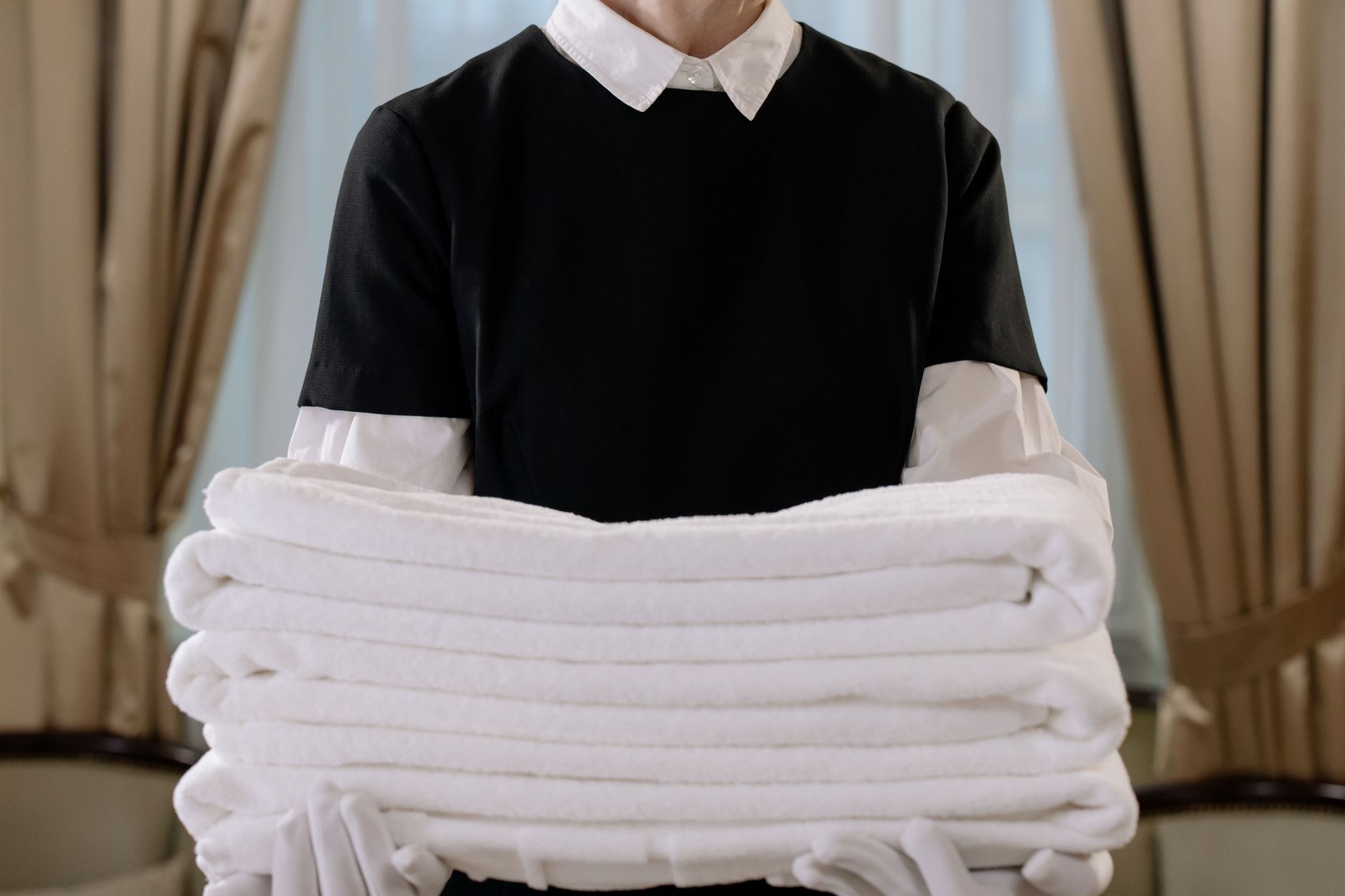
For many hotels, the best first automation target is the back-of-house laundry cart loop. Not room service. Not lobby novelty. The harder, more valuable job is moving clean linen, terry, and housekeeping supplies from laundry and storage to room towers, then pulling soiled loads back through service corridors and elevators on a repeatable schedule.
That workflow consumes labor without improving the room attendant's core output. Staff spend time waiting on elevators, steering heavy carts through cross-corridors, and making replenishment runs that do not turn a room any faster. A robot can take over those repetitive transport miles so attendants, housepersons, and laundry staff stay closer to the workstations where quality and turnaround actually live.
This is also a better first use case because the route is structured. Hotels already know the source points, destination closets, service elevators, quiet-hour rules, and shift peaks. When a task repeats on the same path all day, and often all night, it is a cleaner fit for automation than guest-facing interactions that vary from minute to minute.
Why is this corridor work such a pain point now?
The staffing backdrop is still real. In February 2025, the American Hotel and Lodging Association reported that 65 percent of surveyed hotels were experiencing staffing shortages, and that hotel employment remained nearly 10 percent below pre-pandemic levels. A year earlier, AHLA reported that 48 percent of hotels ranked housekeeping as their top hiring need. That tells you where the pressure lands first: room readiness depends on a department that is still hard to fully staff.
The wage math matters too, but not because labor is expensive in the abstract. According to the U.S. Bureau of Labor Statistics, maids and housekeeping cleaners in accommodation had a 2025 median wage of 16.78 dollars per hour. That is paid time, and it should be spent cleaning rooms, stocking carts, checking quality, and closing defects. It is weakly used when the same people are walking linen up and down towers for hours.
The physical load is not trivial. The BLS Occupational Requirements Survey says maids and housekeeping cleaners spent 95.2 percent of the workday standing in 2025, and 36.1 percent had to climb ramps or stairs. OSHA adds that excessive reaching and pushing during laundry transport can cause strains and sprains to the back and shoulders. In other words, the laundry cart loop is not just inefficient. It is one of the places where fatigue accumulates.
Which hotel tasks fit a transport robot best?
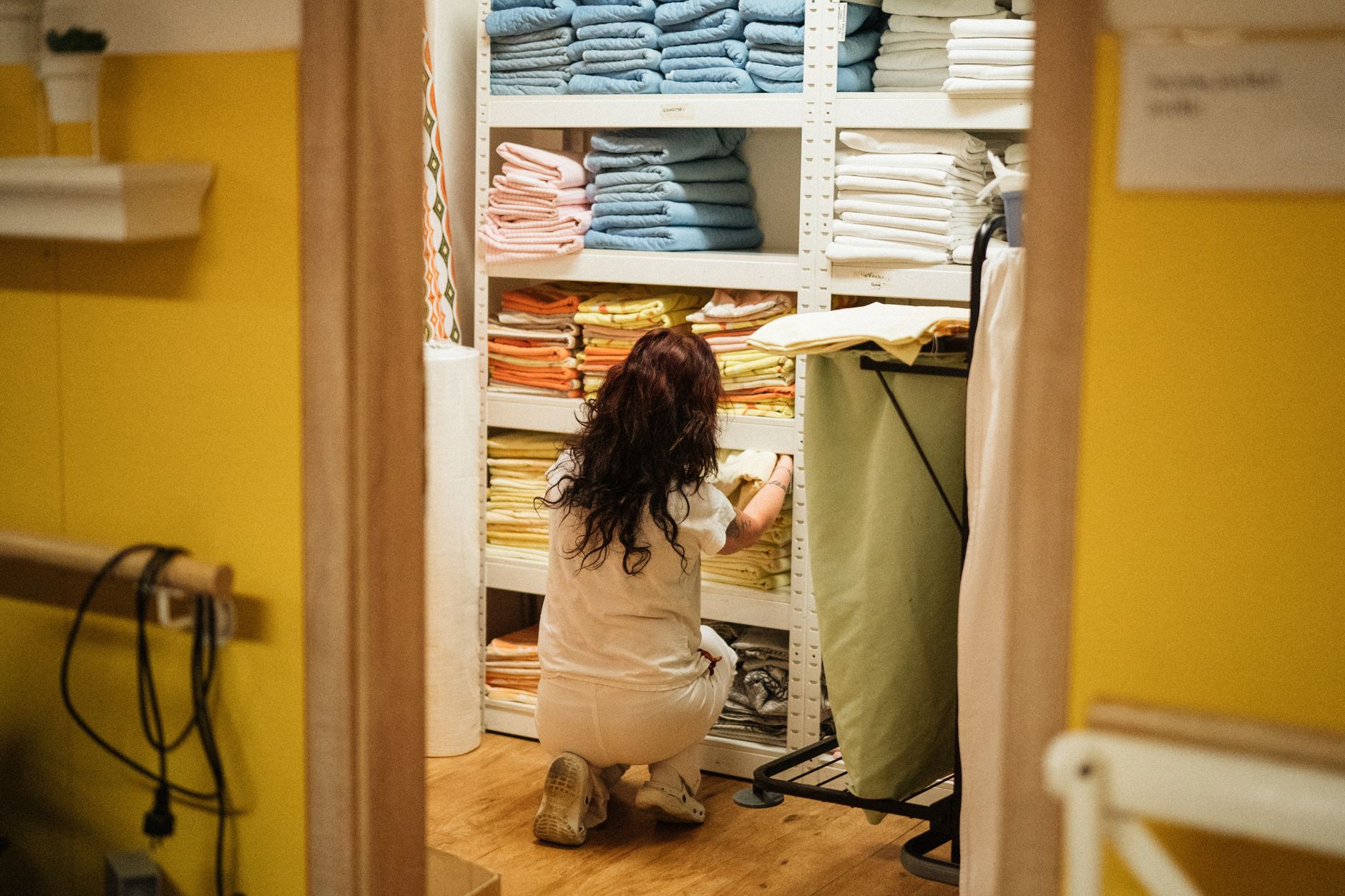
The strongest fit is a narrow set of high-frequency moves with predictable handoffs. Think clean sheets from laundry to par-level storage, terry replenishment to floor closets, amenity restocks to housekeeping hubs, and soiled linen returns from tower staging points back to laundry. These are not glamorous tasks, but they are the ones that quietly eat a shift.
A good first deployment does not try to automate every cart in the building. It starts with one corridor loop or one tower bank that already behaves like a schedule. The robot runs a defined route, staff load at one handoff, staff unload at another, and dispatch rules stay simple enough that supervisors can see whether the loop is actually reducing steps.
Hotels should also keep clean and dirty flows disciplined. AHLA's hospitality law database, updated in 2025, notes that some lodging regulations require clean linens to be stored and handled to prevent contact with dirty linens, and that carts used for dirty linen cannot double as clean-linen carts unless cleaned between uses. That favors separate workflows, separate containers, and explicit SOPs rather than one robot doing anything for anyone at any time.
- Clean linen from laundry to tower staging rooms
- Terry replenishment to housekeeping closets during peak turns
- Housekeeping supply moves such as paper goods, amenities, and refill stock
- Soiled linen returns from tower collection points to laundry
- Off-peak inter-floor replenishment after late checkout waves
What does a workable hotel flow look like in practice?
The cleanest design is hub and spoke. Laundry or central linen becomes the origin hub. Each guest-room tower or floor closet becomes a destination spoke. Early in the shift, attendants or laundry staff load standardized bins or carts at the hub. The robot carries them to floor staging points, where a houseperson or supervisor completes the final short handoff into the closet or room-attendant cart stock area.
Midday, the same system handles exception runs. One tower is burning through bath towels faster than forecast. Another needs crib sheets, duvets, or extra amenities after a group check-in surge. Instead of pulling a room attendant off rooms, the floor lead dispatches a transport job and keeps labor near the guest inventory that actually needs attention.
The soiled side should be a separate loop with separate containers and timing. Many hotels will run clean moves during the sharp turnover window, then schedule soiled returns in blocks that reduce elevator conflicts. That keeps the workflow legible, preserves linen hygiene discipline, and makes the robot fleet easier to supervise during the first months of operation.
What makes one property robot-ready and another one frustrating?
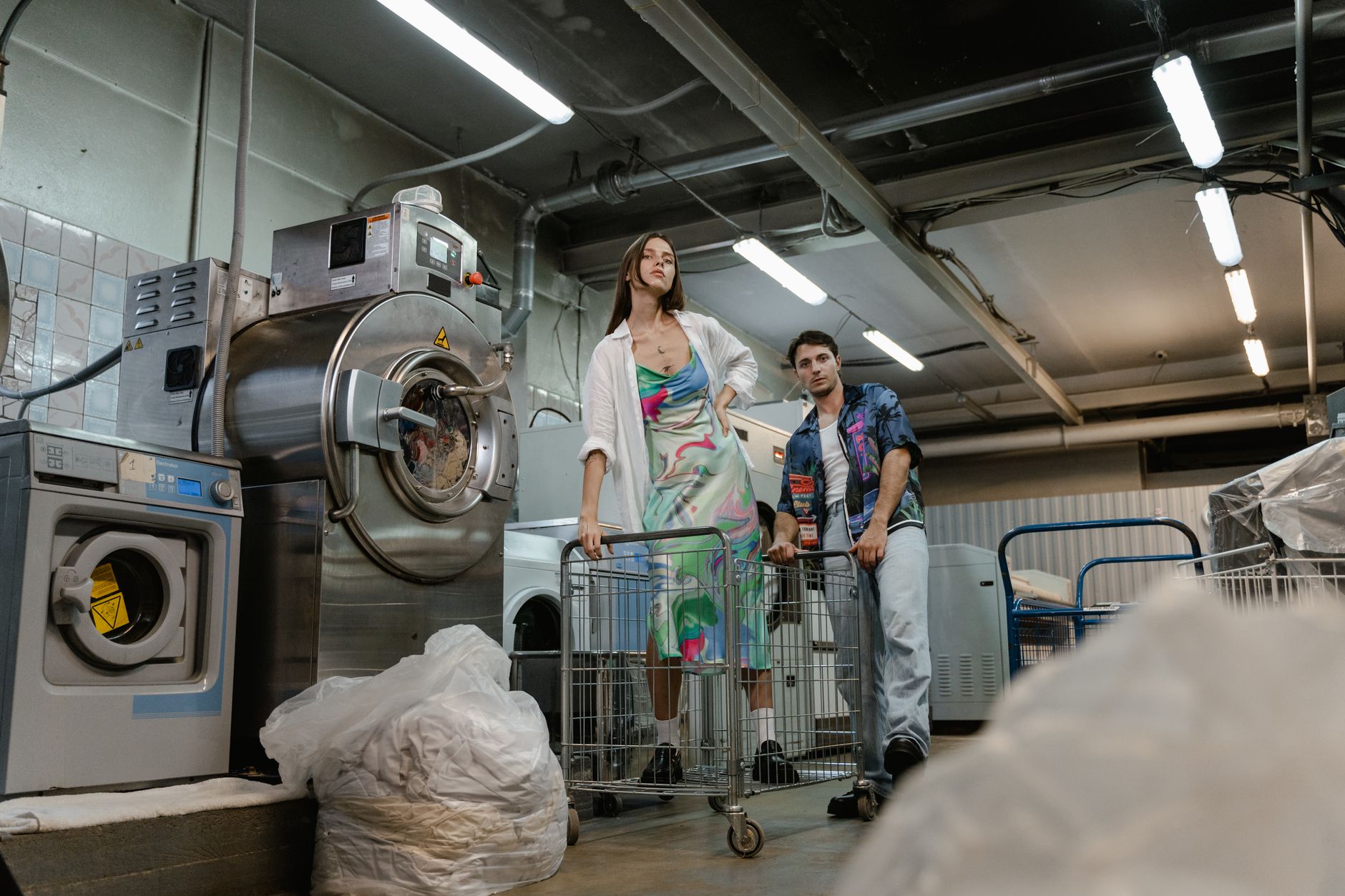
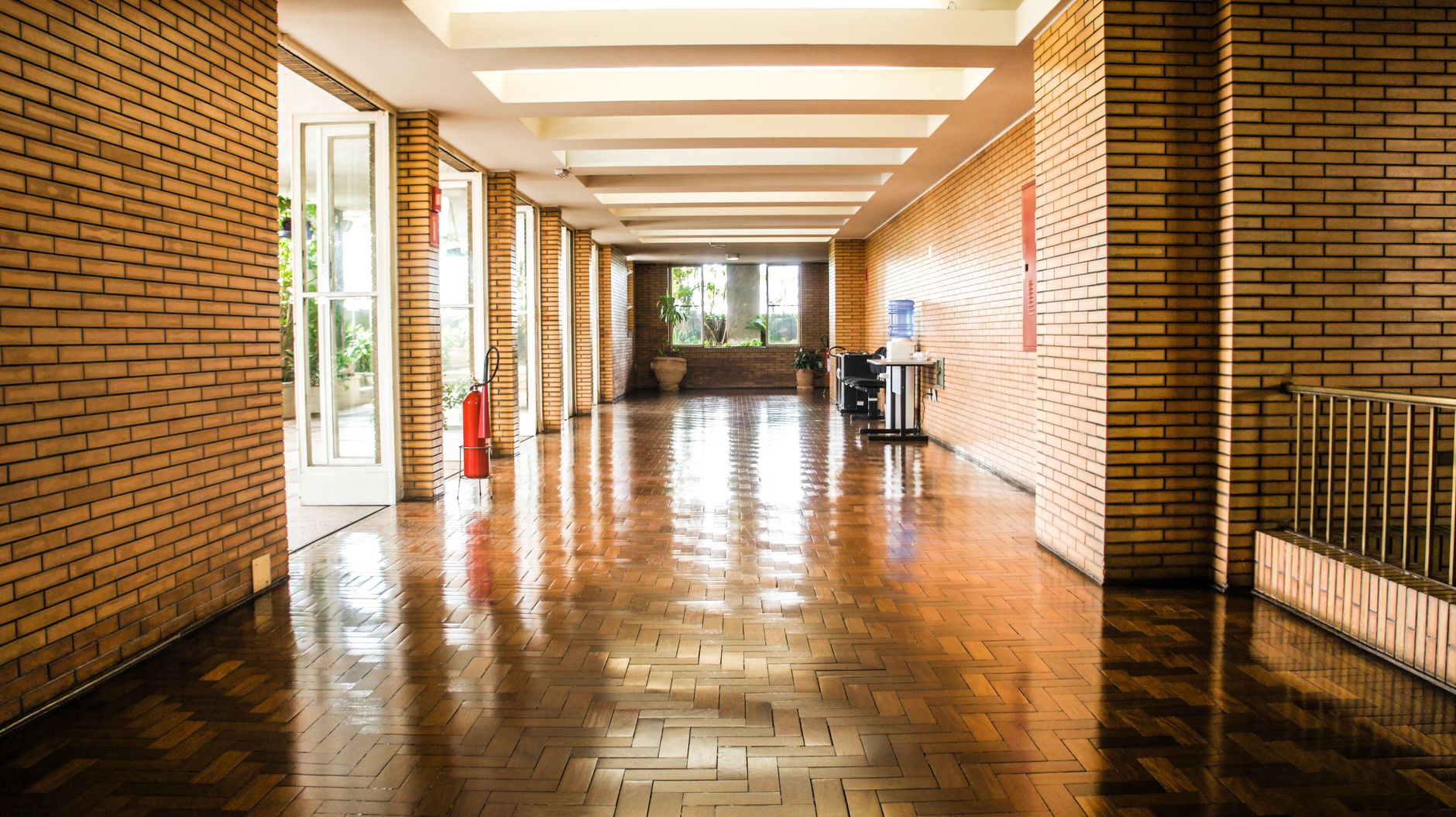
The deciding factors are usually ordinary building details. Service elevator reliability matters more than marketing claims. So do doorway widths, threshold gaps, corridor pinch points, linen room turning radius, and where carts can be staged without blocking egress. OSHA's laundry ergonomics guidance specifically recommends large, low-resistance wheels, waist-to-chest-height handles, and pushing rather than pulling. A robot program should honor those same movement realities instead of pretending the building is frictionless.
Older hotels can still fit this use case, but they need a tougher survey. Split-level back halls, uneven transitions, fire doors, and narrow service vestibules can break an otherwise sensible deployment. That is why a real site assessment has to map not only the route but also the micro-delays: badge access, elevator dwell times, laundry shift overlap, and how often supervisors change staging points when occupancy spikes.
This is where Service Robot Co. has a practical advantage. The company is OEM-neutral, so the assignment is not to force one manufacturer's hardware into every hotel. It is to match the route, payload, software, financing method, and service plan to the property's actual constraints, then carry the deployment through training, integration, and support with one accountable partner.
- Service elevator access and call logic
- Door widths, thresholds, and turning radius at linen rooms
- Clear separation between clean and soiled handoff points
- Reliable staging space on each tower or floor bank
- Night and day dispatch rules that housekeeping leaders will actually use
How do you measure if the robot is doing useful work?
Start with labor recapture, not gadget metrics. Measure how many daily transport runs move off housekeeping labor, how much attendant time stays on floors instead of in corridors, and how often towers hit par stock without manual rescue trips. Those numbers tie directly to room readiness and supervisor control.
Next, watch operational consistency. Did the property reduce missed replenishment runs during peak turnover? Are soiled carts leaving floors on a steadier cadence? Are floor closets less likely to run short late in the day? If a robot is only moving items but not stabilizing the supply rhythm, the workflow design is still incomplete.
Finally, watch strain points. OSHA's warning on pushing and reaching during laundry transport is not abstract. If the robot program reduces heavy cart pushes, elevator waiting with loaded bins, and repeated backtracking, the hotel should see less fatigue in the exact part of the shift that usually feels longest. That is a quiet win, but it is one operators notice quickly.
- Runs per shift taken off manual transport
- Minutes of housekeeping labor returned to room-facing work
- Stockout incidents at tower closets or staging rooms
- On-time completion of soiled-linen return windows
- Elevator conflict rate during peak turnover periods
Where does Service Robot Co. fit in without taking over the article?
A hotel does not just need a robot unit. It needs a transport program that survives week three, month six, and the first time a service elevator goes down on a sold-out night. Service Robot Co. is built for that practical reality as a full-service commercial robot integrator for U.S. businesses. The company stays OEM-neutral, selects the right platform across manufacturers, and then handles financing, deployment, integration, training, and ongoing service through a nationwide U.S. engineer network.
That matters in hotels because the weak point is rarely the demo. It is the operating seam between hardware, software, staff habits, and field support. One vendor for the full lifecycle means the property has one number to call when dispatch rules need tuning, a unit needs service, or a multi-tower rollout needs to expand without creating a patchwork of systems and contracts.
Why this use case tends to beat a front-of-house first move
Guest-facing robots can be useful, but many hotels are solving the wrong problem first. If the back-of-house supply loop is unstable, every housekeeping delay compounds downstream. Rooms come out later. Supervisors chase stock. Laundry teams batch work around corridor congestion. The guest eventually feels that in readiness and service consistency, even if they never see the corridor where the failure started.
The laundry cart loop is different. It sits inside a controlled operating envelope, it repeats daily, and it touches a department where hiring remains stubbornly difficult. That combination is why it often makes more sense as an early deployment. It is not flashy, but it is close to the core of hotel execution.
For operators thinking clearly about automation, that is the point. Start where staff are walking the most and value is leaking the fastest. In a lot of hotels, that route begins at laundry, disappears into a service elevator, and keeps repeating until the shift ends.