Key takeaways
- Robotic floor care fits best on predictable hard-floor runs, not on every surface in a rec center.
- Locker rooms, entries, gym perimeters, and long corridors usually produce the cleanest automation case first.
- Carpet, cluttered program rooms, and wet shower zones still need manual work, even in a strong deployment.
- Budget discipline matters: pilot one or two repeatable routes before expanding across the building.
- A full-service integrator matters because municipal teams need financing, training, service, and uptime from one partner.
What can robots realistically handle in a community rec center at night?
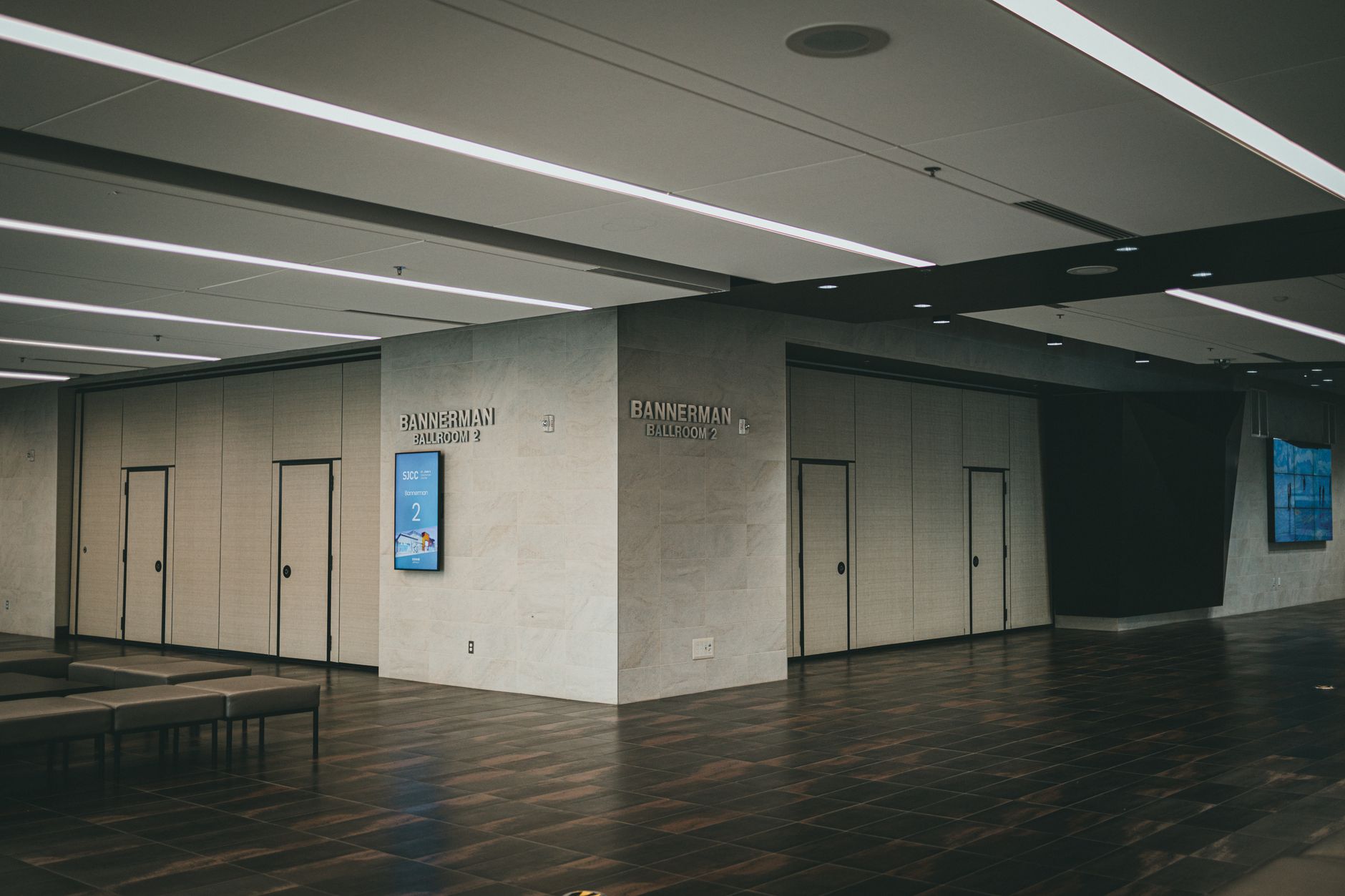
Yes, robots can earn their keep in community recreation centers, but only when the job is specified with discipline. In this setting, the best use is overnight hard-floor care on repeatable routes such as lobbies, long corridors, fitness perimeters, multiuse room edges, and circulation paths around courts and bleachers. That is where a commercial cleaning robot rental or floor scrubber monthly lease can reduce routine labor without forcing the building to change how it operates.
They are a poor fit for the entire building as a single promise. Mixed flooring, damp locker rooms, movable sports equipment, and late program turnover all create pockets where a robot floor cleaner rental should yield to manual cleaning. The real win is not total replacement. It is using a night shift autonomous scrubber where the route is stable, the floor is mostly hard surface, and the staff can arrive in the morning to detail the exceptions.
That narrow framing matters because recreation centers are busy civic buildings. According to the National Recreation and Park Association, more than 276 million people in the United States visited a local park or recreation facility in 2024. High public use means more soil load, more schedule variation, and less tolerance for an unreliable cleaning plan.
- Best first routes: lobby loops, main hallways, fitness floor perimeters, court concourses, and preprogrammed community room runs after furniture is reset
- Usually manual: carpet-heavy rooms, shower stalls, tight restroom interiors, equipment storage rooms, and spaces left cluttered after evening programs
- Best operating window: after the last program reset, with doors propped or access scheduled and the route cleared of carts, balls, benches, and loose mats
Why is this niche harder than a school hallway or a warehouse aisle?
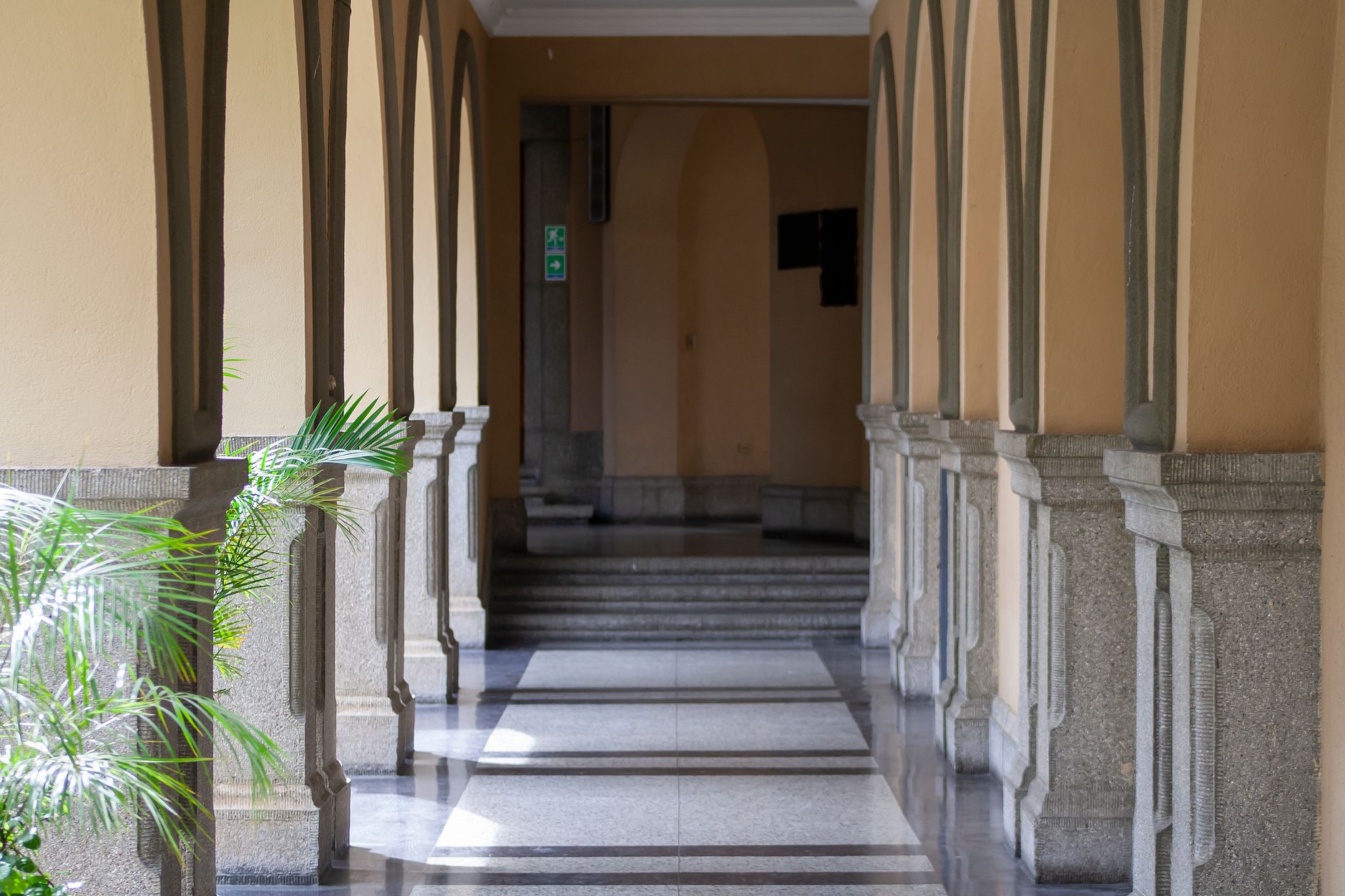
A community rec center looks simple from the curb and complicated from the janitor closet. One building may carry polished concrete at the entry, rubber in the fitness zone, sealed wood near courts, tile in locker rooms, carpet in offices, and mats or portable equipment almost everywhere else. That fragmentation is exactly why use-case selection matters more here than in a single-purpose building.
The traffic pattern is just as messy. NRPA reports that more than four in five park and recreation agencies offer out-of-school time programs, and parks and recreation is one of the nation’s largest providers of youth sports, reaching more than 50 million youth annually. In practice, that means the floor condition at 9:30 p.m. depends on who had the gym at 7, which classroom was used at 8, and whether the last volunteer actually stacked the chairs.
A warehouse cleaning robot rental works around pallets and marked lanes. A recreation center does not give you that luxury. The automation case lives or dies on route discipline, nightly closeout habits, and whether staff can hand the robot a predictable canvas.
Which surfaces should go to the robot first, and which should not?
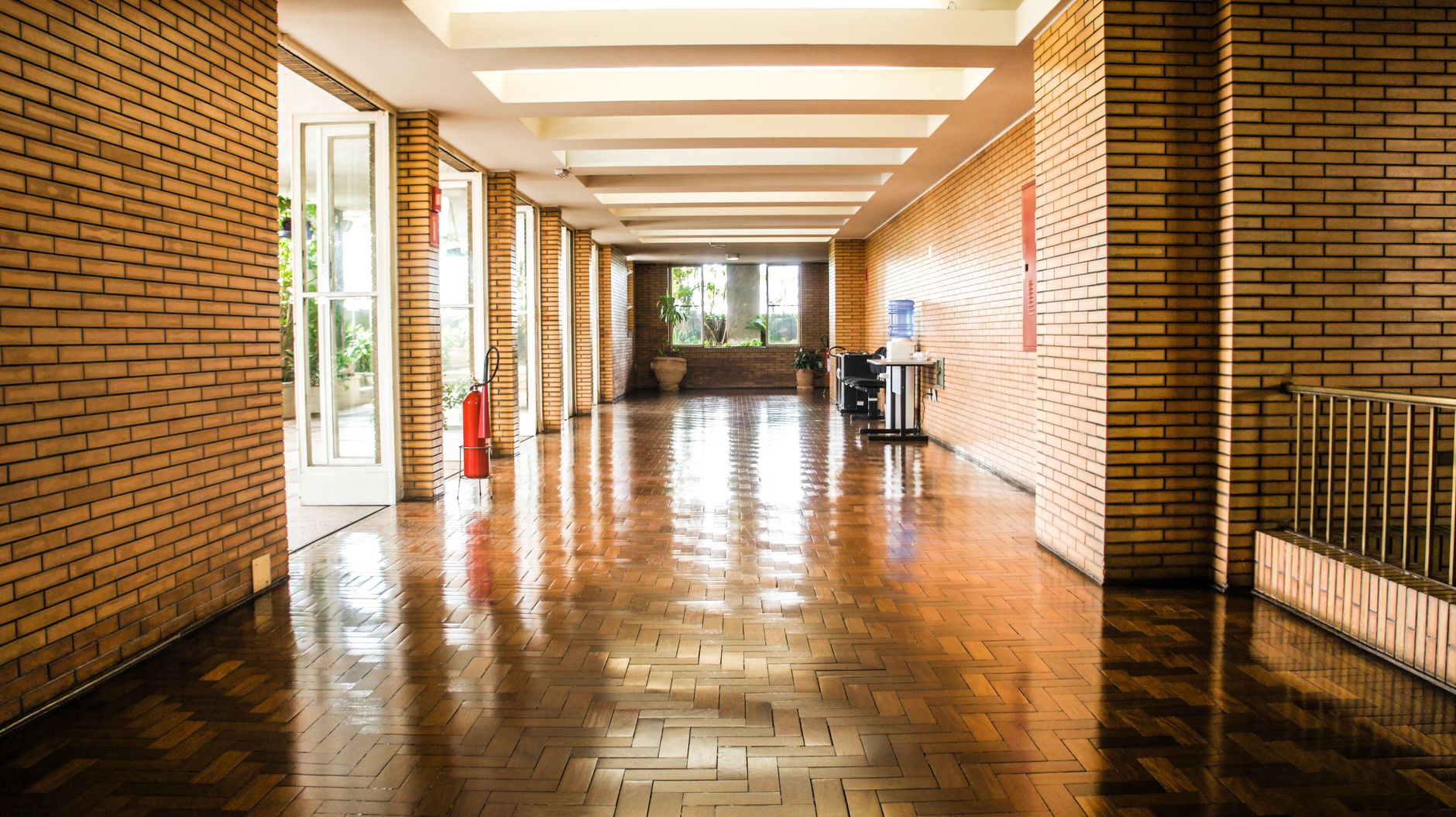
Hard, open, repeatable surfaces come first. Entrances, broad hallways, circulation rings around courts, and smooth fitness walkways are usually the highest-value candidates because they collect daily soil and can be cleaned on a consistent map. If your goal is overnight cleaning no operator, those are the zones most likely to support it without drama.
Locker rooms require more caution. The dry vestibule and main tile aisles may be workable, but shower thresholds, drain-heavy zones, benches pushed out of place, and stray towels can break a run or leave unacceptable misses. OSHA’s walking-working surfaces rule requires floors to be kept clean and, to the extent feasible, dry. In locker rooms and wet transition zones, that requirement often means manual follow-up remains part of the standard operating procedure.
Carpet is its own category. CDC guidance for community facilities draws a sharp distinction between hard floors and soft surfaces: floors can be cleaned with soap, water, or suitable cleaning products, while carpets and rugs should be vacuumed or cleaned with products made for soft surfaces. In other words, an autonomous floor scrubber rental is not your whole-floor strategy in a mixed-surface building. It is one instrument in the floor care plan.
- Strong robot candidates: sealed concrete, VCT, tile corridors, finished lobby floors, and open rubber walkways where the manufacturer approves the surface
- Conditional candidates: locker room aisles, court perimeters, and multiuse rooms after evening reset
- Poor candidates: shower stalls, dense free-weight zones during operating hours, thick carpet, folded-mat storage areas, and rooms with nightly furniture churn
How do locker rooms and gyms change the cleaning playbook?
They change it by raising the penalty for sloppy spec work. In gyms, the problem is not just dirt. It is edge clutter, benches, loose accessories, and floor materials that react differently to water and chemistry. In locker rooms, the issue is moisture control and slip risk. CDC notes that in community settings, high-touch surfaces should be cleaned regularly, while many general-purpose floors do not need blanket disinfection unless there is illness or contamination. EPA makes the same point more directly: limit disinfectant use to places where people are likely to contact contaminated surfaces, because many floors are better served by regular cleaning than by routine disinfection.
That matters for both performance and chemistry. A robot asked to over-disinfect broad floor areas every night can run slower, consume more product, and create compatibility headaches on sensitive finishes. A better approach is split-task cleaning: use the robot for soil removal on approved hard-floor routes, then reserve manual disinfecting for restroom fixtures, touchpoints, and incident-based cleaning.
Safety is not abstract here. CDC reports that falls among adults 65 and older caused more than 38,000 deaths in 2021, with nearly 3 million emergency department visits. Many recreation centers serve older adults alongside youth sports and after-school programs, so dry-time management and route timing are not side details. They are part of the buying decision.

What does a good first deployment actually look like?
The best first deployment is small. One building, one or two night routes, one closing checklist, and a simple morning verification habit. According to NRPA’s 2026 Agency Performance Review, the typical park and recreation agency offers about 300 programs annually, has operating expenditures per capita of $111.73, and recovers only 26 percent of operating expenditures through revenue. That is not the profile of a facility that can afford a vague automation experiment.
Start with the square footage that repeats every night and causes the most routine labor drag. Usually that means the main public loop and one secondary route, such as the fitness wing or event corridor. Measure route completion, exception count, morning touch-up time, and how often staff had to rescue the run because the building was not reset.
If those numbers hold, expand. If they do not, the answer is usually not bigger automation. It is better route selection. This is where robot leasing for business, robot as a service, or a robot rental monthly structure can help municipal operators test fit without committing the whole building at once.
- Phase 1: map the lobby and corridor loop
- Phase 2: add fitness and program-room perimeters that clear reliably after close
- Phase 3: add selective locker room aisles only after dry-floor controls and nightly reset discipline are proven
How should a municipal buyer think about budget and procurement?
Think in terms of avoided strain, not fantasy headcount cuts. NRPA’s 2026 benchmark says the typical agency has about $1 million in deferred maintenance projects, and 45 percent of staff are dedicated to operations and maintenance on average. That is a strong signal that most departments are not shopping for novelty. They are trying to keep buildings presentable with thin crews, old assets, and little slack.
That is why commercial robot rental, affordable service robot leasing, or a lease rental or sale structure often fits better than a one-shot capital purchase. A no upfront capital approach can be easier to defend when the goal is to stabilize overnight floor care, prove the route, and keep maintenance included. It also makes robot leasing vs buying a more practical conversation because the building can validate cleaning fit before making a long commitment.
For many rec centers, the smart procurement path is a commercial robot demo followed by a short robot pilot program. Try before you buy is not a slogan here. It is risk control for a municipal facility with changing schedules, seasonal usage, and multiple floor types under one roof.
Where does Service Robot Co. fit if the facility runs mixed brands and limited staff?
This is the part many public operators underestimate. The robot itself is only one piece of the program. A recreation department usually needs site assessment mapping, staff training, chemistry and floor-compatibility checks, go-live support, remote triage, and on-site dispatch when something fails on a Friday night. That is why an OEM-neutral, vendor neutral robot integrator is often more useful than buying a unit and hoping the janitorial team can absorb the rest.
Service Robot Co. works as a full-service commercial robot integrator for U.S. businesses, including municipal-style facilities that need one partner for the whole lifecycle. The company can help spec the robot that fits your floor, structure financing or monthly payment programs, deploy and integrate the unit, train local staff, and service it through a nationwide U.S. engineer network. For a rec center manager, that means one partner, one number, and a clearer path from pilot to routine operation.
That model is especially useful when the building needs a gym cleaning robot rental or school cleaning robot rental style deployment pattern without committing to a single manufacturer too early. In this niche, integration quality is usually the difference between a dependable overnight floor care routine and a machine that becomes another maintenance problem.
What separates a durable program from an expensive miss?
A durable program respects the building. It knows that after-school traffic leaves clutter, that referee chairs migrate, that wet locker room thresholds need manual attention, and that carpet will remain outside the scrubber’s job. It also knows the close crew must reset the route every night. The machine cannot compensate for a building that is never handed over in a clean state.
An expensive miss usually starts with overreach. Too many surfaces, too many rooms, too little closeout discipline, and a purchasing decision made around headline square footage instead of nightly repeatability. Recreation centers are public service buildings first. Automation has to support that mission quietly, not demand that the facility start behaving like a factory.
If you spec the route honestly, keep the scope tight, and match the procurement model to the budget cycle, robots can handle a meaningful share of night floor care in community recreation centers. Not all of it. The right share of it.